Beginner’s Guide to Choosing Your First Crochet Hook and Yarn
Starting your crochet journey can feel a little overwhelming—there are so many hooks, yarn weights, and fiber types out there, and honestly, it’s easy to walk into a craft store and feel completely lost. But here’s the thing: choosing your first hook and yarn isn’t actually complicated once you understand what you’re looking for. I’ve helped countless people pick their first supplies, and the good news is that there’s no “wrong” choice—just choices that work better for different hands, projects, and budgets.
The truth is, your first crochet experience is going to shape how much you enjoy this craft going forward. If you pick supplies that feel good in your hands and work with a yarn you actually want to touch, you’re already setting yourself up for success. Let’s walk through this together so you can confidently grab exactly what you need and start creating something beautiful.
Understanding Crochet Hook Sizes and Materials
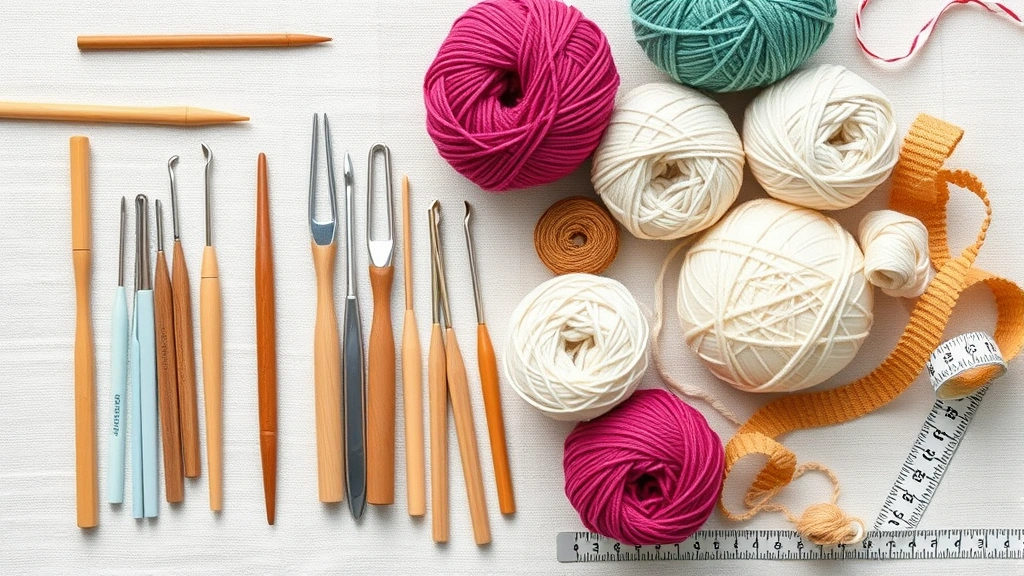
Let’s start with the hook itself—this is literally the tool that’ll be in your hand for hours, so it matters that it feels right. Crochet hooks come in different sizes, and they’re measured in millimeters (mm) or by letter/number (like size H or size 8). The size of your hook determines the size of your stitches, which affects your finished project’s drape, structure, and overall look.
Here’s a practical breakdown: smaller hooks (like size B or C) create tighter, denser fabric. They’re great for detailed work and structured projects, but they can be harder on your hands if you’re new because you’re doing more individual stitches. Larger hooks (like size J, K, or L) create looser, airier fabric with bigger stitches, which means you’ll finish projects faster and put less repetitive strain on your hands. For a true beginner, I’d honestly recommend starting with a size H, I, or J hook—it’s that sweet spot where stitches are visible and easy to work with, but not so loose that you’re losing control.
Now, the material of your hook matters too. You’ve got aluminum hooks (lightweight, affordable, smooth), bamboo hooks (warm to the touch, slightly grippy, great if you have hand pain), wooden hooks (beautiful, durable, but pricier), and plastic hooks (budget-friendly but can feel cheap). My personal recommendation? Start with an aluminum or bamboo hook in the size range I mentioned. They’re affordable, they feel good in your hand, and you won’t feel terrible if you accidentally sit on them or lose them in your craft bag.
One thing I always tell beginners: don’t buy a huge set of hooks right away. You’ll end up with sizes you never use. Instead, grab 2-3 hooks you actually think you’ll work with. Once you’ve got a few projects under your belt, you’ll know your preferences way better.
Yarn Weight Explained: Finding Your Starting Point
Okay, yarn weight—this is where people get genuinely confused, so let’s demystify it. Yarn weight isn’t about how heavy the yarn actually is (confusing, I know). It’s about the thickness of the strand. The Craft Yarn Council created a standardized system that goes from 0 (lace) all the way to 7 (jumbo), but beginners really only need to know about weights 2-5.
Here’s what each weight means in real terms:
- Worsted weight (weight 4): This is the classic “medium” yarn. It’s thick enough that you can see your stitches clearly, projects work up relatively fast, and it’s forgiving if you make mistakes. Most beginner patterns call for worsted weight for a reason—it’s genuinely the easiest to work with.
- DK weight (weight 3): Slightly thinner than worsted. Still beginner-friendly, but stitches are smaller and projects take a bit longer. Great if you want more drape or a more delicate finished product.
- Bulky weight (weight 5): Thick and chunky. Projects fly off the hook, but the stitches are so big that mistakes are more visible. Some beginners love this because projects finish in like three hours. Others find it harder to control. It’s worth trying, but maybe not as your absolute first project.
- Sport weight (weight 2): Thinner and more delicate. Honestly, I’d skip this for your first project—it requires more attention and patience.
My honest advice? Grab a ball of worsted weight yarn. It’s the Goldilocks of yarn weights. You can easily find Ravelry patterns written for it, the stitches are clear and forgiving, and you’ll actually be able to see your progress without going blind.
Fiber Types and What They Mean for Your Projects
Now let’s talk about what your yarn is actually made of, because this changes everything about how your finished project feels, wears, and lasts. The fiber content determines drape, durability, care requirements, and cost.
Acrylic yarn is where most beginners start, and there’s absolutely nothing wrong with that. It’s affordable (like $2-5 per skein), comes in every color imaginable, and it’s machine washable. The downside? It doesn’t breathe as well as natural fibers, and it can feel a bit plasticky if you’re sensitive to texture. But for practicing and learning? It’s perfect. Brands like Lion Brand and Red Heart make solid beginner-friendly acrylic.
Cotton yarn is breathable and perfect for summer projects or items that’ll be washed a lot (like dishcloths or baby blankets). It’s also affordable and comes in nice colors. The catch? Cotton doesn’t have much give, so your stitches need to be consistent or projects can look wonky. It’s also heavier than acrylic, so the same project takes more yarn.
Wool yarn is the gold standard for most crocheters. It’s warm, durable, has beautiful drape, and actually gets softer with washing. The downsides are cost (expect $8-20+ per skein) and care—most wool needs hand washing. For your first project, wool might be overkill, but once you’ve got a few projects done, I’d really encourage you to try it. The difference in how it feels is genuinely noticeable.
Wool blends (wool mixed with acrylic or other fibers) are a great middle ground. You get some of wool’s gorgeous qualities at a lower price point and with easier care. If you want to level up from acrylic but aren’t ready to commit to pure wool, this is your sweet spot.
Here’s my practical take: start with acrylic for your first project. You’ll save money, you won’t stress about damaging expensive yarn while you’re learning, and you’ll figure out what you actually like before investing in pricier fibers.
Budget-Friendly Tips for Getting Started
Let’s be real—yarn and hooks can add up fast, especially when you’re just starting out and don’t know what you’ll actually use. Here’s how to keep costs down without sacrificing quality or your sanity:
- Buy individual hooks instead of sets: A 30-piece hook set might seem like a deal, but you’ll probably use 3-4 sizes max. Grab 2-3 individual hooks you’ll actually work with. Total cost: $5-15. Set cost: $20-40.
- Start with acrylic yarn for practice: Seriously, there’s no shame in this. You’re learning, and acrylic is forgiving and affordable. Once you’ve completed a few projects, you’ll know if you want to invest in nicer yarn.
- Check local yarn shops for sales or clearance: Most yarn shops have a sale section, and you can find great deals on discontinued colors or overstock. Plus, the staff can help you pick out supplies—way better than guessing at a big box store.
- Join a local crochet group: This sounds random, but experienced crocheters often have spare yarn or hooks they’re happy to pass along. Plus, you get free advice and community, which is honestly priceless.
- Look for pattern bundles and free resources: Yarnspirations offers free patterns from major yarn brands. You don’t need to buy a pattern book right away—there’s so much free stuff online.
Real talk: your first crochet haul should probably be around $25-40 if you’re strategic. Hook ($5-8), a couple of skeins of yarn ($6-12), and maybe a yarn needle ($2-3). That’s genuinely enough to get started.
Your First Project: What Actually Works
Okay, you’ve got your hook and yarn—now what? Choosing your first project is crucial because if you pick something too complicated, you’ll get frustrated and quit. I’ve seen it happen.
Your first project should be something with a simple, repetitive stitch. A dishcloth or washcloth is genuinely the perfect first project. Here’s why: it’s small (you’ll finish it), it uses basic stitches (usually just single crochet or half double crochet), and even if it’s imperfect, it’s still useful. You can actually use it, which feels amazing.
The next step up would be a simple beginner scarf or baby blanket using single crochet or half double crochet. These teach you consistency and build confidence without requiring you to learn tons of different stitches.
Skip amigurumi (those cute stuffed animals), structured garments, and intricate lace patterns for now. I’m not saying you can’t eventually make those things—you absolutely can. But right now, you’re building muscle memory and learning how stitches actually work. Simple is your friend.
Here’s a practical step-by-step for your first project:
- Find a pattern: Search Ravelry for “beginner dishcloth” or “simple scarf.” Look for patterns with high ratings and lots of comments—that usually means they’re well-written and actually doable.
- Read the entire pattern before you start: Seriously. Know what stitches you’ll need and if there are any techniques that are new to you.
- Watch tutorial videos for any stitches you don’t know: YouTube has thousands of crochet tutorials. Find one that clicks for you and practice the stitch before starting the project.
- Cast on your foundation chain and just start: Your first rows might be wonky. That’s completely normal. By row 5 or 6, your tension will even out and stitches will look more consistent.
- Finish the project, even if it’s not perfect. Seriously. You need to experience the whole process from start to finish.
One more thing: don’t rip it out and start over if it’s not perfect. I’ve seen so many beginners quit because they were too hard on themselves. Your first dishcloth or scarf doesn’t need to be Instagram-worthy. It needs to exist so you can learn from it and move on to the next project.
As you get more comfortable, you can explore different fiber types and what they mean for your projects, try different yarn weights, and tackle more complex stitches. But right now, just focus on finishing something.
Frequently Asked Questions
What size hook should I use with my yarn?
Every yarn ball has a label that recommends hook sizes. Start with the size listed there. For worsted weight yarn, that’s usually an H, I, or J hook. If your stitches feel too tight, go up a size; if they’re too loose and gappy, go down a size. It’s totally normal to adjust based on how it feels in your hands.
Is acrylic yarn “bad” or “cheap”?
Nope. Acrylic gets a bad reputation from crocheters who’ve moved on to natural fibers, but honestly? Acrylic is great for beginners, practice projects, and anything that needs to be machine washable. Some of the most experienced crocheters I know use acrylic regularly. Use whatever makes you happy.
How much yarn do I need for my first project?
For a dishcloth or small scarf, one or two 100-200 yard skeins is plenty. Check your pattern—it’ll tell you the yardage needed. When in doubt, grab two skeins. You can always use leftovers for another small project.
Can I use any hook with any yarn?
Technically yes, but it won’t always work well. A tiny hook with thick yarn creates tight, stiff fabric. A huge hook with thin yarn creates floppy, open fabric. The yarn label recommends hook sizes for a reason. Follow that recommendation, especially while you’re learning.
Should I invest in expensive yarn right away?
Not unless you’re genuinely in love with a specific yarn. Start with affordable options and figure out what you like before spending big money. You might discover you prefer acrylic, or you might fall in love with merino wool. Either way, you’ll make a better choice once you have some experience.
Where can I find patterns for beginners?
Ravelry is your best friend. Filter by difficulty level and yarn weight. Yarnspirations has free patterns from major brands. Pinterest also has tons of beginner patterns, though quality varies.