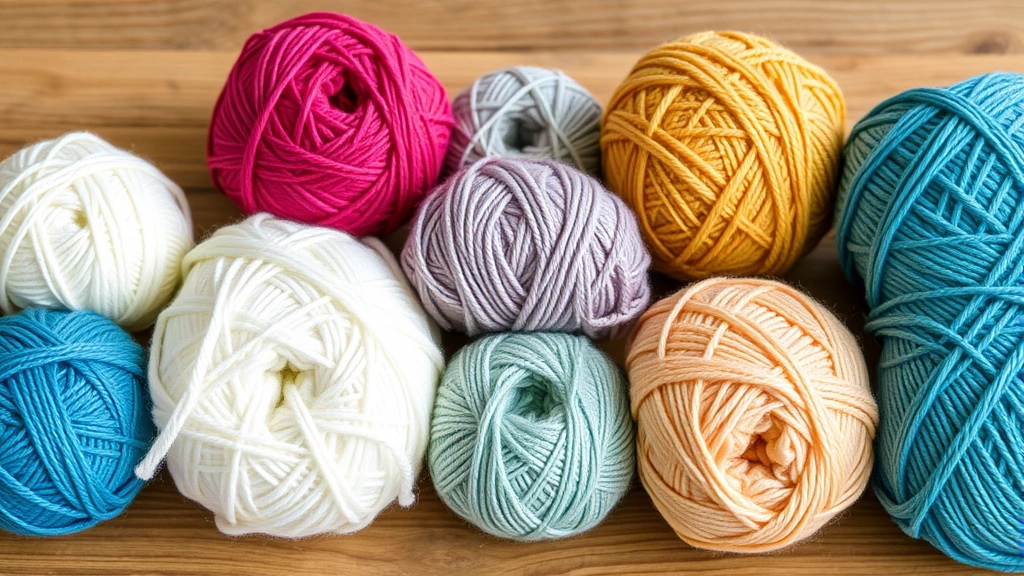
Choosing the Right Yarn Weight for Your Crochet Project
Let’s be real—standing in front of a yarn wall or scrolling through an online shop can feel totally overwhelming. There are so many weights, colors, and fiber types that it’s easy to grab something pretty and only realize halfway through your project that it’s not quite right. I’ve been there, and honestly, most crocheters have too. The good news? Understanding yarn weight isn’t complicated once you break it down, and it’ll completely transform how you approach your projects.
Yarn weight is basically the thickness of the yarn strand, and it directly affects how your finished piece will look, feel, and how long it’ll take you to complete. Choosing the right weight isn’t just about following a pattern—it’s about understanding what’ll actually work for your goals, your skill level, and the item you’re making. Whether you’re dreaming up a cozy blanket, a delicate shawl, or a structured bag, the yarn weight you choose sets the entire tone.
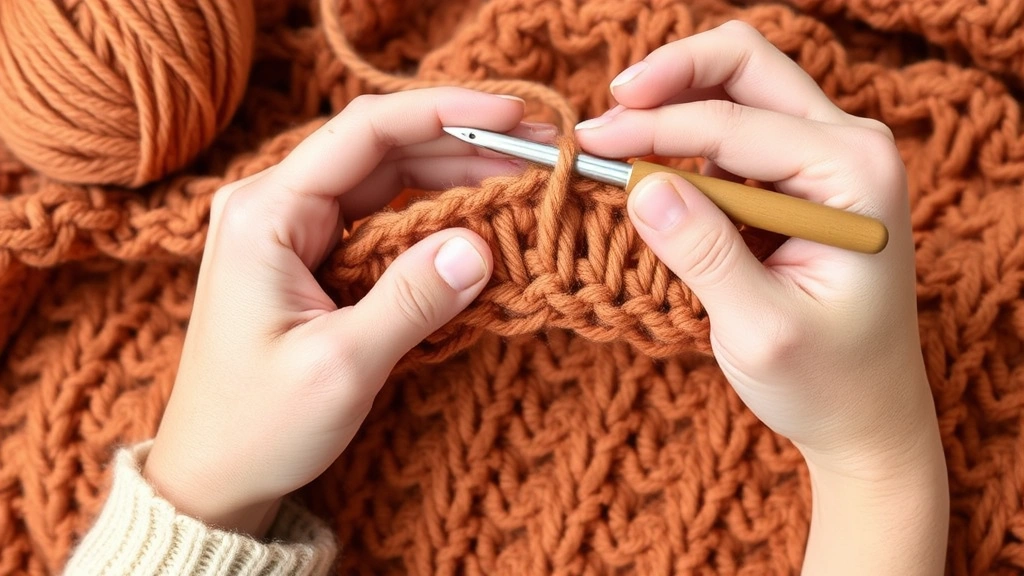
Understanding Yarn Weight Categories
The Craft and Fiber Arts Council (also called the Yarn Council) created a standard system that rates yarn from 0 to 7, though you’ll mostly work with weights 1-6 in everyday crochet projects. Let me walk you through each one so you can visualize what we’re talking about.
Lace (0) and Fingering (1) are the delicate end of the spectrum. These are super thin, almost thread-like, and they’re honestly a labor of love. Lace weight creates intricate, openwork pieces that look like magic when you’re done, but they take patience and time. Fingering weight is still pretty fine, and it’s gorgeous for detailed work like shawlettes or lightweight garments. If you’re new to crochet, I’d suggest skipping these for now and coming back when you’ve got some confidence under your belt.
Sport (2) and DK (3) weights are where things start getting more approachable. Sport weight is light and delicate—perfect for baby items, socks, or anything that needs a gentle drape. DK weight (which stands for “double knitting”) is slightly thicker and works up a bit faster, making it great for amigurumi, small garments, or detailed colorwork. These weights give you beautiful stitch definition without requiring you to squint at your work.
Worsted (4) is genuinely the sweet spot for most crocheters. It’s thick enough that projects move along at a satisfying pace, but not so chunky that your stitches look sloppy. This is your go-to for afghans, hats, scarves, and tons of patterns you’ll find in books and online. When you’re learning to crochet, worsted weight is your best friend because it’s forgiving and easy to work with.
Bulky (5) and Super Bulky (6) are the speed demons. These create projects in a fraction of the time, and they’re perfect if you want instant gratification or you’re working with limited time. Bulky weight works beautifully for chunky blankets, oversized sweaters, and statement scarves. Super bulky is even faster and creates a really cozy, textured look. The trade-off is that your stitch definition gets less detailed, but that rustic, chunky aesthetic is super trendy right now.
Here’s a practical tip: grab a yarn label next time you’re shopping and look at the weight number and recommended hook size. That’s your starting point for understanding what you’re working with.
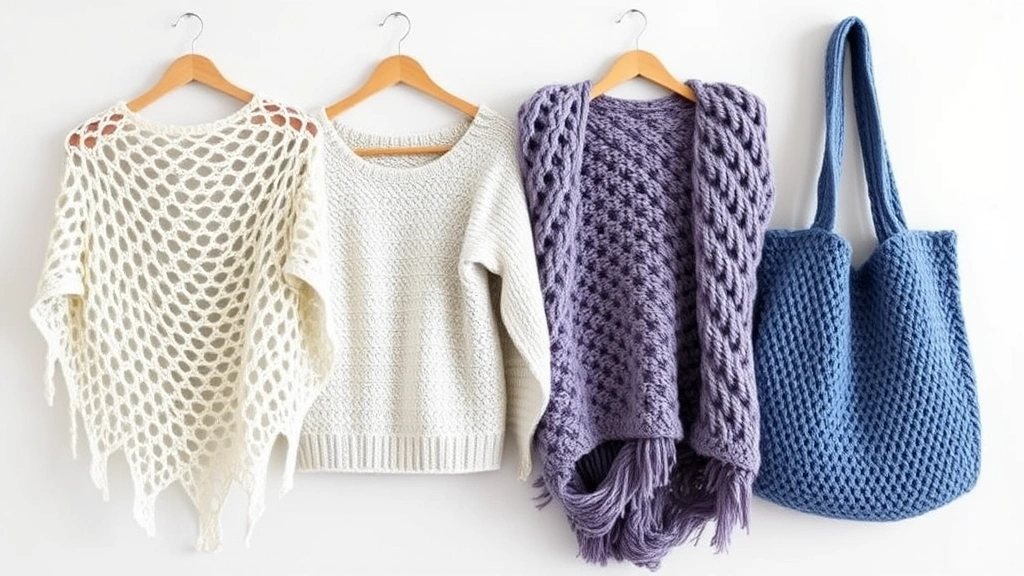
How Yarn Weight Affects Your Project
Yarn weight touches literally every aspect of your project, and understanding these connections makes you a way better crocheter. Let me break down the main ways it matters.
Drape and Structure change dramatically based on weight. Lighter weights like fingering or sport create beautiful, flowy garments that move with your body. They’re perfect for summer tops or delicate wraps. Heavier weights hold their shape more rigidly, which is ideal for structured bags, sweaters, or blankets that need to maintain form. If you’re making a shawl pattern, you’ll probably want something lighter so it flows gracefully. For a tote bag that needs to hold stuff without slouching, you’d go heavier.
Yardage and Project Cost are real considerations. Lighter yarn weights mean you need more yardage to cover the same area, but you’re often buying less weight per ball, so the math gets interesting. A worsted weight blanket might need 3,000 yards and cost $75, while a bulky weight blanket of similar size might only need 1,500 yards but cost $90 because each ball weighs more. This is why understanding how to calculate yardage before you buy is so helpful.
Time Investment varies hugely. A bulky weight project can be done in a weekend; that same design in fingering weight could take months. There’s no right answer here—it depends on what you enjoy. Some people find the meditative rhythm of a long-term project deeply satisfying. Others love the quick win of finishing something in a few days. Both are valid, and knowing yourself matters.
Stitch Definition is something many people don’t think about until they’re halfway through a project. With lighter weights, every stitch shows beautifully—you can see intricate lace patterns, color changes, and detailed textures. With heavier weights, some of that detail gets lost in the bulk, but you get a cozy, casual aesthetic instead. Neither is better; they’re just different.
Hook Size and Tension adjust based on weight too. Lighter yarn works on smaller hooks and requires more precision. Heavier yarn uses bigger hooks, which can actually be easier on your hands if you have arthritis or repetitive strain concerns. If you’re dealing with hand pain, choosing the right weight can genuinely make crochet more comfortable.
Matching Yarn Weight to Patterns
Here’s where a lot of people trip up: they find a pattern they love and then use whatever yarn they have on hand, and the results don’t match the picture. Let me show you how to do this right.
Always check the pattern’s recommended yarn weight first. It’s usually right there at the top of the pattern, often with a weight number and sometimes a yardage total. That recommendation exists because the designer tested the pattern with that specific weight and knows how it’ll look and fit. If the pattern says “worsted weight” and you use bulky weight, your finished piece will be smaller and denser than intended. If you use sport weight instead, it’ll be larger and more delicate.
Now, can you substitute a different weight? Yes, but you need to do the math. This is where understanding how to read yarn labels becomes super practical. Look at the yardage per weight (usually listed as yards per 100 grams or per ounce). If you’re substituting, calculate how many yards you’ll need and find a yarn that has similar yardage-to-weight ratio.
Example: Your pattern calls for 1,200 yards of worsted weight. You find a worsted weight yarn that’s 180 yards per 100g. You need about 666 grams of yarn. If you want to substitute a chunky weight that’s 120 yards per 100g, you’d still need about 1,000 yards of that chunky weight to get the same yardage. Sounds weird, but it works.
That said, some patterns are more flexible than others. A simple blanket pattern with basic stitches can usually tolerate weight changes. A fitted garment or something with precise shaping? That’s less forgiving. When you’re still learning to work with different yarn weights, stick closer to the recommendations.
Check out pattern marketplaces like Ravelry where you can see how other people have made the same pattern with different yarns. The community notes are goldmines of information about whether substitutions worked out.
Yarn Weight and Fiber Content
Here’s something that surprises people: yarn weight and fiber content are completely separate things, but they work together to create your finished product.
Weight is about thickness. Fiber content is about what the yarn is made from—whether that’s wool, cotton, acrylic, silk, or a blend. A worsted weight cotton behaves differently than a worsted weight wool, even though they’re technically the same weight.
Wool is springy and forgiving, which makes it fantastic for beginners. It has natural elasticity, so even if your tension is a bit wonky, the finished piece usually looks great. It also blocks beautifully, meaning you can shape it after crocheting. The downside is that it can be itchy (though merino wool is much softer), and it requires careful washing.
Cotton is crisp, cool, and perfect for summer projects. It doesn’t stretch as much as wool, so your tension needs to be more consistent, but once you’ve got that down, it creates beautiful stitch definition. Cotton is ideal for amigurumi, dishcloths, and lightweight garments. It’s also usually machine washable.
Acrylic gets a bad rap sometimes, but honestly? It’s practical. It’s affordable, comes in every color imaginable, and is super easy to care for. For learning, experimenting, or making gifts for kids, acrylic is totally legitimate. Acrylic doesn’t block well, so it won’t transform the way wool does, and it can feel a bit plasticky, but it has its place.
Blends combine the best of multiple fibers. A wool-cotton blend gives you the elasticity of wool with the structure of cotton. An acrylic-wool blend keeps costs down while improving feel. Understanding what you’re buying helps you predict how it’ll behave.
When you’re choosing yarn weight, think about fiber content too. A bulky weight cotton will feel much heavier and stiffer than a bulky weight wool. A delicate lace weight acrylic might not drape as beautifully as lace weight silk. None of these are wrong—they’re just different, and knowing the difference helps you make intentional choices.
Common Mistakes and How to Avoid Them
Let me share some of the biggest yarn weight mistakes I see, plus how to sidestep them.
Mistake 1: Assuming all yarn labeled the same weight is the same. It’s not. Two different “worsted weight” yarns from different brands might have slightly different thicknesses because the fiber content affects how the yarn is spun. Always check the label and do a gauge swatch. A gauge swatch is a small test piece that shows you how the yarn works up with your hook and your tension. It literally takes 15 minutes and saves you from potentially wasting weeks of work.
Mistake 2: Ignoring recommended hook size. The yarn label tells you what hook size to use. That’s not a suggestion; it’s a starting point. Yes, you can go up or down a size depending on your tension and what you want the fabric to feel like, but starting there gives you a baseline. Using a hook that’s way too small makes your work tight and exhausting; too big makes it loose and floppy.
Mistake 3: Buying yarn without checking yardage. Just because two balls feel similar in weight doesn’t mean they have the same yardage. Always read the label. A ball of chunky cotton might have way less yardage than a ball of chunky acrylic because cotton is denser. Running out of yarn halfway through a project is genuinely frustrating, so this one’s worth being careful about.
Mistake 4: Not considering the finished look you want. I’ve seen people make sweaters in super bulky yarn and then wonder why it looks lumpy. That yarn weight can work for sweaters, but you need to understand that it’ll look different than one made in worsted weight. There’s nothing wrong with that look, but going in with eyes open matters.
Mistake 5: Substituting yarn without testing first. If you’re changing yarn weights mid-project or substituting something different, make a gauge swatch and check your math. It takes an extra hour or two upfront and saves you from potential disaster.
Shopping Tips for the Right Yarn Weight
Okay, you’re ready to buy yarn. Here’s how to make sure you’re getting what you actually need.
Read the label carefully. Every yarn label has a weight number (0-7), recommended hook size, yardage, weight in grams, fiber content, and care instructions. Some labels also have a suggested gauge. Screenshot or take a photo of the label before you leave the store or add it to your cart online—you’ll need this information later.
Calculate total yardage needed. If your pattern calls for 1,200 yards and each ball is 100 yards, you need 12 balls. Simple math, but easy to mess up when you’re excited about yarn shopping. Add 10% extra if possible—that buffer accounts for gauge adjustments and mistakes.
Consider the project timeline. Be honest about how much time you can dedicate. If you’re making a gift for a wedding in three weeks, bulky or super bulky weight makes way more sense than fingering weight. There’s no shame in choosing practical over perfect.
Test before you commit. If you’re buying online from a brand you’ve never tried, order one ball first. Crochet a small swatch, wash it (if you’ll be washing the finished project), and see how it feels. This is especially important if you have sensory preferences or hand pain concerns.
Check out authoritative yarn resources. Yarnspirations and Craftsy have tons of free patterns organized by yarn weight, so you can see what’s actually possible with different weights. Brands like Lion Brand and Caron also have excellent educational resources about their yarns.
When you’re shopping in person, don’t be shy about asking staff questions. Good yarn shops have people who genuinely love helping folks find the right yarn. They can help you understand fiber content differences and suggest alternatives if something’s out of stock.
FAQ
Can I use a different yarn weight than what the pattern calls for?
Technically yes, but proceed with caution. Simple patterns with basic stitches (like blankets or scarves) are more forgiving. Fitted garments or anything with precise shaping really needs the recommended weight. If you want to substitute, make a gauge swatch, do the math on yardage, and understand that your finished piece will look and fit differently.
What’s the best yarn weight for beginners?
Worsted weight (4) is your sweet spot. It’s thick enough that you can easily see your stitches and fix mistakes, but not so chunky that tension issues are obvious. Projects move along at a satisfying pace without taking forever. It’s also affordable and comes in endless options.
How do I know what hook size to use with a specific yarn weight?
The yarn label recommends a hook size. Start there and make a gauge swatch. If your swatch is too tight or stiff, go up a hook size. If it’s too loose or floppy, go down. Your personal tension matters more than the label recommendation—the label is just a starting point.
Why does the same pattern look different when other people use different yarn weights?
Because yarn weight dramatically changes the finished size, drape, and texture. A blanket pattern made in bulky weight will be smaller and chunkier than the same pattern in worsted weight. That’s not a mistake; it’s just how yarn works. Check Ravelry to see how others have adapted patterns you love.
Is acrylic yarn a bad choice?
Not at all. Acrylic is affordable, practical, and perfect for learning, experimenting, and making washable items for kids. It doesn’t have the same properties as natural fibers (it doesn’t block well, and it can feel plasticky), but it absolutely has its place in crochet. Use what works for your project and budget.
How do I prevent running out of yarn before finishing a project?
Always buy 10% extra yardage if possible. Keep your yarn labels so you know exactly what you’re using. If you’re buying multiple dyes or batches, check that they’re from the same dye lot (listed on the label) so colors match. If you’re close to running out, switch to a lighter colored yarn or use it strategically in areas that matter less visually.