Beginner’s Guide to Choosing the Right Yarn for Your Crochet Projects
So you’ve decided to pick up a crochet hook and start making something beautiful. That’s exciting! But then you walk into a yarn shop—or scroll through an online store—and suddenly you’re staring at what feels like a million options. Merino wool? Acrylic? Cotton? Bamboo blends? Weight numbers that go from 0 to 7? It’s enough to make your head spin, and honestly, I get it. Choosing yarn feels like it should be simple, but there’s actually a lot to consider if you want your finished project to turn out the way you imagined.
Here’s the thing though: picking the right yarn isn’t as complicated as it seems once you understand what you’re actually looking for. It’s not about finding the “perfect” yarn—because let’s be real, perfect is subjective and depends entirely on what you’re making and how you like to work. It’s about understanding your options, knowing what matters most to your project, and making choices that’ll make you actually enjoy the process. Whether you’re crocheting a cozy blanket for your couch, a fitted sweater you’ll actually wear, or a baby gift that needs to be soft and durable, there’s a yarn out there that’s genuinely right for the job.
Understanding Yarn Weight and What It Really Means
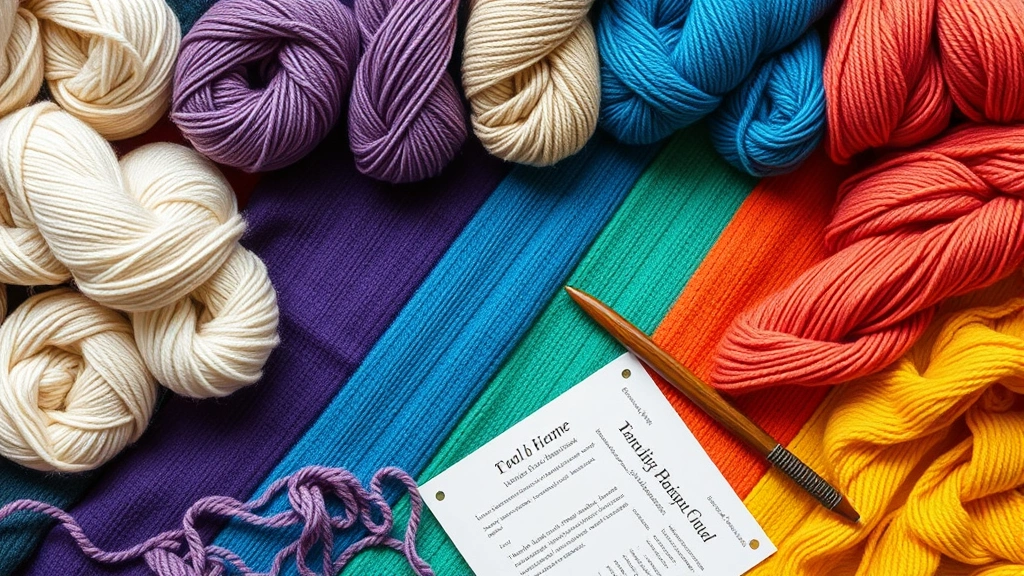
Let’s start with yarn weight, because this is probably the most important thing you need to understand before you buy anything. Yarn weight isn’t about how heavy the physical ball is in your hand—it’s about the thickness of the individual strand and how many yards you get per pound. The Craft Yarn Council standardized this into seven categories, numbered 0 through 7, which makes things a lot easier than they used to be.
Lace (0) and Fingering (1) are the thinnest and most delicate. These are gorgeous for making intricate shawls and doilies, but they require patience and tiny hooks. If you’re just starting out, I’d honestly skip these for now. Sport (2) and DK (3) are lighter weights that work beautifully for garments and smaller projects. Worsted (4) is probably the most beginner-friendly weight—it’s thick enough that you can actually see your stitches clearly, and projects work up relatively quickly.
Then you’ve got Bulky (5), Super Bulky (6), and Jumbo (7), which are the thick, chunky yarns that make projects fly off your hook. These are fantastic if you want instant gratification or if you’re making something like a chunky blanket or oversized cowl.
Here’s what matters: every pattern you find will tell you what weight yarn it needs. That’s not a suggestion—it’s kind of essential. If you use a thinner yarn than the pattern calls for, your finished project will be smaller and potentially looser. Use a thicker yarn, and you’ll end up with something bigger and possibly too dense. It’s not impossible to substitute, but it requires math and adjustments, and that’s not where you want to be when you’re learning.
Pro tip: Check the yarn label for yardage information. Two balls of “worsted weight” can have totally different yardage depending on the fiber content and how it’s spun. Always go by yardage requirements in your pattern, not just the number of balls.
Natural vs. Synthetic: Breaking Down Fiber Content
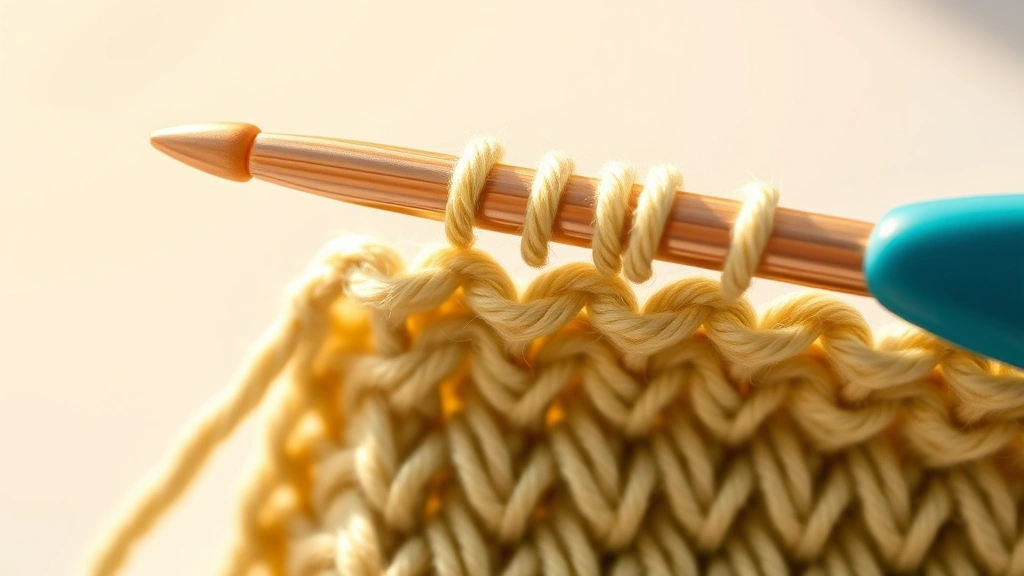
This is where things get interesting, because fiber content actually changes how your project will feel, perform, and hold up over time. Let me break down the main options you’ll encounter.
Wool is the classic choice for a reason. It’s warm, elastic, forgiving when you make mistakes, and it actually gets softer the more you wash it (in most cases). The downside? Some people find it itchy, it can pill if you’re not gentle, and it needs special care—usually hand washing in cool water. Merino wool is a finer, softer version that’s become super popular for wearables.
Acrylic is the budget-friendly option that honestly gets a bad rap. Yes, it can feel plasticky if it’s cheap acrylic, but there are some genuinely nice acrylic yarns out there now. It’s machine washable, it doesn’t require special care, and it’s perfect for practicing or making gifts for people who can’t wear wool. The catch? It doesn’t regulate temperature as well, so an acrylic sweater might feel hot in summer and cold in winter. It also doesn’t age as gracefully as natural fibers.
Cotton is breathable and perfect for summer garments, dishcloths, and amigurumi (those adorable stuffed creatures). It’s heavier than wool and doesn’t have much stretch, so projects need to be designed specifically for cotton. It can also be slippery, which takes some getting used to.
Bamboo and other plant-based fibers are silky, breathable, and often vegan-friendly. They drape beautifully and feel luxurious, but they can be pricey and sometimes tricky to work with because they’re slippery.
Most yarns you’ll find are actually blends—like a wool-acrylic mix that gives you the best of both worlds, or cotton-linen blends that are perfect for structured garments. These blends are honestly where a lot of really good value lives.
When you’re choosing fiber content, think about what your finished project actually needs to do. A baby blanket? Cotton or a soft wool blend. A winter sweater? Wool or a wool-acrylic blend. A dishcloth? Cotton all the way. Amigurumi that’ll be played with? Acrylic that’s easy to wash.
How to Match Your Yarn to Your Pattern
This is where everything comes together. You’ve found a pattern you love, and now you need to figure out if a specific yarn will actually work for it.
Step 1: Check the Pattern Requirements
Every decent pattern will tell you the yarn weight, the yardage needed, and ideally what fiber content the designer used. This is your baseline. If the pattern says “worsted weight, 1200 yards,” that’s what you’re aiming for.
Step 2: Look at the Gauge
This is the number of stitches and rows you should get in a 4-inch square using the recommended yarn and hook size. Gauge is honestly boring to swatch for, but it’s the difference between a sweater that fits and a sweater that doesn’t. If the pattern says “16 stitches and 20 rows = 4 inches,” you need to crochet a little swatch with the yarn you’re planning to use and measure it. If your gauge is off, your finished project will be the wrong size.
Step 3: Consider the Stitch Pattern
Some stitches look better in certain yarns. Delicate lace stitches need yarn that shows off the openwork—so a solid color in a smooth yarn is ideal. Textured stitches like popcorn or bobble stitches look great in chunky yarn where the texture really pops. A busy variegated yarn (one with multiple colors) can actually hide your beautiful stitch work, so it’s better saved for simpler stitches.
Step 4: Think About Maintenance
If you’re making something that’ll get a lot of use or frequent washing, you probably want yarn that’s easy to care for. Kids’ items? Machine-washable acrylic or a wool blend. Delicate shawls you’ll wear occasionally? You can get away with something that needs hand washing.
Here’s a practical example: Say you want to make a cozy sweater from Ravelry and the pattern calls for 1400 yards of DK-weight wool. You could absolutely use a wool-acrylic blend in DK weight instead—it’ll work the same way, but you’ll get the durability and easy care of acrylic mixed with some warmth from the wool. Just make sure the yardage is the same and you swatch for gauge.
Budget-Friendly Yarn Shopping Without Sacrificing Quality
Let’s be real: yarn can get expensive. A single skein of nice wool can cost $15-20, and if you’re making a project that needs 10+ skeins, that adds up fast. But there are totally legitimate ways to get quality yarn without breaking the bank.
Shop Sales and Clearance
Yarn shops and online retailers have seasonal sales. End-of-season colors go on clearance, and holiday sales can be amazing if you’re flexible about colors. Sign up for newsletters from your favorite shops—they usually announce sales to subscribers first.
Buy Yarn in Bulk
Some yarn companies and retailers offer discounts when you buy multiple skeins at once. If you know you want to make several projects, buying five skeins of the same yarn at once is often cheaper per skein than buying them one at a time.
Consider Acrylic for Practice
Honestly? There’s no shame in learning with acrylic. You’re going to make mistakes—we all do—and it’s a lot less heartbreaking to unravel and start over with a $3 skein of acrylic than with a $20 skein of merino. Once you’re confident in your skills, you can upgrade to fancier fibers.
Explore Yarn Brands at Different Price Points
Visit Craftsy or Yarnspirations to see what different brands offer. You don’t need the most expensive yarn to make something beautiful. Mid-range brands often offer incredible value.
Join a Crochet Community
Local crochet groups or online communities sometimes do yarn swaps or group purchases where you can get discounts. The Crochet Guild of America has chapters nationwide with members who share tips on where to find good deals.
Common Yarn Mistakes and How to Avoid Them
I’ve made all of these mistakes, and I bet you will too. That’s totally normal, but maybe you can skip a few by learning from my experience.
Mistake 1: Buying Yarn Before You Have a Pattern
I see this happen all the time. Someone falls in love with a gorgeous skein of yarn and buys five of them, then spends weeks trying to find a pattern that works with that yardage and weight. Work backwards instead—find your pattern first, then buy the yarn for it.
Mistake 2: Not Checking Yardage
Two skeins of “bulky weight” can have wildly different yardage. One might be 100 yards and the other 150 yards. Always check the label or product description for total yardage, not just the weight of the ball.
Mistake 3: Ignoring Fiber Content Warnings
Some yarns require special care, and if you don’t realize that until you’ve already finished your project, it’s frustrating. Read the label before you buy. If it says “hand wash only” and you’re making a baby blanket that’ll need frequent washing, choose something different.
Mistake 4: Substituting Without Swatching
Just because two yarns are the same weight doesn’t mean they’ll create the same gauge. Different fiber content, different spinning, different everything can change how your stitches look and measure. If you’re substituting yarn, swatch for gauge. It takes 20 minutes and saves you from a potentially ruined project.
Mistake 5: Not Considering Color in Context
A yarn might look beautiful in the shop, but how will it look in your actual home? Will that bright neon yarn go with anything you own? Is that dark color going to be hard to see your stitches in while you’re working? Think practically about where and how you’ll use the finished project.
The learning curve with yarn is real, but it’s genuinely not steep. After you’ve made a few projects, you’ll develop an intuition for what works and what doesn’t. You’ll know how different fibers feel in your hands, how they behave on your hook, and what finishes best. That knowledge is something you build, not something you’re born knowing.
FAQ
What’s the Best Yarn for a Beginner?
Worsted weight (4) in acrylic or a wool-acrylic blend is genuinely ideal for beginners. It’s thick enough to see your stitches clearly, it works up relatively quickly so you feel progress, and acrylic is forgiving and easy to care for. Lion Brand makes some solid beginner-friendly options that won’t break the bank.
Can I Use a Different Yarn Than What the Pattern Calls For?
You can, but you need to be thoughtful about it. The yarn weight needs to be the same (or very close), the yardage needs to be the same, and you absolutely need to swatch for gauge. Fiber content can differ—like using acrylic instead of wool—but the structure and thickness need to match.
How Do I Know If Yarn Is Good Quality?
Good quality yarn feels nice in your hands, doesn’t shed excessively, and has consistent thickness throughout. Read reviews from other crocheters (Ravelry is great for this), and don’t assume expensive always means better—some mid-range yarns are genuinely excellent.
What’s the Difference Between Yarn Weight and Yarn Thickness?
Yarn weight refers to the standardized category (0-7) based on thickness and yardage per pound. Thickness is just how thick the strand looks and feels. They’re related but not exactly the same—a yarn can be thick but still be classified as a lighter weight if it has a lot of yardage per pound.
Should I Always Buy the Exact Yarn a Pattern Recommends?
Not necessarily, but you should buy the same weight and yardage. Many designers test their patterns with multiple yarn brands and will list alternatives. If you’re substituting, make sure you understand gauge and how different fibers might change the final look or feel of your project.