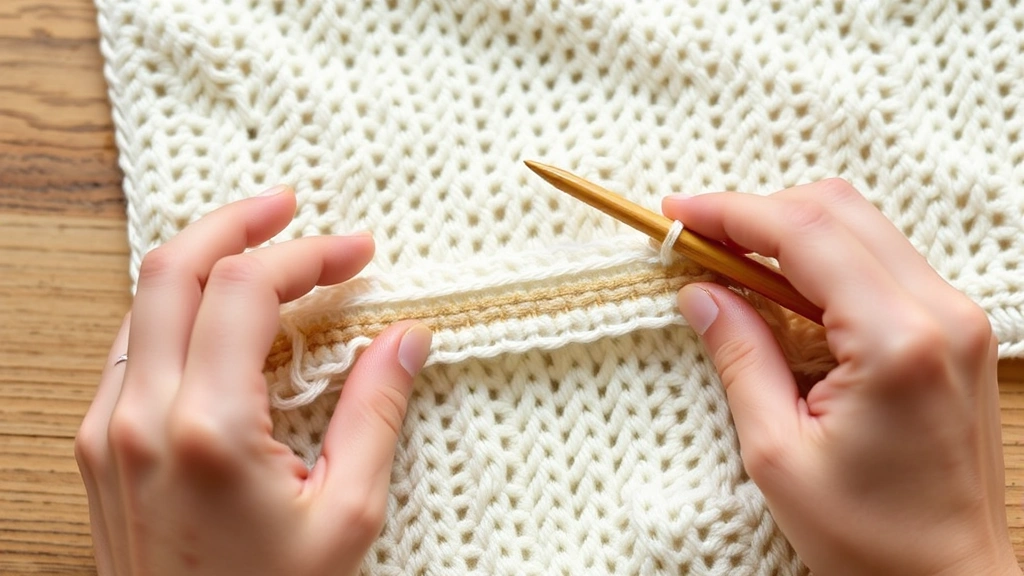
I still remember the first time I tried to make a crochet border. I’d spent weeks perfecting a gorgeous granny square blanket, and I was so excited to add that finishing touch. What I got instead was a wonky, puckered mess that made my beautiful blanket look like it had been through a washing machine accident. Sound familiar?
Here’s the thing about crochet borders – they can absolutely make or break your project. A well-executed border transforms a simple piece into something that looks professionally finished, while a poorly planned one can ruin hours of careful work. But here’s what I wish someone had told me back then: most border disasters are completely preventable once you understand a few key principles.
The truth is, adding borders isn’t just about picking a pretty stitch pattern and going for it. You need to consider your yarn choice, understand how different stitches behave, plan for the right stitch count, and know when to block. I’ve learned these lessons the hard way over the past decade, and I’m going to share everything I wish I’d known from the start.
Whether you’re working on your first baby blanket or you’re a seasoned crocheter looking to level up your finishing skills, this guide will walk you through everything you need to know about creating borders that actually enhance your projects instead of detracting from them.
Quick Answer
Successful crochet borders require proper stitch count planning, compatible yarn choices, and understanding how different border stitches behave with your base fabric. The key is working a foundation round first, then choosing borders that complement rather than fight your project’s drape and structure.
Planning Your Border Strategy
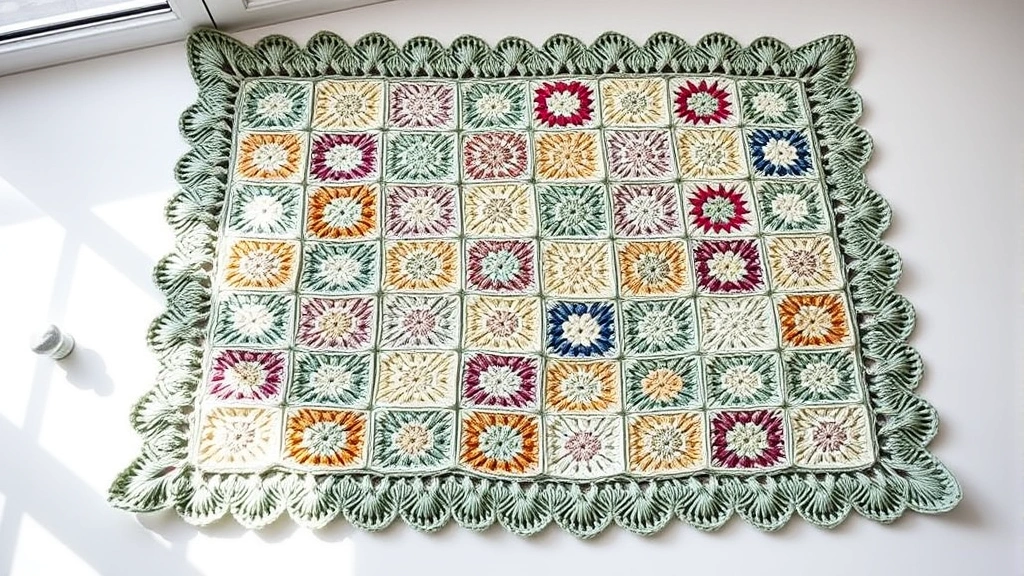
Before you even pick up your hook, you need to think about what you want your border to accomplish. Are you trying to add visual interest? Stabilize edges? Increase the size? Or maybe you’re working with granny square patterns and need something to tie all those squares together seamlessly.
I learned this lesson when I tried to add a lacy, open border to a dense, structured Afghan stitch blanket. The contrast was jarring – like putting a frilly doily on a leather jacket. The border needs to complement your project’s personality, not fight against it.
Consider Your Project’s Drape and Structure
Dense, structured projects like those made with Tunisian crochet techniques pair best with borders that have similar weight and structure. Think single crochet variations, shell stitches with consistent spacing, or geometric patterns.
Flowy, drapey projects made with looser stitches can handle more delicate borders. Picot edges, fan stitches, and lacy patterns work beautifully here because they enhance rather than compete with the fabric’s natural movement.
Pro Tip: Hold your finished project up and let it drape naturally. If it’s stiff and holds its shape, choose a structured border. If it flows and moves, go for something with more openwork.
Planning for Size and Proportion
Border width should be proportional to your project size. A 6-inch lace border might look stunning on a king-size bedspread, but it’ll overwhelm a baby hat. As a general rule, borders should be about 5-10% of your project’s smallest dimension.
For a standard throw blanket (about 50 inches wide), a 2-4 inch border looks balanced. Baby blankets work well with 1-2 inch borders, while large afghans can handle borders up to 6 inches wide.
Getting Your Stitch Count Right
This is where most people mess up, and honestly, I don’t blame them. Stitch counting for borders isn’t intuitive, especially when you’re working around corners and dealing with different stitch heights.
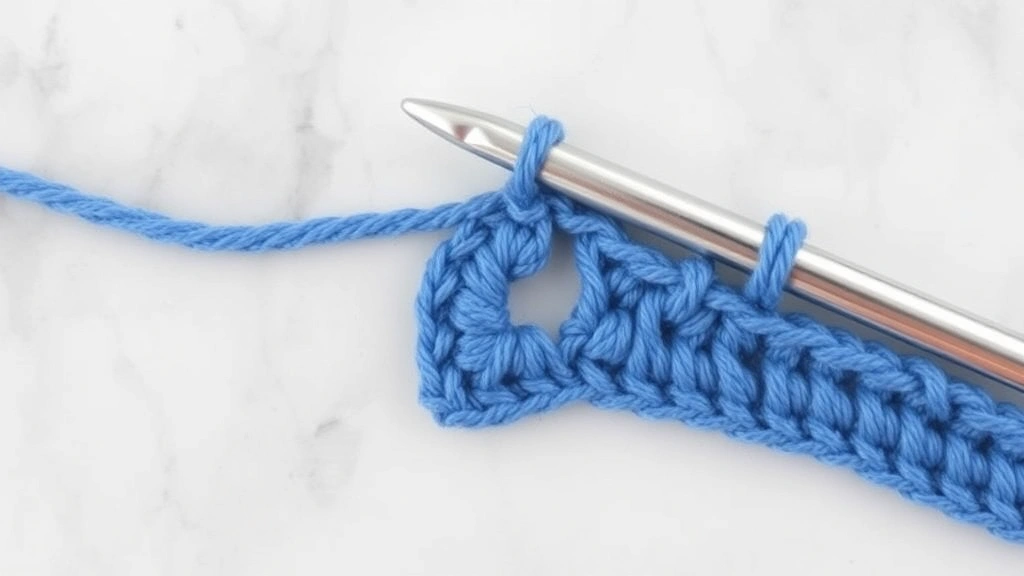
The foundation round is your best friend here. This is a simple round of single crochet that goes all the way around your project, establishing an even stitch count and creating a stable base for your decorative border.
Working the Foundation Round
Start by working single crochet evenly around your entire project. For straight edges, you’ll typically work one single crochet into each stitch or space. For row ends, the ratio depends on your base stitch:
| Base Stitch | SC per Row End | Why This Ratio |
|---|---|---|
| Single Crochet | 1 SC | Same height, direct correspondence |
| Half Double Crochet | 2 SC | HDC is about 1.5x taller than SC |
| Double Crochet | 3 SC | DC is about 2x taller than SC |
| Treble Crochet | 4 SC | TR is about 2.5x taller than SC |
At corners, work 3 single crochet into the corner stitch or space. This creates the extra fabric needed to turn the corner without puckering.
Corner Counting Tip: When you finish your foundation round, you should have a stitch count that’s divisible by 4, plus 3 extra stitches at each corner. If your math doesn’t work out, adjust by adding or skipping a stitch on the longest sides.
Testing Your Stitch Count
After completing your foundation round, lay your project flat. The edges should lie smooth without pulling in (too few stitches) or ruffling (too many stitches). If you’re seeing issues, it’s much easier to fix them now than after you’ve worked several rounds of your decorative border.
I always work a test section of my planned border pattern – usually just one repeat – to see how it behaves with my stitch count. This has saved me countless hours of frogging later.
Yarn and Hook Size Decisions
Your yarn choice for borders is more critical than you might think. I’ve seen beautiful projects ruined by borders worked in yarn that was too heavy, too light, or just incompatible with the main project.
Matching Yarn Weights
The safest choice is to use the same yarn weight as your main project. If you used worsted weight yarn for your blanket, stick with worsted weight for the border. This ensures consistent drape and washing behavior.
But sometimes you want contrast, and that’s totally fine. Just be smart about it. You can go one weight lighter for a delicate border effect, or one weight heavier for a substantial, framing border. Going more than one weight category away usually looks unbalanced.
When working with cotton yarn projects, remember that cotton has less give than acrylic or wool. Your border needs to account for this reduced stretch, especially around curves and corners.
Hook Size Strategy
Here’s something that took me years to figure out: you don’t always use the same hook size for your border as you did for your main project. The goal is to create fabric that has similar tension and drape.
If you’re using the same yarn, start with the same hook size. But if your border stitches are naturally tighter or looser than your main fabric, adjust accordingly. Shell stitches and fans tend to pull in, so you might need to go up a hook size. Dense stitch patterns might need a size smaller hook to maintain structure.
Hook Size Test: Work a small swatch of your border pattern with different hook sizes. The one that creates fabric with similar hand-feel to your main project is your winner.
Color Considerations
Color choice can make or break your border design. High contrast borders create definition and can make your project look more structured. Tonal borders (colors close to your main color) create a softer, more integrated look.
If you’re working with variegated yarn tips, be extra careful with border colors. Busy main fabric usually looks best with solid-colored borders, while solid main fabric can handle more colorful or variegated borders.
Popular Border Patterns That Actually Work
Let me share some border patterns that I’ve used successfully over the years. These aren’t just pretty – they’re practical and forgiving for different skill levels.
The Classic Shell Border
This is probably the most versatile border I know. It works on everything from baby blankets to afghans, and it’s forgiving if your stitch count isn’t perfect.
Pattern: *Skip 2 stitches, work 5 dc in next stitch, skip 2 stitches, sc in next stitch* repeat around.
The shell border adds about 1-2 inches to your project width and works best when your foundation round stitch count is divisible by 6. If it’s not quite right, you can fudge it by occasionally skipping 1 or 3 stitches instead of 2.
Single Crochet Variations
Don’t underestimate the power of simple single crochet borders. They’re perfect for projects that need stabilization without bulk, like those delicate lace crochet patterns.
Try working single crochet through the back loop only for a ridged effect, or alternate single crochet and chain-1 spaces for a slightly open border that still provides structure.
Picot Edges
Picots add a delicate, finished look that works beautifully on baby items and lightweight projects. The basic picot is simple: *sc, ch 3, sc in first chain, sc in next 2 stitches* repeat.
For a more substantial picot, try: *sc, ch 4, sc in first chain, sc in next 3 stitches* repeat. This creates little loops that add texture without bulk.
Picot Spacing Tip: Picots look best when they’re evenly spaced but not too crowded. Aim for one picot every 3-4 stitches on straight edges, and place extra picots at corners for proper shaping.
The Reliable Reverse Single Crochet
Also called crab stitch, this creates a rope-like edge that’s both decorative and functional. It’s worked from left to right (opposite of normal crochet direction), which takes some getting used to, but it creates an edge that won’t curl or stretch out of shape.
This border is perfect for projects that will get heavy use, like dishcloths, pot holders, or kids’ blankets. It adds minimal bulk but maximum durability.
Fixing Common Border Problems
Even with careful planning, borders can go wrong. Here are the most common problems I see and how to fix them.
Puckering and Pulling
If your border is pulling your project out of shape, you probably don’t have enough stitches. This is especially common when working around curves or when your border stitch pattern naturally draws in.
Fix: Add more stitches in your foundation round, especially around curves and corners. For severe puckering, you might need to frog back to the foundation round and add 10-20% more stitches.
Ruffling and Flaring
The opposite problem – too many stitches create a ruffled edge that won’t lie flat. This often happens when people follow corner instructions too literally without considering their specific project.
Fix: Remove some stitches from your foundation round, or work your border with a smaller hook to tighten things up. Sometimes switching to a border pattern with less positive ease helps too.
Inconsistent Tension
Borders worked over multiple sessions often show tension variations. This is especially noticeable in simple borders like single crochet rounds.
Prevention: Try to work each complete round in one sitting. If you must stop mid-round, mark your stopping point and pay extra attention to matching your tension when you resume.
Tension Trick: If you notice your tension changing as you work, stop and do a few practice stitches on a separate piece of yarn to get back into your rhythm before continuing on your project.
Corner Problems
Corners are where most border problems show up. Too few increases and corners pull in. Too many increases and corners flare out like little fans.
The standard “3 stitches in corner” rule works for most situations, but dense stitch patterns might need 5 stitches in corners, while very open patterns might only need 2.
Advanced Techniques for Perfect Edges
Once you’ve mastered basic borders, these advanced techniques will take your finishing skills to the next level.
Blocking Your Borders
Blocking can transform a mediocre border into a professional-looking finish. This is especially important for blocking crochet projects with lace or openwork borders.
Wet blocking works best for natural fibers, while steam blocking is safer for acrylics. Pin your project to measurements, paying special attention to keeping corners square and edges straight.
For borders with points or scallops, use blocking pins to define each point clearly. This extra step makes a huge difference in the final appearance.
Working Borders in Sections
For very large projects, consider working your border in sections and then joining them. This technique is especially useful for afghans where working continuously around the entire perimeter becomes unwieldy.
Work each side separately, then use mattress stitch or slip stitch to join the corners. This gives you better control over corner shaping and makes it easier to maintain consistent tension.
Incorporating Functional Elements
Borders don’t have to be purely decorative. Consider adding functional elements like button loops for closures, hanging loops for dish towels, or ties for baby blankets.
When planning functional borders, sketch out your design first. Functional elements need to be placed strategically and worked with stronger construction techniques than purely decorative borders.
Border Tips by Project Type
Different types of projects have specific border requirements. Here’s what I’ve learned about matching borders to project types.
Baby Items
Baby blankets and clothing need borders that are soft, washable, and won’t snag tiny fingers. Avoid borders with long loops, loose chains, or sharp points.
Simple shell borders, picot edges, and reverse single crochet all work well for baby items. Stick to the same yarn as your main project to ensure everything washes the same way.
Consider adding extra rounds of single crochet before your decorative border. This creates a stable edge that won’t stretch out with repeated washing and handling.
Afghans and Throws
Large blankets need borders that can handle their weight without stretching out of shape. Substantial borders with good structure work best here.
Multi-round borders look proportional on large projects and help distribute the weight of the blanket evenly around the edges. Consider borders that incorporate the colors from your main pattern to tie everything together visually.
When working with afghan patterns, remember that the border will be handling a lot of stress from the weight of the fabric. Choose border patterns with good structural integrity.
Garments
Garment borders need to maintain their shape through wearing and washing. They also need to complement the garment’s style and function.
Neckline borders should lie flat and not stretch out. Hem borders need enough weight to help the garment hang properly. Cuff borders need structure to maintain their shape.
Always test garment borders on a swatch first. What looks good in theory might not work when subjected to the stress of actual wear.
Garment Border Tip: For items that will be worn frequently, choose borders that look good even when slightly stretched or relaxed. Avoid borders that only look good when perfectly blocked and positioned.
Home Decor Items
Dishcloths, pot holders, and other utility items need borders that enhance function as well as form. Reverse single crochet is excellent for these items because it creates a durable edge that won’t curl.
Decorative items like doilies and table runners can handle more elaborate borders, but make sure the border doesn’t overwhelm the main design. The Craft Yarn Council has excellent guidelines for measuring and planning decorative borders.
Common Questions
How do I know if my border will lie flat before I start?
Work a foundation round of single crochet first, then test a small section of your planned border pattern. The foundation round should lie completely flat without pulling in or ruffling. If it doesn’t, adjust your stitch count before proceeding with the decorative border.
Can I use a different yarn weight for my border?
You can go one weight lighter or heavier than your main project, but be careful about drape and washing compatibility. Always work a test swatch first. Using significantly different yarn weights often creates borders that look unbalanced or behave differently when washed.
How wide should my border be?
Border width should be proportional to your project size – typically 5-10% of the smallest dimension. A baby blanket (30 inches) works well with a 1.5-3 inch border, while a throw blanket (50 inches) can handle a 2.5-5 inch border. Very large afghans can support borders up to 6 inches wide.
What’s the best border for a beginner?
Start with a simple shell border or reverse single crochet (crab stitch). Both are forgiving if your stitch count isn’t perfect, and they work on most project types. Avoid complex lace patterns or borders with strict stitch count requirements until you’re more comfortable with border basics.
How do I fix corners that won’t lie flat?
Corner problems usually stem from incorrect stitch count. Pulling corners need more stitches – try working 5 stitches in the corner instead of 3. Flaring corners have too many stitches – reduce to 2 stitches in corners or work the corner stitches with a smaller hook.
Should I block my project before or after adding the border?
Block after adding the border for the best results. The border and main fabric need to be blocked together to achieve proper integration. However, if your main project has serious shape issues, a light blocking before adding the border can help you work more accurately.
How much extra yarn do I need for borders?
Plan on 10-20% additional yarn for simple borders, 25-35% for complex or wide borders. A standard throw blanket with a 3-inch shell border typically needs about 200-300 yards of border yarn. Always buy extra – it’s heartbreaking to run out of yarn with just a few inches of border left to complete.
Can I add a border to a project I finished months ago?
Absolutely! You might need to work a foundation round first to refresh the edges and create a good base for your new border. Be prepared for slight color or dye lot differences if you’re using new yarn, and consider this an opportunity to add a complementary color rather than trying to match exactly.
Final Thoughts on Mastering Crochet Borders
Learning to create beautiful, functional borders is one of those skills that elevates your entire crochet game. It’s the difference between projects that look homemade and projects that look professionally finished. The techniques I’ve shared here come from years of trial and error – and honestly, quite a bit of frogging.
Remember that every project is different, and what works beautifully on one blanket might not be right for another. Don’t be afraid to test, adjust, and even start over if something isn’t working. The time you spend getting the border right is always worth it in the end.
Start with simple borders and work your way up to more complex designs as your confidence grows. Pay attention to how different yarns and hook sizes affect your border’s behavior, and keep notes about what works well for different project types. Before you know it, you’ll be planning borders that perfectly complement and enhance every project you make.