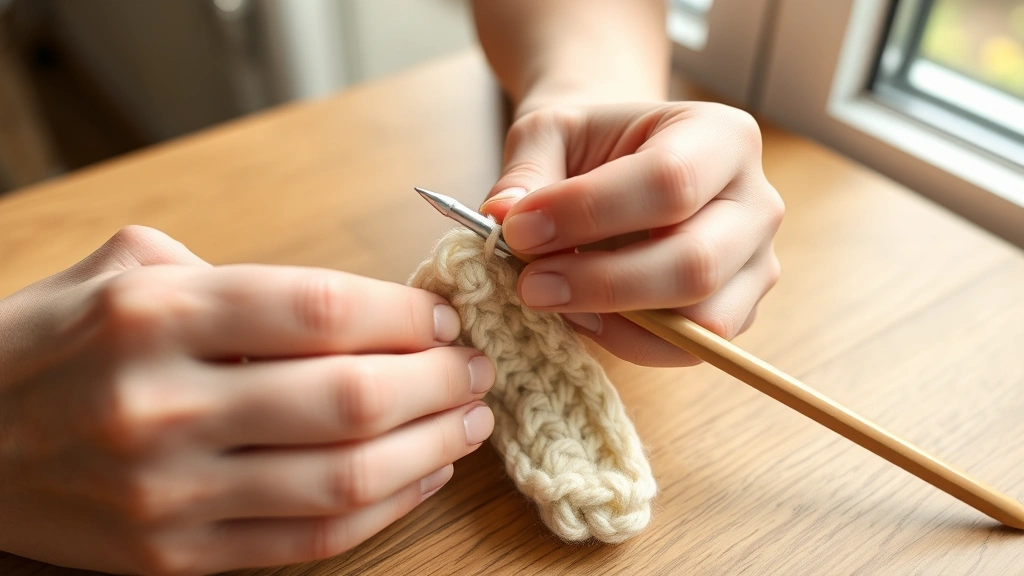
Last weekend, I was helping my neighbor Sarah learn to crochet, and she asked me something that stopped me in my tracks: “How do I know if I’m holding my hook right?” It sounds simple, but after watching her struggle with tension and hand cramps for an hour, I realized this isn’t just about comfort—it’s about everything. Your hook grip affects your speed, your stitch consistency, your hand health, and honestly, whether you’ll love crocheting or give up in frustration.
I’ve been crocheting for over fifteen years, and I’ve seen so many people quit because nobody taught them the basics properly. They think their hands are “wrong” or they’re not “crafty enough,” when really, they just need to find their grip. There are actually several ways to hold a crochet hook, and what works for your best friend might be torture for you.
The thing is, most patterns assume you already know this stuff. They jump straight into “chain 20, single crochet in second chain from hook,” but if you’re death-gripping your hook like you’re trying to stab someone, you’re going to have a rough time. Your stitches will be tight, your wrist will ache, and you’ll probably blame yourself instead of realizing it’s just technique.
Here’s what I wish someone had told me when I started: there’s no single “right” way to hold a hook. Some people use the pencil grip, others prefer the knife grip, and plenty of us switch between methods depending on what we’re making. The key is finding what feels natural for YOUR hands and gives you control without strain.
Quick Answer
Hold your crochet hook like a pencil or knife, whichever feels more natural. Keep your grip relaxed, control the hook with your thumb and index finger, and let your other fingers guide the yarn. The “right” grip is the one that doesn’t cause pain and gives you consistent stitches.
The Pencil Grip Method
The pencil grip is exactly what it sounds like—you hold your crochet hook the same way you’d hold a pencil. This is probably the most common method, especially for beginners, because it feels familiar and gives you precise control over small movements.
To use the pencil grip, place the hook between your thumb and index finger, about an inch from the hook head. Your thumb should rest on top of the hook shaft, while your index finger supports it from underneath. Your middle finger can rest against the side for extra stability, and your ring finger and pinky naturally curl under to stay out of the way.
I love the pencil grip for detail work like amigurumi projects or when I’m working with fine thread. It gives you incredible precision, which is why it’s perfect for intricate stitch patterns or when you’re learning new techniques. The downside? It can feel slow when you’re working on large projects like afghans, and some people find it causes hand fatigue during long crocheting sessions.
Pro tip: If you’re using the pencil grip, make sure you’re not gripping too tightly. Your fingers should be relaxed enough that someone could gently slide the hook out of your hand without much resistance.
The pencil grip works particularly well with lightweight hooks and finer yarns. When I’m working on thread crochet projects or using steel hooks, this grip gives me the control I need to keep my stitches even and precise.
The Knife Grip Technique
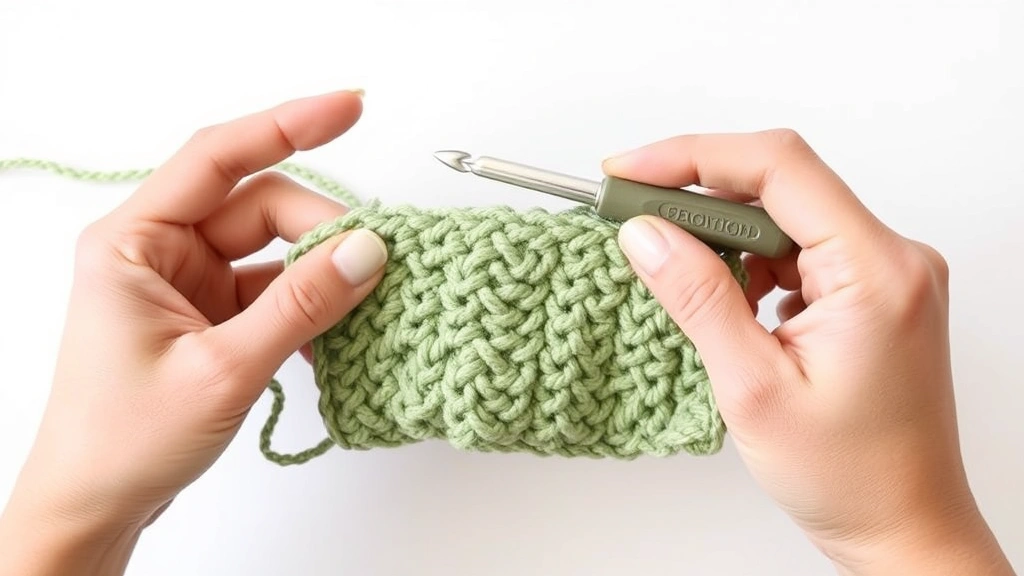
The knife grip is where you hold your hook like you’re holding a dinner knife—your entire hand wraps around the shaft, with your thumb on top and your fingers curled underneath. This method tends to feel more natural for people who do a lot of cooking or have experience with other hand tools.
With the knife grip, your thumb sits on top of the hook shaft, about an inch from the head, while your other four fingers wrap around the bottom. Your index finger does most of the work controlling the hook’s movement, while your thumb provides stability and helps guide the yarn.
This grip is fantastic for speed and power. If you’re working on large projects like crochet afghans or using bulky yarn, the knife grip lets you work faster with less hand strain. I switch to this grip when I’m doing long sessions of basic stitches—it’s much easier on my joints than the pencil grip.
The knife grip also works well with ergonomic hooks that have larger handles. Those chunky, comfortable grips are designed with this holding method in mind. If you have arthritis or hand pain, you might find the knife grip more comfortable because it distributes pressure across your whole hand instead of concentrating it in your fingertips.
Many experienced crocheters develop a hybrid grip that combines elements of both methods. Don’t be surprised if you naturally evolve your own variation as you gain experience.
Managing Yarn Tension
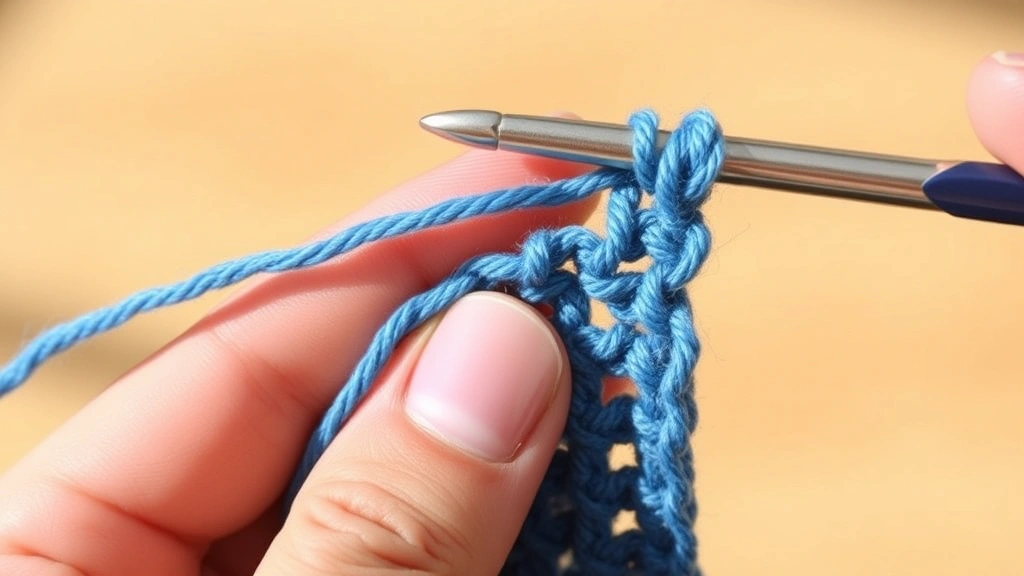
How you hold your yarn is just as important as how you hold your hook. Good yarn tension keeps your stitches consistent and makes the actual crocheting motion smooth and effortless. Poor tension leads to uneven stitches, hand cramps, and a lot of frustration.
The most common yarn-holding method involves your non-hook hand. Thread the working yarn between your pinky and ring finger, then over your index finger. Your pinky and ring finger control the tension by gently gripping the yarn, while your index finger guides it to your hook. Some people like to wrap the yarn around their pinky once for extra control.
Your yarn tension should feel like a gentle, consistent resistance—not tight enough to make your stitches difficult to work into, but not so loose that your fabric becomes sloppy. When I’m teaching beginners, I tell them to imagine they’re holding a small bird: firm enough that it can’t fly away, gentle enough that you’re not hurting it.
Different projects need different tension levels. When I’m working on baby blankets, I keep my tension slightly looser for a softer, more drapeable fabric. For structured items like bags or baskets, I tighten up my tension to create a firmer fabric that holds its shape.
Tension trick: If your stitches are too tight, try holding your hook one size larger than recommended. If they’re too loose, go down a hook size. This is easier than trying to consciously adjust your natural tension.
Common Grip Mistakes to Avoid
I see the same grip mistakes over and over again, and they’re all fixable once you know what to look for. The biggest culprit is the death grip—holding your hook so tightly that your knuckles turn white. This causes hand cramps, makes your stitches inconsistent, and honestly just makes crocheting miserable.
Another common mistake is holding the hook too close to the head or too far away. If you’re gripping right at the throat of the hook, you don’t have enough leverage and control. If you’re holding it way down the shaft, you lose precision. That sweet spot about an inch from the hook head gives you the best balance of control and comfort.
I also see a lot of people trying to control everything with their hook hand, which leads to tension problems and fatigue. Your yarn hand should be doing most of the tension work, while your hook hand focuses on the actual stitching motions. Think of it like a dance where both hands have their own jobs.
Wrist position is another big one. If you’re bending your wrist at weird angles or keeping it rigid, you’re setting yourself up for pain. Your wrist should stay in a neutral position—imagine you’re shaking someone’s hand. That natural, relaxed angle is where you want to be.
| Common Mistake | Problem It Causes | Easy Fix |
|---|---|---|
| Death grip on hook | Hand cramps, tight stitches | Relax grip, take frequent breaks |
| Holding too close to hook head | Poor control, hand fatigue | Move grip 1 inch from head |
| Rigid wrist position | Wrist pain, reduced mobility | Keep wrist in neutral position |
| All tension in hook hand | Inconsistent stitches, fatigue | Let yarn hand control tension |
Proper Hand and Wrist Position
Your hand and wrist position can make or break your crocheting experience. I learned this the hard way after a weekend of marathon crocheting left me with wrists so sore I couldn’t hold a coffee cup. Proper positioning isn’t just about comfort—it’s about preventing long-term injury and being able to crochet for hours without pain.
Keep your wrists in a neutral position, not bent up or down. If you’re working on a flat surface, make sure your project is at the right height so you’re not constantly looking down or reaching up. I use a lap desk or pillow to bring my work closer to a comfortable level.
Your shoulders should be relaxed, not hunched up around your ears. I know it’s easy to get tense when you’re concentrating on a tricky pattern, but shoulder tension travels down your arms and affects your grip. Take breaks to roll your shoulders and stretch your neck.
The angle of your work matters too. When I’m working on something like granny squares, I can keep the work flat in my lap. But for projects worked in the round, like hats or amigurumi, I need to adjust my grip and hand position as the piece grows.
Ergonomic reminder: Set a timer for every 30 minutes to stretch your hands, wrists, and shoulders. Your future self will thank you.
Lighting plays a bigger role than you might think. Poor lighting makes you lean forward and strain your neck, which throws off your whole posture. Invest in a good lamp or work near a window during the day. Your neck and shoulders will stay more relaxed when you can see clearly.
How Hook Types Affect Your Grip
Not all crochet hooks are created equal, and the type of hook you’re using can dramatically affect how you hold it. I’ve got a whole collection of different hook styles because different projects call for different tools, and what works for one person might be completely wrong for another.
Traditional aluminum hooks with small handles work well for the pencil grip but can be uncomfortable for long sessions. The narrow shaft doesn’t give your fingers much to hold onto, which is why some people find them slippery or hard to control. These are great for precision work but not ideal if you have arthritis or grip strength issues.
Ergonomic hooks with chunky handles are designed for the knife grip and can be a game-changer for people with hand pain. The larger surface area distributes pressure across your whole hand instead of concentrating it in your fingertips. I recommend these for anyone doing large projects or long crocheting sessions.
Inline hooks (where the hook head is in line with the shaft) versus tapered hooks (where the head is slightly offset) also affect your grip. Inline hooks tend to work better with a more relaxed grip, while tapered hooks give you more control with a firmer grip. When I’m working on detailed stitch patterns, I prefer tapered hooks for the extra precision.
The material matters too. Aluminum hooks are smooth and fast but can be slippery. Plastic hooks have more grip but can snag on certain yarns. Wood and bamboo hooks are warm and comfortable but might not glide as smoothly through your stitches. I keep different materials on hand for different projects and moods.
Don’t be afraid to try different hook styles until you find what works for you. What feels awkward at first might become your favorite once you adjust.
Troubleshooting Grip Problems
Even with perfect technique, you’re going to run into grip problems sometimes. The key is recognizing what’s going wrong and knowing how to fix it quickly. I’ve dealt with every grip issue you can imagine, and most of them have simple solutions.
If your hand is cramping, you’re probably gripping too tightly or working for too long without breaks. Loosen your grip and shake out your hands every few rows. Sometimes switching between the pencil and knife grip mid-project can give different muscles a break.
Inconsistent stitch size usually comes from tension problems, not grip problems. But if your grip is changing as you work—getting tighter when you’re concentrating or looser when you’re tired—that will affect your stitches. Pay attention to your grip and consciously reset it when you notice changes.
Hook slipping out of your hand is usually a sign that your grip is too light or your hands are too dry. Some people like to use a small piece of rubber shelf liner wrapped around their hook for extra grip. Others prefer hooks with textured handles or grip tape.
If you’re getting calluses or sore spots, you’re probably holding your hook in the same place every time and creating pressure points. Try moving your grip slightly up or down the shaft, or switch to a hook with a more comfortable handle. When I’m working on big projects like throw blankets, I sometimes use medical tape on my fingers to prevent hot spots.
- Assess the Problem
Stop and identify exactly what’s uncomfortable. Is it your grip hand, your yarn hand, your wrist, or your shoulders? Different problems need different solutions.
- Adjust Your Position
Change your grip style, move your hands, or adjust your seating position. Sometimes a small change makes a big difference.
- Take a Break
Stretch your hands and wrists, roll your shoulders, and give your muscles a chance to reset. Even a 30-second break can help.
- Try Different Tools
Switch to a different hook style or size. Sometimes the tool is the problem, not your technique.
Common Questions
Should I use the pencil grip or knife grip as a beginner?
Start with whichever feels more natural. Most beginners gravitate toward the pencil grip because it’s familiar, but if you have experience with kitchen knives or tools, the knife grip might feel better. You can always switch later as you develop your own style.
How tight should I hold my crochet hook?
Your grip should be firm enough to control the hook but relaxed enough that someone could gently slide it out of your hand. Think “confident but not desperate.” If your knuckles are white or your hand cramps after a few minutes, you’re holding too tight.
Why do my stitches look different even when I use the same yarn and hook?
Inconsistent grip pressure and yarn tension are usually the culprits. Your grip might be changing as you get tired or more focused. Pay attention to keeping both your hook grip and yarn tension consistent throughout your project.
Can I switch grip styles in the middle of a project?
Absolutely! Many experienced crocheters switch between grips depending on what they’re doing. Just be aware that changing your grip might slightly change your tension, so your stitches might look a little different. This usually evens out after a few rows.
What should I do if my hand cramps while crocheting?
Stop immediately and stretch your hands and wrists. Shake them out, make fists and release, and rotate your wrists gently. If cramping is a regular problem, you’re probably gripping too tightly or need more frequent breaks. Consider trying ergonomic hooks or grip aids.
Are ergonomic hooks worth the extra cost?
If you have hand pain, arthritis, or do a lot of crocheting, yes. Ergonomic hooks can make a huge difference in comfort and reduce fatigue. They’re especially helpful for large projects or when you’re working with cotton yarn that can be tough on your hands.
How do I know if I’m holding my yarn correctly?
Your yarn should flow smoothly to your hook with gentle, consistent tension. If you’re constantly adjusting your yarn hand or your stitches are wildly different sizes, your yarn hold needs work. The yarn should never feel like you’re fighting it.
Should children learn a different grip than adults?
Children’s smaller hands might find certain grips more comfortable, but the same basic principles apply. Let them try both the pencil and knife grip to see what works. Child-sized hooks with comfortable handles can make a big difference in their success and enjoyment.
Learning to hold your crochet hook properly isn’t just about following rules—it’s about finding what works for your hands, your projects, and your crocheting goals. I’ve watched too many people give up on crochet because they thought they were “doing it wrong,” when really they just needed to adjust their grip or try a different approach.
Remember that your grip might evolve as you gain experience. What feels awkward now might become second nature in a few weeks. And what works perfectly for basic stitches might need adjustment when you tackle more complex techniques like colorwork or Tunisian crochet.
The most important thing is to stay relaxed and take breaks. Your hands are doing intricate, repetitive work, and they need rest and care. Pay attention to what your body is telling you, and don’t push through pain. Good technique should make crocheting more enjoyable, not less.
Now grab your hook and yarn, and practice these grips with some simple stitches. Start with whatever feels most natural, and don’t be afraid to experiment. Your perfect grip is out there waiting for you to discover it. Happy crocheting!