Beginner’s Guide to Choosing the Perfect Crochet Yarn for Your Projects
There’s something magical about walking into a yarn shop or scrolling through an online store and seeing all those gorgeous colors and textures just calling your name. But if you’re new to crochet, that magic can quickly turn into overwhelm when you’re staring at a wall of yarn trying to figure out what the heck you actually need. Trust me, I’ve been there—standing frozen in the yarn aisle wondering if you should grab the fuzzy stuff, the shiny stuff, or that beautiful hand-dyed yarn that costs more than your coffee habit.
The truth is, picking the right yarn isn’t as complicated as it seems, and I’m here to walk you through it in a way that actually makes sense. Whether you’re planning to make a cozy blanket, a fitted sweater, or just a simple scarf to practice your stitches, the yarn you choose can make or break your entire project. It affects how easy your crochet work flows, how your finished piece looks and feels, how much it costs, and honestly, how much you’ll enjoy making it. So let’s talk about this together and get you set up with yarn that’ll make you excited to pick up your hook.
Understanding Yarn Weight and What Those Numbers Mean
Okay, so you’ve probably noticed that yarn comes in different thicknesses, and there’s actually a standardized system for this called yarn weight. The Craft Yarn Council established a numbering system from 0 (lace) all the way up to 7 (jumbo), and understanding this is genuinely your first step toward picking the right yarn.
Weight 0 and 1 (Lace and Fingering): These are your delicate, thin yarns. They’re gorgeous for intricate shawls and lacy garments, but honestly? They can be tricky for beginners because you’re working with such fine thread. Every mistake shows, and your projects take forever. I’d skip these until you’re feeling confident.
Weight 2 and 3 (Fine and Light Worsted): Now we’re getting into territory that’s actually beginner-friendly. Sport weight and DK weight yarns create beautiful drape and are perfect for garments that fit well. They work up slower than thicker yarns, but they’re forgiving enough that you won’t want to pull your hair out.
Weight 4 (Worsted/Medium): This is the sweet spot for most crocheters. Worsted weight is thick enough that you can see your stitches clearly, it works up reasonably fast, and it’s available in literally every color and fiber combination you can imagine. If you’re making your first blanket or sweater, this is probably your yarn. Ravelry, the massive pattern and yarn database, is basically built around worsted weight projects because they’re so popular.
Weight 5 and 6 (Bulky and Super Bulky): These chunky yarns are fantastic for fast projects—you can whip up a blanket in a weekend. They’re also great for beginners because your stitches are huge and easy to see. The downside? They can look a bit stiff if you’re not careful with your stitch tension, and they’re not ideal for fitted garments.
Weight 7 (Jumbo): We’re talking arm-knitting territory here. These are fun for statement pieces and quick projects, but they’re pretty niche.
Here’s the thing though: the yarn weight recommendation on a pattern isn’t just a suggestion. The designer tested their pattern with a specific weight because it creates the right drape, the right finished size, and the right aesthetic. If you swap in a different weight, your project will likely come out a different size, and it might not look quite right. That’s not to say you can never substitute—just that you need to be intentional about it and understand the math behind it. Check out our guide on how to calculate yarn yardage if you want to learn how to make smart substitutions.
Fiber Content: Natural vs. Synthetic and Everything Between
This is where things get really interesting, because the fiber you choose changes literally everything about your project. Let’s break down the main categories.
Wool: This is the classic choice, and for good reason. Wool is warm, it holds its shape beautifully, it’s durable as heck, and it has this lovely natural elasticity that makes it super forgiving when you’re learning. The downside? Some people are itchy from wool (myself included, unfortunately), and it requires gentle washing. Merino wool is a softer, less itchy version that costs a bit more but might be worth it if regular wool makes you uncomfortable. Yarnspirations has tons of patterns specifically designed for wool, if you want inspiration.
Cotton: If you’re making something for warm weather—a summer tank top, a baby blanket, a dishcloth—cotton is your friend. It’s breathable, it washes beautifully, and it’s perfect for lighter garments. It’s not stretchy like wool, so your finished pieces might be a tiny bit stiffer, but that’s honestly fine for most projects. Cotton can also be budget-friendly, which is nice.
Acrylic: Let’s be real: acrylic has a reputation among serious fiber artists, but it’s actually amazing for beginners, and I’m going to defend it here. Acrylic is affordable (which means you can practice without breaking the bank), it comes in every color imaginable, it’s machine washable, and it’s durable. Yes, it doesn’t breathe like natural fibers, and no, it won’t develop that gorgeous patina that wool does. But for a beginner’s first blanket or practice projects? Acrylic is totally legitimate. Brands like Red Heart and Caron make excellent acrylic yarns that crochet beautifully.
Blends: This is where it gets fun. A wool-acrylic blend gives you the durability and affordability of acrylic with some of the elasticity of wool. A cotton-acrylic blend is breathable but still machine washable. Experimenting with blends is how you figure out what you actually like working with.
Specialty Fibers: Bamboo, linen, alpaca, silk, mohair—these all have different properties and different price points. Alpaca is incredibly soft and warm, linen is perfect for structured garments, silk has beautiful drape. These are fun to experiment with once you’ve got the basics down, but they can be pricey, so maybe save them for a special project.
Here’s my honest take: your first few projects should probably be in a yarn that feels good in your hands and doesn’t cost so much that you’ll panic if you have to rip it back and start over. That’s usually acrylic or a wool blend in worsted weight. Once you know what you like and you’ve built up your confidence, you can start exploring fancier fibers.
The Importance of Yarn Yardage and How to Calculate It
Yardage is literally how much yarn you’re getting, measured in yards (or meters). This is crucial because if a pattern calls for 800 yards and you only buy 400 yards, you’re going to run out mid-project, and that’s a bummer.
Here’s how to figure out what you actually need: First, check your pattern. It should clearly state the yardage required. If it doesn’t, you can estimate based on finished size—a baby blanket might need 800-1200 yards, an adult blanket might need 2000-4000 yards, and a sweater varies wildly depending on size but usually falls somewhere between 800-2500 yards.
Now here’s the important part: yardage isn’t the same as weight. Two yarns might both be 100 grams, but one could have 200 yards and the other could have 600 yards, depending on how thick the yarn is. This is why you always check the yardage, not just the grams. The label will tell you both.
Let’s say you’re making a blanket that calls for 1500 yards of worsted weight yarn. You find a yarn you love that has 180 yards per skein. Do the math: 1500 divided by 180 equals about 8.3 skeins. So you’d want to buy 9 skeins to be safe (always round up). If you’re buying in-person, grab 10 to account for dye lot variations and just to have a little extra for finishing.
Speaking of dye lots: if your yarn is hand-dyed or comes from a limited batch, the dye lot matters. Two skeins from the same dye lot will match perfectly. Two skeins from different dye lots might be slightly different in color. For large projects, you want to use yarn from the same dye lot throughout. Check the label before you buy.
Budget-Friendly Yarn Options Without Sacrificing Quality
I’m going to be honest: yarn can get expensive, especially when you’re making a big blanket or a sweater. But there are absolutely ways to make beautiful things without spending a fortune.
Shop the Sales: Yarn goes on sale. A lot. Sign up for email lists from your favorite shops, follow them on social media, and watch for seasonal sales. You can get high-quality yarn for 30-50% off if you’re patient.
Buy Store Brands: Target, Walmart, and craft stores like Michaels carry their own yarn brands, and honestly? They’re often really good. They’re not as fancy as indie dyed yarns, but they’re reliable, affordable, and totally fine for learning and making projects you’ll love.
Check Out Discount Yarn Sites: Websites dedicated to selling overstock and discontinued yarns can be goldmines. You might not get exactly what you want, but if you’re flexible, you can find incredible deals. Just be careful about return policies.
Join a Yarn Club or Swap Group: Some local crochet communities have yarn swaps where people trade or sell their stash. You might find amazing deals and meet other crocheters in the process, which is honestly worth more than the yarn savings.
Invest in Quality Where It Matters: I’m not saying buy the cheapest yarn for everything. But be strategic. If you’re making a blanket you’ll use every day, maybe splurge on yarn that feels nice and will hold up. If you’re practicing a new stitch, absolutely use budget-friendly yarn. You don’t need to feel guilty about either choice.
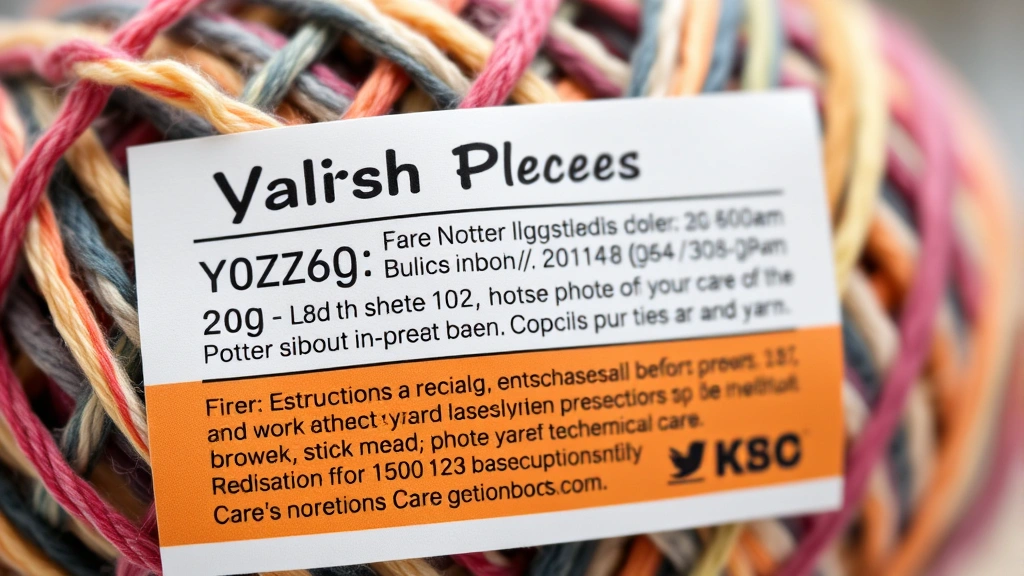
How to Read Yarn Labels Like a Pro
Yarn labels pack a lot of information into a tiny space, and once you know what you’re looking at, they become super helpful.
The Essentials: Weight (the thickness), yardage (how much you’re getting), fiber content (what it’s made of), and care instructions (how to wash it). These are non-negotiable. If a label doesn’t have these, it’s sketchy.
Recommended Hook Size: This is a suggestion based on what will create a nice fabric with that yarn. You don’t have to follow it exactly—some people like to hook tighter or looser—but it’s a good starting point.
Dye Lot: Usually a number or code. All skeins with the same dye lot will match. Different dye lots might not.
Yardage Per Skein/Ball: This is how much yarn is in each individual ball. If it says 180 yards per skein and you need 1500 yards total, you’re doing that math we talked about earlier.
Care Instructions: These symbols might look like ancient hieroglyphics, but they’re telling you how to wash and care for your finished project. A hand-wash-only yarn is beautiful but requires more maintenance. A machine-washable yarn is more practical for everyday items.
Fiber Blend: If it’s 60% acrylic and 40% wool, that blend is going to behave differently than 100% wool. The label should break this down by percentage.
Pro tip: Take a photo of the label before you leave the store or remove it from the package. You’ll need this information if you run out of yarn and need to buy more, or if you’re troubleshooting problems later.
Testing Yarn Before You Commit to a Full Project
Here’s something I wish someone had told me when I was starting out: you don’t have to buy five skeins of a yarn you’ve never worked with before. Test it first.
The Swatch Method: Buy a single skein and crochet a small swatch using the recommended hook size and your planned stitch. Work it for maybe 10 minutes. How does the yarn feel? Does it split easily? Is it creating the texture you want? Does it feel good in your hands? This tells you so much.
Wash and Dry It: Wash your swatch the way you’d wash the finished project. Does the yarn hold its shape? Did the color bleed? Is it softer after washing or stiffer? This matters, especially if you’re planning to wear whatever you’re making.
Check the Drape: Hang your swatch and see how it drapes. Some yarns create beautiful flowing fabric, others are more structured. Neither is wrong—it depends on what you’re making.
Trust Your Gut: If something feels off about the yarn, it probably is. You’re going to spend hours with this yarn, so it needs to feel good. If you don’t love it after the swatch, don’t buy it for a full project. There are literally thousands of other options.
” alt=”Close-up of hands holding various yarn textures and colors in natural light”/>
Common Beginner Mistakes to Avoid
Let me share some things I see beginners do that make their lives harder than they need to be.
Buying Based on Price Alone: The cheapest yarn isn’t always the best value. Sometimes spending a couple dollars more gets you yarn that’s easier to work with and creates a better finished product. It balances out.
Not Buying Enough: Always buy a little extra. Dye lots change, you might need to rip back, and having extra yarn means you’re not panicking midway through. An extra skein is usually worth the peace of mind.
Ignoring Fiber Content: A yarn that looks gorgeous might be made of something that doesn’t work for your project. Cotton for a winter sweater? Not ideal. Wool for a summer tank? Probably too warm. Read those labels.
Skipping the Swatch: I know swatching feels like a waste of time when you’re excited to start your project, but it genuinely saves you from buying yarn that won’t work. Spend 15 minutes on a swatch. Your future self will thank you.
Not Considering Care: If you’re making something for a baby or a toddler, you probably want yarn that’s machine washable. If you’re making a delicate shawl, hand-wash-only is fine. Think about who’s going to use this and how they’ll care for it.
Where to Buy Yarn and Build Your Stash
There are so many options for buying yarn these days, and each has its own vibe.
Local Yarn Shops: These are incredible. You can feel the yarn, get personalized advice, and support a small business. Plus, the community aspect is real—you’ll meet other crocheters and might find local groups or classes.
Big Box Craft Stores: Michaels, Joann, Hobby Lobby—these have huge selections and frequent sales. Their store brands are solid, and you can usually find what you need quickly.
Online Specialty Shops: There are hundreds of online yarn retailers. Some specialize in luxury fibers, others in indie-dyed yarns, others in budget options. Browse around and find shops that match your style and budget.
Fiber Arts Communities: Check out organizations like the Crochet Guild of America for local chapters, yarn recommendations, and community connections. Having a community makes this hobby so much richer.
When you’re building your stash (and you will, because yarn is addictive), think about versatility. Neutral colors work with everything. A good worsted weight in a classic shade will work for multiple projects. You can always add fun colors once you have a foundation.
” alt=”Organized yarn stash in a basket with different colored and textured balls neatly arranged”/>
FAQ
What’s the best yarn for a beginner?
Worsted weight yarn in acrylic or a wool blend is perfect for beginners. It’s affordable, forgiving, comes in tons of colors, and you can see your stitches clearly as you work. Brands like Red Heart, Lion Brand, and Caron are reliable choices.
Can I use any yarn with any crochet pattern?
Technically, you can substitute different yarn, but you need to be careful about yardage and weight. If you swap yarn, your finished project might come out a different size or have a different drape. Always check the yardage requirement and choose a yarn with similar weight to what the pattern calls for.
How do I know if yarn is good quality?
Good quality yarn feels nice in your hands, holds its shape, doesn’t pill easily, and maintains its color after washing. Read reviews on Ravelry before buying something new, and always do a swatch test if you’re unsure.
Is expensive yarn worth it?
Sometimes. Luxury yarns like cashmere or hand-dyed merino are beautiful and special, but they’re not necessary for making great projects. A well-chosen mid-range yarn will serve you better than an expensive yarn you don’t actually enjoy working with. Invest in quality where it matters to you.
What should I do if I run out of yarn?
This is why taking a photo of the label is important. Try to buy the same dye lot if possible. If that’s not available, you can sometimes find the yarn online or at other shops. If you absolutely can’t find it, you might need to finish with a different yarn or adjust your project. This is a learning experience, not a failure.
How should I store my yarn stash?
Keep it in a cool, dry place away from direct sunlight (which can fade colors) and away from moisture. Some people use clear plastic bins so they can see what they have, others use baskets or yarn bowls. The key is keeping it organized so you know what you’ve got and can find things easily.