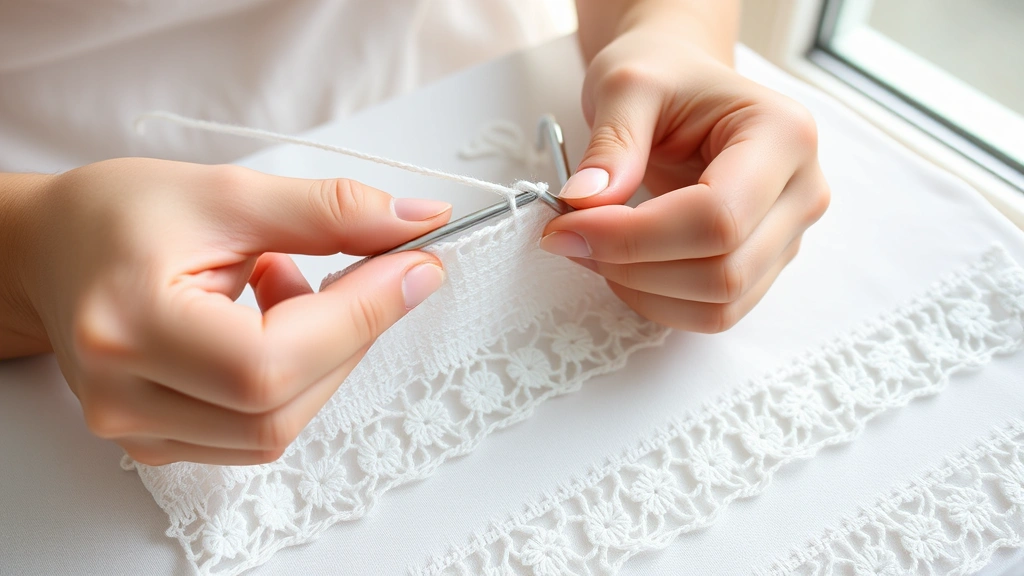
I still remember the first time I tried to crochet lace – what a disaster! My tension was all wrong, I couldn’t read the pattern symbols, and my “delicate” doily looked more like a fishing net. But here’s the thing about lace crochet: once you get the hang of it, it becomes absolutely addictive. There’s something magical about watching intricate patterns emerge from simple loops of thread.
If you’ve been intimidating yourself out of trying lace crochet, I totally get it. Those patterns look impossibly complex, and the thread seems so fragile compared to the chunky yarn we’re used to. But I’m here to tell you that lace crochet isn’t just for grandmothers with decades of experience – it’s totally doable for anyone willing to slow down and pay attention to their stitches.
The key difference between regular crochet and lace work isn’t just the thread size (though that matters). It’s about precision, patience, and understanding that every single stitch counts. Unlike amigurumi projects where a slightly wonky stitch might not show, lace work reveals everything. But don’t let that scare you – it just means you’ll become a better crocheter overall.
What I love most about lace crochet is its versatility. You can create everything from delicate table runners to stunning shawls, and the finished pieces have this heirloom quality that makes them perfect gifts. Plus, lace thread is relatively inexpensive, so you can practice without breaking the bank.
Quick Answer
Lace crochet uses fine thread (size 10-30) and smaller hooks (1.5-2.25mm) to create delicate, openwork patterns. Start with size 10 cotton thread, a 1.75mm hook, and simple patterns like basic doilies. Focus on consistent tension and accurate stitch counts – every stitch matters in lace work.
Essential Supplies for Lace Crochet
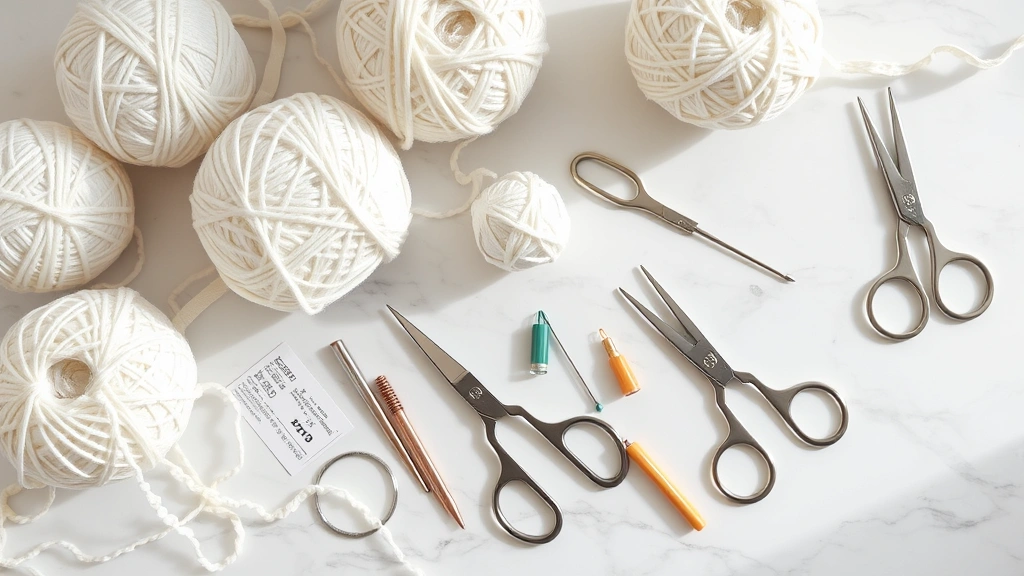
Let’s talk about what you actually need to get started. The good news is that lace crochet doesn’t require a huge investment – the essential supplies are pretty minimal, but choosing the right ones makes a massive difference in your experience.
Your basic toolkit should include steel crochet hooks in sizes 1.5mm to 2.25mm (US sizes 7 to B-1), cotton crochet thread in size 10 or 20, small scissors for precise cutting, and good lighting. I can’t stress the lighting enough – you’ll strain your eyes trying to work with white thread under poor lighting.
For hooks, I recommend starting with a 1.75mm (US size 4) steel hook. It’s forgiving enough for beginners but small enough to create proper lace fabric. Different hook sizes will give you different results, but this size hits the sweet spot for learning.
Pro tip: Invest in a hook with a comfortable grip. Your fingers will thank you during those longer lace sessions. I prefer hooks with soft-grip handles – they prevent cramping and give you better control.
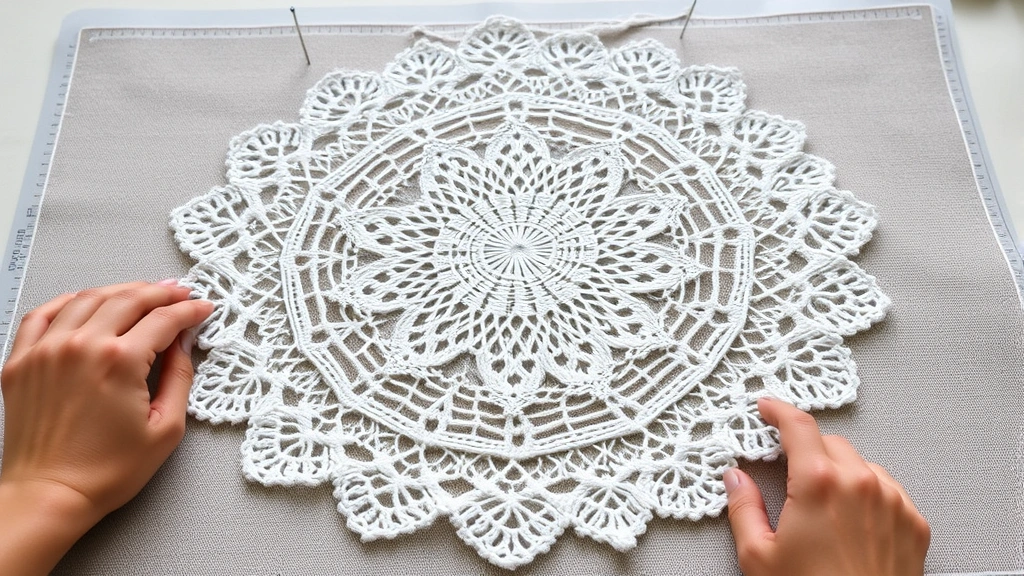
You’ll also want a blocking board and rust-proof pins for finishing. Lace pieces need to be blocked to show their true beauty, and proper blocking can transform a crumpled mess into a stunning masterpiece. A foam board covered with a towel works fine for beginners, but dedicated blocking mats are worth the investment if you plan to make lace regularly.
Don’t forget about storage! Lace thread tangles easily, so invest in a small basket or container to keep your supplies organized. I use small plastic containers with snap lids – they keep everything tidy and portable.
Choosing the Right Thread
Thread selection can make or break your lace project, and there are more options than you might expect. The most common choice is mercerized cotton thread, which has a lovely sheen and holds its shape well. Thread weights range from size 3 (thick) to size 100 (incredibly fine), but beginners should stick to size 10 or 20.
Size 10 thread is perfect for learning – it’s thick enough to see your stitches clearly but fine enough to create proper lace fabric. Popular brands include Aunt Lydia’s Classic Crochet Thread and Red Heart Aunt Lydia’s, both readily available and affordable. I always recommend starting with white or ecru thread because it shows stitch definition clearly.
Size 20 thread creates more delicate work but requires better tension control. Once you’re comfortable with size 10, moving to size 20 opens up more intricate pattern possibilities. The Lion Brand 24/7 Cotton thread is excellent for this weight.
Thread Characteristics to Consider
Mercerized cotton gives you the best stitch definition and blocks beautifully. It’s also colorfast and machine washable, making it practical for items that will be used regularly. Avoid stretchy threads when learning – they make it harder to maintain consistent tension.
Some crocheters love working with linen thread for its natural texture, but it can be harder to work with initially. Silk thread creates gorgeous results but is more expensive and requires careful handling. Stick with cotton until you’re confident in your techniques.
| Thread Size | Best Hook Size | Ideal For | Skill Level |
|---|---|---|---|
| Size 10 | 1.75mm (US 4) | Learning, placemats | Beginner |
| Size 20 | 1.5mm (US 6) | Doilies, edgings | Intermediate |
| Size 30 | 1.25mm (US 8) | Fine doilies | Advanced |
Hook Selection and Handling
Steel hooks feel different from aluminum or plastic hooks, and that difference affects your entire crocheting experience. They’re heavier, which actually helps with control, but they can feel cold and slippery at first. The key is finding hooks that feel comfortable in your hands for extended periods.
I prefer hooks with ergonomic handles, especially for lace work where you’ll be making smaller, more precise movements. The Knit Picks Caspian hooks are excellent for this – they have comfortable grips and smooth steel tips that glide through thread easily.
Your hook grip matters more in lace crochet than in regular crochet. Hold the hook closer to the tip than you would with a larger hook, and use lighter pressure. Think of it like holding a pencil for detailed drawing rather than gripping a marker for broad strokes.
Here’s something I wish someone had told me earlier: rotate your hook slightly as you work. This prevents the thread from twisting and creates more even stitches. It feels awkward at first, but it becomes natural with practice.
Hook maintenance is crucial too. Steel hooks can develop rough spots that snag thread, so inspect them regularly. A light sanding with fine-grit sandpaper can smooth out rough areas, but be gentle – you don’t want to change the hook’s diameter.
Fundamental Lace Techniques
Lace crochet builds on basic stitches you already know, but the execution needs to be more precise. Your crochet tension becomes critical – too tight and your lace won’t drape properly, too loose and it looks sloppy.
The foundation of most lace work is the chain space. Instead of working stitches directly into other stitches, you’ll often work into chain spaces, creating the open, airy quality that defines lace. Practice making consistent chain spaces – they should be loose enough to easily work into but not so loose they look messy.
Essential Lace Stitches
Start with basic single crochet, double crochet, and treble crochet, but focus on making them perfectly even. In lace work, inconsistent stitch height is immediately obvious. Practice your double crochet technique until it’s completely automatic.
Picots are another fundamental element. A basic picot is made by chaining 3-4 stitches and slip stitching back into the first chain. They add decorative elements and create the delicate points that make lace so appealing.
Chain loops are everywhere in lace patterns. A chain-5 loop might connect two double crochets, creating an arch effect. The key is keeping these loops consistent in size and tension throughout your work.
Reading Lace Patterns and Charts
Lace patterns can be written in text form or presented as charts, and honestly, charts are usually easier once you get used to them. Each symbol represents a specific stitch or technique, and the visual layout shows you exactly where everything goes.
Start by familiarizing yourself with common symbols: a circle for chain, a vertical line for single crochet, a T-shape for double crochet. The Craft Yarn Council has standardized many of these symbols, making patterns more consistent across designers.
When reading written patterns, pay attention to the round or row numbers. Lace patterns often have specific increases and decreases that create the shaping, and missing a round can throw off the entire piece. I always use a row counter or make tick marks on my pattern to track my progress.
Understanding Pattern Repeats
Most lace patterns work in repeats – a section of stitches that’s repeated around the circle or across the row. The repeat might be marked with asterisks (*work from * to * around) or brackets. Understanding where repeats begin and end is crucial for maintaining the pattern integrity.
Some patterns include stitch counts at the end of each round. Use these! If your count doesn’t match, you’ve made an error somewhere. It’s much easier to fix mistakes as you go rather than trying to figure out what went wrong after completing several rounds.
Perfect First Projects
Your first lace project should be simple but satisfying. I always recommend starting with a basic doily – not because they’re old-fashioned, but because they teach you fundamental lace construction in a manageable size.
A 6-inch doily using size 10 thread is perfect for beginners. You’ll practice working in rounds, creating chain spaces, and maintaining even tension. Plus, if you mess up, you haven’t invested weeks of work. Look for patterns with mostly double crochet and chain spaces – avoid complex stitch combinations for your first attempt.
After mastering a basic doily, try a simple edging. Adding lace edging to a crocheted dishcloth or pillowcase gives you practice working lace as an accent rather than the main event. It’s also more immediately useful than a doily!
Project suggestion: Try the “Pineapple Doily” pattern – it’s a classic that teaches you picots, chain loops, and basic shaping. Most craft stores carry this pattern, and there are countless free versions online.
Building Your Skills Progressively
Once you’re comfortable with basic techniques, try a simple shawlette. These smaller shawls are perfect for practicing increases while creating something wearable. The Ravelry database has thousands of free lace patterns sorted by difficulty level.
Avoid jumping to complex patterns too quickly. Each project should introduce one or two new techniques while reinforcing skills you’ve already learned. This approach builds confidence and prevents frustration.
Troubleshooting Common Issues
Let’s address the elephant in the room – lace crochet can be frustrating, especially when you’re learning. The most common problem I see is inconsistent tension. Unlike granny squares where slight variations add character, lace demands consistency.
If your work is curling or cupping, your tension is too tight. If it’s ruffling or looking floppy, you’re working too loosely. The solution is practice and paying attention to how your thread feels as you work. Consistent tension comes from muscle memory, which only develops with repetition.
Fixing Mistakes Without Starting Over
Dropped stitches in lace work can be devastating, but they’re not always project-killers. If you catch a mistake within a few stitches, you can usually work backward carefully. Use a smaller hook to pick up dropped stitches, and don’t be afraid to rip out work if necessary – it’s better than living with a obvious mistake.
Keep your stitch markers handy when working complex patterns. Place markers at pattern repeats or important points – they’ll help you catch mistakes quickly and make fixing them much easier.
Thread breaks happen, especially with fine threads. Don’t panic! You can usually join new thread at the beginning of a round or at an inconspicuous spot. Weave in the ends carefully – they’re more visible in lace work than in regular crochet.
Common Questions
What’s the best thread size for absolute beginners?
Start with size 10 cotton crochet thread and a 1.75mm (US size 4) steel hook. This combination is forgiving enough for learning while still creating proper lace fabric. Size 10 thread is thick enough to see your stitches clearly, making it easier to spot and correct mistakes. Brands like Aunt Lydia’s Classic or Red Heart Aunt Lydia’s are widely available and affordable.
How long does it take to complete a beginner lace project?
A simple 6-inch doily typically takes 8-12 hours for a beginner, spread over several sessions. Don’t rush – lace work requires concentration and precision. I recommend working in 1-2 hour sessions to prevent eye strain and maintain consistent tension. Your speed will improve significantly with practice.
Can I use regular yarn instead of thread for lace patterns?
While you can adapt lace patterns for regular yarn, the results won’t have the same delicate, openwork quality that defines true lace. If you want to practice lace techniques with yarn, use a fingering weight (size 1) yarn with a larger hook. The stitches will be more visible, making it easier to learn the techniques before transitioning to thread.
How do I block lace properly?
Blocking is essential for lace – it transforms your work from a crumpled mess into a beautiful, structured piece. Soak your finished piece in cool water for 10-15 minutes, then gently squeeze out excess water (never wring). Pin it to a blocking board, stretching it to the correct measurements. Use rust-proof pins and let it dry completely before unpinning. This process opens up the lace pattern and gives it proper drape.
What’s the difference between lace crochet and regular crochet?
Lace crochet uses much finer thread (typically size 10-30) and smaller steel hooks (1.25-2.25mm) compared to regular crochet. The techniques focus on creating openwork patterns through chain spaces, picots, and strategic stitch placement. Tension control is more critical, and every stitch must be precise since mistakes are highly visible in the open fabric structure.
How much thread do I need for a typical doily?
A 6-inch doily usually requires 50-75 yards of size 10 thread, while a 12-inch doily needs 150-200 yards. Size 20 thread requires slightly more yardage due to the increased stitch count needed for the same coverage. Always buy an extra ball of thread – dye lots can vary, and running out mid-project is frustrating when you can’t match the color exactly.
Should I learn from books or online tutorials?
Both have advantages! Books often provide better pattern explanations and stitch diagrams, while online tutorials let you see the actual hand movements. I recommend starting with a good beginner book for reference, then supplementing with video tutorials when you need to see specific techniques demonstrated. Free online patterns are great for practice once you understand the basics.
Is lace crochet harder than other crochet techniques?
Lace crochet isn’t necessarily harder – it just requires more precision and patience. If you can make consistent basic stitches, you can learn lace techniques. The main challenges are working with fine thread, maintaining even tension, and following complex patterns. Start simple and build your skills gradually, just like you would with any new crochet technique.
Learning lace crochet is like learning a new language – frustrating at first, but incredibly rewarding once it clicks. The precision required will make you a better crocheter overall, and there’s something deeply satisfying about creating something so intricate and beautiful with just thread and a hook.
Remember, every expert was once a beginner who didn’t give up. Your first attempts might not look perfect, and that’s completely normal. Focus on understanding the techniques rather than achieving perfection right away. With practice, your tension will even out, your stitches will become more consistent, and those complex patterns will start making sense.
Start with simple projects, invest in good supplies, and be patient with yourself. The lace crochet community is incredibly supportive – don’t hesitate to ask for help when you need it. Before you know it, you’ll be creating stunning lace pieces that people will treasure for years to come. Happy crocheting!