Crochet Yarn Weight Guide: Choosing the Perfect Yarn for Your Projects
You’re standing in the yarn aisle—or scrolling through an online shop—and suddenly you’re staring at labels that say “DK,” “worsted,” “bulky,” and “fingering.” Sound familiar? If you’re anything like me when I started crocheting, yarn weight felt like this mysterious code that everyone else seemed to understand naturally. Here’s the truth: it’s not complicated once you break it down, and honestly, understanding yarn weight is one of the biggest game-changers for your crochet journey.
Yarn weight determines how thick your yarn is, which directly impacts your finished project’s drape, warmth, durability, and how quickly you’ll complete it. Picking the right weight isn’t just about following a pattern—it’s about understanding what you actually want to make and how that yarn will behave in your hands. Whether you’re dreaming up a delicate shawl or a cozy chunky blanket, getting this right means you’ll love wearing (or gifting) what you create.
Understanding the Yarn Weight System
The Craft Yarn Council created a standardized system to make yarn weights consistent across the industry. This system uses both numbers (0-7) and names, so when you pick up a ball of yarn, you’ll usually see something like “4 – Medium” printed right on the label. This standardization is genuinely helpful because it means a worsted weight yarn from one brand will generally work similarly to a worsted weight from another brand.
Now, here’s where it gets real: the system isn’t perfectly universal. Some yarn companies have their own naming conventions, and vintage patterns sometimes use older terminology. But don’t let that stress you out. The key is learning what each weight feels like in your hands and understanding how it’ll work with your crochet hook. When you’re learning about crochet tension, you’ll start to see how weight and hook size work together to create different fabric structures.
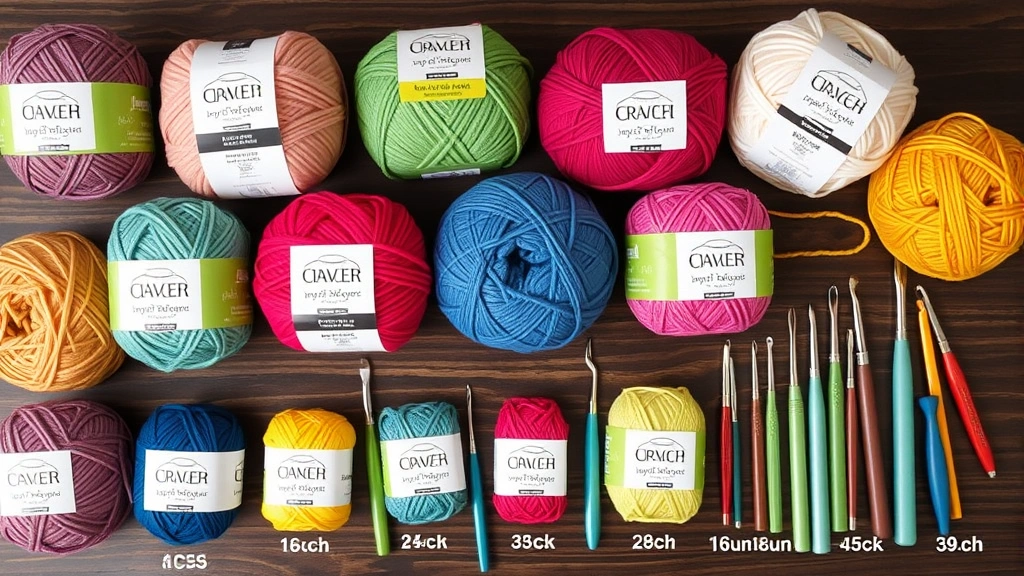
The weight system is numbered 0 through 7, with 0 being the finest (lace-weight) and 7 being the thickest (jumbo). Most everyday crochet projects fall somewhere in the middle—worsted weight (4) and bulky weight (5) are probably what you’ll reach for most often if you’re making blankets, sweaters, and hats.
The Standard Yarn Weight Categories
Lace Weight (0): This is the delicate stuff. Lace weight yarn is incredibly thin, often used for intricate shawls and doilies. It requires patience and a small hook, but the finished projects are absolutely stunning. If you’re new to crochet, I’d suggest skipping this for now—it’s more advanced and requires steady hands and good lighting. But once you’ve got some experience under your belt, lace weight opens up a whole world of gorgeous possibilities.
Fingering Weight (1): Still quite fine, but more manageable than lace. Fingering weight is popular for socks and delicate garments. It works up slowly, which means your project will take longer, but you get beautiful drape and wearability. Many indie dyers love fingering weight because the colors really pop on such fine yarn.
Sport Weight (2): A step up in thickness, sport weight is versatile and great for lightweight garments and amigurumi (stuffed toys). It’s got enough substance to see your stitch definition clearly, which makes it fantastic for learning new stitch patterns. If you’re planning to make crochet for different projects, sport weight should definitely be on your radar.
DK/Light Worsted (3): This is where many crocheters find their sweet spot. DK weight (also called light worsted or “double knit”) is thin enough for drape but thick enough to work up at a reasonable pace. It’s perfect for baby items, lightweight sweaters, and projects where you want good stitch definition without waiting forever for it to finish.
Worsted/Aran (4): This is the classic weight you’ll see in probably 60% of crochet patterns. Worsted weight is forgiving, works up quickly, and is affordable in most brands. It’s ideal for blankets, scarves, sweaters, and hats. If you’re shopping for yarn and feeling overwhelmed, worsted weight is a safe, reliable choice that’ll almost always work beautifully.
Bulky/Chunky (5): Here’s where projects move fast. Bulky weight is thick and satisfying to work with—you’ll see your progress quickly, which is incredibly motivating. It’s perfect for cozy blankets, thick scarves, and quick-to-finish projects. Fair warning: bulky weight can sometimes be less forgiving with tension issues, so make sure your stitches are consistent.
Super Bulky (6): This is the “I want to finish this blanket in a weekend” weight. Super bulky yarn works up incredibly fast and creates a bold, chunky fabric. It’s fantastic for statement pieces and projects where you want that modern, textured look.
Jumbo (7): The thickest of the bunch, jumbo yarn is sometimes worked with your fingers instead of a hook. It’s more novelty than everyday, but it creates dramatic pieces and is honestly fun to play with if you want something different.
How Weight Affects Your Crochet Tension
Here’s something that genuinely changed how I approach crochet: understanding that yarn weight and tension work together. Tension—how tight or loose you hold your yarn and pull it through each stitch—is affected by the weight you’re using.
Thinner yarns are naturally harder to control tension with because you’re working with finer material. If you tend to crochet tightly, fingering or sport weight might feel frustrating because your stitches can become too compressed. Thicker yarns are more forgiving because the yarn itself has more substance, so minor tension inconsistencies are less visible.
The hook size you use also plays into this. Thinner yarns use smaller hooks (like a 2.75mm for fingering weight), which means more stitches per inch and more precision needed. Thicker yarns use larger hooks (like a 6.5mm or bigger for bulky weight), so your hands move faster and you see results quicker. This is why substituting yarn weights isn’t just about grabbing a different thickness—you also need to adjust your hook size to maintain the right fabric density.
Pro tip: if you’re struggling with tension, try moving up a hook size half a size at a time and see how it feels. Sometimes a slightly larger hook with the same yarn can make everything feel more comfortable in your hands.
Choosing Yarn Weight for Different Projects
Blankets and Afghans: Worsted weight (4) is the traditional choice, and honestly, it’s popular for a reason. It works up quickly enough to feel satisfying but not so fast that you’re done before you know it. If you want something even quicker, bulky weight (5) is incredible for chunky blankets. For delicate, lightweight throws, DK or sport weight gives you a beautiful drape.
Sweaters and Garments: This depends entirely on what you’re making. Lightweight sweaters and cardigans work beautifully in sport or DK weight. For fitted sweaters where you want good stitch definition, worsted weight is your friend. Oversized, cozy sweaters? Bulky weight creates that relaxed, comfortable look. The key is checking the pattern’s recommended weight and understanding how different weights will affect the final fit and feel of the garment.
Hats and Accessories: Worsted weight is the workhorse here. It’s thick enough to provide warmth but not so bulky that hats feel heavy. Scarves can work in almost any weight—DK for a delicate drape, worsted for everyday wear, or bulky for statement pieces. For hats and accessories, worsted weight gives you the best all-around results.
Amigurumi (Stuffed Toys): Sport or DK weight is ideal because it creates a tighter fabric that holds stuffing better. Worsted weight works too, but you might need to use a slightly smaller hook to get a dense enough fabric. Avoid lace or fingering weight because the stitches will be too loose and stuffing will poke through.
Shawls and Wraps: This is where weight really matters aesthetically. Lace or fingering weight creates ethereal, delicate shawls with beautiful drape. DK weight gives you something still elegant but a bit more substantial. Worsted weight shawls are cozy and bold. What you choose depends on the look you’re going for and how much time you want to invest.
Substituting Yarn Weights in Patterns
Let’s say you find the perfect pattern, but it calls for bulky weight and you’ve got a stash of worsted weight that you’re dying to use. Can you substitute? Yes—but you need to do it thoughtfully.
When you substitute yarn weights in patterns, you’re essentially changing the gauge (stitches per inch) of the finished project. Here’s how to approach it: First, calculate how many yards you have and how many yards the pattern requires. Worsted weight has roughly 190 yards per 100 grams, while bulky weight has around 120 yards per 100 grams. If you’re using a thinner yarn, you’ll need more yardage to complete the project. If you’re using thicker yarn, you’ll need less.
Second, adjust your hook size. The pattern will likely call for a larger hook for bulky weight. If you’re using worsted instead, drop down a hook size or two to get a similar fabric density. Always make a gauge swatch with your chosen yarn and hook to confirm you’re getting the right stitch density.
Third, understand that your finished project will be different. If you’re making a blanket, using a thinner yarn might mean it takes longer but will be lighter and more breathable. Using a thicker yarn will speed things up but might create a heavier, warmer blanket. For garments, substituting weights can change the fit, so be prepared to potentially adjust sizing.
The bottom line: substitutions are totally possible, but they require math, swatching, and flexibility. It’s not as simple as just grabbing a different yarn and hoping for the best.
Practical Tips for Shopping Smart
When you’re shopping for yarn, here’s what I’ve learned actually matters:
Read the Label Carefully: The weight information is usually right there on the ball band. You’ll see the number and name, the yardage, fiber content, care instructions, and often the recommended hook size. That hook size is a starting point, not gospel—your tension might require going up or down a size.
Feel the Yarn: If you’re shopping in person, touch it. Does it feel scratchy or soft? Is it slippery or grabby? A yarn that’s pleasant to work with makes the entire experience better. You’re going to spend hours with this yarn in your hands, so it should feel good.
Check Yardage, Not Weight: Two balls of yarn might both weigh 100 grams but have completely different yardages depending on fiber content. Yardage is what actually matters for your project—it tells you how much yarn you have to work with. Always use yardage when calculating if you have enough for a pattern.
Consider Fiber Content: Weight is just one part of the equation. A worsted weight acrylic will behave differently than a worsted weight wool. Acrylic is usually cheaper and lower-maintenance; wool has better elasticity and breathability. Blends offer a middle ground. Think about what you’re making and how it’ll be used when choosing fiber.
Don’t Overthink It: If you’re new to crochet, start with worsted weight in a basic yarn from a reputable brand like Lion Brand or Caron. These are affordable, readily available, and work beautifully. Once you’ve got some experience, you can explore specialty yarns and weights. Check out Ravelry for pattern inspiration and yarn reviews from real crocheters.
If you want to deepen your skills, Yarnspirations has excellent free patterns and tutorials organized by skill level and yarn weight. And if you’re serious about joining a community, the Crochet Guild of America offers resources, patterns, and connections with other crocheters.
When you’re ready to dive deeper into pattern selection and execution, understanding yarn weight systems will make everything click. You’ll stop guessing and start confidently choosing yarn that’ll work perfectly for what you want to make.
FAQ
What’s the difference between yarn weight and yarn thickness?
Yarn weight refers to the standardized category (worsted, bulky, etc.), while thickness describes how the yarn actually feels and looks. Sometimes a yarn labeled as “worsted” might feel slightly different from another worsted weight yarn depending on fiber content and how it’s spun. The weight category is the official designation; thickness is the tactile experience.
Can I use a different hook size than what’s recommended on the yarn label?
Absolutely. The recommended hook size is a starting point based on average tension. If you crochet tightly, go up a size or two. If you crochet loosely, go down a size. The goal is achieving the right gauge for your project. Always swatch to confirm before diving into a big project.
Why do some patterns call for “worsted weight” and others say “medium weight”?
They’re the same thing. “Worsted weight” and “medium weight” both refer to weight category 4. Older patterns might use “worsted,” while newer patterns or international patterns might use “medium.” If you see either term, you’re looking at the same yarn weight.
How do I know if a yarn will work for my project?
Check the pattern’s recommended weight first. Then, verify you have enough yardage (always go by yardage, not weight). Finally, make a gauge swatch with your chosen yarn and hook to confirm the stitch density matches what the pattern expects. If it matches, you’re good to go.
Is thicker yarn always better for beginners?
Not necessarily. Thicker yarn is faster and more forgiving, which some beginners love. But if you have tension issues, very thick yarn can actually make them more visible. Worsted weight (4) is often the sweet spot for beginners—it’s manageable, works up reasonably quickly, and is affordable enough to practice with.