The Complete Guide to Choosing the Perfect Yarn for Your Crochet Projects
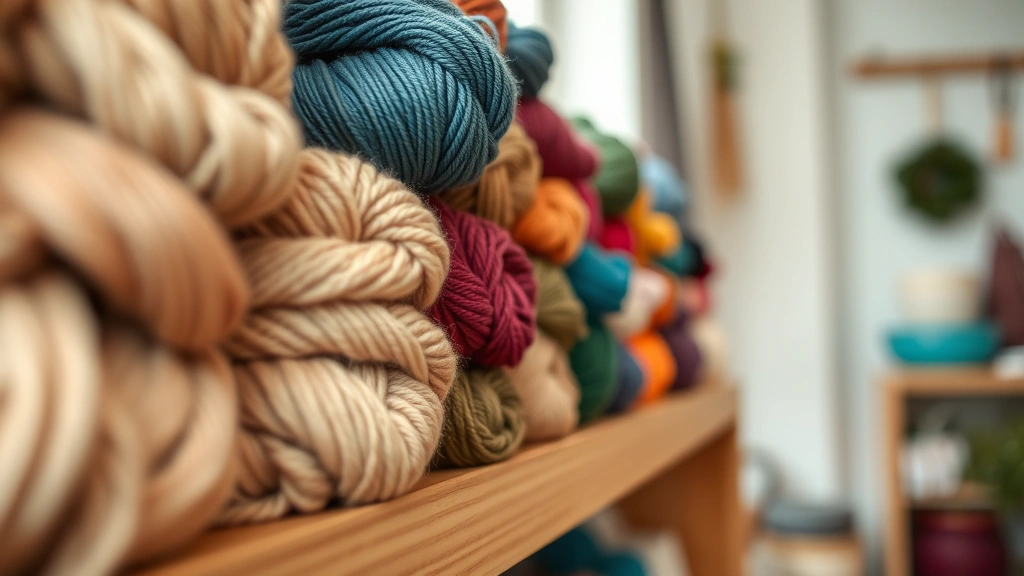
Let’s be honest—standing in front of a yarn wall can feel absolutely overwhelming. There are so many textures, weights, fiber blends, and colors that it’s easy to feel paralyzed. You might be wondering: “Will this yarn work for the blanket I want to make? Is it going to pill? Can I actually afford this dream project?” These are all totally valid questions, and I’ve asked them myself more times than I can count.
The truth is, choosing yarn isn’t just about grabbing whatever’s on sale or what catches your eye. It’s about understanding what your project actually needs, what your hands can handle, and what’ll make you genuinely happy when you’re halfway through and questioning all your life choices at 11 PM. The good news? Once you know what to look for, picking yarn becomes way less stressful and way more fun.
Understanding Yarn Weight and Project Compatibility
Yarn weight is probably the most crucial factor when you’re starting a project, and honestly, it’s where a lot of beginners get tripped up. The weight doesn’t just affect how fast your project grows—it fundamentally changes the final product’s drape, warmth, and overall feel.
There are seven standard yarn weights: lace (0), fingering (1), sport (2), worsted (4), bulky (5), super bulky (6), and jumbo (7). The pattern you’ve chosen will specify which weight you need, and here’s the thing—you really can’t just swap weights willy-nilly and expect the same result. If your pattern calls for worsted weight and you use fingering instead, you’re going to end up with something completely different in terms of size and structure.
Think about what you’re actually making. A beginner-friendly crochet pattern for a baby blanket typically uses worsted or bulky weight because it works up quickly and the stitches are visible enough that you won’t feel like you’re squinting at your work. On the other hand, if you’re attempting an intricate doily, you’re probably looking at fingering or sport weight to get those delicate details right.
I learned this the hard way when I tried to make a lacy shawl with worsted weight yarn instead of the recommended fingering weight. The shawl came out looking more like a chunky cowl, and while it was still wearable, it wasn’t what I’d envisioned at all. The drape was completely off, and the lacy pattern just didn’t read the same way.
Fiber Content: Natural vs. Synthetic vs. Blends
This is where your yarn choice gets really personal, because fiber content affects how your project feels in your hands, how it performs over time, and honestly, how much you’ll enjoy making it. Let’s break down the main options.
Natural Fibers: Wool, cotton, linen, silk, and alpaca are the classic natural choices. Wool is warm, springy, and forgiving—it’s why so many easy crochet projects for beginners use it. Cotton is breathable and perfect for summer projects, though it can feel stiff until it’s been washed a few times. Linen has similar properties but with more drape. The downside? Natural fibers usually cost more, and some people find wool itchy or want to avoid animal products.
Synthetic Fibers: Acrylic is the budget-friendly workhorse of the yarn world. It’s affordable, comes in every color imaginable, and doesn’t require special care. The trade-off is that it doesn’t breathe as well as natural fibers, and it can pill more easily. But here’s the secret nobody tells you—acrylic has gotten way better in recent years. Brands like Craft Yarn Council member companies have developed acrylic yarns that feel almost as soft as natural fibers.
Blends: This is where things get interesting. A 50/50 wool and acrylic blend gives you the warmth and elasticity of wool with the affordability and easy care of acrylic. Cotton-acrylic blends are amazing for projects where you want breathability but also durability. Blends are honestly the sweet spot for a lot of projects because you’re getting the best qualities of both fibers without the extreme drawbacks of either.
Here’s my real talk: if you’re working on a gift or something you’ll actually wear, spending a bit more on a quality blend or natural fiber is worth it. The project will look better, last longer, and you’ll feel prouder wearing it. But if you’re practicing a new stitch or making something just for fun, acrylic is totally fine and honestly, who cares if it’s not luxury yarn?
Consider also how you’ll actually care for the finished project. If you’re making a baby blanket that’ll need frequent washing, cotton or a durable acrylic blend makes way more sense than delicate merino wool that requires special handling. Think about your lifestyle and your recipient’s lifestyle.
Yarn Texture and Stitch Definition
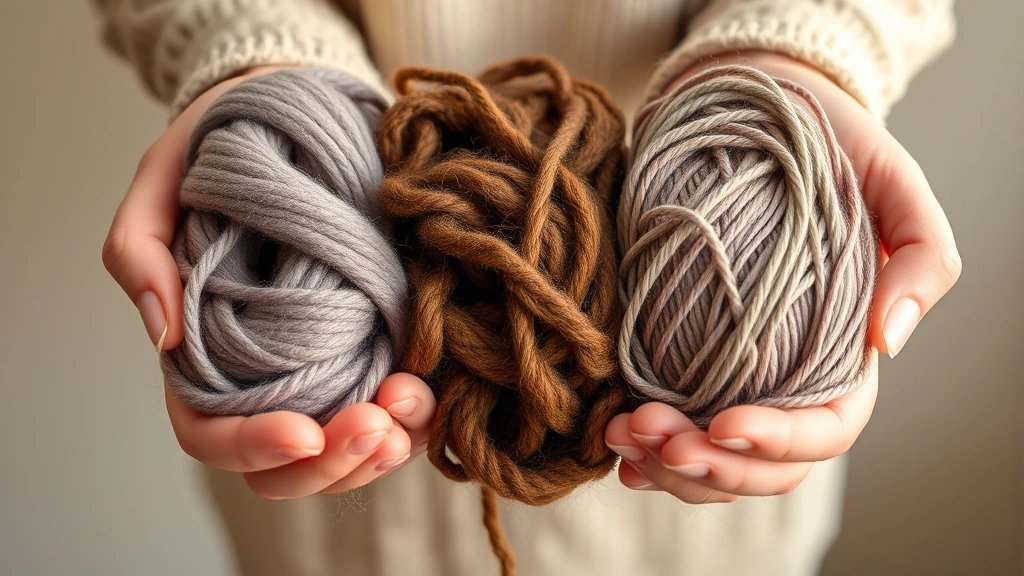
Texture is where yarn personality really shows up. A smooth, tightly spun yarn will show off your stitches beautifully—you’ll see every single stitch definition, which is great for complicated lace or textured patterns. A fuzzy or loosely spun yarn creates a softer, more forgiving fabric, but it can obscure your stitchwork.
Novelty yarns—think fuzzy eyelash yarn, tape yarn, or chunky knubby textures—are super fun but they come with challenges. They’re harder to rip back if you make a mistake because the stitches aren’t as clear. They’re also often thicker than they look, so your gauge might be off. That said, if you’re making something fun and low-stakes, novelty yarns can create amazing visual effects.
When you’re checking out yarn at a store, actually touch it. Feel how it moves in your hands. If it feels scratchy or unpleasant during a five-second test, imagine how you’ll feel after two hours of crocheting with it. Your hands will thank you for choosing something comfortable.
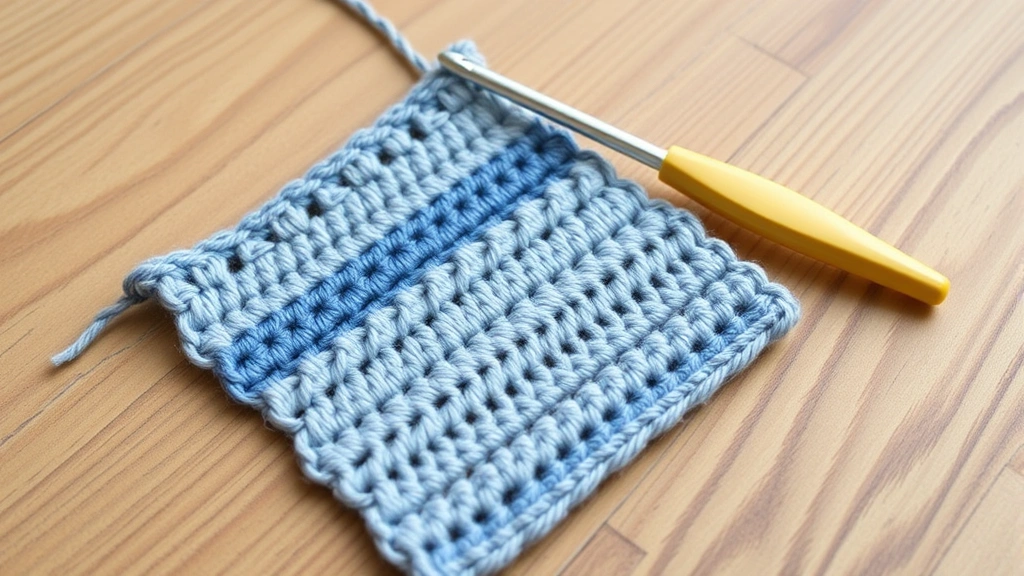
I’m a big fan of testing texture with small swatches before diving into a full project. Make a little 4×4 inch swatch in your chosen yarn and stitch pattern. Wash it if the yarn requires washing. See how it feels, how the stitches look, and whether you genuinely enjoy working with it. This takes maybe 30 minutes and can save you from 20 hours of regret.
Budget Considerations Without Sacrificing Quality
Let’s address the elephant in the room: yarn can get expensive, and projects can require a lot of it. A full-size blanket might need 3,000+ yards of yarn, and if you’re buying premium yarn at $8 per 100 yards, you’re looking at a serious investment.
Here’s how I approach budget-conscious yarn shopping. First, I check out what’s on sale. Most yarn stores have a clearance section, and sometimes you find absolute gems there. Second, I’m not opposed to mixing yarn brands or even weights slightly—as long as I’m testing it in a swatch first. Sometimes two different yarns can work beautifully together if they’re similar in weight and fiber content.
Third, I’ve discovered that buying yarn in bulk from online retailers can save serious money compared to local shops. Sites like Ravelry let you compare prices across vendors, which is incredibly helpful. You might also check out Yarnspirations for free patterns and sometimes discounted yarn bundles.
One thing I’ve learned is that cheaper yarn isn’t always bad yarn—it’s just different. You’re not “settling” by choosing budget-friendly options; you’re being smart with your resources. I’ve made beautiful projects with $3 acrylic yarn and mediocre projects with $20 per skein luxury yarn. Skill, pattern choice, and care matter way more than price tag.
That said, there are times when investing in quality yarn makes sense. If you’re making something you’ll wear or use constantly, or if you’re giving it as a significant gift, splurging a bit is totally justified. Just be intentional about it rather than defaulting to the most expensive option.
Consider also that you might want to explore yarn substitution options if the exact yarn in a pattern isn’t available or is outside your budget. As long as you match the weight and do a gauge swatch, you can usually make it work.
Color Selection and Pattern Visibility
Here’s something that surprised me when I started crocheting: not every beautiful color is actually functional for every project. A gorgeous dark charcoal might look stunning in the store, but when you’re trying to see your stitches while working on a lacy pattern, you’re going to want to throw your crochet hook across the room.
Light and medium colors are generally easier to work with because you can see your stitches clearly. This is especially important when you’re learning new stitches or working on anything with complex stitch patterns. Darker colors hide stitch imperfections beautifully, which is great once you’re done, but they make the actual crocheting process harder.
Variegated and self-striping yarns are fun and can create interesting effects, but they can also obscure stitch definition. If you’re working on a textured stitch pattern, the texture might disappear into the color changes. That’s not necessarily bad—sometimes that’s exactly the look you want—but it’s something to consider.
Think about the final product too. A light-colored blanket shows stains and dirt easily, which matters if you’re making something functional. A dark-colored sweater won’t show wear as much, which is practical if it’s something you’ll wear frequently. A variegated yarn hides color bleeding if you’re worried about dye not being set, but it also means any mistakes or inconsistencies in your tension blend in rather than standing out.
My rule of thumb: if you love the color, go for it. But be realistic about whether you’ll actually enjoy working with it for however many hours your project takes. I once chose a gorgeous jewel-tone purple for a blanket and spent the entire project squinting at my stitches. I finished it, but I didn’t enjoy the process, and that matters.
Testing Your Yarn Before Committing
This is the step that can save you from so much heartbreak, and honestly, it’s the difference between experienced crocheters and frustrated beginners. Before you commit 20+ hours to a project, spend 30 minutes testing your yarn.
Make a gauge swatch: Using your project’s recommended hook size, make a 4×4 inch swatch in your chosen stitch pattern. Measure it carefully. This tells you whether your yarn and tension will actually produce the finished dimensions your pattern expects. If your gauge is off, your finished project will be the wrong size, and that’s a problem you want to catch early.
Feel it in your hands: After crocheting for 10-15 minutes, how does your hand feel? Is the yarn sliding smoothly? Is it causing any hand fatigue? Does it feel pleasant? This matters way more than you might think, especially if you’re making something large.
Wash and dry it: If the yarn will need washing after you finish, wash and dry your swatch. Does it pill? Does the color bleed? Does the texture change? Does it shrink? This is crucial information for anything you’ll actually use.
Check the stitch definition: Can you see your stitches clearly? Does the pattern show up the way you want it to? If you’re making lace, does it look delicate? If you’re making a textured blanket, does the texture pop?
I know this feels like an extra step, but I promise it’s worth it. I’ve ripped out entire projects because I didn’t test the yarn first, and those hours of wasted work hurt way more than 30 minutes of upfront testing would have.
Common Yarn Selection Mistakes to Avoid
Based on years of crocheting and talking with other makers, here are the mistakes I see most often—and that I’ve definitely made myself.
Choosing yarn based purely on price: The cheapest option isn’t always the worst, but buying yarn you hate working with to save $2 per skein is a false economy. You’re not going to finish a project you don’t enjoy.
Ignoring yardage: Two skeins of yarn might look similar, but one might have 200 yards and the other 400. Check yardage carefully, especially when substituting yarn or buying from different brands.
Not checking dye lot: If you’re buying multiple skeins, make sure they’re all the same dye lot. Yarn dyed in different batches can have noticeably different colors, which is jarring in a finished project.
Assuming you can substitute yarn weights: You can’t. Or rather, you *can*, but the project won’t be what you expected. Always do a gauge swatch if you’re substituting.
Buying yarn without touching it: Online shopping is convenient, but if possible, feel yarn before you buy it. If you’re ordering online, check return policies and be willing to send yarn back if it’s not what you expected.
Choosing complicated yarn for your skill level: A fuzzy novelty yarn might be beautiful, but if you’re still learning to see your stitches, it’ll frustrate you. Choose yarn that supports your current skill level, not the skill level you want to have.
Forgetting about fiber care: That gorgeous merino wool is beautiful, but if you don’t actually hand-wash delicate items, don’t buy it. Be honest about your habits and choose yarn accordingly.
FAQ
Can I mix different yarn brands in one project?
Absolutely, as long as they’re similar in weight and fiber content. I’d recommend doing a swatch first to make sure they look good together and have similar drape. The real key is that they feel similarly pleasant to work with—if one is scratchy and the other is silky, that’s going to feel weird in your hands when you’re switching between them.
What should I do if I can’t find the exact yarn a pattern calls for?
This is where yarn substitution comes in. Check the pattern’s recommended weight and fiber content. Find a yarn that matches those specs, then do a gauge swatch. As long as your gauge matches the pattern’s gauge, you’re good to go. I often use Ravelry to find similar yarns when I’m substituting—there’s a huge community there that can help.
How do I know if yarn will pill?
Loosely spun yarns and lower-quality fibers are more prone to pilling. You can check by rubbing the yarn vigorously or by testing your swatch after washing. Some pilling is normal and can be dealt with using a fabric shaver, but if you’re bothered by it, choose a tightly spun yarn or a higher-quality fiber.
Is it worth buying expensive yarn?
Sometimes. If you’re making something you’ll wear or use constantly, or if you’re giving it as a meaningful gift, investing in quality yarn is worth it. But if you’re practicing or making something low-stakes, budget yarn is perfectly fine. Be intentional about where you spend your money.
What’s the best yarn for beginners?
Light to medium-colored worsted weight acrylic or acrylic blend. It’s affordable, easy to see your stitches in, forgiving when you make mistakes, and easy to care for. Once you’re more comfortable, you can experiment with different fibers and weights.
How do I store yarn so it doesn’t get damaged?
Keep it in a cool, dry place away from direct sunlight (which can fade colors) and away from moths and other pests. Some people use cedar blocks or lavender sachets. If you’re storing for a long time, resealable plastic bags work well. Honestly, most yarn is pretty hardy—just use common sense and you’ll be fine.
Can I use leftover yarn from other projects?
Totally! This is called stash-busting, and it’s actually a great way to use up yarn and create unique color combinations. Just make sure your leftover yarn is in decent condition and that you have enough yardage for your project. Ravelry has a whole community of people who specialize in creative stash-busting projects.