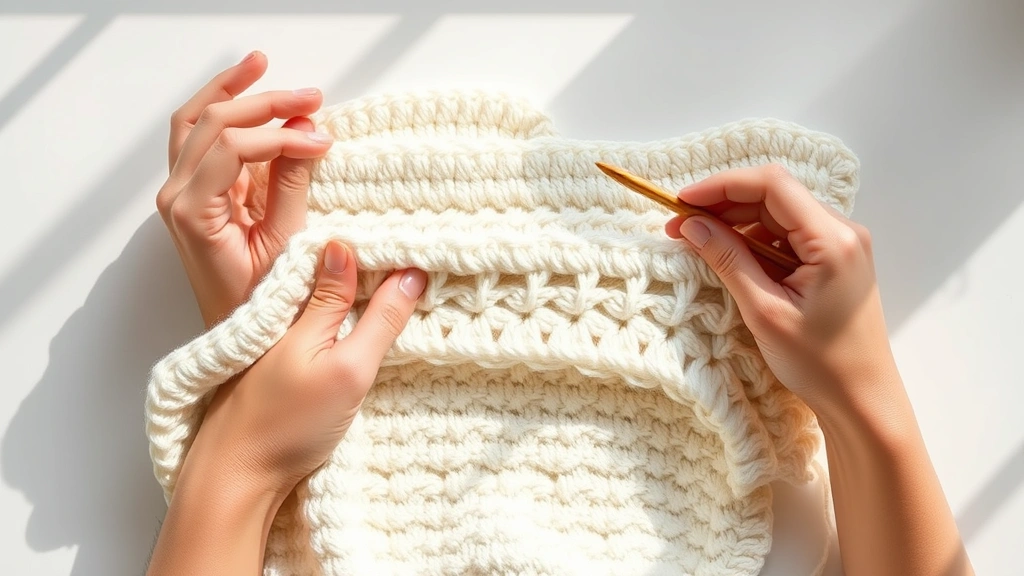
Last week, I was working on a baby blanket for my friend’s shower when I hit that familiar wall – my project was taking forever, and honestly, I was getting a bit bored with the same old single crochet rows. Sound familiar? We’ve all been there, staring at what feels like miles of identical stitches, wondering if there’s a better way to create something beautiful without losing our minds in the process.
Here’s the thing about easy crochet patterns – they don’t have to mean boring or basic. Some of the most stunning projects I’ve made have been surprisingly simple, using just a handful of stitches arranged in clever ways. The secret isn’t in complexity; it’s in choosing patterns that give you maximum impact with minimal fuss.
Whether you’re brand new to crochet or you’ve been hooking for years but want something relaxing to work on while binge-watching your favorite show, easy patterns are your best friend. They let you focus on enjoying the rhythm of crochet without getting tangled up in complicated stitch sequences or confusing charts.
I’ve spent years collecting and testing patterns that look impressive but won’t make you want to throw your hook across the room. From cozy blankets that work up faster than you’d think to accessories that make perfect last-minute gifts, these patterns prove that simple can absolutely be stunning.
Quick Answer
Easy crochet patterns use basic stitches like single crochet, double crochet, and half double crochet in simple combinations to create beautiful projects. The best beginner-friendly patterns include dishcloths, scarves, baby blankets, and simple hats that require minimal shaping and use worsted weight yarn with a size H (5mm) hook.
What Makes a Crochet Pattern Easy
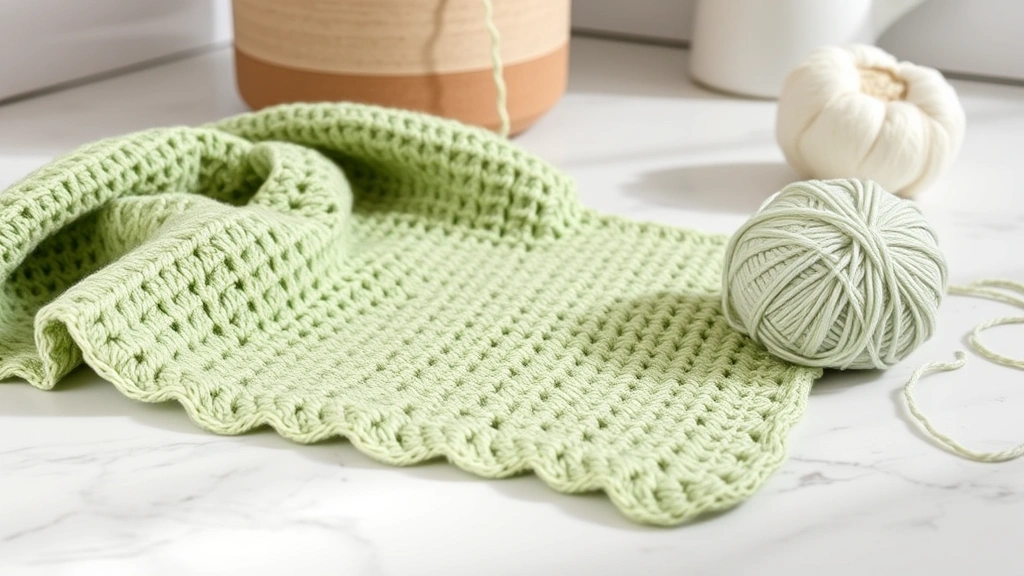
Not all “easy” patterns are created equal, and I’ve learned this the hard way. A truly beginner-friendly pattern has several key characteristics that make it approachable without sacrificing style.
Minimal stitch variety is the biggest factor. The best easy patterns stick to 2-4 basic stitches maximum. You might see single crochet, double crochet, and maybe a chain stitch – that’s it. When you’re not constantly looking up new stitches, you can actually enjoy the meditative rhythm of crochet.
Simple shaping is another hallmark of easy patterns. Think rectangles, squares, or basic circles rather than complex curves or fitted garments. A granny square blanket is perfect because each square is identical, and you’re just joining them together.
Clear instructions matter more than you might think. Good easy patterns use consistent terminology and include stitch counts at the end of each row. They’ll tell you exactly how many stitches you should have, which saves you from that sinking feeling when something doesn’t look right.
Pro tip: Look for patterns that include both written instructions and a simple chart. Even if you can’t read charts yet, having both options means you can double-check your work if something seems off.
Repetitive row patterns are your friend when you’re starting out. Instead of memorizing 20 different rows, you might work rows 1-4, then repeat rows 2-4 until your project reaches the desired length. This repetition helps build muscle memory and confidence.
Essential Supplies for Easy Projects
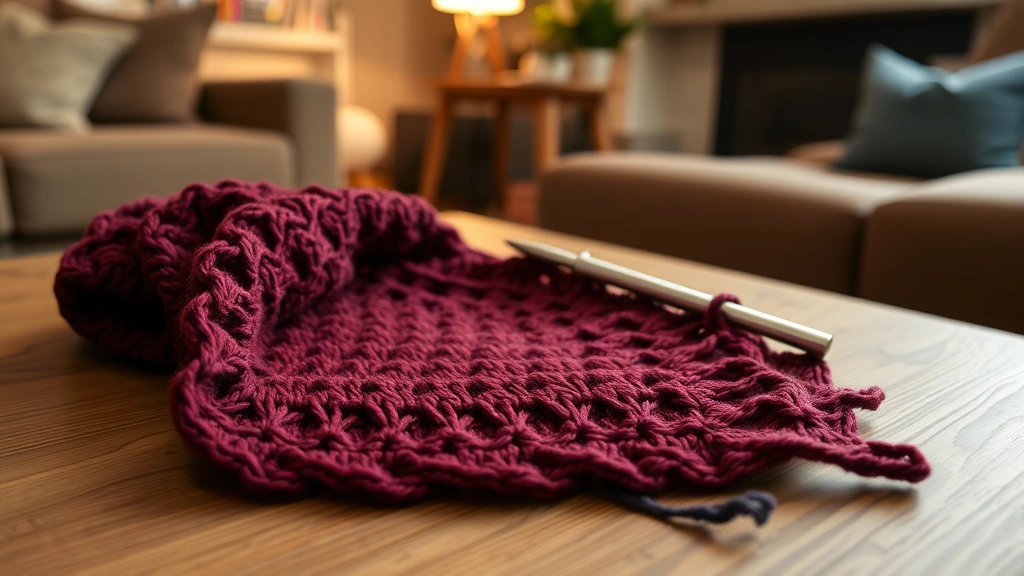
Having the right supplies can make the difference between a frustrating experience and an enjoyable one. I’ve seen too many beginners struggle with projects simply because they chose the wrong yarn or hook for their skill level.
Yarn choice is crucial for easy projects. Worsted weight yarn (size 4) is your best bet – it’s thick enough to see your stitches clearly but not so bulky that it’s hard to work with. Lion Brand Yarn and Red Heart Super Saver are reliable, affordable options that come in tons of colors.
| Yarn Weight | Hook Size | Best For | Skill Level |
|---|---|---|---|
| Worsted (4) | H/5mm – I/5.5mm | Blankets, scarves, hats | Beginner |
| DK (3) | G/4mm – H/5mm | Baby items, lightweight scarves | Beginner+ |
| Chunky (5) | J/6mm – K/6.5mm | Quick blankets, winter accessories | Any level |
For hooks, aluminum or plastic hooks in sizes G (4mm) through J (6mm) will cover most easy projects. I recommend starting with a size H (5mm) hook – it’s the most versatile and works well with worsted weight yarn.
Don’t overlook the importance of good lighting and a comfortable chair. I can’t tell you how many times I’ve had to frog (rip out) work because I couldn’t see what I was doing properly. A simple desk lamp can save you hours of frustration.
Money-saving tip: Start with acrylic yarn for practice projects. It’s affordable, machine washable, and forgiving if you need to pull out stitches. Save the fancy fibers for when you’re more confident.
Best Beginner-Friendly Projects
I always tell new crocheters to start with projects they’ll actually use. There’s nothing more motivating than creating something practical while you learn. Here are my go-to recommendations for first projects that won’t end up stuffed in a closet.
Dishcloths are the perfect starter project. They work up quickly (usually in 2-3 hours), use basic stitches, and you can practice maintaining even tension without worrying about complex shaping. Plus, everyone needs dishcloths! A simple single crochet square using cotton yarn creates a functional, attractive dishcloth.
Scarves are another excellent choice, especially for fall and winter crafting. A basic double crochet scarf using worsted weight yarn takes about 8-12 hours to complete and gives you plenty of practice with consistent stitching. The key is choosing a width that works up reasonably quickly – about 6-8 inches is perfect.
Baby blankets might seem ambitious, but they’re actually ideal for beginners. The stakes are lower (babies don’t judge wonky edges), and the repetitive nature helps build confidence. A simple double crochet baby blanket in soft pastels makes a beautiful gift and uses about 1200 yards of worsted weight yarn.
Quick Project Ideas by Time Investment
- 1-3 hours: Dishcloths, coasters, simple headbands
- 4-8 hours: Pot holders, baby hats, small bags
- 10-20 hours: Scarves, baby blankets, simple shawls
- 20+ hours: Adult afghans, sweaters, large home decor items
The beauty of these projects is that they all use variations of the same basic stitches. Once you master single and double crochet, you can tackle any of them with confidence.
Simple Stitches to Master First
You really only need to know four basic stitches to complete dozens of beautiful projects. I’ve made everything from blankets to sweaters using just these fundamental techniques, and mastering them well is far more valuable than knowing a hundred fancy stitches poorly.
Chain stitch is your foundation – literally. Every crochet project starts with a chain, and getting comfortable with consistent chain tension will improve everything else you make. Practice making chains of different lengths until the motion feels automatic.
Single crochet creates the tightest, most stable fabric. It’s perfect for items that need structure, like bags or dishcloths. The stitch is short and dense, which means projects take longer to work up, but the results are incredibly durable. When working amigurumi projects, single crochet is typically the go-to stitch for its tight construction.
Double crochet is probably the most versatile stitch you’ll learn. It’s about twice as tall as single crochet, so projects work up much faster, and it creates a lovely, classic crochet texture. Most blanket patterns use double crochet as the primary stitch because it provides good coverage without being too dense.
Half double crochet sits right between single and double crochet in height and is excellent for projects where you want more drape than single crochet provides but not as much openness as double crochet. It’s particularly nice for scarves and baby items.
Practice tip: Make a sampler square using each stitch. Work 20 rows of single crochet, then 20 rows of half double crochet, then 20 rows of double crochet. You’ll see how the different stitches behave and get comfortable with the height differences.
How to Read Easy Patterns
Pattern reading intimidated me for the longest time, but it’s honestly like learning a simple code. Once you understand the basic abbreviations and format, even complex-looking patterns become manageable.
Most patterns start with a materials list and gauge information. For easy patterns, you can often skip the gauge swatch (though it’s good practice to make one), especially for items like scarves or dishcloths where exact measurements aren’t critical.
Common abbreviations you’ll see everywhere:
- ch = chain
- sc = single crochet
- hdc = half double crochet
- dc = double crochet
- sl st = slip stitch
- st(s) = stitch(es)
- rep = repeat
- beg = beginning
Pattern instructions typically follow a consistent format. You’ll see something like “Row 1: Ch 2 (does not count as st), dc in each st across, turn. (48 dc)” The number in parentheses at the end tells you how many stitches you should have – this is your best friend for catching mistakes early.
When patterns say “repeat from * to *” or “rep from * across,” they’re giving you a shortcut. Instead of writing out the same instruction 20 times, they’ll show you the pattern once and tell you to repeat it. Learning to work with stitch pattern repeats opens up a whole world of textured designs.
Beginner hack: Use a row counter or simply mark off completed rows on a printed pattern. It’s so easy to lose track, especially when you’re watching TV while crocheting.
Common Mistakes and How to Avoid Them
I’ve made every beginner mistake in the book, and honestly, that’s how you learn. But knowing what to watch for can save you some frustration and help you catch problems before they become disasters.
Tension issues are probably the most common problem I see. Your stitches might be too tight (hard to work into) or too loose (fabric looks sloppy). The solution is practice and paying attention to how your yarn feels as you work. Your yarn should slide easily through your fingers without being so loose that you can’t control it.
Losing or gaining stitches is another classic issue. This usually happens because you’re either missing the first or last stitch of a row, or you’re accidentally working into the turning chain when you shouldn’t (or not working into it when you should). Count your stitches frequently, especially at first.
Turning chain confusion trips up a lot of beginners. Sometimes the turning chain counts as a stitch, sometimes it doesn’t. The pattern should tell you, but when in doubt, look at your stitch count. If the pattern says you should have 20 stitches and you only count 19 plus a turning chain, then that chain probably counts as a stitch.
Quick Troubleshooting Guide
- Edges are wavy: You’re probably adding stitches. Count more carefully.
- Edges are pulling in: You’re likely losing stitches or your tension is too tight.
- Stitches are hard to work into: Loosen your tension slightly.
- Fabric looks loose and sloppy: Tighten your tension a bit.
Remember, frogging (ripping out stitches) isn’t failure – it’s part of the learning process. I still frog work regularly when something isn’t looking right. It’s better to fix a problem early than to struggle with it for the entire project.
Simple Techniques That Look Advanced
Once you’re comfortable with basic stitches, there are several simple techniques that can make your projects look much more sophisticated without adding complexity. These are the tricks I wish someone had taught me sooner.
Color changes can transform a basic project into something special. Even just switching colors every few rows creates stripes that look intentional and stylish. The key is planning your color changes at the end of a row and carrying the unused color up the side rather than cutting it each time.
Simple stitch combinations create texture without requiring new techniques. Try alternating single and double crochet stitches within the same row, or work front post and back post double crochets to create raised patterns. These textured stitches use the same basic double crochet you already know, just worked in different positions.
Border treatments can elevate any project. A simple single crochet border around a blanket makes it look finished and professional. Adding a round of reverse single crochet (crab stitch) creates a decorative edge that looks complex but is really just single crochet worked in the opposite direction.
Designer secret: Consistent stitch height and even edges matter more than fancy stitches. A simple double crochet blanket with perfectly straight edges and consistent tension looks more professional than a complex pattern worked sloppily.
Joining techniques can also add visual interest. Instead of just sewing granny squares together, try a decorative join that becomes part of the design. The Ravelry database has hundreds of examples of creative joining methods that use basic stitches.
Working with different yarn weights in the same project creates interesting effects too. Try using a lighter weight yarn for borders or details – it adds sophistication without requiring new skills. Just remember to adjust your hook size accordingly.
Common Questions
How long does it take to complete an easy crochet project?
It depends on the project size and your speed, but most easy projects can be completed in 2-20 hours. A simple dishcloth takes 2-3 hours, while a baby blanket might take 15-20 hours spread over several weeks. Scarves typically take 8-12 hours of actual crocheting time.
What’s the best yarn for beginners?
Worsted weight (size 4) acrylic yarn in light colors is ideal for beginners. Brands like Red Heart Super Saver or Lion Brand Vanna’s Choice are affordable, consistent, and easy to work with. Light colors help you see your stitches clearly while learning.
How much yarn do I need for a baby blanket?
A typical baby blanket (30″ x 36″) requires about 1200-1500 yards of worsted weight yarn. If you’re using multiple colors, plan for about 400-500 yards of your main color and 200-300 yards each of accent colors. Always buy an extra skein – dye lots can vary significantly.
Should I learn to read charts or stick to written patterns?
Start with written patterns since they’re more intuitive for most beginners. Once you’re comfortable with basic stitches, learning to read simple charts opens up more pattern options. Many patterns include both, so you can cross-reference if you get confused.
What hook size should I start with?
A size H (5mm) aluminum hook is perfect for beginners working with worsted weight yarn. It’s large enough to see your work clearly but not so large that your stitches become sloppy. As you gain experience, you can experiment with different sizes for various effects.
How do I know if my tension is correct?
Your stitches should be even and easy to work into without being loose enough to see through. If you’re struggling to insert your hook into stitches, you’re too tight. If your fabric looks loose and sloppy, you’re too loose. Consistent practice will help you find your natural tension.
Can I modify easy patterns to make them larger or smaller?
Yes! For rectangular projects like blankets or scarves, you can easily add or subtract stitches from your foundation chain and work more or fewer rows. For shaped items like hats, modifications are trickier and might require understanding increases and decreases.
What’s the difference between US and UK crochet terms?
The main difference is in stitch names – what Americans call single crochet, the UK calls double crochet. US double crochet is UK treble crochet. Most patterns specify which terminology they use, but when in doubt, check the Craft Yarn Council for standard definitions.
The world of easy crochet patterns is vast and rewarding, offering endless possibilities for creating beautiful, functional items without overwhelming complexity. Whether you’re drawn to the meditative rhythm of working simple stitches or excited about the quick satisfaction of completing projects, these patterns provide the perfect foundation for your crochet journey.
Remember that every expert crocheter started exactly where you are now, working basic stitches and learning to read patterns. The key is choosing projects that excite you and challenge you just enough to keep growing without causing frustration. Start with something simple that you’ll actually use – whether that’s a cozy scarf for winter or a stack of dishcloths for your kitchen.
Most importantly, don’t rush the learning process. Take time to really master those basic stitches, pay attention to your tension, and celebrate each completed project, no matter how simple. Before you know it, you’ll be confidently tackling more complex patterns and maybe even designing your own. Happy crocheting!