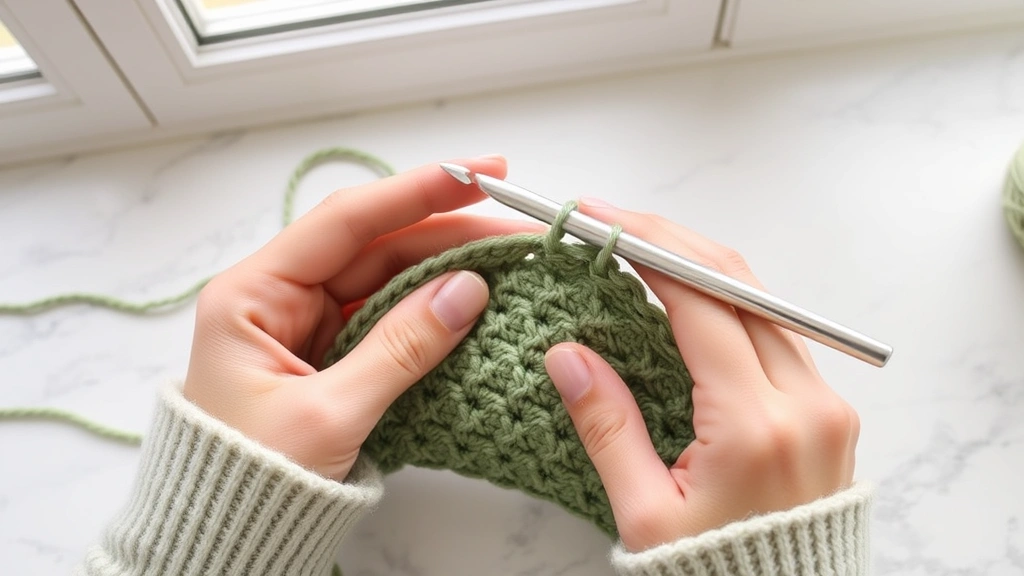
You know that moment when you’re scrolling through Pinterest at 2 AM and stumble across the most gorgeous crochet blanket you’ve ever seen? Your heart skips a beat, you save it to seventeen different boards, and then reality hits: it’s made with something called “DK weight yarn.” If you’re sitting there wondering what the heck that means and whether your stash of mystery yarn from three years ago will work, you’re definitely not alone.
I’ve been there too, standing in the yarn aisle completely overwhelmed by all the numbers and weight categories. When I first started crocheting seriously, I thought yarn was just yarn. Spoiler alert: it’s not. Understanding yarn weights is honestly one of those game-changing moments in your crochet journey – right up there with learning to read patterns properly and figuring out how to fix dropped stitches.
DK weight yarn sits right in that sweet spot of the yarn weight system. It’s heavier than sport weight but lighter than worsted weight, making it incredibly versatile for everything from baby clothes to home decor. The name “DK” actually stands for “double knitting,” which comes from its knitting origins, but don’t let that confuse you – it’s absolutely perfect for crochet projects too.
What makes DK weight so special is its balance. It’s substantial enough to work up relatively quickly, but fine enough to show off intricate stitch definition. I’ve used it for everything from delicate lace shawls to cozy sweaters, and it never disappoints.
Quick Answer
DK weight yarn is a medium-light yarn classified as Weight 3 in the Craft Yarn Council system. It typically works with hook sizes 4.5-5.5mm (G-7 to I-9) and is perfect for garments, baby items, and accessories that need good stitch definition with reasonable working speed.
What Exactly is DK Weight Yarn?
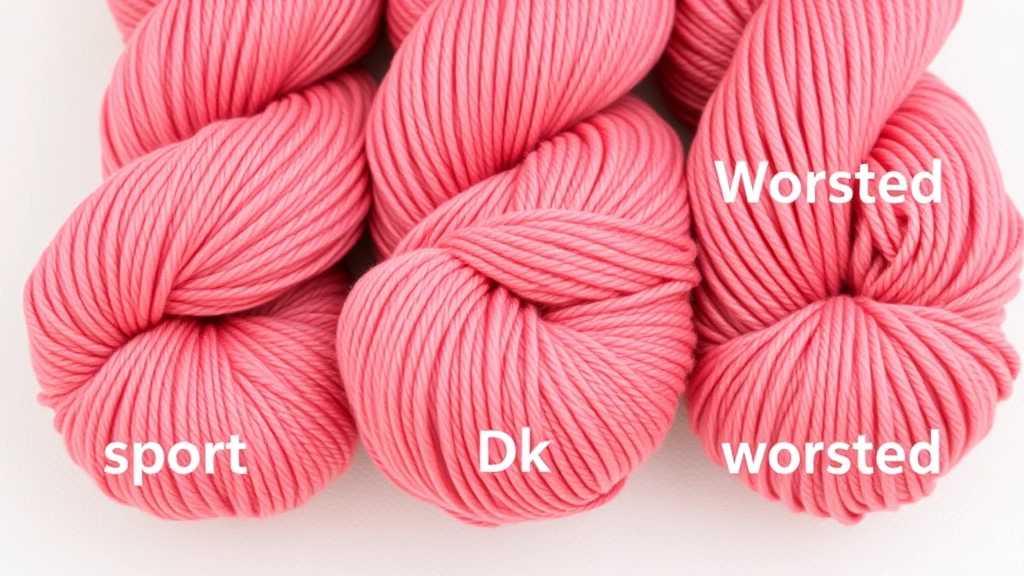
DK weight yarn is officially classified as Weight 3 in the Craft Yarn Council’s standardized system. The “DK” stands for “double knitting,” a term that originated in the knitting world but has carried over to crochet. Don’t worry though – this doesn’t mean you need to know anything about knitting to use it successfully in your crochet projects.
In terms of thickness, DK yarn typically measures between 11-14 wraps per inch (WPI) when wrapped around a ruler or WPI tool. If you don’t have a WPI tool (and honestly, most of us don’t), you can eyeball it pretty easily once you get familiar with the weight. It’s noticeably thicker than sport weight yarn but definitely thinner than the worsted weight yarn that many beginners start with.
The Craft Yarn Council recommends hook sizes ranging from 4.5mm to 5.5mm (US sizes G-7 through I-9) for DK weight yarn, though you might find yourself going up or down a hook size depending on your tension and the specific look you’re going for.
Why DK Weight is So Popular
There’s a reason why so many designers gravitate toward DK weight yarn for their patterns. It hits this perfect sweet spot where it’s substantial enough to work up at a decent pace, but fine enough that you can achieve really beautiful stitch definition. When you’re working complex stitch patterns, DK weight shows off all those lovely details without being so fine that your project takes forever.
I’ve found that DK weight is particularly forgiving for beginners who are moving beyond their first few projects. It’s easier to see your stitches than with fingering or sport weight, but it teaches you more precision than chunky yarns where you can kind of fudge your way through mistakes.
Pro Tip: If you’re unsure whether a yarn is DK weight, check the ball band for the weight symbol (a “3” in a yarn skein icon) or look for recommended needle/hook sizes in the 4.5-5.5mm range.
How DK Compares to Other Yarn Weights
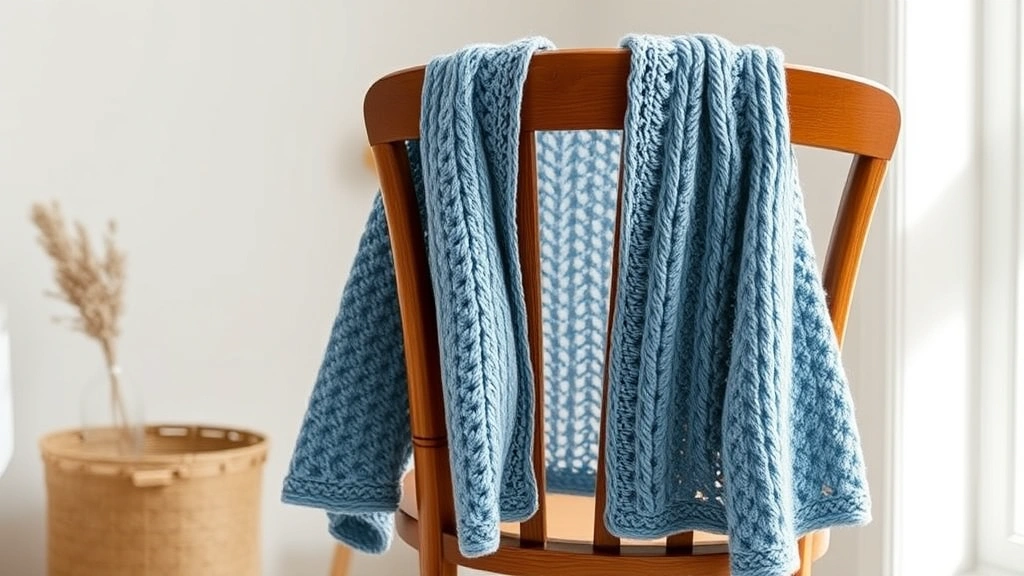
Understanding where DK fits in the grand scheme of yarn weights will help you make better substitution decisions and choose the right yarn for your projects. Here’s how it stacks up against its closest neighbors:
| Yarn Weight | Category | Hook Size Range | Best For |
|---|---|---|---|
| Sport (Weight 2) | Fine | 3.5-4.5mm (E-4 to G-7) | Baby items, summer tops |
| DK (Weight 3) | Light | 4.5-5.5mm (G-7 to I-9) | Sweaters, accessories, blankets |
| Worsted (Weight 4) | Medium | 5.5-6.5mm (I-9 to K-10.5) | Afghans, mittens, hats |
DK vs Sport Weight
Sport weight is one step down from DK, and the difference is more noticeable than you might think. Sport weight creates a much more delicate fabric that’s perfect for baby blankets and lightweight summer garments. However, it takes significantly longer to work up, and some stitch patterns can get a bit lost in the finer yarn.
If a pattern calls for sport weight and you want to substitute DK, you’ll likely need to go down a hook size or two to achieve similar gauge. The finished project will have a bit more structure and warmth, which might be exactly what you want or completely wrong for the design.
DK vs Worsted Weight
Worsted weight is probably what most crocheters think of as “normal” yarn – it’s what you’ll find in most big box craft stores and what many beginner patterns call for. It’s definitely chunkier than DK and works up faster, but you lose some of that beautiful stitch definition that makes DK so appealing.
When I’m deciding between DK and worsted for a project, I think about the end use. For a cozy winter afghan where I want quick progress, worsted wins. For a fitted sweater where I want clean lines and good drape, DK is my go-to choice.
I learned this the hard way when I substituted worsted weight for DK in a lace cardigan pattern. The heavier yarn completely obscured the delicate lace pattern, and the finished sweater looked bulky instead of elegant.
Choosing the Right Hook Size for DK Yarn
While the standard recommendation is 4.5-5.5mm hooks for DK weight yarn, your actual hook choice depends on several factors: your personal tension, the specific yarn you’re using, and the fabric you want to create.
Most DK yarns work beautifully with a 5mm (H-8) hook, which is why this is often the default in many patterns. However, I’ve found that different fiber contents can behave quite differently even within the same weight category.
Hook Size by Fiber Type
Cotton DK yarns often benefit from a slightly larger hook – maybe 5.5mm (I-9) – because cotton doesn’t have the natural stretch and loft of wool. This helps prevent your fabric from becoming too dense and stiff. When working with cotton yarn projects, I usually start with the larger end of the recommended range.
Wool and wool blends, on the other hand, have natural elasticity that fills in the spaces between stitches. You might find that a 4.5mm (G-7) hook gives you better stitch definition and prevents your fabric from becoming too loose and drapey.
Acrylic DK yarns fall somewhere in the middle, and the 5mm (H-8) hook recommendation usually works perfectly. Brands like Lion Brand and Red Heart have excellent acrylic DK options that are consistent and predictable to work with.
Tension Check: Always make a gauge swatch, even if you hate doing them. DK weight yarn can vary quite a bit between brands, and what works for one might be completely wrong for another.
Best Projects for DK Weight Yarn
DK weight yarn truly shines in projects where you want a balance of workability and detail. Here are some of my favorite ways to use it:
Garments and Wearables
DK weight is absolutely perfect for sweaters, cardigans, and other garments. It creates a fabric with excellent drape that’s not too heavy or too light for most climates. The stitch definition is clear enough to show off cable patterns and textured stitches, but it’s substantial enough that you’re not working forever on a single piece.
I particularly love DK weight for fitted sweaters because it doesn’t add bulk but still provides warmth. The fabric lies smoothly against the body without the stiffness you sometimes get with worsted weight or the flimsiness of sport weight.
Accessories like hats, scarves, and mittens also work beautifully in DK. The yarn is thick enough to provide good insulation but fine enough that accessories don’t become overly bulky. A DK weight scarf feels luxurious without being cumbersome.
Baby and Children’s Items
DK weight is ideal for baby clothes and blankets. It’s substantial enough to be practical and durable, but soft enough against delicate skin. Many of the most popular baby yarn lines come in DK weight, including Bernat Baby and Lion Brand Babysoft.
For baby projects, DK weight also means you can see your stitches clearly while working, which is helpful when you’re trying to create neat, even fabric for little ones. Plus, it works up faster than finer weights, which is a blessing when you’re trying to finish a gift before the baby shower.
Home Decor Projects
DK weight works wonderfully for throw pillows, wall hangings, and decorative items. It has enough body to hold its shape well, but isn’t so chunky that fine details get lost. I’ve made some gorgeous mandala wall hangings with DK weight cotton that show off every single stitch beautifully.
For home decor crochet, DK weight also offers great color selection. Many manufacturers offer their most extensive color palettes in DK weight because it’s such a popular choice for both knitters and crocheters.
Popular DK Weight Yarn Brands and Fibers
Not all DK weight yarns are created equal, and getting familiar with different brands and fiber types will help you choose the perfect yarn for each project.
Budget-Friendly Options
Lion Brand Vanna’s Choice comes in a DK weight version that’s incredibly affordable and widely available. It’s 100% acrylic, machine washable, and comes in a huge range of colors. While it doesn’t have the luxury feel of natural fibers, it’s perfect for practice projects and items that need frequent washing.
Red Heart With Love is another excellent budget acrylic DK that’s softer than many of its predecessors. The color selection is fantastic, and it holds up beautifully to repeated washing and wearing.
Natural Fiber Favorites
For wool DK yarns, KnitPicks Wool of the Andes DK offers incredible value for a pure wool yarn. It’s got great stitch definition, beautiful colors, and blocks like a dream.
If you want to splurge a little, Cascade 220 Superwash DK is absolutely gorgeous to work with. It’s machine washable wool, which gives you the best of both worlds – natural fiber beauty with practical care.
For cotton DK options, I love Paintbox Yarns Cotton DK for its incredible color range and consistent quality. Bernat Handicrafter Cotton is another reliable choice that’s easy to find and very reasonably priced.
Luxury and Special Occasion Yarns
When you want something really special, alpaca DK yarns are incredibly soft and warm. They’re perfect for special occasion pieces or gifts for people you really want to spoil.
Silk and silk blends in DK weight create the most beautiful drape for summer tops and dresses. They’re definitely an investment, but the finished results are stunning.
Shopping Tip: Many yarn shops offer sample cards or small skeins so you can feel the yarn before committing to a full project’s worth. This is especially helpful with DK weight since the hand-feel can vary so much between brands.
Tips for Working with DK Weight Yarn
Working with DK weight yarn is generally straightforward, but there are some techniques that’ll help you get the best results from your projects.
Tension and Gauge
DK weight yarn is more forgiving than finer weights when it comes to tension consistency, but it’s still important to maintain even stitches. I find that a relaxed grip works best – tight tension can make DK weight fabric stiff and dense, while too loose creates a fabric that lacks structure.
When checking gauge, remember that DK weight yarns can bloom quite a bit after washing, especially wool and natural fiber blends. If you’re making a fitted garment, definitely wash and block your gauge swatch to get accurate measurements.
Joining and Weaving in Ends
The medium thickness of DK weight makes it relatively easy to weave in ends securely without creating bulk. I usually weave ends through about 4-5 stitches in one direction, then back through 2-3 stitches in the opposite direction.
For joining new balls of yarn, the thickness of DK weight means you can often get away with simply starting your new yarn at the beginning of a row rather than doing a formal join in the middle of your work.
Blocking DK Weight Projects
Most DK weight projects benefit from blocking, especially garments and anything with stitch patterns that need to open up. Wet blocking works beautifully for natural fibers, while steam blocking is often sufficient for acrylics.
When working with blocking techniques, DK weight holds its shape well without being overly stubborn. You can usually achieve significant improvements in stitch definition and overall appearance with just basic blocking.
I once transformed a lumpy-looking DK weight cardigan into something that looked professionally made just by giving it a proper wet block. The difference was honestly shocking.
Common Problems and Solutions
Even though DK weight is generally user-friendly, there are a few issues that pop up regularly. Here’s how to handle the most common ones:
Stitch Definition Issues
If your stitches are looking muddy or unclear, you’re probably using too large of a hook for your particular yarn and tension combination. Try going down half a hook size and see if that sharpens things up. This is especially common with very soft or loosely spun DK yarns.
On the flip side, if your fabric feels stiff or your hook is difficult to insert, you might need to go up a hook size. This happens sometimes with cotton DK yarns or when you naturally crochet with tight tension.
Yarn Splitting
Some DK weight yarns, especially those with loose twist or multiple plies, can be prone to splitting. Make sure you’re inserting your hook cleanly through the top of each stitch rather than catching individual plies. A hook with a smoother surface can also help reduce splitting.
If you’re working with a particularly splitty yarn, try using ergonomic hooks with rounded tips that glide more easily through the yarn.
Gauge Inconsistencies
DK weight gauge can sometimes be tricky because small changes in hook size make noticeable differences in the finished fabric. If you’re getting close but not exact gauge, try adjusting your tension rather than changing hook sizes dramatically.
Sometimes switching to a different hook material can help too – bamboo hooks tend to grab the yarn slightly more than aluminum, which can tighten up loose gauge without changing hook sizes.
Problem-Solving Tip: Keep notes about which hook sizes work best with your favorite DK yarns. After a few projects, you’ll start to see patterns in what works for your particular crocheting style.
Common Questions
Can I substitute DK weight yarn for worsted weight in patterns?
You can, but you’ll need to make adjustments. DK weight will create a lighter, more drapey fabric than worsted weight. You’ll likely need to go up a hook size or two to achieve similar dimensions, and the finished project will have a different character than the original design intended. This substitution works best for accessories and home decor items rather than fitted garments.
How much DK weight yarn do I need for a typical adult sweater?
Most adult sweaters in DK weight require between 1200-1800 yards, depending on the size and style. A basic pullover in size medium typically needs about 1400 yards, while cardigans and more complex designs might need up to 2000 yards. Always buy an extra skein or two – it’s much easier to return unused yarn than to try to match dye lots later.
Is DK weight good for beginner crocheters?
DK weight is excellent for beginners who have mastered basic stitches and want to move beyond chunky yarn projects. It’s easier to see individual stitches than with sport or fingering weight, but it teaches more precision than bulky yarns. I’d recommend it for second or third projects rather than absolute beginners, who might find worsted weight more forgiving initially.
What’s the difference between DK weight and light worsted?
These terms are sometimes used interchangeably, but technically DK weight is Weight 3 while light worsted is the lighter end of Weight 4. In practice, they’re very similar and often substitutable. Light worsted might be slightly heavier and work better with 5.5mm hooks, while true DK weight is happiest with 4.5-5mm hooks.
Can I use DK weight yarn for amigurumi?
Absolutely! DK weight creates lovely amigurumi projects with great stitch definition. Use a smaller hook than recommended (usually 4mm or 4.5mm) to create tight, dense fabric that won’t show stuffing. The finished pieces will be slightly larger than those made with worsted weight, but the proportions usually work out beautifully.
How do I know if a vintage pattern calling for “double knitting yarn” means DK weight?
Most likely, yes. Older patterns often used “double knitting” to refer to what we now call DK weight. Check the recommended needle sizes in the pattern – if they suggest 4-5mm needles, it’s definitely DK weight. You can also look at the finished measurements and gauge to confirm.
What’s the best way to store DK weight yarn?
DK weight yarn stores well in breathable containers or bags. Avoid plastic bags for natural fibers, as they need air circulation to prevent mold and mildew. I like using large baskets or cloth storage bags for my DK weight stash. Keep it away from direct sunlight and moisture, and cedar blocks can help deter moths if you have wool yarns.
Why does my DK weight project look different from the pattern photo?
This usually comes down to yarn choice, gauge, or blocking. Different DK weight yarns can behave very differently even though they’re technically the same weight. Fiber content makes a huge difference in drape and appearance. Also, many pattern photos show blocked projects, which can dramatically improve the look of your finished work.
Ready to Start Your Next DK Weight Project?
DK weight yarn really is one of those perfect middle-ground choices that works for so many different types of projects. Whether you’re planning a cozy sweater, a delicate baby blanket, or some gorgeous home decor pieces, DK weight gives you that sweet spot of workability and beauty that’s hard to beat.
The key is to start with a good quality yarn that feels nice in your hands and matches your project goals. Don’t be afraid to make a gauge swatch – I know, I know, nobody likes making them, but with DK weight, that little bit of extra time upfront can save you from a lot of frustration later.
Remember that every DK weight yarn has its own personality, even within the same brand. What works perfectly for one project might not be ideal for another, and that’s totally normal. The more you work with different DK yarns, the better you’ll get at matching the right yarn to the right project.
Now grab that gorgeous skein you’ve been eyeing and start stitching. Your next favorite finished project is waiting!