Beginner’s Guide to Choosing the Right Crochet Hook Sizes and Yarn Weights
There’s honestly nothing more frustrating than settling in for a cozy crochet session, only to realize halfway through that your hook and yarn aren’t playing nicely together. Your stitches feel tight and angry, or they’re so loose they look like sad, droopy noodles. I’ve been there—we all have. The good news? Once you understand the relationship between hook sizes and yarn weights, you’ll feel so much more confident picking up a project, whether it’s your first or your fiftieth.
Choosing the right hook and yarn combo isn’t about following rigid rules—it’s about understanding how these two tools work together to create the fabric you actually want to make. In this guide, I’m going to walk you through everything you need to know, with real examples and practical tips that’ll make your next project feel way less overwhelming.
Understanding Yarn Weight Categories
Yarn weight is probably the most important thing to nail down first, because it’s literally the foundation of your entire project. The Craft Yarn Council has standardized yarn weights into categories numbered 0 through 7, and honestly, understanding this system is like having a secret decoder ring for crochet.
Lace (0) and Fingering (1) weights are super thin and delicate. These are what you’d use for intricate shawls, doilies, or those gorgeous lacy blankets that look like they took a million years (they kind of did). With fingering weight, you’re often working with thread-like yarn and tiny hooks—think size B/1 or C/2. It’s meditative, but it demands patience and good lighting.
Sport (2) and DK (3) weights are where things start feeling a bit more manageable. Sport weight is slightly thicker than fingering, and DK (double knit) sits right in the middle of the lightweight category. These are fantastic for baby clothes, lightweight garments, and projects where you want drape without bulk. You’re typically looking at hooks in the C/2 to E/4 range.
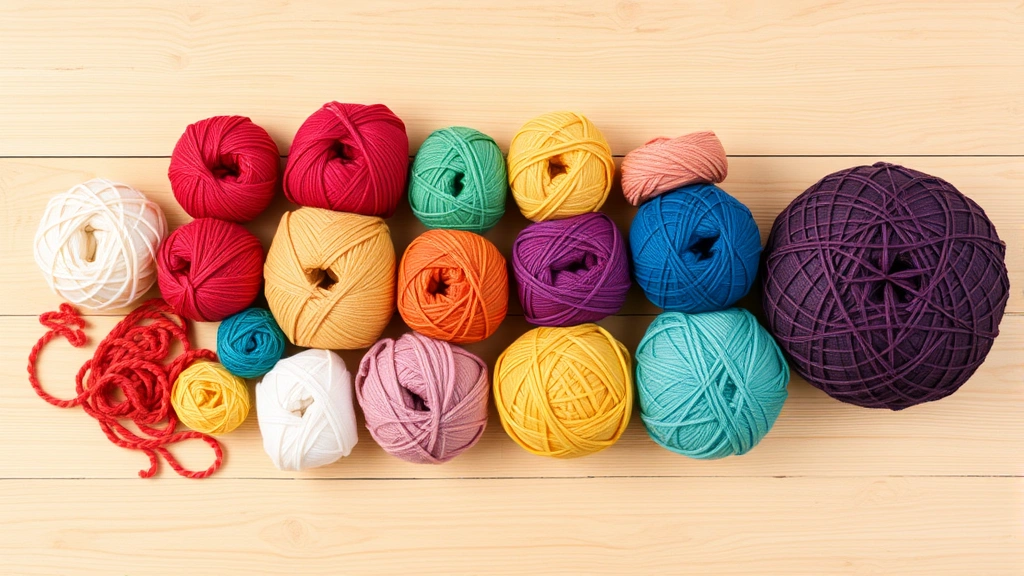
Worsted (4) weight is the workhorse of crochet. It’s thick enough to work up relatively quickly, but not so chunky that you lose stitch definition. Most beginner patterns you’ll find call for worsted weight because it’s forgiving, affordable, and comes in literally every color imaginable. Worsted pairs beautifully with hooks in the H/8 to J/6 range, depending on the specific yarn and desired fabric.
Bulky (5) and Super Bulky (6) weights are the speed demons. These create projects fast—like, you can whip up a cozy blanket in a weekend kind of fast. The tradeoff is that stitch definition can get lost, and you need larger hooks (J/6 to S/19 and beyond) to keep things from becoming a dense, immobile brick.
Jumbo (7) weight is the newest category, and it’s genuinely wild. We’re talking arm knitting thick. These are trending for super chunky blankets and statement pieces, but they’re not practical for most projects unless you specifically want that aesthetic.
Hook Sizes Explained: US vs. Metric
Here’s where it gets a little confusing, but I promise it’s easier than it looks. Hook sizes are measured in two systems: US sizes (which use letters and numbers) and metric sizes (which use millimeters). A US H/8 hook is 5mm. A US J/6 is 6mm. And so on.
The US system goes like this: B/1 (2.25mm), C/2 (2.75mm), D/3 (3.25mm), E/4 (3.5mm), F/5 (3.75mm), G/6 (4mm), H/8 (5mm), I/9 (5.5mm), J/6 (6mm), K/10.5 (6.5mm), and it keeps climbing from there. The numbering seems random because it kind of is—it’s based on historical manufacturing standards, and honestly, you don’t need to memorize it. Just know that as the letters progress, the hooks get bigger.
Many crocheters prefer the metric system because it’s straightforward: 3mm, 4mm, 5mm, 6mm, etc. If you’re buying yarn from international brands or patterns from European designers, you’ll definitely see metric measurements. My advice? Keep a simple conversion chart handy (or bookmark one online) and don’t stress about it too much. Most patterns list both, and yarn labels always include recommended hook sizes in both systems.
How Hook and Yarn Work Together
This is where the magic actually happens. Your hook size and yarn weight have a relationship—they need to complement each other to create fabric that feels right and looks intentional.
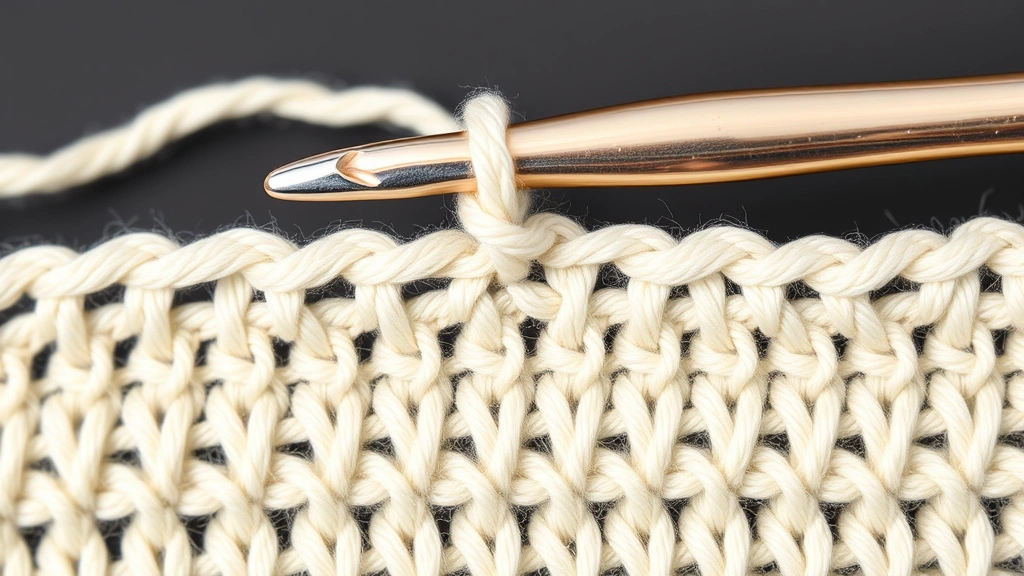
When you pair a thick yarn with a small hook, you get dense, tight stitches. The fabric won’t drape, it’ll be stiff, and your hands will get tired because you’re fighting against the yarn. It’s technically possible, but it’s not pleasant. Conversely, a thin yarn on a huge hook creates floppy, loose stitches with big gaps. You can see right through it, and if you’re making something that needs structure (like a bag or a garment), it’ll fall apart.
The sweet spot is when the yarn slides smoothly onto your hook, and you can see your stitches clearly without them being so tight you can barely work them. This is where following pattern recommendations becomes really valuable, because designers have already tested the perfect pairings for their projects.
Let’s say you’re making a blanket with worsted weight yarn. The pattern calls for an H/8 (5mm) hook. That’s the tested combination. If you grab a G/6 (4mm) instead, your blanket will be denser and won’t drape as nicely. If you use an I/9 (5.5mm), it’ll be looser and more open. Both might still work, but they won’t match the designer’s vision or the final measurements.
Reading and Following Pattern Recommendations
Every yarn label and every crochet pattern includes recommended hook sizes, and these aren’t just suggestions—they’re the result of someone’s testing and experience. When you’re starting out, following these recommendations is genuinely your best friend.
On a yarn label, you’ll typically see something like “Recommended hook size: H/8 (5mm).” That’s your green light. But you’ll also notice yarn labels often list a range, like “H/8 to I/9 (5mm to 5.5mm).” This range exists because different people crochet with different tensions, and different projects benefit from slightly different fabric weights.
In a pattern, the designer will specify the hook size they used and tested. They’ve already done the math for yardage, gauge, and finished measurements based on that hook size. If you deviate significantly, your finished project might be way bigger or smaller than intended, or it might use more or less yarn than you have available.
Checking resources like Ravelry is brilliant here because you can see what hook size other crocheters actually used, especially if they made notes about adjustments they made. It’s like having thousands of friends who’ve already made the project and left you notes about what worked.
Common Mistakes and How to Avoid Them
Let me share the mistakes I see most often, because learning from others’ experiences is way better than repeating them yourself.
Mistake #1: Assuming all worsted weight is the same. It’s not. Some worsted weights are slightly thinner or thicker than others depending on the fiber content and how the yarn was spun. A cotton worsted might work better on a slightly larger hook than a wool worsted. Always check the label and do a quick gauge swatch.
Mistake #2: Ignoring gauge. Gauge is the number of stitches and rows per inch that you’re supposed to get with a specific yarn and hook combination. It sounds boring, but it’s actually crucial. If your gauge is off, your finished project won’t match the pattern’s measurements. Spending 15 minutes on a gauge swatch saves you from making a sweater that fits like a tent or a baby blanket that’s way too small.
Mistake #3: Jumping to the largest hook size because you want the project done faster. I get it—we all want instant gratification. But oversizing your hook creates loose, floppy fabric that looks unfinished. If you’re struggling with a project, it’s usually a tension issue, not a reason to abandon the recommended hook size. Check out our guide on adjusting hook size for your personal tension for better solutions.
Mistake #4: Not considering the project’s purpose when choosing yarn and hook. A lacy summer top needs a different yarn weight and hook size than a sturdy tote bag. A delicate doily calls for lace weight and tiny hooks. A chunky blanket wants bulky weight and big hooks. Match your choices to what you’re actually making.
Mistake #5: Buying yarn without checking the yardage. Two balls of the same weight can have completely different yardage depending on the fiber and twist. Always check the label for total yardage, not just weight. This matters hugely when you’re calculating whether you have enough yarn for your project.
Adjusting Hook Size for Your Personal Tension
Here’s the truth: everyone crochets with slightly different tension. Some people naturally pull yarn tight; others are looser. Neither is wrong—it’s just how your hands work. But it does mean you might need to adjust your hook size to match the pattern’s intended fabric.
If you work tight, your stitches come out smaller and denser than the pattern expects. Your blanket might end up smaller, or your yarn might not stretch as far. In this case, you’d go up one hook size. So instead of an H/8, you’d try an I/9. This gives your stitches a bit more room to breathe and helps your fabric match the pattern’s drape and measurements.
If you work loose, the opposite is true. Your stitches are naturally bigger, and your fabric comes out airier than intended. Going down one hook size (from H/8 to G/6) creates tighter stitches and denser fabric. It sounds counterintuitive, but it works.
The way to figure out your tension is with a gauge swatch. Make a 4×4 inch swatch with the recommended yarn and hook size, then measure how many stitches and rows you get in one inch. Compare it to what the pattern calls for. If you’re off, adjust your hook size and try again. It takes maybe 30 minutes total, and it’s genuinely worth it.
Understanding Yarnspirations tutorials on gauge can be really helpful if you’re visual—they walk you through it step by step.
Practical Examples: Real Projects, Real Choices
Let’s walk through a few actual scenarios so this feels concrete.
Scenario 1: Making a cozy winter blanket. You’ve picked out a gorgeous worsted weight wool blend in a gorgeous charcoal gray. The label says H/8 (5mm) hook. The pattern you found calls for an H/8 and produces a finished blanket that’s 50×60 inches. You do a quick gauge swatch and realize you crochet pretty tight. Your gauge is off by about a stitch per inch. You bump up to an I/9 hook, re-test your gauge, and now it matches. You proceed with the I/9, knowing your finished blanket will be the right size and drape beautifully.
Scenario 2: Making a baby sweater in DK weight. The pattern specifies an E/4 (3.5mm) hook and calls for 800 yards total. You’re using a DK yarn that has 250 yards per 50g ball, so you need about 3.2 balls. You grab four balls to be safe. You check the label—it recommends D/3 to E/4. You test with the E/4 and your gauge is spot-on. You proceed confidently, knowing you have enough yarn and the right hook.
Scenario 3: Making a delicate lace shawl. You’ve found a pattern that uses lace weight yarn and a B/1 (2.25mm) hook. You’ve never worked with yarn this thin, and you’re nervous. You buy the exact yarn the pattern recommends and follow it exactly—no substitutions, no adjustments. You do a small gauge swatch just to feel the yarn and understand how it behaves. It’s slow going, but once you settle into the rhythm, it’s meditative. The hook and yarn combination the designer chose creates the perfect lacy, delicate fabric.
These scenarios show that there’s no one-size-fits-all answer. Every project is different, and the best approach is to understand the fundamentals, follow recommendations, and adjust based on your personal tension.
Building Your Hook and Yarn Toolkit
As you grow your crochet skills, you’ll start building a collection of hooks and yarns. Here’s how to do it thoughtfully without going overboard.
Start with versatile basics: hooks in sizes E/4, H/8, and J/6 cover a huge range of projects. These three sizes handle most beginner and intermediate patterns. As you explore different types of projects, you’ll naturally add others.
For yarn, focus on quality brands that feel good in your hands. Lion Brand offers affordable, reliable worsted and bulky weights. Berroco is fantastic for DK and sport weights. If you want to explore natural fibers, Jimmy Beans Wool has an amazing selection and helpful staff.
Don’t feel like you need to buy every color or every weight. Buy yarn for projects you’re actually excited about. That emotional connection matters—you’re way more likely to finish a project you love.
Troubleshooting When Things Feel Off
Sometimes you’ll get partway through a project and realize something doesn’t feel right. Your fabric looks weird, or you’re struggling to get stitches onto your hook, or the whole thing just feels wrong. Here’s how to diagnose:
Stitches too tight? Your hook might be too small, or your tension might be tight. Try going up one hook size. If that doesn’t help, focus on loosening your grip and letting the yarn flow more freely.
Stitches too loose? Go down one hook size. Loose stitches also happen when you’re not pulling yarn tight enough through your loops—that’s a tension thing, not necessarily a hook size thing.
Running out of yarn? Check your yardage against the pattern requirement. If you’re close, you might be able to adjust your hook size to a smaller one to use less yarn, but this will affect your finished measurements. Better to plan ahead next time by checking yardage before you buy.
Yarn keeps splitting? Your hook might be too small or have a rough spot. Try going up a size or checking your hook for damage. Also, make sure you’re inserting your hook through the stitch cleanly, not stabbing through the yarn itself.
Resources and Communities
You’re not alone in this journey. There’s a massive community of crocheters who love helping others figure this stuff out. The Crochet Guild of America has local chapters, online groups, and tons of resources. Reddit’s r/crochet community is wonderfully supportive. Instagram has endless inspiration and real crocheters sharing their work and troubleshooting tips.
When you’re stuck, ask. Seriously. Post a picture of your work, describe what’s happening, and explain what hook and yarn you’re using. Someone will help you figure it out.
FAQ
What if I don’t have the exact hook size a pattern calls for?
You can go up or down one size and usually be fine, especially with worsted and bulky weights. Do a gauge swatch first to make sure your stitches still look right. With delicate projects like lace, try to stick closer to the recommended size.
Can I use a different yarn weight than the pattern calls for?
Technically yes, but it’s risky. You’ll need to recalculate yardage, adjust hook size, and test gauge. For beginners, I’d say stick with what the pattern recommends. Once you’re more experienced, experimenting is fun.
How do I know if a yarn is good quality?
Feel it. Does it feel pleasant in your hands? Is the color even? Does the label list fiber content and yardage clearly? Good yarn brands are transparent about what they’re selling. If something feels cheap or looks inconsistent, it probably is.
Is expensive yarn always better?
Not necessarily. Expensive yarn might have luxury fibers like merino or cashmere, which feel amazing but aren’t essential for learning. Mid-range yarns offer great quality at reasonable prices. Splurge on special projects, but don’t feel bad about using affordable yarn for practice.
What’s the best hook material: aluminum, bamboo, or wood?
That’s personal preference. Aluminum is smooth and fast. Bamboo is warm and has a bit of grip. Wood feels luxe. For beginners, aluminum is usually best because it’s affordable and smooth. As you develop preferences, try others.
Should I buy a whole set of hooks?
You don’t need to. Buy the sizes you’ll actually use. Most crocheters have favorites they return to repeatedly. Building a collection over time based on projects you love is smarter than buying a full set upfront.