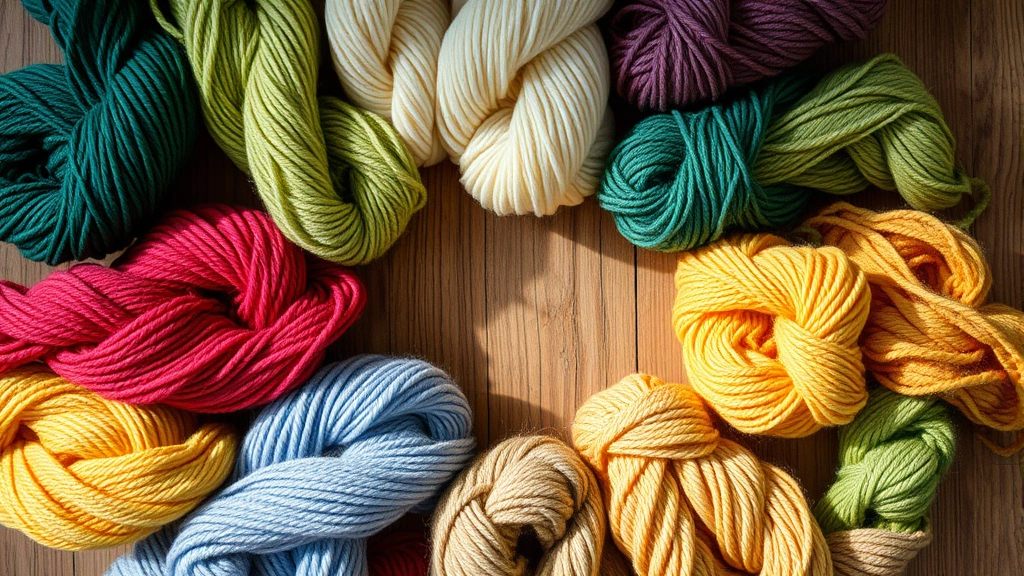
The Complete Guide to Choosing Yarn for Your Crochet Projects
Let’s be real—walking into a yarn shop or scrolling through an online catalog can feel absolutely overwhelming. There are so many options: different fibers, weights, colors, price points, and brands. You might find yourself standing in the aisle wondering, “Will this yarn work for what I want to make? Is it worth the investment? Am I overthinking this?” The answer to that last question is probably yes, but here’s the good news: choosing yarn doesn’t have to be stressful once you understand what you’re actually looking for.
I’ve been there, holding five different skeins up to the light, reading the label for the hundredth time, second-guessing whether I should splurge on the luxury fiber or stick with something budget-friendly. The truth is, the best yarn for your project depends on several factors that we’re going to break down together. Whether you’re making a cozy blanket, a structured garment, or a delicate lace shawl, there’s a yarn out there that’s perfect for it—and I’m here to help you find it.
Understanding Yarn Weight and Fiber Content
Before we go any further, let’s talk about the two biggest factors that’ll influence your yarn choice: weight and fiber. These aren’t just random specifications—they actually determine how your finished project will look, feel, and hold up over time.
Yarn weight refers to how thick or thin the yarn is, and it’s standardized on a scale from 0 (lace) to 7 (jumbo). Most people work with weights 2 through 5, which covers fingering, sport, DK, worsted, and bulky yarns. The weight matters because it affects your gauge, how quickly your project comes together, and the final drape and structure of what you’re making. A delicate fingering-weight yarn will give you intricate detail and a beautiful, flowing fabric, while a chunky bulky-weight yarn works up fast and creates a cozy, textured look.
Now, fiber content is where things get really interesting. Are we talking about natural fibers like wool, cotton, and linen? Synthetic options like acrylic and polyester? Or maybe a blend of both? Each fiber has its own personality. Wool is warm, elastic, and forgiving—it’s why so many beginners gravitate toward it. Cotton is breathable, perfect for summer garments and dishcloths, but it doesn’t have much bounce. Acrylic is affordable, easy to care for, and comes in seemingly infinite colors. Specialty fibers like alpaca, silk, and bamboo offer luxury feels but come with higher price tags.
Here’s the real talk: there’s no “best” fiber. There’s only the best fiber for what you’re trying to make and what matters to you personally. Some crocheters care deeply about using natural, sustainable materials. Others prioritize affordability and washability. And plenty of us are somewhere in the middle, mixing and matching based on the specific project.
How to Match Yarn to Your Project
Okay, so you’ve got a pattern you’re excited about. Before you buy a single skein, here’s what you need to check: the yarn weight and yardage the pattern calls for. This is non-negotiable. If a pattern says “worsted weight” and you show up with fingering-weight yarn, you’re going to end up with something that doesn’t match the designer’s vision—and probably won’t fit right either.
The pattern will also tell you the yardage you need. Let’s say you’re making a sweater that calls for 1,200 yards of worsted weight. You can’t just grab any worsted-weight yarn; you need to make sure you have enough yardage. A skein of one brand might give you 190 yards, while another brand gives you 220 yards for the same weight. Do the math before you check out.
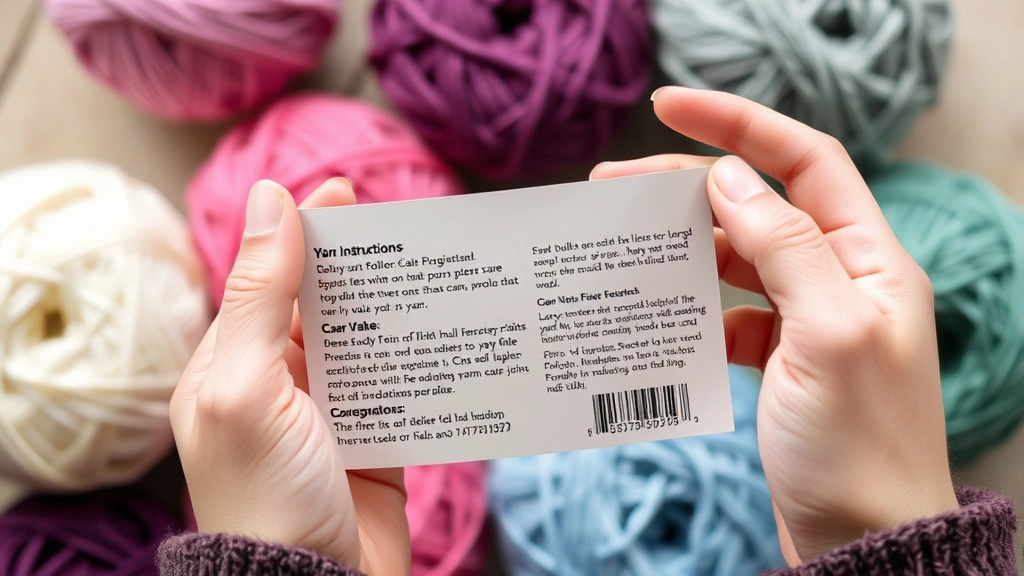
But here’s where it gets fun: once you’ve got those specs locked down, you have freedom. You can absolutely substitute one yarn for another as long as the weight and yardage match. This is where reading the label carefully becomes your superpower. The label tells you everything: the yardage per skein, the recommended hook size, the fiber content, and crucially, the care instructions.
Let me give you a concrete example. Say you’re making a blanket and the pattern calls for 2,000 yards of worsted-weight yarn. You could use budget-friendly acrylic, a luxury wool blend, or a cotton-acrylic mix—as long as each option gives you roughly the same yardage and weight. Your finished blanket will look structurally similar, but the feel and durability will be different. That’s totally okay; it just depends on what matters to you for that particular project.
One more thing: always, and I mean always, check the care instructions before committing. If you’re making a baby gift and the yarn requires dry cleaning only, that’s probably not the move. You want something that can handle a real life—washing machines, spills, and all.
When you’re selecting your hook size, the pattern will recommend one, but the yarn label will also suggest a range. The recommended hook size on the pattern is there for a reason, and it’s usually based on achieving a specific gauge. If you want to follow the pattern exactly, stick with what it says. But if you want a slightly looser or tighter fabric, you can go up or down a hook size—just be prepared to check your gauge and adjust yardage if needed.
Budget-Friendly vs. Premium Yarns: What’s the Real Difference?
Let’s address the elephant in the room: price. Yarn can range from a couple of dollars per skein to $30 or more, and that’s a real consideration when you’re planning a big project. Here’s what I’ve learned after years of working with both ends of the spectrum: the most expensive yarn isn’t always the best choice, and the cheapest option isn’t always a bad investment.
Budget-friendly acrylic yarns, especially brands like Red Heart and Caron, have come a long way. They’re affordable, available everywhere, and they work beautifully for afghans, amigurumi, and projects where durability and washability matter. The downside? They can feel plasticky, they don’t regulate temperature well, and they’re not ideal if you’re sensitive to synthetic fibers. But for a beginner learning the basics of crochet stitches and techniques, acrylic is honestly perfect. You’re not going to cry if you have to frog (rip back) a few rows.
Mid-range yarns—think Caron Cakes, Vanna’s Choice, or Patons—hit a sweet spot. They’re reasonably priced, feel better than basic acrylic, and they’re available in a ton of colors. Many experienced crocheters keep a stash of these for everyday projects.
Premium yarns like Malabrigo, Cascade, and indie dyers offer superior fiber quality, beautiful hand, and often come from ethical, sustainable sources. If you’re making something special—a wedding gift, a garment you’re going to wear constantly, or a heirloom piece—premium yarn might be worth the investment. The finished object will feel luxurious and hold its shape and color better over time.
Here’s my honest take: spend more on projects that matter to you, and save money on projects where durability and luxury aren’t the main point. You don’t need to spend $25 on yarn for a dishcloth. But if you’re making a sweater you’ll wear for years, investing in good yarn often means you’ll actually wear and love the finished product.
Reading Labels Like a Pro
Yarn labels contain a surprising amount of useful information, and learning to decode them is genuinely helpful. Let me break down what you’re actually looking at.
Weight and yardage: This is the foundation. The label tells you the yarn weight (lace, fingering, sport, DK, worsted, bulky, etc.) and how many yards or meters are in the skein. Sometimes it also tells you the weight in grams.
Recommended hook size: This is a suggestion, not a command. It’s based on achieving a standard gauge with that yarn. If the label says “size H/8 (5mm) hook,” that’s a starting point.
Fiber content: This is crucial. It tells you exactly what the yarn is made of and in what percentages. “100% Merino wool” is different from “80% acrylic, 20% wool,” which is different from “100% cotton.” Read this carefully if you have fiber preferences or allergies.
Care instructions: These little symbols matter. A symbol that looks like a bucket might mean hand wash, while an X through a bucket means don’t wash at all. An iron symbol means you can press it; an X through the iron means don’t. These aren’t suggestions—they’re guidelines for keeping your finished project looking good.
Dye lot: This is a number that indicates when the yarn was dyed. If you’re buying multiple skeins, try to get the same dye lot so the colors match perfectly. Different dye lots of the “same” color can actually look noticeably different.
Brand and fiber name: Sometimes the brand gives their yarns specific names, like “Wool of the Andes” or “Superwash Merino.” These names often indicate something about the yarn’s characteristics or treatment.
Pro tip: take a photo of the label before you start your project. Seriously. If you ever need to buy more yarn for repairs or modifications, you’ll have all the information right there on your phone.
Common Yarn Mistakes and How to Avoid Them
After talking to countless crocheters, I’ve noticed some patterns in the mistakes people make when choosing yarn. Let me save you from these pitfalls.
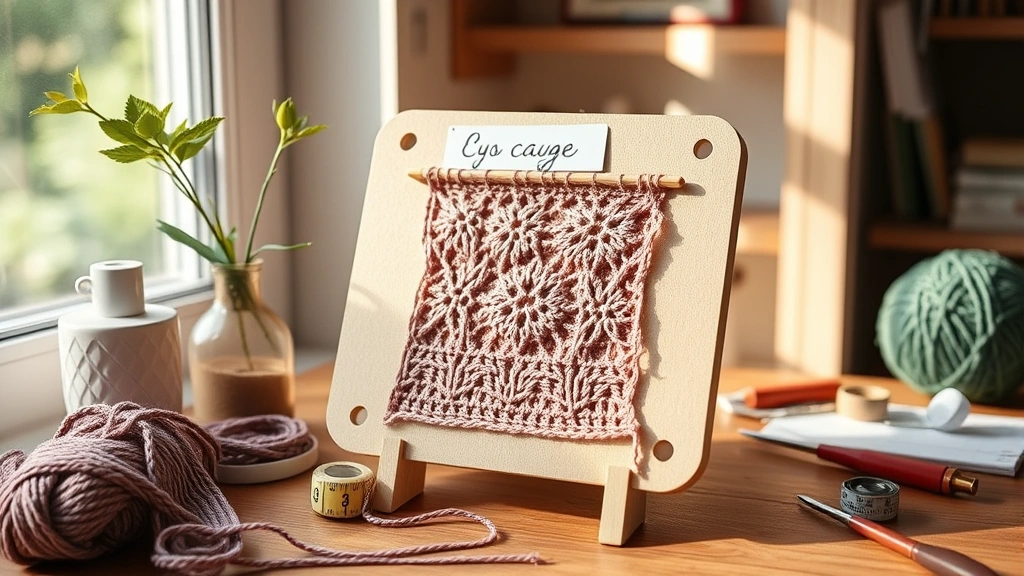
Mistake #1: Ignoring the gauge. Gauge is how many stitches and rows you get in a 4×4 inch square. If you ignore it and just assume your yarn will work, you might end up with a sweater that’s three sizes too big or too small. Always work up a gauge swatch before committing to a large project. It takes 15 minutes and saves you hours of regret.
Mistake #2: Buying yarn without checking yardage. You fall in love with a color, buy five skeins, get home, and realize the pattern needs 2,000 yards but you only have 1,400. Don’t be me. Check the yardage before you buy.
Mistake #3: Choosing yarn based solely on price. Sometimes the cheapest option really is the best value. Sometimes it’s not. Factor in quality, durability, and whether you’ll actually enjoy working with it. A yarn that feels gross to crochet with will drain your motivation, even if it’s inexpensive.
Mistake #4: Not considering the care instructions. You finish a beautiful sweater, throw it in the wash, and it comes out felted and two sizes smaller. Read the label. Always.
Mistake #5: Substituting yarn without checking weight and yardage. “This yarn is pretty much the same,” you think. It’s not. Yarn weight and yardage are non-negotiable. Everything else can be adjusted.
Specialty Yarns and When to Use Them
Beyond the standard options, there’s a whole world of specialty yarns that open up creative possibilities. Let me tell you about some of my favorites and when they actually make sense to use.
Variegated and self-striping yarns: These come with built-in color changes, which means your finished project automatically has visual interest without you having to manage multiple colors. The downside? You can’t control where the colors fall, so stripes might land in weird places. They’re perfect for afghans and blankets where random stripes are charming.
Textured and novelty yarns: Bouclé, eyelash, ribbon, and other textured yarns create really unique finished projects. The catch is that they can be tricky to work with—it’s harder to see your stitches—and they’re not great for complex stitch patterns. Save these for simpler projects where the texture is the star.
Yarn blends: A cotton-acrylic blend gives you the breathability of cotton with the durability and affordability of acrylic. A wool-alpaca blend offers warmth with a softer hand. Blends are where you find a lot of middle-ground options that balance different qualities.
Superwash treated yarn: This is regular wool that’s been treated to be machine washable. If you want the feel of wool but need something practical for a baby gift or frequently washed item, superwash is your answer.
Sustainable and eco-friendly options: Brands like Cascade Yarns and many indie dyers focus on environmentally responsible practices. If this matters to you, it’s worth seeking these out and supporting them.
The key with specialty yarns is understanding what trade-offs you’re making. More texture usually means less stitch definition. Novelty yarns are fun but can be harder to frog if you make mistakes. Luxury fibers feel amazing but cost more. Be intentional about these choices rather than just grabbing something cool.
FAQ
What’s the difference between yarn weight and yardage?
Yarn weight refers to how thick the yarn is (lace, fingering, sport, DK, worsted, bulky, jumbo). Yardage is how much yarn you get in a skein—the length, not the thickness. You need both pieces of information to substitute yarn successfully. Two yarns could both be worsted weight but have different yardage per skein.
Can I use a different yarn than what the pattern calls for?
Yes, as long as the weight and yardage are similar. You’ll need to check your gauge to make sure the finished product will be the right size. Different fibers might feel different and have different care requirements, but the structure will be similar if the weight matches.
How do I know if yarn is good quality?
Good quality yarn has a consistent thickness, minimal pilling, and feels pleasant to work with. It holds its shape after blocking and doesn’t shed excessively. Premium yarns tend to have better quality, but some mid-range options are excellent. The best way to know is to feel it in person or read reviews from other crocheters on Ravelry.
Should I always follow the recommended hook size on the label?
The recommended size is a starting point, not a requirement. If the pattern specifies a hook size, use that—it’s been tested for that specific pattern. If you’re designing your own project, the label’s recommendation is a good place to start, but you can adjust up or down based on the fabric you want to create.
What’s the best yarn for beginners?
Medium-weight yarn (DK or worsted) in a solid, light color is ideal for beginners. Acrylic is affordable and forgiving. Avoid dark colors (hard to see stitches), novelty yarns (hard to work with), and very thin or very thick yarns (harder to control). As you improve, you can explore more options.
How do I avoid running out of yarn mid-project?
Always buy the amount the pattern calls for, plus a little extra if possible. Keep track of your yardage as you work by weighing your yarn periodically. If you’re worried you might run short, consider a smaller size or modifications. Better to finish a smaller version than run out partway through.
Is it worth investing in expensive yarn?
It depends on the project and what matters to you. For a sweater you’ll wear constantly, yes. For a practice project or a dishcloth, probably not. Consider the longevity and how much you’ll use the finished object. Also, check Yarnspirations and Ravelry for free patterns and inspiration that might help you decide if a project is worth the investment.