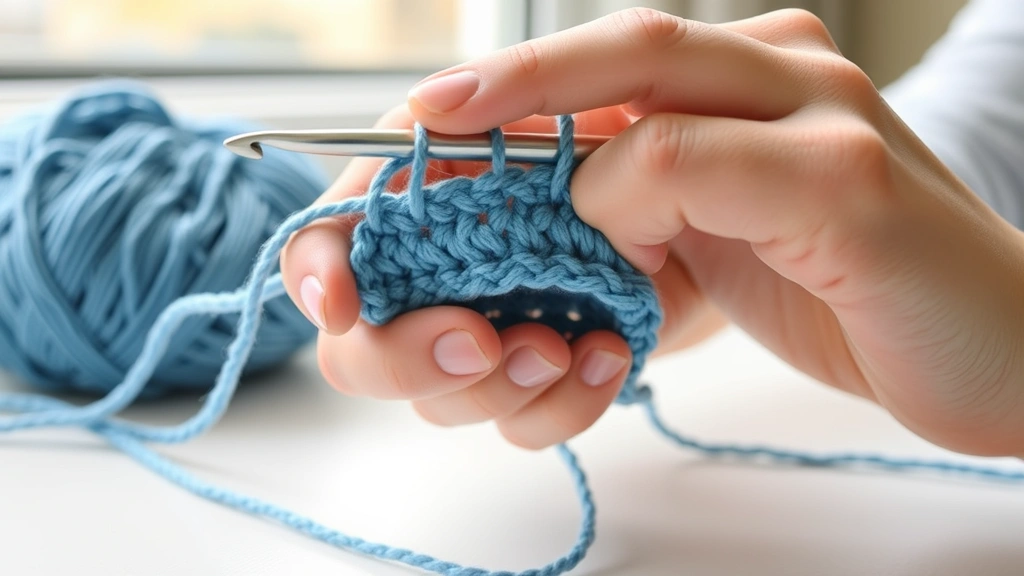
You know that feeling when you’re halfway through what you thought was going to be a gorgeous blanket, only to realize it’s turning into a wonky trapezoid? Yeah, I’ve been there too. The culprit is usually tension – that mysterious force that can make or break your crochet projects. After years of wrestling with uneven stitches and projects that looked nothing like the pattern photos, I finally cracked the code on getting consistent tension every single time.
Here’s the thing about crochet tension that nobody talks about enough: it’s not just about how tight or loose you hold your yarn. It’s about developing muscle memory, understanding your materials, and yes, sometimes accepting that your natural tension might be different from the pattern designer’s. But don’t worry – once you understand how tension works and learn a few key techniques, you’ll never have to frog another project because of size issues.
Quick Answer
Consistent crochet tension comes from maintaining steady yarn flow, using the right hook size for your natural tension, and practicing regularly. Most tension problems can be fixed by adjusting your hook size rather than forcing your hands to work differently.
Understanding Crochet Tension
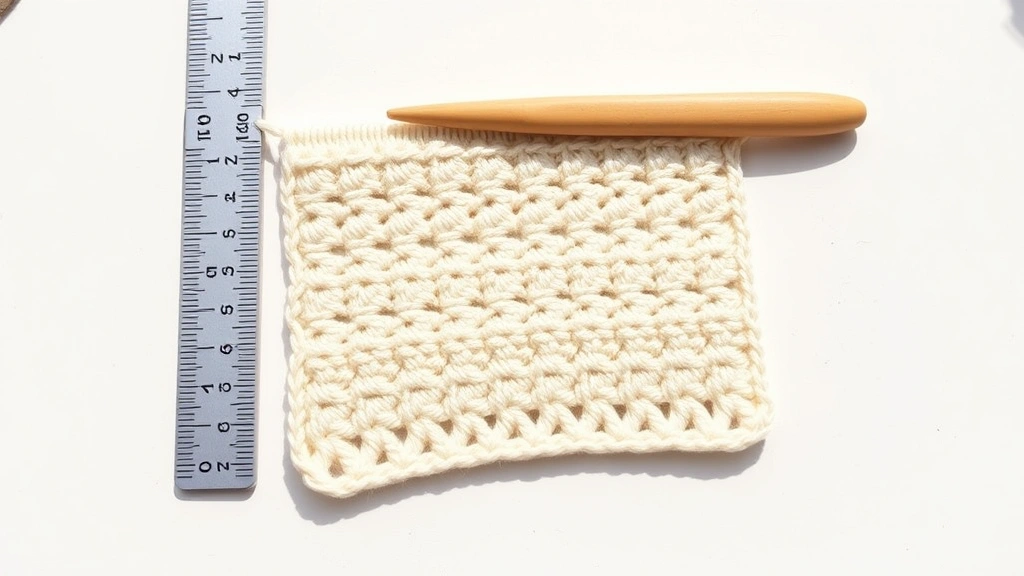
Tension in crochet refers to how tightly or loosely you work your stitches, which directly affects the size and drape of your finished project. Think of it as the difference between a stiff dishcloth and a drapey shawl – same stitches, different tension. When patterns specify gauge (like “16 stitches = 4 inches”), they’re giving you a tension target to match.
Your natural tension is influenced by several factors: how you hold your hook, how you control your yarn, your grip strength, and even your mood. I’ve noticed my tension gets tighter when I’m stressed and looser when I’m relaxed and watching TV. Understanding this is the first step to controlling it.
The key insight that changed everything for me was realizing that consistent tension matters more than “correct” tension. If you consistently crochet tighter than the pattern suggests, you can simply use a larger hook. The Craft Yarn Council provides standardized guidelines, but your personal gauge is what really matters for your projects.
Why Tension Varies
Several factors affect your tension throughout a project. Time of day matters – I’m usually tighter in the morning and looser in the evening. The type of yarn makes a difference too. Slippery yarns like bamboo tend to make my stitches looser, while sticky cotton keeps them tighter. Even the type of hook you’re using can influence your tension significantly.
Pro tip: Keep a tension journal for your first few projects. Note the time of day, your stress level, the yarn type, and your resulting gauge. You’ll start to see patterns that help you predict and adjust your tension.
How to Measure Your Gauge
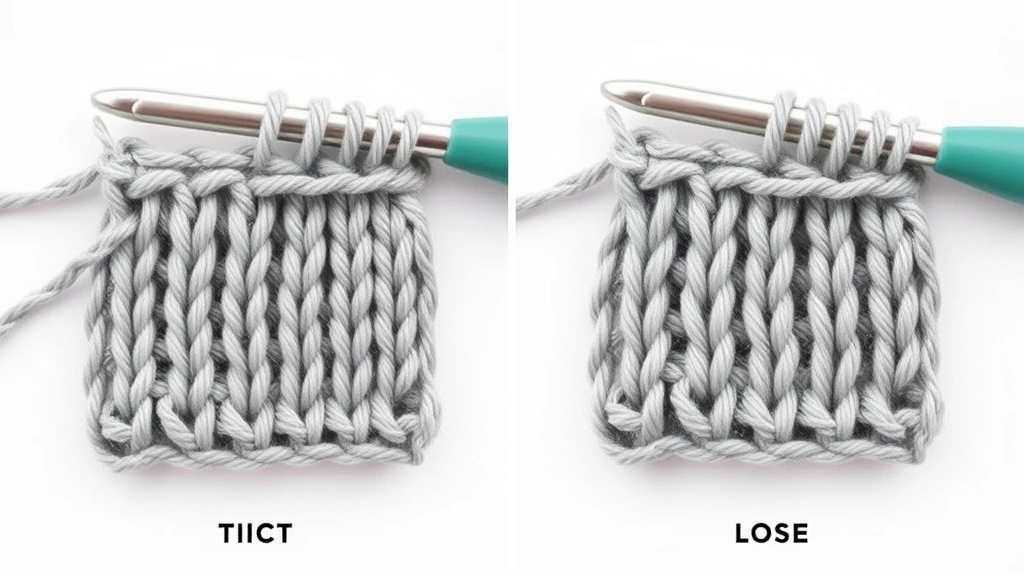
Gauge swatches might seem boring, but they’re your best friend for consistent results. I make mine at least 6 inches square using the exact yarn and hook specified in the pattern. This gives me enough fabric to measure accurately and see how the yarn behaves.
Here’s my foolproof method: crochet your swatch, then let it relax for at least 30 minutes. Yarn has memory, and those stitches need time to settle into their natural shape. Then measure in the center of your swatch, not at the edges where tension often varies.
- Create Your Swatch
Make a square at least 6×6 inches using the pattern stitch and suggested hook size. Work in your normal rhythm – don’t try to force different tension.
- Let It Rest
Set the swatch aside for 30 minutes to an hour. This lets the yarn fibers relax into their natural position.
- Measure Carefully
Use a rigid ruler and measure 4 inches in the center of your swatch. Count stitches and rows within that 4-inch square.
- Compare and Adjust
If you have more stitches than the pattern calls for, your tension is tight – try a larger hook. Fewer stitches means loose tension – go down a hook size.
For baby blanket projects, getting gauge right is especially important because size really matters. A blanket that’s supposed to be 36 inches could end up being 42 inches if your tension is too loose, which affects both the look and the amount of yarn you’ll need.
Essential Tension Control Techniques
The way you hold and control your yarn has the biggest impact on your tension. I’ve tried dozens of yarn-holding methods over the years, and here are the techniques that actually work for maintaining consistent tension.
The Yarn Feed Method
This is my go-to technique for most projects. Hold your yarn with your non-hook hand, threading it through your fingers to create natural tension points. I wrap the working yarn around my pinky, under my ring and middle fingers, and over my index finger. This creates a smooth, controlled yarn feed that keeps tension consistent.
The key is finding the right number of tension points for your hands. Some crocheters need more wraps around their pinky, others need fewer. Experiment until you find what gives you smooth, even yarn flow without cramping your hand.
Hook Grip and Movement
How you hold your hook affects tension more than you might think. I prefer the pencil grip for most work because it gives me better control over stitch formation. The knife grip works well for some people, especially when working with chunky weight yarns that need more leverage.
The motion of making stitches should be smooth and rhythmic. Jerky movements create uneven tension. I focus on making each yarn over and pull-through motion the same speed and pressure. It’s like developing a personal crochet tempo.
Tension Tip: Practice making single crochet stitches while counting “one-two-three” for each stitch: one for the insert, two for the yarn over, three for the pull-through. This rhythm helps maintain consistent tension.
Fixing Common Tension Problems
Let’s tackle the tension issues that drive us all crazy. I’ve dealt with every single one of these, so trust me when I say they’re all fixable with the right approach.
Tight Tension Problems
If your stitches are so tight you can barely get your hook through them, you’re not alone. This was my biggest struggle when I started crocheting. Tight tension makes your fabric stiff and can cause hand cramps. The solution isn’t to consciously loosen up – that usually makes things worse because you’re overthinking every stitch.
Instead, focus on your yarn feed. Make sure the yarn flows smoothly through your fingers without catching or binding. Sometimes switching to a hook with a deeper throat helps because it gives you more room to maneuver. I also found that ergonomic crochet hooks reduced the grip pressure I was unconsciously applying.
Loose Tension Issues
Loose, floppy stitches create fabric with no structure and gaps between stitches. This often happens when you’re too relaxed with your yarn control or when you’re using a hook that’s too large for your natural tension.
The fix is usually a smaller hook size, but also check your yarn-holding technique. You might need to add another wrap around your pinky or adjust where the yarn sits on your index finger. For amigurumi projects, loose tension is especially problematic because stuffing will show through the gaps.
| Problem | Quick Fix | Long-term Solution |
|---|---|---|
| Stitches too tight | Go up one hook size | Practice yarn flow techniques |
| Stitches too loose | Go down one hook size | Adjust yarn-holding method |
| Inconsistent within rows | Focus on rhythm | Practice tension exercises |
| Different tension between projects | Always make gauge swatch | Keep tension journal |
Hook and Yarn Combinations
Getting the right hook and yarn pairing is crucial for consistent tension. The standard hook size recommendations on yarn labels are just starting points – your personal tension determines what actually works.
I keep detailed notes about which hook sizes work best for me with different yarn weights. For worsted weight yarn, patterns usually call for an H/8 (5mm) hook, but I consistently use a G/6 (4mm) because my natural tension runs loose. With DK weight yarn, I typically need a size smaller than recommended.
Material Matters
Hook material affects how yarn slides and can impact your tension. Aluminum hooks have a smooth surface that lets yarn glide easily – great if you tend to crochet tightly. Bamboo hooks have more grip, which can help if your tension tends to be loose. Steel hooks are excellent for thread work where precise tension control is essential.
I’ve found that switching between hook materials during a project can cause tension variations, so I stick with one hook type throughout. If you’re working on a large project like an afghan pattern, buy extra hooks of the same brand and material in case you lose or break one.
Hook switching tip: If you must change hooks mid-project, work a few practice rows with the new hook first to adjust to any tension differences before continuing your main project.
Tension Practice Exercises
Like any skill, consistent tension improves with targeted practice. These exercises helped me develop muscle memory for even stitches, and I still use them when I’m feeling rusty or trying a new technique.
The Chain Exercise
Start with a simple foundation chain of 50 stitches using worsted weight yarn and your usual hook size. Focus on making each chain the same size and tension. Your chains should look like evenly spaced loops without tight spots or loose gaps. This exercise builds the foundation for consistent tension in all your stitches.
Once your chains are consistent, practice single crochet across the row, focusing on inserting your hook the same depth each time and maintaining the same yarn tension for every stitch. The goal is developing a rhythm that becomes automatic.
Stitch Sampler Squares
Create 4-inch squares using different basic stitches: single crochet, half double crochet, double crochet, and treble crochet. Use the same yarn and hook for all squares. This shows you how your tension varies with different stitch heights and helps you adjust accordingly.
I noticed my double crochet stitches were consistently looser than my single crochet, so I learned to hold my yarn slightly tighter for taller stitches. These kinds of personal tension patterns become clear when you practice systematically.
Practice Schedule: Spend 10-15 minutes on tension exercises before starting any new project. It’s like warming up before exercise – it gets your hands in the right rhythm and mindset.
Advanced Troubleshooting
Sometimes tension problems are more complex than just adjusting hook size. Here are the trickier issues I’ve encountered and how to solve them.
Tension Changes Mid-Project
This is incredibly frustrating – you start with perfect gauge, then halfway through your project, something shifts. Usually, this happens because your hands have relaxed into the project rhythm, or you’ve unconsciously adjusted your grip. Environmental factors matter too; I crochet tighter when it’s cold and looser when it’s warm.
The solution is to check your gauge every few inches of progress, especially on large projects. If you notice changes, don’t panic. Often you can block the finished piece to even out minor variations. For major changes, you might need to frog back to where the tension shifted and restart with awareness of the issue.
Pattern-Specific Tension Issues
Some stitch patterns naturally create tension challenges. Lace patterns with lots of chain spaces can make your work feel loose even when your gauge is correct. Dense textured stitches might feel tight. Understanding that different patterns have different feels helps you avoid unnecessary adjustments.
Color changes can also affect tension. When I’m working with multiple colors, I tend to pull the new color tighter at the join point. Being aware of this helps me consciously maintain consistent tension through color changes.
For projects with complex stitch patterns, I always work a larger swatch that includes several pattern repeats. This gives me a better sense of how my tension behaves across the full pattern, not just basic stitches.
Common Questions
How long does it take to develop consistent tension?
Most crocheters see significant improvement within 2-3 months of regular practice, but everyone’s timeline is different. I noticed my tension becoming more consistent after completing about 5 small projects where I focused specifically on gauge. The key is mindful practice rather than just crocheting mindlessly while watching TV.
Should I always match the pattern’s exact gauge?
For fitted garments, yes – gauge is crucial for proper sizing. For blankets, scarves, and decorative items, being close is usually fine. I aim to get within half a stitch per inch of the pattern gauge. If you’re consistently off by more than that, adjust your hook size rather than fighting your natural tension.
Why is my tension different with different yarns?
Yarn fiber content, texture, and weight all affect how it behaves in your hands. Smooth yarns like bamboo or silk slide more easily, often resulting in looser tension. Textured yarns like wool or cotton provide more grip, which can tighten your tension. This is completely normal – just adjust your hook size accordingly for each yarn type.
Can I fix tension problems in a finished project?
Minor tension variations can often be improved with blocking. Wet blocking works especially well for natural fibers. For synthetic yarns, steam blocking might help. However, major tension inconsistencies that affect the project’s shape or size usually require re-working those sections.
What’s the biggest mistake beginners make with tension?
Trying to force their hands to work differently instead of adjusting their tools. If you naturally crochet tightly, use a larger hook rather than trying to consciously loosen your grip. Fighting your natural tension usually makes it more inconsistent, not better. Work with your hands, not against them.
How do I maintain consistent tension on large projects?
Take regular breaks to prevent hand fatigue, which leads to tension changes. I check my gauge every 6-8 inches on large projects like blankets. Keep your yarn organized so you’re not fighting tangles, which can unconsciously affect your tension. Most importantly, try to crochet at the same time of day when possible – your natural tension varies throughout the day.
Is expensive yarn easier to maintain consistent tension with?
Not necessarily. While higher-quality yarns often have more consistent thickness and texture, which can help with even stitches, the price doesn’t determine how easy it is to control tension. Some budget yarns actually provide better grip for tension control. The key is finding yarns that work well with your personal crocheting style, regardless of price.
Should I use different tension for different types of projects?
The pattern’s recommended gauge should be your target, but some projects benefit from slight adjustments. Dishcloths and washcloths work better with slightly tighter tension for durability. Shawls and scarves often look better with the exact gauge or slightly looser for better drape. Always make a swatch to test how the fabric feels and behaves for its intended use.
Mastering crochet tension isn’t about achieving perfection – it’s about developing consistency and understanding how your personal style works with different materials and patterns. The techniques I’ve shared here took me years to figure out through trial and error, but you can start implementing them right away.
Remember that every crocheter’s tension is unique, and that’s not a flaw to fix but a characteristic to understand and work with. Focus on consistency rather than matching someone else’s gauge exactly, and don’t be afraid to adjust hook sizes to achieve the fabric you want. Your projects will look more professional, fit better, and you’ll enjoy the process so much more when you’re not constantly worrying about uneven stitches.
Start with those gauge swatches – I know they’re not exciting, but they’re the foundation of everything else. Once you understand your personal tension patterns, you’ll approach every new project with confidence. Happy crocheting!