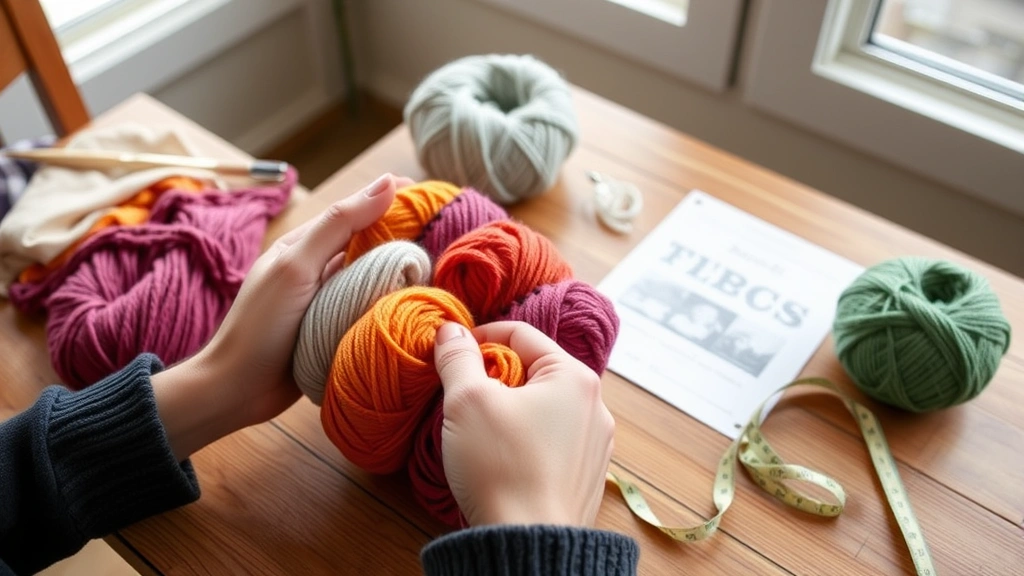
Last week, I was working on a gorgeous granny square blanket when disaster struck – I ran out of my main color yarn with only three squares left to complete. Standing in the yarn aisle at my local craft store, holding up skeins to my phone screen trying to match the color, I realized I should have planned this project better from the start.
This scenario happens to almost every crocheter at some point. You fall in love with a pattern, dive in headfirst, and then suddenly find yourself scrambling to figure out exactly how much yarn you actually need. Whether you’re a beginner working on your first scarf or an experienced crocheter tackling an intricate blanket, understanding yarn requirements can save you from mid-project panic trips to the store.
The truth is, calculating yarn needs isn’t just about avoiding shortages – it’s about budgeting effectively, choosing the right yarn weight for your project, and understanding how different factors like stitch patterns and hook sizes affect your yarn consumption. I’ve learned these lessons the hard way, and I’m here to share what I’ve discovered so you don’t have to make the same mistakes.
Quick Answer
Most crochet projects require 200-2000 yards of yarn depending on size and complexity. Small projects like dishcloths need 100-200 yards, while king-size blankets can require 3000+ yards. Always buy 10-20% extra yarn than calculated to account for gauge differences and potential mistakes.
Understanding Yarn Weights and Yardage
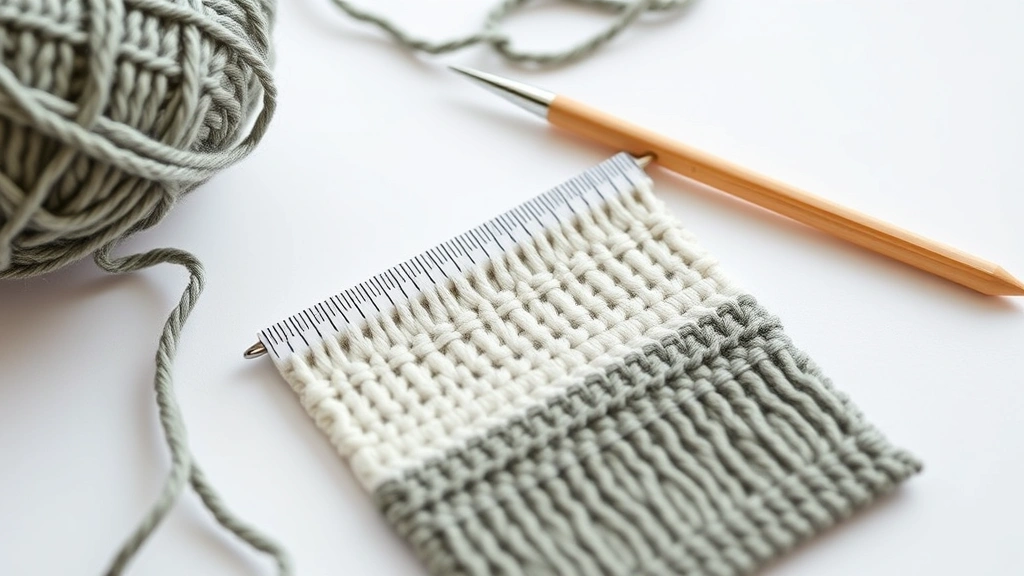
The Craft Yarn Council standardized yarn weights to make project planning much easier, but understanding how these weights translate to actual yardage needs takes some practice.
Each yarn weight has a typical yardage per 50g or 100g skein, which directly impacts how much you’ll need for any project. Lace weight yarn (0) might give you 400-500 yards per 50g, while super bulky yarn (6) might only provide 40-60 yards in the same weight.
| Yarn Weight | Typical Yardage (50g) | Best Hook Size | Common Uses |
|---|---|---|---|
| Fingering (1) | 200-250 yards | 2.25-3.5mm | Delicate shawls, baby items |
| Sport (2) | 140-180 yards | 3.5-4.5mm | Lightweight sweaters, baby blankets |
| DK (3) | 120-140 yards | 4.5-5.5mm | Scarves, light afghans |
| Worsted (4) | 90-110 yards | 5.5-6.5mm | Sweaters, most blankets |
| Bulky (5) | 75-90 yards | 6.5-9mm | Quick scarves, chunky throws |
| Super Bulky (6) | 40-60 yards | 9mm+ | Super quick projects |
When I’m planning a project, I always check the yarn label for the specific yardage rather than assuming. For example, Lion Brand Wool-Ease gives you 197 yards per 85g skein, while their Thick & Quick only provides 106 yards per 140g skein. These differences can dramatically affect your yarn calculations.
Pro tip: Always write down the exact yarn name, color number, and dye lot when starting a project. This information becomes crucial if you need to buy more yarn later.
Calculating Yarn for Different Project Sizes
Project size is obviously the biggest factor in yarn requirements, but the relationship isn’t always linear. A baby blanket that’s 30″ x 36″ doesn’t simply need half the yarn of a throw that’s 50″ x 60″ – stitch patterns, edging, and construction methods all play a role.
Small Projects (Under 500 yards)
Dishcloths, washcloths, and small amigurumi projects typically fall into this category. A standard 8″ x 8″ dishcloth in worsted weight cotton usually needs about 80-100 yards. I’ve found that most small accessories like headbands, simple scarves, and baby hats require 150-300 yards of worsted weight yarn.
Medium Projects (500-1500 yards)
This range covers most adult scarves, cowls, shawls, and small blankets. A typical adult scarf that’s 8″ wide and 60″ long needs approximately 600-800 yards of worsted weight yarn. Baby blankets usually fall into the upper end of this range, requiring 1000-1500 yards depending on the final size and stitch pattern complexity.
Large Projects (1500+ yards)
Adult sweaters, large throws, and king-size blankets require serious yarn planning. A basic adult pullover sweater in worsted weight typically needs 1200-2000 yards, while an intricate cabled design might require 2500+ yards. Afghan-sized throws (approximately 50″ x 60″) generally need 2000-3000 yards of worsted weight yarn.
Factors That Affect Yarn Consumption
Understanding what influences yarn consumption helps you make more accurate estimates and avoid unpleasant surprises halfway through your project.
Stitch Pattern Density
Different stitches eat up yarn at vastly different rates. Single crochet creates a dense, yarn-hungry fabric, while double crochet stitches use less yarn per square inch. Lacy patterns with lots of chain spaces are yarn-efficient, while textured stitches like bobbles or popcorns are yarn hogs.
I’ve tracked my yarn usage across different stitch patterns, and here’s what I’ve found: a granny square blanket uses about 30% less yarn than the same-sized blanket worked in single crochet. Meanwhile, a heavily textured pattern like the moss stitch can use 20-40% more yarn than basic double crochet.
Hook Size Impact
Using a larger hook than recommended creates looser stitches and uses less yarn, while a smaller hook creates tighter fabric and consumes more yarn. This is why gauge swatches are so important – they help you predict not just the finished size but also yarn consumption.
When I switched from a 5.5mm to a 6mm hook on a recent blanket project, I saved about 200 yards of yarn total. The finished blanket was slightly larger and more drapey, which was actually perfect for the intended use.
Personal Tension
Your individual crochet tension significantly affects yarn usage. Tight crocheters use more yarn because they’re essentially packing more yarn into each stitch. Loose crocheters use less yarn but might end up with a larger finished project than intended.
If you’re a tight crocheter, add 15-20% to pattern yarn requirements. If you crochet loosely, you might get away with 10-15% less yarn than specified.
Practical Estimation Techniques
Over the years, I’ve developed several reliable methods for estimating yarn needs when patterns don’t provide clear requirements or when I’m designing my own projects.
The Square Method
This is my go-to technique for blankets and other rectangular projects. Crochet a 4″ x 4″ square using your chosen yarn, hook, and stitch pattern. Weigh the square on a kitchen scale, then calculate how many squares you’d need for your finished project.
For example, if your 4″ square weighs 8 grams and you’re making a 48″ x 60″ blanket, you’ll need 180 squares (12 x 15). Multiply 180 by 8 grams to get 1440 grams total. If your yarn comes in 100g skeins with 200 yards each, you’ll need about 15 skeins.
The Row-by-Row Method
For projects worked in rows, crochet your foundation chain plus 2-3 complete rows. Measure how much yarn you’ve used, then calculate based on your planned number of rows. This method works particularly well for scarves and rectangular shawls.
Pattern Comparison
When working without a pattern, find similar projects on Ravelry and check the yarn requirements listed by other crocheters. Look for projects with similar dimensions and stitch patterns to get a realistic estimate.
Yarn Substitution and Planning
Sometimes the perfect yarn for your project isn’t available, discontinued, or outside your budget. Understanding how to substitute yarns while maintaining accurate yardage estimates is a crucial skill.
The key is matching both weight and yardage, not just weight alone. Two worsted weight yarns can have significantly different yardages per skein. Red Heart Super Saver gives you 364 yards per 198g skein, while some premium worsted weights only provide 220 yards per 100g skein.
Fiber Content Considerations
Different fiber types can affect how much yarn you need. Cotton yarns tend to be heavier than acrylic yarns of the same thickness, so you might need more skeins by count but similar yardage. Wool has excellent stitch definition and elasticity, which can make your stitches look fuller and potentially reduce yarn needs slightly.
When I switched from acrylic to cotton for a dishcloth pattern, I found that the cotton version used about 10% more yarn because the stitches didn’t have the same stretch and recovery as acrylic.
Avoiding Common Planning Mistakes
I’ve made plenty of yarn planning mistakes over the years, and I see other crocheters making the same ones. Here are the most common pitfalls and how to avoid them.
Underestimating Border and Edging Needs
Borders can use more yarn than you’d expect, especially decorative ones with multiple rounds. A simple single crochet border around a throw blanket might only need 100-150 yards, but a fancy shell border could require 300-400 yards.
I always set aside at least 200 yards of my main color specifically for the border, even if the pattern doesn’t specify. It’s much easier to use leftover border yarn for small projects than to try matching colors later.
Ignoring Gauge Changes
Your gauge often changes as you get more comfortable with a stitch pattern or as you work for extended periods. I’ve noticed my tension tends to loosen up after the first few inches of a project, which can affect both size and yarn consumption.
Check your gauge periodically throughout large projects, especially if you’re taking breaks between sessions. Significant changes might mean adjusting your yarn estimates.
Not Planning for Mistakes
We all make mistakes, and sometimes they require frogging (ripping out) significant portions of work. I budget an extra 10-15% yarn specifically for this possibility. It’s yarn insurance that’s saved me multiple store trips.
Keep detailed notes about your yarn usage as you work. This information becomes invaluable for planning future projects and helps you become better at estimating.
Smart Yarn Buying Strategies
Knowing how much yarn you need is only half the battle – buying it strategically can save you money and ensure project success.
Dye Lot Consistency
Always buy all your yarn at once when possible, especially for large projects. Even slight dye lot variations can create visible lines in your finished work. If you must buy yarn in stages, keep the dye lot numbers and try to purchase from the same store.
I learned this lesson the hard way with a granny square blanket where I thought I could get away with mixing two similar dye lots. The difference was subtle in individual squares but glaringly obvious in the finished blanket.
Sales and Clearance Planning
If you find your perfect yarn on clearance, calculate needs for multiple projects and stock up. I maintain a spreadsheet of yarn requirements for projects I want to make, so I can take advantage of sales when they happen.
Return Policies
Know your yarn store’s return policy for unopened skeins. Many stores allow returns of unused yarn with receipts, making it safer to buy extra. Jo-Ann Fabrics and most local yarn shops have generous return policies that make over-buying less risky.
Common Questions
How much extra yarn should I buy beyond the pattern requirements?
Buy 10-20% extra yarn beyond pattern requirements. For small projects under 500 yards, 10% is usually sufficient. For large projects over 1500 yards, go with 15-20% extra. This accounts for gauge differences, mistakes, and potential future repairs.
Can I mix different dye lots of the same color yarn?
It’s risky but sometimes workable. Alternate skeins every few rows to blend any color differences gradually. This works better with variegated or heathered yarns than solid colors. For critical projects like wedding gifts, stick to the same dye lot.
How do I calculate yarn needs when modifying a pattern size?
Use the square method: make a gauge swatch, calculate yarn per square inch, then multiply by your desired finished dimensions. Add 15% for shaping and finishing. This method works for most rectangular modifications.
What’s the difference between yarn weight and yarn thickness?
Yarn weight refers to the standardized categories (fingering, sport, DK, worsted, etc.) while thickness can vary within each weight category. Always check yardage per gram rather than just the weight category when substituting yarns.
How much yarn does a typical adult sweater require?
Adult pullovers in worsted weight typically need 1200-2000 yards, depending on size and design complexity. Cardigans require 1400-2200 yards due to the front opening construction. Cable patterns and textured stitches increase requirements by 20-30%.
Should I buy yarn online or in person for large projects?
For large projects, buy in person when possible to ensure dye lot consistency and feel the yarn quality. If buying online, purchase all yarn at once from the same retailer. Many online stores will match dye lots if you call and explain your project needs.
How do I store extra yarn for future projects?
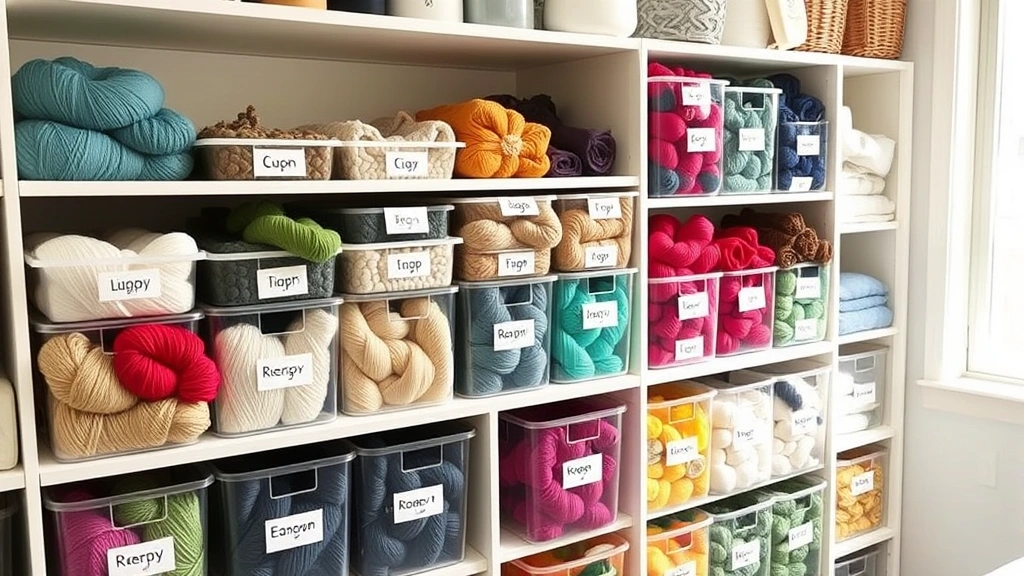
Store yarn in breathable containers away from direct sunlight and moisture. Cedar blocks help deter moths for wool yarns. Keep labels attached and store project notes with the yarn. Plastic bins work well, but ensure some air circulation to prevent mildew.
What happens if I run out of yarn mid-project?
First, check if you have enough for critical sections like the body of a sweater, then use contrasting colors strategically for borders or accents. Contact the yarn manufacturer – they sometimes have old dye lots in stock. Local yarn shops may also help locate matching yarn.
Planning yarn requirements doesn’t have to be stressful or complicated. With a bit of practice and the right techniques, you’ll develop an intuitive sense for how much yarn your projects need. Remember that it’s always better to have a little extra than to find yourself scrambling for more yarn with three rows left to complete.
Start keeping notes on your projects – track what you used versus what you bought, and note any factors that affected consumption. This personal database becomes incredibly valuable for future planning. Most importantly, don’t let fear of running short keep you from starting that dream project. Armed with these strategies, you’re ready to tackle any crochet project with confidence.