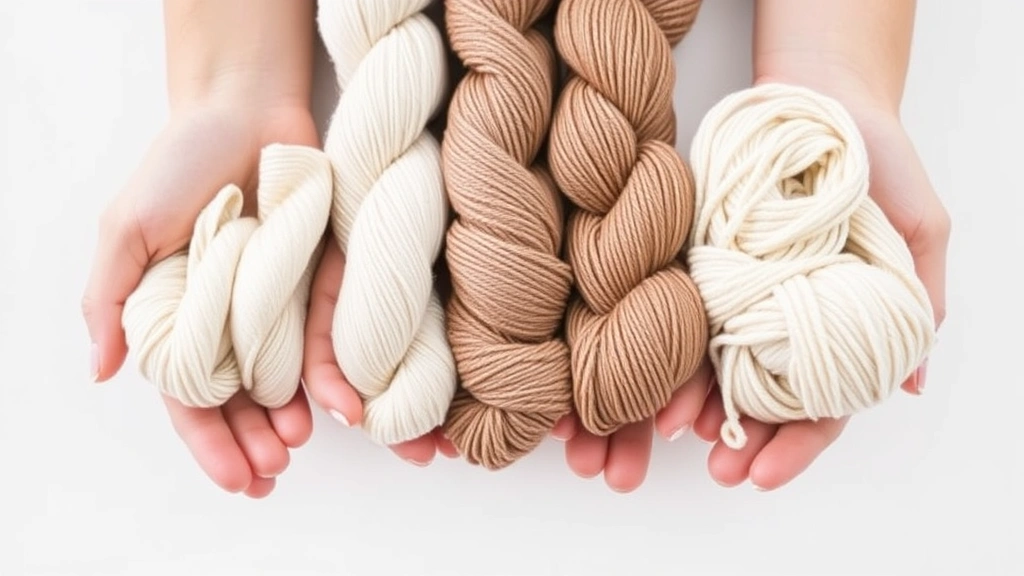
You know that feeling when you’re halfway through a gorgeous granny square afghan and suddenly realize you’ve been working with the wrong yarn weight the entire time? Yeah, I’ve been there. What started as a cozy throw pillow project somehow turned into a blanket that could cover a small car. Understanding yarn weight isn’t just about following patterns – it’s about making projects that actually turn out the way you envision them.
I learned this lesson the hard way when I decided to substitute what I thought was “similar” yarn for a delicate baby cardigan. The pattern called for sport weight, but I grabbed some chunky acrylic because it was on sale. Three frogged attempts later, I finally understood why yarn weight matters so much. That cardigan taught me more about yarn weights than any tutorial ever could.
Here’s the thing: yarn weight affects everything from your finished measurements to how your stitches look, how much yarn you’ll need, and even which hook size works best. Get it wrong, and you’ll spend more time ripping out work than actually crocheting. Get it right, and your projects will turn out beautifully every single time.
Quick Answer
Yarn weight refers to the thickness of yarn strands, categorized from 0 (lace) to 7 (jumbo). Each weight works best with specific hook sizes and creates different fabric textures. Matching the correct yarn weight to your pattern ensures proper sizing, drape, and appearance in your finished project.
Understanding the Yarn Weight System
The Craft Yarn Council created the standardized yarn weight system to make our lives easier. Before this system, every manufacturer had their own way of describing yarn thickness, which was about as helpful as trying to crochet in the round with your eyes closed.
The system uses numbers from 0 to 7, with 0 being the thinnest (lace weight) and 7 being the thickest (jumbo weight). You’ll find these numbers on yarn labels, usually inside a little skein symbol. Some labels also include the old naming system alongside the numbers, which can be helpful when you’re working with vintage patterns.
Each yarn weight category has recommended hook sizes, typical uses, and expected gauge ranges. This standardization means that when a pattern calls for “worsted weight yarn,” you know exactly what thickness to look for, regardless of the brand. It’s like having a universal language for yarn thickness.
The yarn weight number is your best friend when pattern shopping. Always check this first before falling in love with a design – it’ll save you from buying inappropriate yarn.
Understanding this system also helps when you’re designing your own projects. Want to make a lightweight summer top? You’ll probably want something in the 0-2 range. Planning a chunky winter scarf? Look at weights 5-6. The system takes the guesswork out of yarn selection.
Complete Guide to Yarn Weight Categories
Let me walk you through each yarn weight category with real examples you’ll actually encounter in stores. I’ve worked with all of these extensively, so I can tell you what they’re really like to use.
Lace Weight (0) and Fingering Weight (1)
These delicate yarns require patience but create stunning results. Lace weight feels almost like thread – I use it for doilies, shawls, and intricate lacework. Fingering weight is slightly thicker and perfect for lightweight garments and baby items. Both work best with smaller hooks (2.25mm to 3.5mm) and create fabric with beautiful drape.
Expect to use significantly more yardage with these weights since you’ll need more stitches to cover the same area. A simple single crochet dishcloth in fingering weight might take 400 yards compared to 200 yards in worsted weight.
Sport Weight (2) and DK Weight (3)
Sport weight yarn is my go-to for baby blankets and lightweight sweaters. It’s substantial enough to work up relatively quickly but still creates a refined fabric. DK (double knitting) weight sits right between sport and worsted – it’s incredibly versatile and works beautifully for both garments and home decor items.
These weights typically use 3.5mm to 5mm hooks and create fabric that’s neither too thick nor too thin. They’re forgiving for beginners but sophisticated enough for complex stitch patterns. Lion Brand Babysoft and Red Heart Soft are popular sport weight options.
Worsted Weight (4) – The All-Star
Worsted weight is the most common yarn weight, and for good reason. It’s the perfect balance of thickness, workability, and versatility. Most crochet patterns default to worsted weight because it works well for almost everything – afghans, sweaters, accessories, amigurumi, you name it.
Standard hook sizes range from 5mm to 6mm (H-8 to J-10), and you’ll typically get about 4 stitches per inch in single crochet. This weight is forgiving for beginners learning tension control and quick enough to keep experienced crocheters engaged.
| Yarn Weight | Hook Size Range | Typical Gauge | Best Projects |
|---|---|---|---|
| Lace (0) | 1.6-2.25mm | 32-42 stitches | Doilies, shawls |
| Fingering (1) | 2.25-3.5mm | 21-32 stitches | Baby items, socks |
| Sport (2) | 3.5-4.5mm | 16-20 stitches | Baby blankets, tops |
| DK (3) | 4.5-5.5mm | 12-17 stitches | Light sweaters, accessories |
| Worsted (4) | 5.5-6.5mm | 11-14 stitches | Afghans, sweaters, hats |
| Bulky (5) | 6.5-9mm | 8-11 stitches | Scarves, quick projects |
| Super Bulky (6) | 9-15mm | 5-9 stitches | Rugs, chunky blankets |
Bulky (5) and Super Bulky (6) Weights
These thicker yarns are perfect when you want instant gratification. Bulky weight works up quickly and creates substantial fabric that’s great for winter accessories and home decor. Super bulky is even faster – I can finish a scarf in an evening.
The trade-off is that these weights can be less forgiving with tension issues, and stitch definition isn’t as crisp as with thinner yarns. They’re excellent for textured stitches like half double crochet clusters but can make intricate lacework look muddy.
Choosing the Right Yarn Weight for Your Project
Selecting the appropriate yarn weight depends on several factors: the intended use of your finished item, the season you’ll use it, how quickly you want to complete the project, and your skill level. Let me break this down with specific examples from my own project experience.
For garments, consider the drape and structure you want. Lightweight tops and summer cardigans work beautifully in sport or DK weight – they create fabric that moves nicely without being too heavy. I made a gorgeous cardigan last spring using DK weight cotton that has perfect drape for layering. Heavier sweaters and winter wear typically call for worsted or bulky weights for warmth and structure.
Baby items deserve special consideration. I always recommend sport or DK weight for baby blankets because they’re substantial enough to provide warmth but not so thick that they’re cumbersome. The fabric also washes well and maintains its shape better than bulky alternatives. For baby clothes, fingering or sport weight creates delicate, comfortable garments that won’t overwhelm tiny frames.
When making items that need to hold their shape (like bags or baskets), choose a yarn weight that creates firm fabric. Worsted or bulky weights work best for structural projects.
Home decor projects have different requirements entirely. Dishcloths and washcloths work best in worsted weight cotton because they need to be absorbent and durable. Decorative throws can be any weight depending on your preference – I love chunky blankets for their cozy factor, but lighter weights are more versatile year-round.
Consider your timeline too. If you’re making Christmas gifts in November, bulky or super bulky yarn will help you finish faster. For leisurely projects where you want to enjoy the process, finer weights let you savor each stitch and create more detailed work.
Hook Sizes and Yarn Weights
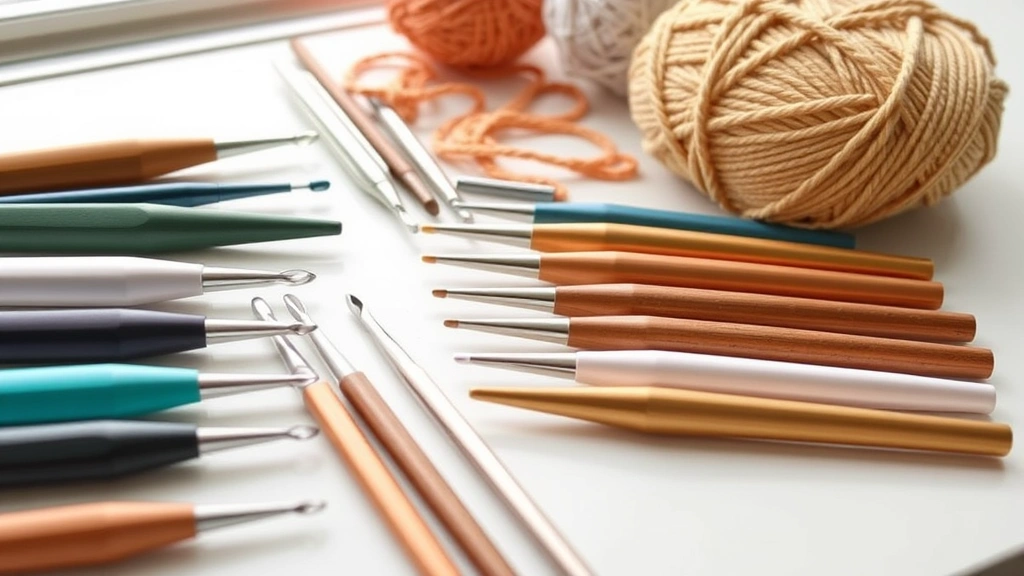
Getting the hook size right is crucial for achieving the correct gauge and fabric texture. While yarn labels provide recommended hook sizes, these are starting points, not absolute rules. Your personal tension, the specific stitch pattern, and your desired fabric hand all influence the best hook choice.
I typically start with the middle of the recommended range and adjust from there. For worsted weight yarn recommending 5.5-6.5mm hooks, I’ll start with a 6mm (J-10) hook. If my fabric feels too tight or my stitches are hard to work into, I’ll go up a size. If the fabric feels loose or my stitches are too open, I’ll go down.
Different stitch patterns also affect hook size choice. Dense stitches like single crochet often need a larger hook to prevent the fabric from being too stiff. Open, lacy patterns might need a smaller hook to maintain structure. When working double crochet stitches, I often use a hook one size larger than for single crochet with the same yarn.
The relationship between yarn weight and hook size also affects your yarn consumption. Using a larger hook creates looser stitches and uses less yarn, while smaller hooks create denser fabric and use more yarn. This is particularly important for large projects where yarn cost adds up.
Gauge Considerations
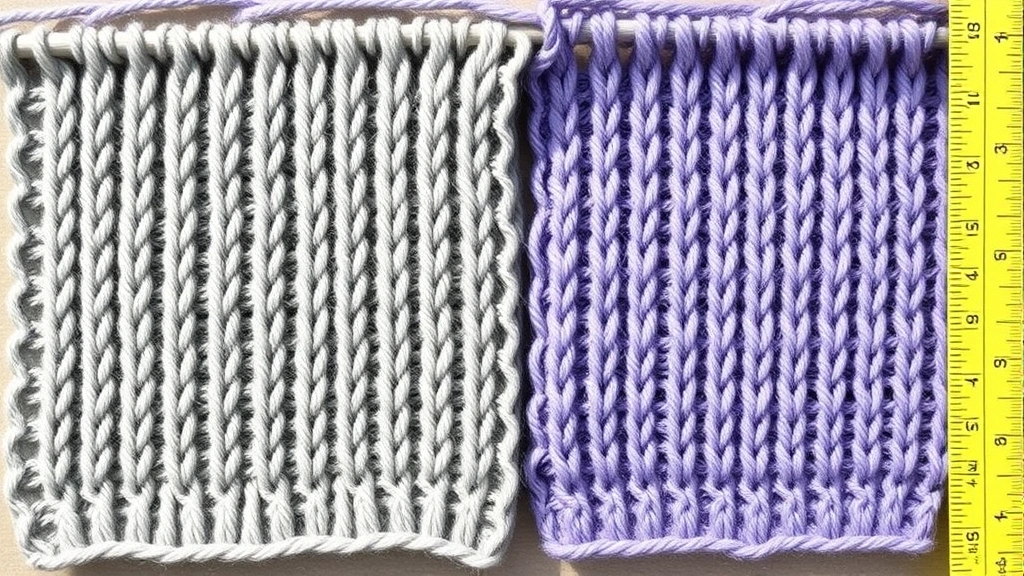
Gauge varies not just with yarn weight and hook size, but also with individual tension, yarn fiber content, and stitch pattern. Acrylic yarns often work up differently than natural fibers of the same weight. Cotton tends to be less stretchy than wool, affecting both gauge and finished measurements.
When checking gauge, always measure after blocking or washing your swatch the same way you’ll care for the finished item. Some yarns bloom significantly after washing, changing both the gauge and fabric texture. I learned this the hard way with a cotton sweater that grew two sizes after its first wash.
Substituting Yarn Weights Successfully
Sometimes you fall in love with a pattern but want to use a different yarn weight, or you find the perfect yarn that’s not quite the weight specified in your pattern. Successful substitution requires understanding how yarn weight affects finished size, drape, and yardage requirements.
The most straightforward substitution is staying within the same weight category but changing brands or fiber content. A worsted weight cotton can usually substitute for worsted weight acrylic, though you might need to adjust your hook size slightly to match gauge. Always make a gauge swatch when substituting, even within the same weight category.
Substituting between different yarn weights is more complex but definitely possible. Going from worsted to DK weight (one step down) typically requires dropping your hook size by 0.5-1mm and will result in a smaller finished item unless you adjust the pattern. The fabric will also be lighter and have more drape.
Moving up in yarn weight (worsted to bulky, for example) creates larger finished measurements and uses yarn more quickly. You’ll need fewer yards total but should buy extra to account for the size increase. The fabric will be thicker and less drapey. This works particularly well for accessories like scarves and hats where exact sizing isn’t critical.
When substituting yarn weights, focus on achieving the correct fabric hand rather than exact stitch count. Sometimes a slight gauge difference creates better-looking fabric than forcing an exact match.
Consider the yarn’s intended use when substituting. A delicate lace shawl pattern won’t translate well to bulky yarn, no matter how you adjust the gauge. Similarly, a chunky winter scarf pattern might look odd in fingering weight yarn. Some designs are inherently tied to specific yarn weights.
Calculating Yardage for Substitutions
Yardage requirements change significantly with yarn weight substitutions. Thicker yarns cover more area per yard, so you’ll need fewer total yards. Thinner yarns require more yardage to cover the same area. As a general rule, moving up one yarn weight category reduces yardage needs by about 20-30%, while moving down increases requirements by a similar percentage.
Always buy extra when substituting yarn weights, especially for garments where running out mid-project could be disastrous. Different dye lots can be impossible to match, and yarn availability changes constantly. I typically buy 10-20% extra for same-weight substitutions and up to 50% extra for cross-weight substitutions.
Common Yarn Weight Mistakes
Even experienced crocheters make yarn weight mistakes – I certainly have my share of frogged projects to prove it. Learning from these common errors can save you time, money, and frustration on your crochet journey.
The biggest mistake I see is ignoring the yarn weight entirely and choosing yarn based solely on color or price. That gorgeous variegated yarn might be perfect for your color scheme, but if it’s bulky weight and your pattern calls for sport weight, your finished project won’t look anything like the picture. Always check the yarn weight first, then narrow down your choices within that category.
Another common error is assuming all yarns within a weight category behave the same way. Worsted weight cotton, wool, and acrylic each have different characteristics despite being the same thickness. Cotton has less stretch and can be heavier when finished. Wool has natural elasticity and often blooms after blocking. Acrylic is lightweight but can pill with wear. Understanding these differences helps set appropriate expectations.
Many crocheters also underestimate how much yarn weight affects project timeline. Switching from worsted to fingering weight doesn’t just change the look – it dramatically increases the time investment. That weekend scarf project might become a month-long endeavor. Similarly, using bulky yarn for a detailed stitch pattern often results in muddy-looking texture where individual stitches blend together.
Gauge swatching mistakes are particularly costly with yarn weight issues. Skipping the gauge swatch entirely, making it too small to be accurate, or not blocking it the same way you’ll treat the finished item all lead to sizing surprises. I always make my gauge swatches at least 6 inches square and wash them the same way I plan to care for the finished project.
Shopping Mistakes
Yarn shopping can be overwhelming, especially with the huge variety of weights and brands available. One mistake I made early on was buying yarn without a specific project in mind, then trying to find patterns that matched my random yarn purchases. This approach often results in mismatched expectations and unsuitable yarn-pattern combinations.
Another shopping pitfall is not buying enough yarn in the correct weight. Running out mid-project is frustrating enough, but discovering that the yarn you need is discontinued or unavailable in the right dye lot can be heartbreaking. When working with specific yarn weights for large projects, I always buy 10-15% more than the pattern calls for.
Shopping Tips for Different Yarn Weights
Smart yarn shopping starts with understanding what you’re looking for before you hit the store or browse online. I keep a list of my most-used yarn weights and preferred brands in each category, which helps me make quick decisions when I find good sales.
For everyday projects, I stock up on worsted weight yarn in neutral colors. Red Heart Super Saver and Lion Brand Vanna’s Choice are reliable workhorses that handle everything from dishcloths to afghans. Having these basics on hand means I can start projects immediately when inspiration strikes.
When shopping for specific projects, I bring the pattern with me (or have it easily accessible on my phone). This helps me verify yarn weight requirements and calculate accurate yardage needs. Many yarn stores have helpful staff who can assist with substitutions if your preferred yarn isn’t available in the right weight.
Online shopping for yarn requires extra attention to yarn weight details. Photos can be deceiving – what looks like worsted weight might actually be DK or bulky. Always check the technical specifications rather than relying on product photos. Ravelry is an excellent resource for seeing how specific yarns look in finished projects and reading reviews from other crocheters.
Build relationships with your local yarn shop staff. They often know which yarns work well together and can suggest substitutions when your first choice isn’t available in the right weight.
Consider buying yarn weights in coordinating colors for future projects. If you find a great deal on sport weight yarn in a color palette you love, buying several coordinating skeins gives you options for larger projects later. Just make sure you’re buying weights you’ll actually use – a bargain on lace weight yarn isn’t helpful if you never make delicate projects.
Building a Yarn Weight Collection
A well-rounded yarn stash includes multiple weights for different project types. I recommend starting with worsted weight in basic colors (white, black, gray, cream) since these work for the widest variety of projects. Add sport or DK weight in colors you love for garments and baby items.
Specialty weights like lace or super bulky can wait until you have specific projects in mind. These yarns serve particular purposes and aren’t as versatile as the middle-weight categories. When you do buy them, choose high-quality options since you’ll use them less frequently and want them to perform well when you do.
Common Questions
Can I use a different yarn weight than what the pattern calls for?
Yes, but it requires adjustments to hook size and possibly pattern modifications. Going up or down one yarn weight category (like worsted to bulky or worsted to DK) is usually manageable with gauge adjustments. Larger changes significantly alter the finished size and appearance. Always make a gauge swatch when substituting yarn weights to understand how your changes will affect the final project.
How much yarn do I need if I change from worsted to bulky weight?
You’ll typically need 20-30% fewer yards when moving from worsted to bulky weight because the thicker yarn covers more area per yard. However, your finished project will also be larger unless you adjust the pattern. For a worsted weight scarf requiring 400 yards, you might need only 280-320 yards of bulky weight yarn, but the scarf will be wider and potentially longer.
What’s the difference between DK and worsted weight yarn?
DK (double knitting) weight is thinner than worsted weight, falling between sport and worsted in the yarn weight system. DK typically uses 4.5-5.5mm hooks compared to worsted’s 5.5-6.5mm range. DK creates lighter, more drapey fabric that’s excellent for garments, while worsted weight produces sturdier, warmer fabric better suited for blankets and accessories.
Why does my project look different from the pattern photo even though I used the right yarn weight?
Several factors affect appearance beyond yarn weight: fiber content (cotton vs. wool vs. acrylic), yarn construction (plied vs. single), your personal tension, and hook size choice. Even within the same weight category, different yarns behave differently. Your gauge might also be slightly off, affecting stitch definition and overall appearance.
How do I know if my yarn weight is correct for amigurumi?
For amigurumi, you want yarn that creates tight, dense fabric with minimal gaps between stitches. Worsted weight yarn with a slightly smaller hook (like 4.5mm instead of 5.5mm) typically works well. The fabric should be firm enough that stuffing doesn’t show through. Amigurumi projects often benefit from cotton or cotton blend yarns that maintain their shape better than stretchy acrylics.
Can I mix different yarn weights in the same project?
Yes, but it requires careful planning. Mixing weights can create interesting textural effects, but you need to consider how the different thicknesses will affect your overall gauge and appearance. This technique works well for decorative elements, borders, or intentional design features. Make sure all your yarns have similar care requirements if the finished item will be washed as one piece.
What yarn weight is best for beginners?
Worsted weight yarn is ideal for beginners because it’s thick enough to see individual stitches clearly, forgiving with tension variations, and works up quickly enough to maintain interest. It’s also the most common weight in patterns, giving beginners the widest selection of projects to choose from. Avoid very thin or very thick yarns until you’re comfortable with basic techniques.
How do I calculate yarn requirements when changing weights?
Start with the original pattern’s yardage requirement, then adjust based on the weight change. Moving to a heavier weight typically reduces yardage needs by 20-30% per weight category increase. Moving to lighter weight increases requirements by similar percentages. Always add 10-20% extra for safety, especially for garments where running out of yarn could be problematic. Consider that changing yarn weight also changes finished dimensions unless you modify the pattern.
Understanding yarn weight transforms your crochet experience from guesswork to confident creation. Once you know how different weights behave, you can choose the perfect yarn for each project, make successful substitutions when needed, and even modify patterns to suit your preferences. The key is starting with the basics – master worsted weight first, then branch out to explore the wonderful variety that other weights offer.
Remember that every yarn has its perfect project match. That chunky wool isn’t wrong for summer tops – it’s just waiting for the right cozy winter scarf project. Similarly, that delicate fingering weight cotton will shine in a lightweight shawl even if it’s not right for your quick weekend dishcloth project. Take time to understand each yarn’s strengths, and your finished projects will thank you for it.
Happy crocheting, and may all your yarn weight choices lead to beautiful, perfectly-sized finished projects!