How to Choose the Right Yarn for Your Crochet Projects: A Complete Guide
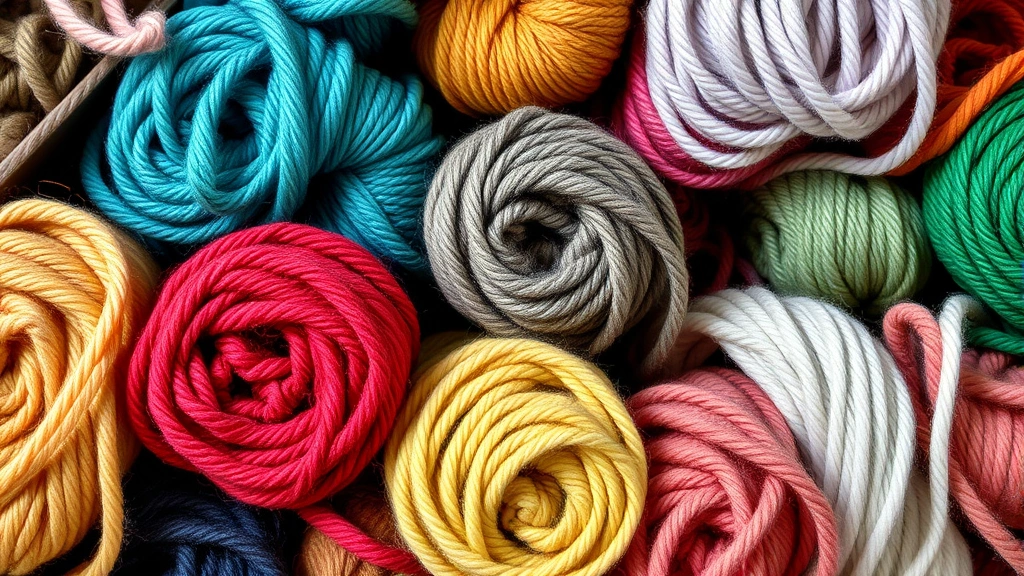
Let’s be real—standing in front of a yarn wall at your local craft store can feel absolutely overwhelming. There are hundreds of colors, textures, weights, and fiber blends staring back at you, and suddenly you’re wondering if that gorgeous merino blend is actually going to work for the blanket you’re planning, or if you should’ve picked up the acrylic instead. I’ve been there, and honestly, most crocheters have too. The good news? Choosing the right yarn doesn’t have to be this stressful mystery. It’s actually pretty learnable once you understand what to look for.
The truth is, yarn selection isn’t just about grabbing something pretty. It’s about understanding how different fibers behave, what your finished project actually needs, and how to match all that with your budget and skill level. This guide walks you through everything I’ve learned from years of crochet experience—the stuff that actually matters when you’re trying to decide between three different options at checkout.
Understanding Yarn Weight and Its Impact
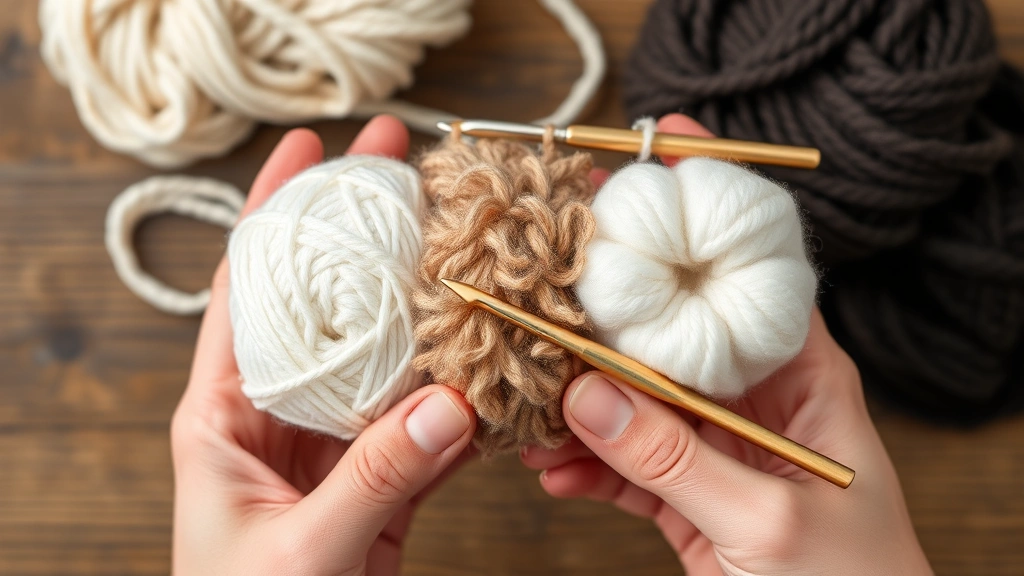
Yarn weight is literally the first thing you need to understand, and it’s way simpler than it sounds. Yarn weight isn’t about how heavy the yarn feels in your hand—it’s about the thickness of the strand. The Craft and Hobby Association has standardized this into categories from 0 (lace) all the way up to 7 (jumbo), and knowing which weight you need changes everything about your project.
Here’s the practical breakdown: if you’re making a delicate shawl or lacy garment, you’re probably looking at lace weight (0) or fingering weight (1). These create beautiful drape and intricate stitch definition. On the flip side, if you want to crank out a chunky blanket in a weekend, you’d grab a bulky (5) or super bulky (6) yarn. The weight affects not just how fast you’ll finish, but also the final drape, warmth, and texture of your piece.
The reason this matters so much is because patterns are specifically written for certain yarn weights. If a pattern calls for worsted weight (4) and you grab a fingering weight instead, you’re going to end up with something completely different—potentially too small, with a weird texture, and you’ll have wasted time and materials. I learned this the hard way with my first sweater attempt, and I’m still not over it.
Each weight category has an ideal hook size range too. Worsted weight typically uses a 7-9mm hook, while lace weight needs something like a 1-3mm. The pattern you choose will tell you exactly what to use, but understanding the relationship between yarn weight and hook size helps you troubleshoot if something feels off as you’re working.
Natural vs. Synthetic Fibers: What’s the Real Difference?
This is where things get personal, because fiber choice really depends on what you value and what your project needs. There’s no “wrong” choice here—just different trade-offs.
Natural fibers like wool, cotton, bamboo, and alpaca have been beloved by fiber artists forever, and for good reason. Wool is incredibly forgiving—it’s stretchy, has great memory (meaning it bounces back into shape), and works beautifully for garments and blankets. Cotton is breathable and perfect for summer items, dishcloths, and anything that needs durability. Alpaca and merino are luxuriously soft and temperature-regulating. The downside? Natural fibers cost more, require more careful washing, and sometimes they can pill or require special care.
If you’re crocheting something for a baby or someone with sensitive skin, choosing natural fibers carefully matters. Superwash wool has been treated to prevent felting, which makes it much easier to care for. Bamboo is hypoallergenic and silky-smooth. But honestly, price-wise, you’re going to spend significantly more per skein.
Synthetic fibers like acrylic are the workhorses of the crochet world. They’re affordable, come in every color imaginable, don’t require special washing, and they hold their shape beautifully. Acrylic doesn’t have the warmth or breathability of natural fibers, but for practice projects, blankets that need frequent washing, or anything budget-conscious, it’s genuinely excellent. Some newer synthetic blends are getting really soft too—nothing like the scratchy acrylic from decades ago.
Here’s my honest take: don’t let anyone shame you for using acrylic. I use it constantly for afghans, practice pieces, and gifts where durability matters more than luxury. The best yarn is the yarn you’ll actually use and finish your project with. Period.
Blends are increasingly popular, and they’re kind of the best of both worlds. A 70% acrylic, 30% wool blend gives you the affordability and care-ease of acrylic with some of wool’s wonderful properties. Trying different blends helps you figure out what you actually love working with.
Reading Yarn Labels Like a Pro
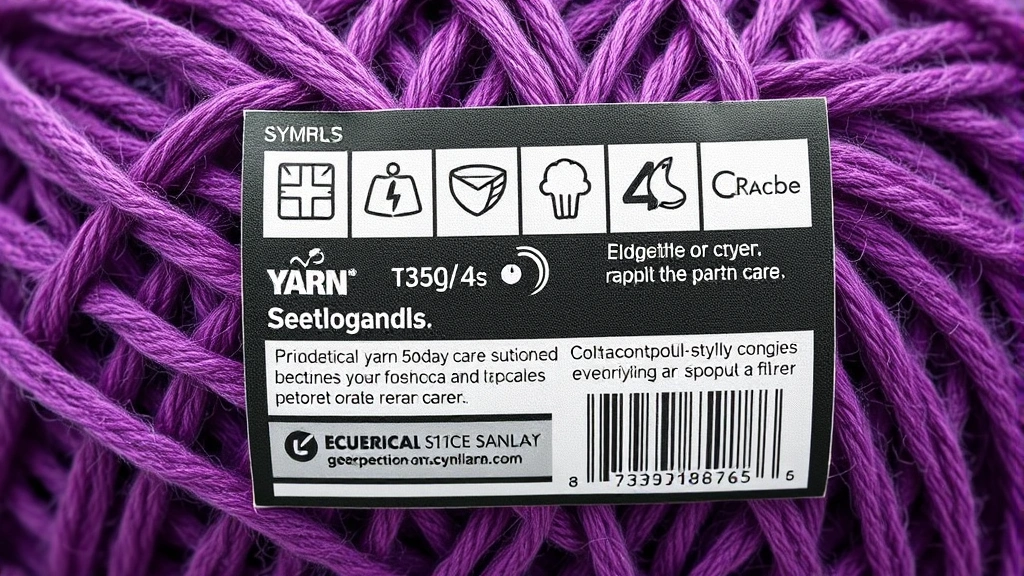
Okay, yarn labels have a lot of information crammed into a tiny space, but once you know what to look for, they’re incredibly helpful. Let’s break down what’s actually important.
Fiber content is listed as a percentage breakdown. This tells you exactly what you’re working with. A label might say “100% Merino Wool” or “80% Acrylic, 20% Nylon.” That percentage matters because it affects how the yarn will behave, how you’ll care for it, and what it’ll feel like.
Weight is usually listed in both the category (like “Worsted”) and the actual grams or ounces per ball or skein. This is crucial because it tells you how much yarn you’re getting. Two “worsted weight” yarns might have different yardage per skein depending on the fiber content and construction.
Yardage is absolutely essential information. This tells you how many yards (or meters) are in that ball or skein. When you’re following a pattern, the yardage requirement matters way more than the weight of the ball. You could have a heavy ball with less yardage or a lighter ball with more yardage. Always match your yardage to the pattern requirement, not just the weight.
Dye lot is that little number that indicates when the yarn was dyed. If you’re buying multiple skeins, try to get the same dye lot. Colors can vary slightly between dye lots, and while it might not be noticeable in some projects, in a blanket or sweater it can be pretty obvious.
Care instructions are your friend. These symbols tell you if something needs hand washing, can go in the machine, if it’s dryer-safe, and what temperature water to use. If you hate hand-washing yarn items, this is your moment to be honest with yourself and pick something machine-washable. There’s no judgment—I’m the same way.
Recommended hook size is a starting point. Most labels give you a range, and honestly, your personal tension and the specific project might mean you need to go up or down a size. This is why understanding yarn weight relationships is so helpful—you can troubleshoot if something feels too loose or too tight.
Matching Yarn to Your Project Type
Here’s where yarn selection gets really practical. Different projects genuinely need different yarn characteristics.
For wearables like sweaters and cardigans: You want something that drapes nicely and has good stitch definition so your beautiful pattern shows. Merino, cotton blends, and worsted-weight acrylics work beautifully. Avoid anything too fuzzy or textured because it’ll obscure your stitches. If you’re making something fitted, choose yarn with good elasticity—wool and wool blends are perfect for this. Natural fibers like merino and alpaca are luxurious against skin, but acrylic blends work great too if you’re budget-conscious.
For blankets and afghans: Think about weight, warmth, and washability. A chunky yarn finishes faster and creates beautiful texture, while fingering or sport weight gives you more intricate stitch patterns. For baby blankets, you want something soft and durable. For cozy sofa blankets, bulky yarn in acrylic is honestly perfect—it’s affordable, washes easily, and gets done quickly. Cotton is fantastic for summer blankets or throws because it breathes.
For amigurumi (stuffed animals): You need yarn that’s smooth and consistent so your stitches are tight enough that stuffing doesn’t peek through. Sport or DK weight works perfectly. Acrylic is ideal here because it’s affordable (you might make a lot of these), it’s easy to care for, and the colors are vibrant. Avoid fuzzy or textured yarns because they’ll make it hard to see your stitches.
For lacy items like shawls or doilies: Lace and fingering weight yarns create that beautiful, delicate look. You want something with good stitch definition. Merino and other natural fibers are gorgeous here because they have beautiful drape, but acrylic fingering weight works too. The thinner yarn means more yardage, but the finished piece is so worth it.
For dishcloths and wash cloths: Cotton is your absolute best friend. It’s absorbent, durable, and gets softer with washing. You don’t need anything fancy—a basic worsted-weight cotton works perfectly. This is also a great place to use up stash yarn or try new techniques without worrying about cost.
Budget-Friendly Yarn Shopping Strategies
Let’s talk money, because yarn budgets are real and valid. You don’t need to spend a fortune to make beautiful things.
Shop the sales and clearance sections. Craft stores always have deals, and sometimes you’ll find gorgeous yarn marked down. The key is being flexible—if you find a beautiful yarn on sale, sometimes it’s worth adjusting your project plan to use it.
Build a yarn stash strategically. When you see a great deal on yarn you love, buy a bit extra. Over time, you’ll have options for spontaneous projects. Just be honest with yourself about storage space and actually finishing things. A stash is inspiration, not obligation.
Try online retailers for better prices. Sites like Ravelry connect you with independent dyers and shops, and Yarnspirations has tons of free patterns and yarn options. You might find better prices than your local shop, especially on popular brands.
Don’t shy away from acrylic. Seriously. Premium acrylic brands like Red Heart Super Saver and Caron Simply Soft are affordable and genuinely good quality. Your finished project will be beautiful, and you’ll feel great about what you made.
Calculate cost per yardage, not cost per skein. A $6 skein with 220 yards is a better deal than a $5 skein with 120 yards. Do the quick math and you’ll make smarter purchasing decisions.
Join a local crochet group or guild. Many fiber arts communities have yarn swaps, group buying discounts, and members who share sales they find. The Crochet Guild of America is a great resource for finding local groups.
Common Yarn Selection Mistakes and How to Avoid Them
I’ve made literally all of these, so let me save you some heartache.
Mistake #1: Choosing yarn based on color alone. That stunning color means nothing if the yarn doesn’t work for your project. A gorgeous dark variegated yarn might look beautiful in the skein, but it can completely hide your stitch detail in a lacy shawl. Ask yourself: does this yarn’s texture and weight support what I’m making?
Mistake #2: Not checking yardage requirements carefully. I can’t stress this enough. A pattern might say “worsted weight” but actually require 1,200 yards. If you grab a worsted-weight yarn with only 800 yards per skein and buy just one, you’re going to run out. Always match the yardage in your pattern, not just the weight category.
Mistake #3: Buying yarn without knowing how to care for it. Nothing’s worse than finishing a beautiful project and then realizing you need to hand-wash it in cool water and lay it flat to dry. If that’s not your lifestyle, pick a machine-washable yarn. There’s no shame in that.
Mistake #4: Ignoring your personal tension and preferences. If you naturally crochet tight, you might need to size up your hook. If you hate how wool feels, don’t force yourself to use it. Your enjoyment of the process matters because you’re going to spend hours with this yarn in your hands.
Mistake #5: Not swatching before committing. I know swatching feels like extra work, but a quick 15-minute swatch with your chosen yarn and hook tells you so much. Is the stitch definition clear? Does the drape feel right? Is the texture what you expected? This simple step prevents heartbreak later.
Mistake #6: Buying expensive yarn for a practice project. If you’re learning a new technique or trying a complicated pattern for the first time, use affordable yarn. Save the luxury fibers for when you’ve nailed the pattern and you’re confident in your execution. Your learning curve is real, and that’s okay.
Mistake #7: Assuming more expensive means better. Price doesn’t always equal quality. Sometimes you’re paying for a luxury brand name. Sometimes an affordable yarn is genuinely excellent for your project. Understanding fiber content and your actual needs matters way more than the price tag.
FAQ
What’s the difference between yarn weight and yarn thickness?
Yarn weight is the standardized category system (lace, fingering, sport, worsted, etc.) that tells you how thick the strand is. Thickness is just describing that same thing in practical terms. They’re the same concept—weight is just the official terminology used in patterns and on labels.
Can I substitute a different yarn weight in a pattern?
You can try, but understand that the finished project will be different. If you substitute a thicker yarn, your project will be smaller and denser. If you substitute a thinner yarn, it’ll be larger and lacier. You’d need to recalculate everything, which is honestly a lot of work. For beginners, it’s better to just get the yarn weight the pattern calls for.
How do I know if yarn is good quality?
Good quality yarn has consistent thickness throughout, doesn’t shed excessively, holds its color well after washing, and feels pleasant to work with. Reading reviews on Ravelry helps tremendously because you’re seeing what actual crocheters think about specific yarns.
Is it worth buying expensive yarn for a beginner?
Honestly? No. Use affordable yarn while you’re learning. Once you’ve completed several projects and know what you actually love, then invest in luxury fibers. You’ll appreciate them more, and you won’t feel terrible if you have to frog (rip out) a project because you made mistakes.
What yarn should I use if I want something washable?
Look for acrylic, superwash wool, or cotton. Check the care label to make sure it’s machine-washable. Many modern acrylic and acrylic blends are soft and beautiful while being incredibly easy to care for.
How much yarn should I buy for a project?
Always check your pattern’s yardage requirement first. Then look at the yardage per skein on your yarn label. Divide the pattern yardage by the yarn’s yardage per skein, and round up. If a pattern needs 1,000 yards and your yarn has 220 yards per skein, you’d need 4.5 skeins—so buy 5 to be safe.
Can I mix different yarn brands in one project?
You can if they’re the same weight and fiber content, but it’s risky. Different brands can have different yardage per skein even at the same weight, and colors might not match perfectly. It’s generally safer to stick with one yarn unless you’re intentionally creating a multi-color project.