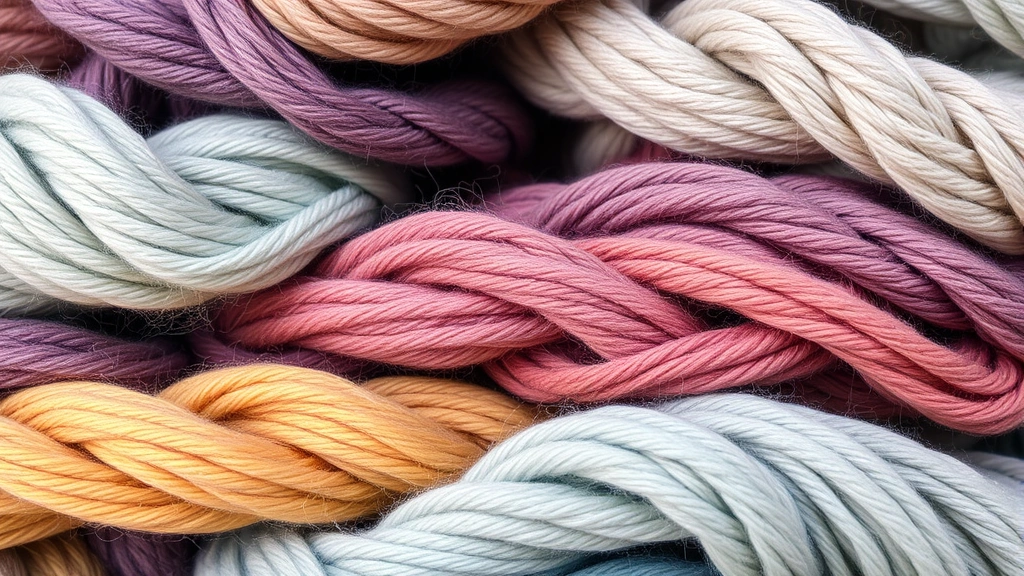
Choosing the Right Yarn for Your Crochet Projects: A Practical Guide
Let’s be real—walking into a yarn shop or scrolling through endless online options can feel absolutely overwhelming. You’re standing there (or clicking endlessly) surrounded by hundreds of colors, textures, and fiber blends, and you’re thinking, “How on earth do I pick the right yarn for what I want to make?” I totally get it. I’ve been there, holding up three different skeins of what looks like the same blue, completely unsure which one will actually work for my project.
The truth is, yarn selection isn’t as complicated as it seems once you understand what you’re actually looking for. It’s not just about picking something pretty—though that’s definitely part of the fun. It’s about understanding how different fibers behave, what your project actually needs, and honestly, what fits your budget and lifestyle. Whether you’re making a cozy blanket, a fitted sweater, or a delicate shawl, the yarn you choose will make or break your entire project. And the good news? You’re absolutely capable of making the right choice.
In this guide, I’m going to walk you through everything you need to know about yarn selection for crochet. We’ll talk about fiber content, weight, yardage, and all those little details that seem confusing at first but become second nature pretty quickly. By the end, you’ll feel confident picking yarn that actually works for your projects instead of just hoping for the best.
Understanding Yarn Weight and How It Affects Your Project
Yarn weight is honestly the most fundamental thing to understand, and it’s also where a lot of people get confused. When we talk about yarn weight, we’re not talking about how heavy the skein feels in your hand—we’re talking about the thickness of the individual strand and how many stitches you’ll typically get per inch. This is crucial because it directly affects drape, warmth, and how quickly your project comes together.
The Craft and Hobby Association uses a standardized numbering system from 0 to 7, where 0 is the finest lace weight and 7 is the chunky, bulky stuff. Most crocheters work with weights 2 through 5 in their everyday projects. Let me break down what you’ll actually encounter:
- Lace and Fingering (0-1): These are delicate, thin yarns perfect for intricate shawls and fine garments. They require patience and smaller hooks, but the results are absolutely stunning. You’ll need way more yardage, though.
- Sport and DK (2-3): Great middle ground for garments, baby items, and anything where you want definition without bulk. These work up at a nice, meditative pace.
- Worsted and Aran (4-5): The workhorses of crochet. Most patterns you’ll find use these weights because they’re accessible, work up quickly, and come in endless colors. If you’re just starting out, most of your projects will probably live here.
- Bulky and Super Bulky (6-7): These fly off the hook. Seriously, you can finish a blanket in a weekend. They’re fantastic for texture, cozy pieces, and when you want instant gratification.
Here’s the thing though: yarn weight isn’t just about thickness. It’s about how the yarn will behave in your specific project. A fingering-weight merino will drape completely differently than a fingering-weight cotton, even though they’re technically the same weight. That’s where fiber content becomes your secret weapon.
When you’re looking at a pattern, the recommended yarn weight is there for a reason. If a pattern calls for worsted weight and you substitute with fingering weight, you’re not just making it take longer—you’re changing how the entire project fits and feels. The stitch definition will be different. The drape will be different. The finished measurements could be completely off. I learned this the hard way when I tried to make a fitted sweater with yarn that was thinner than recommended. It ended up baggy and weird, and I had to frog the whole thing.
Fiber Content: What Actually Makes a Difference
This is where yarn gets really interesting, and honestly, where your personal preferences and project needs come together. Fiber content determines how your finished project will feel, how durable it’ll be, how it’ll wash, and whether your hands will want to keep working with it or whether you’ll be frustrated within five minutes.
Let’s talk about the most common fibers you’ll encounter:
Wool is the classic choice, and there’s a reason it’s been the go-to for centuries. It’s elastic, warm, forgiving of tension inconsistencies, and it blocks beautifully. Merino wool is softer than traditional wool, so if you’ve avoided wool because you thought it was scratchy, merino might change your mind. The downside? Wool can be pricey, and some people have ethical concerns about animal fibers. Also, it needs gentle washing.
Cotton is perfect for summer garments, dishcloths, and anything you want to be breathable and crisp. It has minimal stretch and doesn’t have the same forgiveness as wool, so your tension needs to be consistent. Cotton also tends to be heavier than wool of the same weight, so a cotton garment might feel different than you expected. It’s incredibly durable for things like kitchen items though.
Acrylic gets a bad rap from some fiber snobs, but honestly? It’s accessible, affordable, machine-washable, and comes in every color imaginable. It doesn’t breathe like natural fibers, and it can feel plastic-y, but for blankets, amigurumi, and when you’re experimenting with color combinations, it’s totally legitimate. Plus, if you’re teaching someone to crochet, acrylic is way less stressful than expensive wool.
Blends are where things get smart. A merino-nylon blend gives you the softness of merino with increased durability. A wool-acrylic blend reduces cost while maintaining some of wool’s forgiving qualities. These are often the sweet spot for projects where you want the best of multiple worlds.
Specialty fibers like alpaca, mohair, silk, and linen all have their place. Alpaca is incredibly soft and warm. Mohair creates that fuzzy, glamorous look. Silk adds sheen. Linen is crisp and cool. These tend to be pricier, but sometimes a project absolutely calls for them.
Here’s my honest take: choose fiber based on what the project needs and what you can actually care for. If you’re making a sweater for someone who wants to throw it in the washing machine, acrylic or a wool-acrylic blend makes sense. If you’re making a special shawl that you’ll treasure, investing in quality merino or a silk blend might be worth it. And if you’re making a baby blanket for someone else, think about what the parents will realistically be willing to hand-wash.
Calculating Yardage and Avoiding the Dreaded Yarn Shortage
This is the part where math meets crochet, and I promise it’s not as scary as it sounds. Running out of yarn two rows from the end is a special kind of heartbreak that I wouldn’t wish on anyone. But it’s completely avoidable if you understand yardage.
Every yarn label tells you how many yards (or meters) are in that skein. This is different from weight—a skein might weigh 3.5 ounces but contain 220 yards, while another might weigh the same but have 140 yards because it’s denser. Always pay attention to yardage, not just the weight of the ball.
When you’re following a pattern, it’ll specify total yardage needed. Let’s say a blanket pattern calls for 2,000 yards. You need to make sure you have at least 2,000 yards before you start. Ideally, grab a little extra—maybe 100-200 yards more—because gauge variations mean some people use more yarn than others. If you’re someone with tighter tension, you might actually use less yarn, but if you have looser tension, you might need more.
Here’s where it gets tricky: if you’re substituting yarn (because let’s be honest, the recommended yarn is sometimes out of stock or costs a fortune), you need to make sure your substitute has similar yardage per weight. If the pattern calls for 800 yards of worsted weight and you’re substituting with a different worsted, aim for the same yardage in the same number of skeins. Don’t just grab “four balls of yarn” because one brand’s ball might be 180 yards and another’s might be 220 yards.
When you’re working on larger projects like blankets or afghans, I usually recommend buying all your yarn at once from the same dye lot (more on that in a minute) rather than adding more later. It’s tempting to think you’ll grab more if you need it, but that’s how you end up with color variations or discover the yarn’s been discontinued.
Pro tip: keep a running tally of yardage as you work on bigger projects. Wind your yarn into balls if it comes in hanks, and keep track of how much you’ve used. There are apps for this, but honestly, a simple notebook works great too. This way, if you’re getting close to the end and you’re not done with your project, you have time to problem-solve instead of panicking.
Color Selection and Dye Lot Matching
Okay, so dye lots are real, and they matter more than you’d think. Yarn is dyed in batches, and even though manufacturers try to keep colors consistent, slight variations happen. One dye lot might be a true navy blue, while the next batch might lean slightly purple or slightly green. It’s subtle, but in a finished project, especially something like a blanket or sweater, these variations can be noticeable.
Every skein has a dye lot number on its label. If you’re making something that requires multiple skeins, buy them all at once and make sure they’re all from the same dye lot. This is non-negotiable for projects where color consistency matters. If you can’t find enough yarn in the same dye lot, ask the yarn shop if they can order more for you, or consider choosing a different color.
Now, color selection itself is fun but can feel overwhelming. Here’s my approach: hold the yarn up to natural light, not just the shop’s fluorescent lights. Fluorescent lighting can make colors look completely different than they’ll appear in your actual home. If you’re ordering online, read reviews from other makers to see how the color actually looks in real settings.
Think about the project’s purpose too. Are you making something for yourself or someone else? If it’s a gift, consider the recipient’s coloring and style. Are you making something that’ll live in a specific room? Consider that room’s palette. And honestly, if a color makes you happy when you look at it, that matters. You’re going to spend hours with this yarn—you should genuinely love it.
For multicolored projects, buying coordinating colors from the same yarn line (same brand, same weight, same fiber) makes the whole thing easier. The colors are already designed to work together, and you won’t have weird texture variations between different brands.
Making Smart Choices About Yarn Budget
Let’s talk money, because yarn can get expensive and I want you to feel good about your spending, not guilty about it. There’s yarn at every price point, from budget-friendly acrylic to luxury fibers that cost a small fortune. None of these is “wrong”—it’s just about being intentional.
First, be honest about your budget for a project. If you have $50 to spend on a blanket, don’t fall in love with yarn that costs $8 a skein when you need 12 skeins. That’s $96, and you’ll be frustrated before you even start. Instead, find yarn in your budget range and work backward from there.
Premium fibers absolutely can be worth the investment for special projects. If you’re making a sweater you’ll wear constantly, investing in quality merino or a merino blend means you’ll love wearing it and it’ll last for years. But if you’re making a practice project or experimenting with a new stitch, acrylic at $2 a skein is perfectly reasonable.
Here’s where being strategic helps: smaller projects are perfect for splurging on nicer yarn. A shawl needs maybe 400-600 yards, so even at premium prices, you’re not spending a fortune. But a large blanket at 3,000+ yards gets expensive fast with luxury yarn. Save the premium fibers for projects where the yardage is lower and the project is special.
Also consider durability when thinking about cost. Cheap acrylic for a blanket you’ll use once a year might not be the best value if it pills and looks shabby after a season. Investing in a blend that holds up better might actually be more economical in the long run.
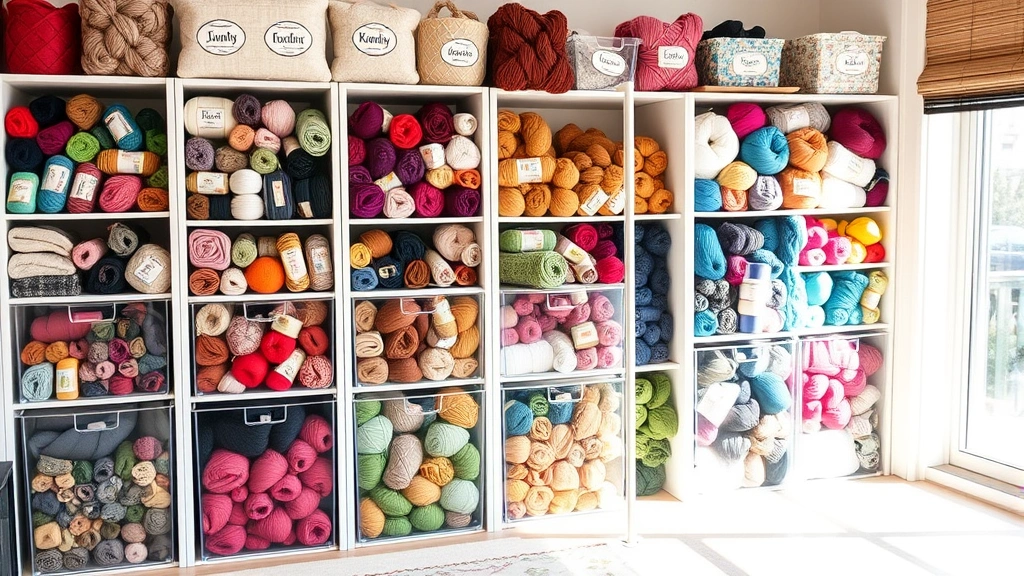
Don’t forget about sales and stash building. If you find a yarn you love on sale, buying extra to have on hand for future projects is smart. Just store it properly—in a cool, dry place away from direct sunlight and moths. And remember that having a good stash means you can start projects spontaneously without needing to make a shopping trip.
Yarn Selection for Special Project Types
Different projects have different needs, and choosing yarn becomes easier when you understand what your project actually requires.
For wearables like sweaters and cardigans, think about drape and breathability. A stiff yarn will create a garment that doesn’t move with your body. Merino, cotton blends, and other natural fibers work beautifully here. Make sure you choose a weight that’ll create the right fabric density—too thin and it might be see-through or shapeless; too thick and it’ll be heavy and uncomfortable.
For blankets and afghans, you’ve got more flexibility. Bulky or super bulky yarn works up quickly if you want instant gratification. Worsted weight gives you more stitch definition. Think about the blanket’s purpose—a baby blanket might be better in soft merino or acrylic, while a couch throw can be chunkier and more textured. Consider who’ll be washing it too, because that affects your fiber choice.
For amigurumi (those cute stuffed toys), you want yarn that’ll hold its shape and show off your stitches. Worsted weight in acrylic or a blend works great because it’s affordable, shows stitch definition beautifully, and is easy to stuff. You want yarn that doesn’t have too much drape.
For lace and shawls, lighter weights create that delicate, ethereal look. Merino, silk blends, and even some specialty fibers shine here. The point is to show off the stitch pattern, so yarn without too much texture is usually best. You’ll need more yardage with lighter weights, but shawls are often the perfect place to use up stash yarn.
Understanding how to test yarn before committing becomes especially important for special projects where the yarn choice really affects the outcome.
Testing Yarn Before You Commit
The Importance of Testing Yarn Before Starting
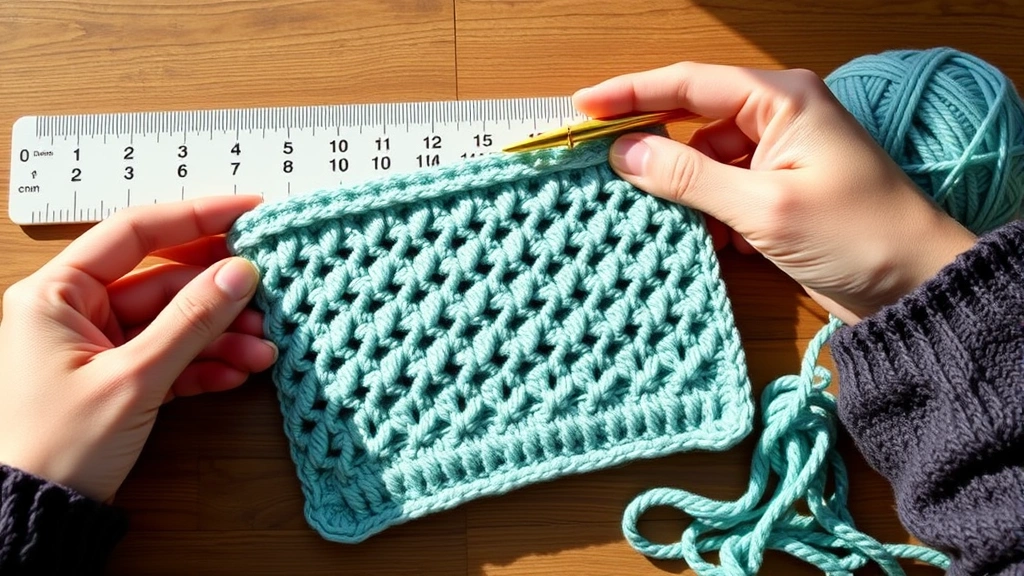
Okay, this might sound like extra work, but I’m telling you—making a gauge swatch before starting a project can save you so much heartache. A gauge swatch is just a small practice piece where you crochet a few inches using your intended yarn and hook, then measure it to see how many stitches and rows you get per inch.
Why does this matter? Because everyone’s tension is different. Two crocheters using the exact same yarn and hook might get completely different stitch sizes. If your gauge is off, your finished project won’t be the right size. A sweater could be too tight or too loose. A blanket could end up smaller or larger than expected. It’s not hard to do—it takes maybe 15 minutes—and it prevents disasters.
Beyond gauge, a swatch also tells you how the yarn actually feels to work with and how it looks in person. Sometimes yarn that looks gorgeous in a skein feels terrible to crochet with. Sometimes the color in the photo is completely different than in real life. A swatch lets you figure this out before you’ve invested hours in a full project.
Here’s my swatch routine: I crochet about a 6-inch square in the stitch pattern I’ll be using for the main project. Then I measure the stitch gauge, wash it (if the yarn will be washed), and see how it looks and feels. If I don’t love it, I haven’t wasted much yarn. If I do love it, I know I’m ready to commit to the full project.
Some people frog their swatches and reuse the yarn. Others keep them as reference pieces. Either way, it’s time well spent.
Frequently Asked Questions
What’s the difference between yarn weight and yarn thickness?
Yarn weight refers to the thickness of the strand and how many stitches you’ll get per inch. It’s a standardized measure (0-7 scale). Thickness is similar but less precise—it’s just describing how thick the strand looks and feels. Weight is the technical term you’ll see on patterns and labels.
Can I use a different yarn than what a pattern calls for?
Yes, but you need to match the weight and yardage, and be prepared that the finished project might look or feel different. Always make a gauge swatch with your substitution yarn to see if it’ll work. Some yarns have different characteristics even within the same weight category, so testing is crucial.
How do I know if yarn is good quality?
Good quality yarn has consistent thickness, holds color well, and doesn’t pill excessively with use. Read reviews from other crocheters, especially for brands you’re not familiar with. Feel the yarn in person if possible—it should feel pleasant to work with. Price isn’t always an indicator; some affordable yarns are excellent quality, while some expensive yarns aren’t worth the cost.
What should I do if I run out of yarn before finishing?
First, don’t panic. If you’re close to done, you might be able to find the same dye lot online. If not, you could change your project slightly—make it smaller, add a border in a different color, or frog back and finish with a contrasting yarn in a way that looks intentional. This is another reason to always buy extra yarn if possible.
Is acrylic yarn bad for crochet?
Absolutely not. Acrylic has legitimate advantages: it’s affordable, comes in unlimited colors, is easy to care for, and works beautifully for many projects. It doesn’t breathe like natural fibers and can feel less luxurious, but for blankets, toys, and practice projects, it’s perfect. Use what works for your project and your budget.
How should I store yarn?
Keep it in a cool, dry place away from direct sunlight, which can fade colors. Protect it from moths—cedar blocks or lavender sachets work well. Wind yarn into balls so it doesn’t get tangled or stretched. Avoid damp basements and hot attics. A clear container where you can see your stash is ideal for keeping you motivated and organized.