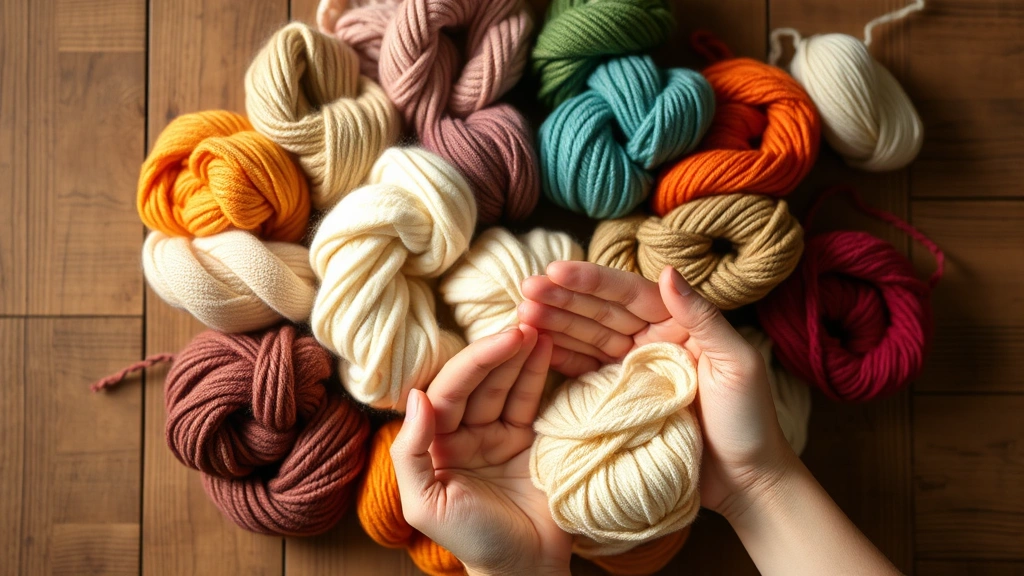
The Complete Guide to Choosing the Right Yarn for Your Crochet Projects
There’s honestly nothing more overwhelming than standing in front of a wall of yarn, trying to figure out which one’s going to make your project dreams actually come true. I’ve been there—staring at a pattern that calls for “worsted weight cotton” while holding three different options that all look basically the same but cost wildly different amounts. The truth? Choosing yarn isn’t just about grabbing whatever’s pretty or on sale. It’s about understanding what’ll actually work for your specific project, your skill level, and yeah, your budget too.
The good news is that once you know what to look for, picking yarn becomes way less stressful and actually kind of fun. You’ll start noticing things like how fiber content affects drape, why yardage matters more than weight, and how to spot a yarn that’s genuinely going to make you happy when you’re holding it for hours on end. Let’s break this down together so you can make choices that work for your crochet life, not someone else’s.
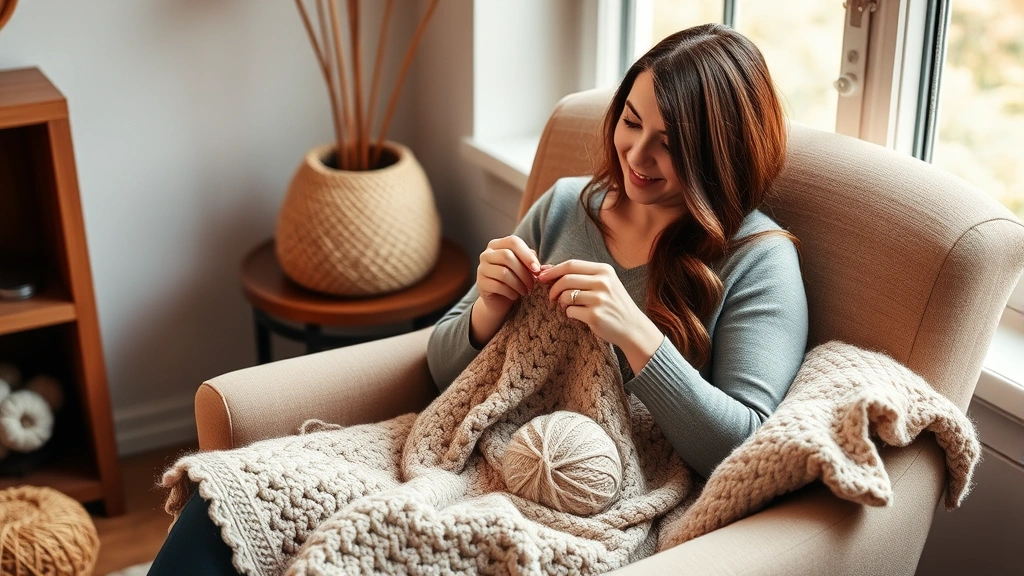
Understanding Fiber Content and Feel
Okay, so fiber content is literally the foundation of everything. It’s what determines how your finished project’s going to feel, how it’ll perform, and honestly, whether you’ll actually want to wear or use it. I think of fiber content as the personality of yarn—each type brings something totally different to the table.
Acrylic yarns are the workhorses of the crochet world, and there’s zero shame in loving them. They’re affordable, come in every color imaginable, and they don’t require special care. If you’re learning to crochet or experimenting with a complicated new stitch technique, acrylic’s your friend because you’re not stressing about damaging expensive fiber. The trade-off? Some acrylics can feel a bit plastic-y, and they don’t have the same warmth as natural fibers. But here’s the thing—quality acrylic has come a long way. Brands like Yarnspirations and Lion Brand make acrylics that feel genuinely lovely.
Cotton is your go-to for summer projects, dishcloths, and anything that needs to breathe. It’s got structure, drapes beautifully, and actually gets softer with washing. The catch? Cotton’s heavier than wool at the same yardage, so your projects take longer to complete. Plus, it doesn’t have the stretch of wool, which means you need to be more careful with your tension. If you’re making a market bag or a lacy shawl, though? Cotton’s going to give you exactly the look you want.
Wool is the luxury option for good reason. It’s warm, bouncy, forgiving when you make mistakes, and it’s got natural elasticity that makes projects drape gorgeously. The downside is the price tag and the fact that it requires gentle care—most wool needs hand washing. Wool also comes in different types: merino’s soft and smooth, while chunky wool blends give you that cozy, rustic vibe. If you’re making a sweater or a cozy blanket you actually want to snuggle with, wool’s worth the investment.
Blends are honestly the sweet spot for a lot of crocheters. A wool-acrylic blend gives you the warmth and bounce of wool without the full price tag and care requirements. Cotton-acrylic blends combine the breathability of cotton with the durability of acrylic. These middle-ground options let you get the best of multiple worlds without compromise.
Here’s my honest take: feel the yarn before you buy it. Seriously, spend a minute rubbing it against your cheek, holding it in your hand, noticing how it feels. You’re going to be holding this stuff for hours. If it feels scratchy or weird to you now, it’s not going to magically feel better once you’re three hours into a project.
Yarn Weight, Yardage, and Project Planning
This is where a lot of newer crocheters get tripped up, and it’s honestly because the terminology is confusing. “Weight” doesn’t actually mean how heavy the yarn is—it means the thickness. A ball of thin yarn can actually weigh more than a ball of thick yarn because it has more length to it.
The standard yarn weight scale goes from 0 (lace, super thin) all the way up to 7 (jumbo, super thick). Most crocheters work with weights 2-5: fingering (2), sport (3), worsted (4), and bulky (5). Here’s what matters: the pattern you’re following is designed for a specific weight, and swapping it out changes your whole project. If you use a thicker yarn than called for, you’ll end up with something smaller and denser. If you go thinner, it’ll be bigger and lacier.
Now, yardage is actually more important than weight when you’re project planning. Let’s say you’re making a sweater. The pattern might call for “1,200 yards of worsted weight.” That number is sacred—that’s how much fiber you need to actually complete the project. Two different balls of yarn might both say “worsted weight,” but one could have 180 yards per 100g while the other has 220 yards per 100g. You’d need a different amount of each to hit that 1,200-yard target.
Here’s my practical approach: always, and I mean always, check the yardage before you buy. If a pattern needs 1,200 yards and you find yarn that’s 220 yards per skein, you need at least six skeins. If you’re shopping on a budget, this math helps you understand why choosing a cheaper yarn might actually mean buying more of it—sometimes it works out to the same price or more expensive overall.
When you’re thinking about beginner-friendly projects, starting with smaller yardage requirements takes some pressure off. A dishcloth or coaster only needs 100-200 yards. A baby blanket might need 800-1,000 yards. A full-size afghan? We’re talking 3,000+ yards. Understanding these numbers helps you pick projects that actually feel achievable.
Key Qualities That Make or Break a Project
Beyond fiber content and weight, there are some specific qualities you want to pay attention to because they genuinely affect your experience and your finished project.
Twist and ply matter more than you’d think. A “ply” is basically a strand of yarn twisted together. A 4-ply yarn is four strands twisted together, while a 2-ply is just two. More plies usually mean stronger, more durable yarn. A tight twist creates a yarn that’s more structured and durable, while a loose twist gives you something softer and more delicate. When you’re choosing between two similar-looking yarns, checking the ply count gives you insight into durability—especially important for items that’ll get lots of wear and washing.
Texture and loft change how your stitches look. A yarn with high loft (airy, fluffy) creates projects with more drape and visual interest. A dense, low-loft yarn creates projects with more definition and structure. If you’re making a lacy shawl, you probably want something with decent loft so the openness really shows. If you’re making a structured bag, a denser yarn gives you better shape retention.
Splitability is how easily your hook splits the yarn fibers when you’re inserting it into a stitch. Smooth, firmly twisted yarns are easy to work with. Loosely twisted, fuzzy, or novelty yarns can be frustrating because your hook keeps splitting the fibers instead of sliding cleanly through. If you’re still developing your technique, choosing easy-to-work-with yarn makes everything feel smoother. As you get more experienced, you can tackle those trickier novelty yarns.
Elasticity is how much the yarn bounces back after you stretch it. Wool’s got great elasticity—that’s why it forgives tension mistakes and creates projects that hold their shape. Acrylic has less elasticity, which means tension issues are more visible in your finished project. If you’re still working on consistent tension, choosing yarn with good elasticity helps mask those learning moments.
Color fastness matters if you’re planning to wash your project. Some cheaper acrylics and undyed wools can bleed. If you’re making something that needs frequent washing—like a baby blanket or dishcloths—choosing yarn that’s been tested for color fastness saves you from ugly surprises later.
Budget-Conscious Yarn Shopping Strategies
Real talk: yarn can get expensive, and I get it if you’re watching your budget. There are smart ways to shop that let you make beautiful things without breaking the bank.
First, understand the price-per-yard calculation. Divide the price by the yardage. A $3 skein with 150 yards costs $0.02 per yard, while a $6 skein with 400 yards costs $0.015 per yard. That second one’s actually cheaper even though it costs more upfront. This math helps you spot real deals versus false economy.
Shop sales strategically. Most yarn stores have seasonal sales, and online retailers like Ravelry let you track yarn prices and get alerts when things go on sale. Joining a yarn store’s mailing list gets you early access to deals. Honestly, I rarely buy yarn at full price anymore—I just plan ahead and wait for the right sale.
Consider store brands and lesser-known labels. Big-box craft stores have their own yarn lines that are genuinely good quality for the price. Smaller indie yarn brands sometimes have sales on overstock, and you’re supporting small businesses. Check out platforms like Ravelry’s pattern and yarn marketplace to discover brands you might not see in regular stores.
Buy what’s versatile. Neutral colors work for more projects than trendy shades. Worsted weight is more useful than niche weights. Yarn that works for multiple project types (sweaters, blankets, bags) is a better investment than something super specialized.
Don’t sleep on yarn swaps and secondhand options. Online fiber arts communities often have swap groups where crocheters trade yarn they’re not using. Facebook groups, Ravelry forums, and local fiber guilds are goldmines for finding good deals on gently-used yarn.
Matching Yarn to Your Specific Projects
Now let’s talk about actually matching yarn to what you’re making, because this is where the rubber meets the road.
For wearables like sweaters and shawls, you want yarn that drapes well and feels nice against skin. Merino wool blends, cotton blends, and high-quality acrylic all work. Check that the yarn’s machine washable or you’re willing to hand wash. For fitted items, choose yarn with good elasticity so your finished sweater actually hugs your body the way you want it to. For oversized pieces, something with more drape is forgiving.
For blankets and afghans, consider the person who’ll use it. Babies need soft, durable, washable yarn—acrylic and cotton blends are perfect. Cozy throw blankets? Wool or wool blends create that luxurious feel. Summer blankets call for cotton or linen blends. Weight matters here too—a bulky yarn finishes faster, which is great if you want instant gratification. Lighter weight takes longer but creates more delicate, intricate-looking finished pieces.
For home goods like dishcloths, market bags, and coasters, durability and washability are key. Cotton is ideal because it gets softer with washing and holds up to heavy use. Acrylic works too and costs less. Skip delicate fibers and specialty blends—you want something that can handle real life.
For amigurumi (stuffed toys), you want yarn that’s smooth so stitches are tight, and that won’t show stuffing through. A tightly twisted worsted weight acrylic or cotton works beautifully. Avoid fuzzy or loosely twisted yarns because they’ll be splitty and frustrating.
When you’re following a pattern, the designer chose their yarn for specific reasons—usually because it showcases the stitch pattern or drapes the way they envisioned. That said, you can absolutely substitute yarn as long as you maintain the same yardage and weight. Just test-swatch with your substitute yarn to make sure the finished fabric has the qualities you want.
Storage, Care, and Making Your Yarn Last
Okay, this might sound like overkill, but how you store and care for your yarn actually affects how long it lasts and how nice it is to work with.
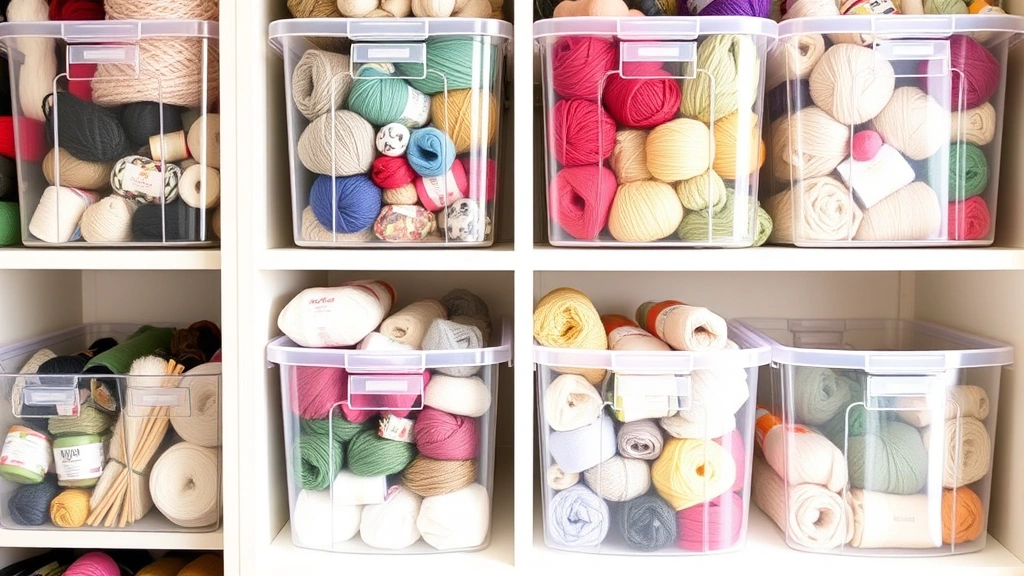
Store yarn in a cool, dry place away from direct sunlight. Sunlight fades colors, and moisture encourages mildew and mold growth. I keep mine in clear plastic bins with labels so I can see what I have without opening everything. Some people use hanging organizers or shelf space. Whatever works for your space—just keep it protected.
Protect yarn from pests. Moths love yarn (especially wool), so consider cedar blocks or lavender sachets if you’re storing for long periods. Airtight containers are your friend here. I learned this the hard way when moths discovered my precious merino stash.
When you’re working with yarn, keep it away from snags and rough surfaces. Use a yarn bowl or bag to keep your working yarn clean and untangled. This isn’t just about aesthetics—it makes your crochet experience actually enjoyable instead of frustrating.
For washing finished projects, always check the yarn label for care instructions. Hand wash delicate fibers in cool water with gentle soap. Acrylic can usually handle machine washing, but check the label. Lay items flat to dry unless the label says otherwise. Proper care extends the life of your handmade items and keeps them looking beautiful.
FAQ
What’s the difference between yarn weight and thickness?
Yarn weight is a standardized measurement of how thick the yarn is (0-7 scale). Thickness is just how it looks and feels. Two yarns can be the same weight but feel different because of fiber content and texture. Always check the weight number on the label, not just how thick it looks to your eye.
Can I substitute yarn in a pattern?
Yes, as long as you match the yardage and weight. Always make a test swatch with your substitute yarn to see how it looks and feels. The finished fabric might look different than the original pattern, but that’s often okay—sometimes it’s even better.
How do I know if yarn is good quality?
Good quality yarn feels nice to the touch, doesn’t have excessive fuzz or pilling, has a tight even twist, and comes from reputable brands. Read reviews on Ravelry where real crocheters share honest feedback. The price isn’t always an indicator—some expensive yarn is amazing, and some affordable yarn is great too.
What’s the best yarn for beginners?
Worsted weight, smooth, easy-to-work-with yarn in a light color. Acrylic is budget-friendly and forgiving. Look for yarn that’s not fuzzy and has a tight twist so you can see your stitches clearly. Avoid novelty yarns, delicate fibers, and anything that feels scratchy.
How much yarn do I actually need for a project?
Always go by yardage, not weight. The pattern specifies how many yards you need. Check the yardage on your chosen yarn’s label and do the math. It’s better to buy slightly more than less—you can always use leftover yarn for another project.
Is expensive yarn always better?
Not necessarily. Some pricey yarn is worth it because of superior quality and feel. Some affordable yarn is genuinely excellent. It depends on fiber content, brand reputation, and what you’re making. Do your research and read reviews before committing to expensive yarn.