How to Choose the Right Yarn for Your Crochet Projects
Okay, let’s be real—standing in front of a wall of yarn at your local craft store can feel absolutely overwhelming. There are literally hundreds of colors, textures, weights, and fiber blends staring back at you, and suddenly that simple project you wanted to make feels like it requires a PhD in yarn science. I’ve been there, and I know plenty of crocheters who’ve stood frozen in the aisle, paralyzed by choice. But here’s the thing: choosing the right yarn doesn’t have to be complicated, and it definitely shouldn’t kill the joy of making something with your own two hands.
The truth is, yarn choice can make or break a project. Pick the wrong weight, and your sweater might fit like a tent or a sausage casing. Choose a fiber that doesn’t suit the pattern, and you could end up with something that looks nothing like the gorgeous inspiration photo. But when you understand what you’re actually looking for—and why it matters—the whole process becomes so much easier and actually kind of fun. I’m going to walk you through exactly how to navigate this, with real examples and practical tips that’ll help you make confident choices every single time.
Understanding Yarn Weight
Yarn weight is probably the most important factor you’ll consider, and honestly, it’s simpler than it sounds. Yarn weight refers to how thick or thin a strand of yarn is, and it’s standardized so you can compare across different brands and fiber types. The Craft and Fiber Arts Council uses a system from 0 (Lace) all the way up to 7 (Jumbo), but most everyday crocheters work with weights 2 through 6.
Here’s the practical breakdown: if you’re making a delicate shawl or doily, you’re probably looking at weight 0, 1, or 2 (Lace, Fingering, or Sport weight). These create beautiful, intricate drape and are perfect if you want something elegant and lightweight. If you’re crocheting a summer top or baby blanket, weight 3 or 4 (DK or Worsted weight) is your sweet spot. These are versatile, easy to work with, and forgiving for beginners. For chunky afghans, cozy sweaters, or quick projects, you’ll want weight 5 or 6 (Bulky or Super Bulky). These work up fast—like, genuinely satisfying fast—and create dense, warm fabric.
The thing that trips people up is that weight isn’t just about thickness; it’s about how the yarn behaves. A lofty yarn (one that’s fluffy and has air in it) might look thick but actually be a lighter weight category. A dense, smooth yarn might look thinner but weigh more. This matters because it affects how much yardage you need and how the finished piece will drape or hold its shape.
Let me give you a concrete example: if you’re making a beginner-friendly pattern that calls for worsted weight and you substitute a bulky weight without adjusting anything, your finished project will be smaller, stiffer, and might not fit right. On the flip side, if you use a thinner weight than called for, you’ll need way more yardage, and your project might take forever.
Always check the label for the recommended crochet hook size—that’s your clue about the weight. If it says size H-8 (5mm), you’re looking at a medium worsted weight. If it says US 17-19 (12-15mm), that’s definitely bulky. The label also tells you yardage per weight, which is crucial for calculating how much you actually need to buy.
Fiber Content and Characteristics
Once you’ve figured out weight, it’s time to think about what the yarn is actually made of. This is where things get really personal, because different fibers have totally different personalities—and I mean that literally.
Acrylic yarn is the workhorse of the crochet world, and there’s absolutely nothing wrong with that. It’s affordable, durable, machine washable, and comes in every color imaginable. Brands like Red Heart and Caron make solid acrylic options that work beautifully for afghans, amigurumi, and projects you want to be practical about. The downside? It doesn’t breathe like natural fibers, so it’s not ideal for summer wear, and it can feel a bit plasticky to some people (though that’s honestly improving with newer blends). Acrylic also tends to pill over time, especially on items that get a lot of wear.
Cotton yarn is perfect if you’re making anything for warm weather or anything that’ll get wet. Summer tops, dishcloths, baby items—cotton is your friend. It’s breathable, absorbent, and washes like a dream. The trade-off is that it’s heavier than acrylic, less stretchy, and sometimes harder on your hands if you crochet for long stretches (it can create tension). Brands like Lion Brand have excellent cotton options.
Wool and wool blends are warm, elastic, and absolutely gorgeous to work with. They have natural memory, meaning your stitches stay where you put them and your finished pieces hold their shape beautifully. Wool breathes better than acrylic and regulates temperature, so sweaters made from quality wool are genuinely cozy. The challenges? Wool can be pricey, it requires careful washing (usually cold water and gentle detergent), and some people are sensitive to it. Merino wool blends are softer and less itchy than traditional wool, making them a great middle ground.
Alpaca and other luxury fibers (like silk, bamboo, or cashmere) are special. They’re soft, drape beautifully, and feel incredible to work with. They’re also significantly more expensive, which means you want to be really intentional about what you’re making. These shine in projects that showcase the fiber, like lacy shawls or fitted garments where the beautiful drape matters.
Here’s my real talk: blend fibers are where it’s at for most projects. A wool-acrylic blend gives you the shape-holding properties of wool with the durability and affordability of acrylic. A cotton-acrylic blend is breathable but easier to care for than 100% cotton. These blends are engineered to give you the best of both worlds, and they’re honest about what they are. Don’t feel like you have to go all-natural or all-acrylic; figure out what properties matter for your specific project.
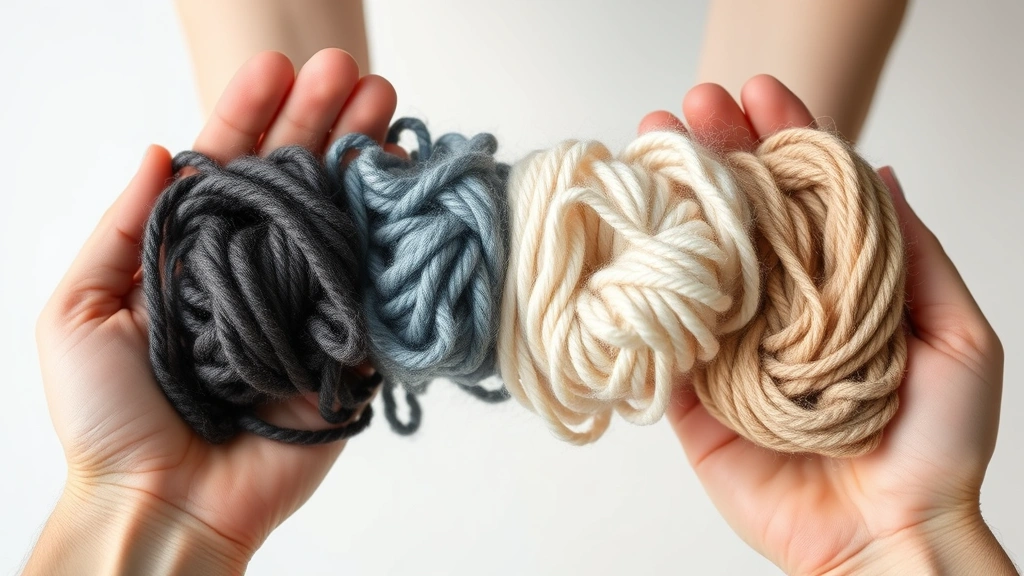
[IMAGE_2: A close-up flat lay of various yarn balls and skeins in different textures, weights, and colors—including smooth acrylic, fuzzy alpaca blend, crisp cotton, and soft merino, arranged to show natural variation without labels visible]
Matching Yarn to Your Project
This is where all that knowledge comes together into actual decision-making. When you’re looking at a pattern you want to make, the pattern designer has already done a lot of thinking for you. They’ve tested the pattern with specific yarn weights and often specific fiber types. That’s not random—it’s because they know how the finished piece should look and feel.
But here’s what I want you to understand: the pattern recommendation is a starting point, not a prison sentence. You can absolutely substitute yarn, but you need to do it thoughtfully. If a pattern calls for worsted weight, you can use a different brand of worsted weight without much concern. But if you want to go up or down in weight, you need to recalculate yardage and potentially adjust your hook size and pattern repeat.
Let’s work through a real example. Say you want to make a cozy oversized cardigan and the pattern calls for 1,500 yards of worsted weight wool. You find a beautiful acrylic worsted weight blend instead. The yardage should be similar (check the label), your hook size stays the same, and you’re good to go. The cardigan might not have quite the same elegant drape, but it’ll be warmer, easier to care for, and way cheaper. That’s a smart substitution.
Now imagine that same pattern, but you want to use a gorgeous bulky weight merino you found. You can’t just use the same pattern—the stitches will be too big, the piece will be oversized, and it might look nothing like the original. Instead, you’d need to either find a pattern specifically designed for that yarn weight, or you’d need to do some math: figure out how many stitches per inch the bulky yarn creates, adjust your stitch counts accordingly, and basically redesign the pattern. That’s advanced stuff, and honestly, if you’re just starting out, it’s easier to find a pattern that matches your yarn rather than trying to force the yarn into an existing pattern.
Think about the end use, too. Making a sweater that’ll be worn next to skin? You probably want natural fibers or a blend that breathes. Making an amigurumi stuffed animal for a kid? Acrylic is perfect—it’s durable, washable, and affordable if they destroy it. Crocheting a special occasion shawl? That’s your moment to invest in something luxe. Making dishcloths? Cotton, all day.
Color is also part of matching yarn to project. Some patterns show off stitch definition beautifully—those are perfect for variegated or multi-color yarns. Other patterns rely on texture and drape—solid, smooth colors let that shine. Understanding color choices makes a real difference in how satisfied you’ll be with the finished piece.
Budget and Quality Considerations
Let’s talk money, because yarn budgets are real and they matter. You don’t need to spend a fortune to make beautiful things, but you also don’t want to waste money on yarn that’ll frustrate you.
Budget yarn (think $2-4 per skein) is totally legitimate. Red Heart Super Saver, Caron Simply Soft, and Lily Sugar and Cream are all solid, affordable options that make up into genuinely nice finished pieces. I’ve made afghans I’m proud of with budget acrylic. The trade-off is that cheaper yarn sometimes has inconsistent texture, can feel a bit rough, and might pill more easily. But for projects where durability and care-ease matter more than luxury feel, budget yarn is the right choice.
Mid-range yarn ($5-10 per skein) is where a lot of crocheters find their sweet spot. You get better fiber blends, more consistent quality, and yarn that feels nice to work with. Brands like Yarnspirations and many indie dyers offer great options in this range. This is where I’d invest if I wanted something special but wasn’t making a once-in-a-lifetime heirloom.
Premium yarn ($10+ per skein) is for projects where the yarn itself is part of the appeal. A gorgeous hand-dyed merino for a special shawl. Luxury alpaca for a statement piece. These aren’t everyday choices, but they’re worth it when the project calls for it.
Here’s the real strategy: match your yarn budget to your project importance. Don’t spend premium prices on a practice project or something you’re making while you’re still learning a new technique. Do invest in better yarn for projects that’ll be worn frequently or given as meaningful gifts.
Quality also matters in terms of yardage accuracy. Better yarn brands are consistent about how much yardage they actually put in a skein. Cheaper brands sometimes cut corners, and you might end up short. Always check the label and do the math—if a pattern needs 1,000 yards and you’re getting 190 yards per skein, you need at least 6 skeins (190 × 6 = 1,140 yards). I always round up because it’s better to have leftover yarn than to run short.
Testing Before You Commit
This is the step that saves you from expensive mistakes. Before you buy five skeins of yarn for a big project, actually test it with your hook and see how it behaves.
Here’s what to do: buy one skein and crochet a small swatch—at least 4 inches square—using the recommended hook size and your planned stitch pattern. This tells you so much. You’ll see how the yarn splits (does it fray easily with your hook, or does it cooperate?). You’ll feel if it’s comfortable to work with for extended periods. You’ll see how the color looks in your actual lighting. You’ll understand the stitch definition and drape. And honestly? You’ll know if you actually like working with it.
This is especially important if you’re trying a new fiber type or working with yarn you found online. What looks beautiful in a photo might not feel good in your hands, and that matters. Your hands spend hours with this yarn—you want to actually enjoy the experience.
Also test care. If the yarn is supposed to be machine washable, wash your swatch. Does it hold up? Does the color run? Does it felt or change shape? This is crucial information before you commit to making a whole sweater.
I know this feels like an extra step, and if you’re excited about starting a project, it can feel annoying. But trust me: spending $3-5 on a test skein and 30 minutes on a swatch is so much cheaper and faster than making a whole project and hating how it turned out. Plus, you’ll have a little swatch you can keep with your notes about that yarn for future reference.
Storage and Care
Once you’ve chosen your yarn, you want to keep it in good shape. This matters more than you might think, especially if you’re buying ahead or storing projects mid-make.
Keep yarn in a cool, dry place away from direct sunlight. Sunlight fades colors, and moisture can cause mold or mildew, especially with natural fibers. A clear storage bin with a lid is perfect. If you’re storing yarn for a long time, add some acid-free tissue paper or cedar blocks to keep it fresh (just not actual cedar if you’re storing wool you plan to wear—it can affect how it smells against your skin).
Protect your yarn from pests. Moths are genuinely a threat to wool and other natural fibers, so don’t skip this step if you live somewhere with a moth problem. Sealed containers are your friend.
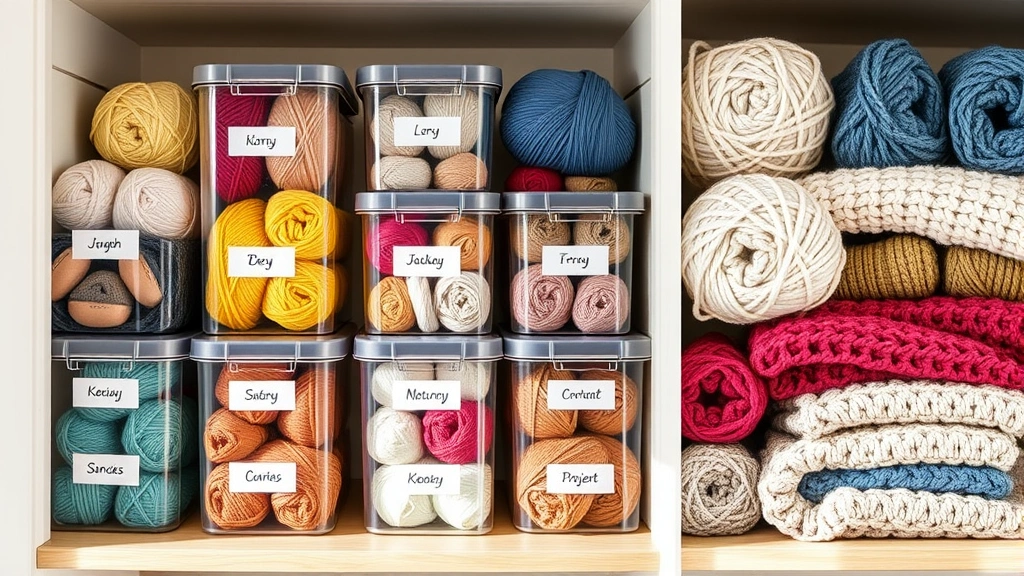
Keep your yarn organized so you can actually find what you need. Label your containers with fiber type, weight, color, and yardage. Take photos of the labels before you start crocheting—future you will be so grateful when you need to reference care instructions or buy more of the same yarn.
When you’re finishing your crochet projects, handle the yarn gently. If you’re weaving in ends, use a yarn needle (not a regular sewing needle—it’ll split the fibers). If you need to block your finished piece, use the care instructions on the yarn label to guide you.
[IMAGE_3: A cozy organized shelf or storage setup with labeled clear containers of rolled and wound yarn in various colors, with a few finished crochet projects displayed alongside them—blankets, sweaters, or accessories in natural home lighting]
FAQ
What if I can’t find the exact yarn a pattern calls for?
First, check if the pattern specifies why that yarn was chosen—sometimes it’s crucial, sometimes it’s just one option. If you’re substituting, match the weight and yardage as closely as possible, and always make a test swatch first. If the pattern is really specific about fiber properties (like it needs natural fiber drape or acrylic durability), look for a yarn with similar characteristics rather than just any yarn in that weight.
How do I know if yarn is good quality?
Good quality yarn has consistent thickness, doesn’t shed excessively, has clear and accurate labeling, and comes from a reputable brand. Read reviews from actual crocheters on sites like Ravelry, which has thousands of project notes where people talk honestly about yarn performance. Check the label for fiber content, yardage, care instructions, and recommended hook size—all present and clear.
Is it ever okay to use cheaper yarn?
Absolutely. Budget yarn is perfect for practice projects, items that need to be durable and washable, or when you’re making something in bulk. There’s no shame in using affordable yarn—it’s smart budgeting. Just go in with realistic expectations about feel and longevity.
How do I calculate how much yarn I actually need?
The pattern tells you the total yardage needed. Check your yarn’s label for yards per skein, divide the total yardage by the per-skein yardage, and round up. So if you need 1,200 yards and your yarn has 190 yards per skein, you need at least 7 skeins (1,200 ÷ 190 = 6.3, round up to 7). Always round up—you don’t want to run short.
Can I mix different yarn brands?
Yes, but be careful. If you’re using the same weight and fiber type, mixing brands usually works fine as long as they have similar yardage per weight. The finished piece might have very slight color or texture variations where you switched yarns, but for afghans and blankets where that’s less noticeable, it’s totally fine. For fitted garments where consistency matters more, try to stick with one brand.
What’s the difference between yarn and thread?
Thread is much thinner and usually has more twist, making it stronger and less stretchy. It’s used for detailed lacework and fine amigurumi. Regular yarn is thicker and more forgiving. They require different hook sizes and create different fabric. A pattern designed for yarn won’t work well with thread and vice versa.
Should I buy yarn online or in person?
Both have advantages. In person, you can feel the yarn and see the true color. Online, you get way more selection and often better prices. If you’re trying a yarn for the first time, buy in person if possible. For yarn you’ve already used and loved, online is fine. Ravelry is an amazing resource for finding specific yarns and reading reviews before you buy.
Choosing the right yarn really does become easier the more you do it. You’ll start to understand how different fibers behave, what weights work for your favorite stitch patterns, and what your hands actually enjoy working with. The secret isn’t knowing everything—it’s asking good questions, being willing to test before committing, and staying flexible when you need to adapt. Your yarn choices directly affect your crochet experience, so take the time to choose thoughtfully. You’re not just picking a product; you’re choosing what you’ll spend hours with and what you’ll eventually wear, gift, or display. That’s worth getting right.