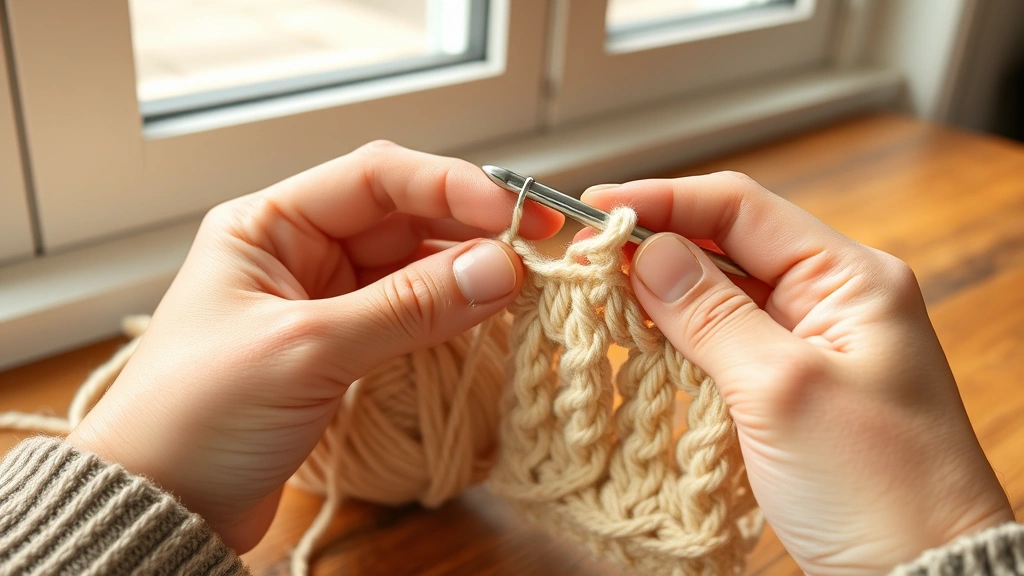
Last week, I was helping my neighbor Sarah with her first crochet project when she held up her wonky rectangle and sighed, “Why does everyone else’s work look so neat and even?” I knew exactly what she meant. When I started crocheting fifteen years ago, my stitches looked like they’d been made during an earthquake. The difference between beginner work and polished pieces often comes down to one thing: stitch consistency.
Here’s the truth nobody talks about enough – achieving consistent stitches isn’t about natural talent or magic fingers. It’s about understanding tension, developing muscle memory, and knowing a few key techniques that transform your work from “homemade” to “handmade with pride.” I’ve taught dozens of people to crochet, and I can tell you that everyone struggles with this at first.
The good news? Once you nail down consistent stitches, everything else becomes so much easier. Your blanket patterns will actually look like the photos, your gauge will be predictable, and you’ll stop second-guessing every row. Let me share the techniques that made the biggest difference in my own work and what I teach every new crocheter.
Quick Answer
Consistent crochet stitches come from maintaining steady yarn tension, keeping your hook at the same angle, and working at a comfortable pace. Practice the same motion repeatedly, count your stitches religiously, and use stitch markers to track your progress.
Mastering Yarn Tension
Yarn tension is the foundation of consistent stitches, and it’s where most beginners struggle. Think of it like learning to write with a pen – too tight and your hand cramps, too loose and your letters look shaky. The same principle applies to crochet.
I recommend the “pinky wrap” method for controlling tension. Wrap your working yarn around your pinky finger, then thread it over your ring finger, under your middle finger, and over your index finger. This creates natural resistance without requiring you to consciously grip the yarn. Your pinky does the work while your other fingers guide the yarn smoothly.
Here’s what changed everything for me: I stopped trying to control tension with my hook hand and let my yarn hand do the work. Your hook should glide through stitches effortlessly while your yarn hand maintains consistent pressure. Practice this motion slowly at first – speed comes naturally once the movement becomes automatic.
Pro Tip: If your stitches are too tight, try going up one hook size rather than forcing yourself to loosen up. Sometimes the yarn and hook combination just needs adjustment.
Different yarn weights require different tension approaches. With worsted weight yarn, you can maintain moderate tension and get great results. Lighter weights like sport or DK need gentler handling, while chunky yarns often work better with slightly firmer tension to prevent loose, gappy stitches.
Hook Position and Grip
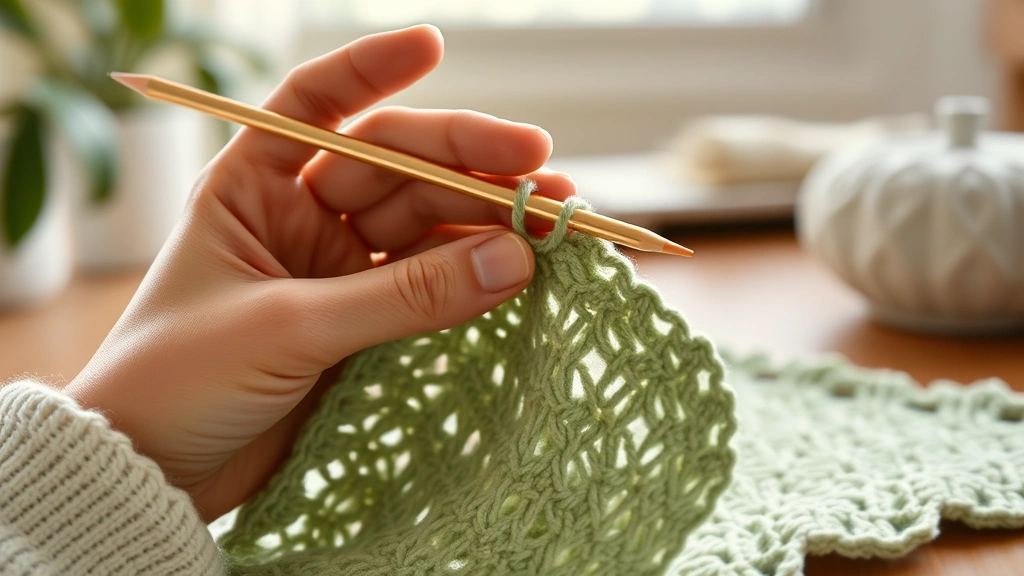
Your hook grip affects every single stitch you make, yet it’s something many crocheters never think about consciously. I hold my hook like a pencil – thumb and index finger controlling the movement, middle finger providing support underneath. Some people prefer the “knife grip” where you hold the hook like you’re cutting food, and that’s perfectly fine if it works for you.
The key is keeping your wrist straight and relaxed. I see so many people bend their wrists at awkward angles, which leads to fatigue and inconsistent stitches. Your forearm, wrist, and hand should form a relatively straight line. This might feel strange at first, but it prevents strain and gives you better control.
Hook angle matters more than most people realize. Keep your hook perpendicular to your work – not tilted forward or backward. When you insert your hook into a stitch, it should go straight through, not at an angle that distorts the stitch shape. This consistency in hook angle translates directly to consistency in stitch size and appearance.
I learned this the hard way after developing wrist pain during a particularly ambitious afghan project. Adjusting my grip and keeping my wrist neutral made all the difference.
Finding Your Comfortable Grip
Experiment with different hook materials too. Aluminum hooks provide good grip but can be cold and slippery. Plastic hooks are lightweight but might not glide through yarn as smoothly. I love bamboo hooks for their warmth and slight texture, though they can snag on some yarns. The Craft Yarn Council has excellent resources on hook sizes and materials if you want to dive deeper.
Understanding Stitch Mechanics
Every crochet stitch has specific components, and understanding these parts helps you create consistent results. Let’s break down a basic single crochet: insert hook, yarn over, pull through (two loops on hook), yarn over, pull through both loops. Each step should feel the same every time.
The “yarn over” motion is where I see the most variation among beginners. Some people wrap the yarn around their hook multiple times, others barely catch it. Practice making your yarn overs identical – wrap the yarn over your hook from back to front in one smooth motion. The yarn should lie flat against the hook shaft, not twisted or bunched.
When pulling through loops, use consistent pressure. Don’t yank the yarn through aggressively, but don’t baby it either. Think “firm but gentle” – like you’re pulling a thread through fabric. The loops should slide off your hook smoothly without distorting.
| Stitch Type | Key Consistency Point | Common Problem |
|---|---|---|
| Single Crochet | Even loop height | Varying tension on final pull-through |
| Double Crochet | Consistent yarn over placement | Uneven spacing of yarn overs |
| Half Double Crochet | Uniform loop retention | Dropping or adding loops accidentally |
The Magic of Muscle Memory
Consistent stitches happen when your hands know what to do without conscious thought. This takes time to develop – usually several weeks of regular practice. Don’t rush this process. I tell my students to focus on accuracy over speed for the first month. Speed naturally increases as muscle memory develops.
Practice the same stitch type repeatedly. Make swatches of just single crochet, then just double crochet. This repetition builds the neural pathways that lead to automatic, consistent movements. When working on easy crochet patterns, you’ll notice your stitches becoming more uniform as your muscle memory kicks in.
Counting and Tracking Methods
Nothing destroys stitch consistency like losing count and having to guess where you are. I cannot stress this enough: count your stitches religiously, especially when you’re building consistency skills. Every row, every round, every pattern repeat.
Use stitch markers liberally. I place them every 10 or 20 stitches on long rows, and at the beginning of each round in circular projects. The small investment in stitch markers pays huge dividends in consistent, accurate work. Ravelry has thousands of project pages where you can see how other crocheters use markers effectively.
Develop a counting rhythm that works for you. Some people count out loud, others count silently. I like to count in groups of five – “one-two-three-four-five, six-seven-eight-nine-ten” – because it’s easier to catch mistakes quickly. When working complex patterns, I write down my stitch counts at the end of each row.
Row Counter Tip: Use a row counter or smartphone app to track your progress. It’s much more reliable than trying to remember where you are, especially during longer projects.
Visual Tracking Techniques
Learn to “read” your crochet work. Consistent stitches create predictable patterns that you can visually verify. Single crochet creates neat little V shapes on top, double crochet forms taller columns with clear spaces between. When your stitches are consistent, these visual cues become reliable guides.
Take photos of your work periodically, especially when trying new techniques. Looking at your progress objectively helps you spot inconsistencies that you might miss while working. I keep a photo journal of my projects, and it’s fascinating to see how my consistency improved over time.
Fixing Common Consistency Issues
Let’s address the most common consistency problems I see and their solutions. First up: stitches that get progressively tighter or looser as you work. This usually happens when you’re not maintaining consistent yarn tension or when fatigue sets in.
If your work is getting tighter, you’re probably increasing tension unconsciously. Take breaks every 30 minutes to relax your hands and reset your grip. If it’s getting looser, you might be rushing or losing focus. Slow down and pay attention to each stitch until the consistency returns.
Uneven stitch height is another biggie. This often comes from inconsistent hook insertion depth or varying the number of loops you work with. Always insert your hook completely through the stitch, and double-check that you have the correct number of loops on your hook before completing each stitch.
I once spent three hours on a granny square only to realize my stitches were getting progressively smaller because I was unconsciously tightening my grip. Sometimes the best fix is to frog it and start fresh with better awareness.
Edge Consistency Issues
Wonky edges plague many crocheters and usually stem from inconsistent turning chains or missed stitches at row ends. Count your turning chains every time – two chains for single crochet, three for double crochet. Don’t vary this based on how you feel; stick to the pattern requirements.
Work your last stitch of each row into the same type of stitch consistently. If you’re working into the top of the turning chain, always work into the top. If you’re skipping it, always skip it. This consistency at the edges creates clean, straight sides that make finishing much easier.
Effective Practice Methods
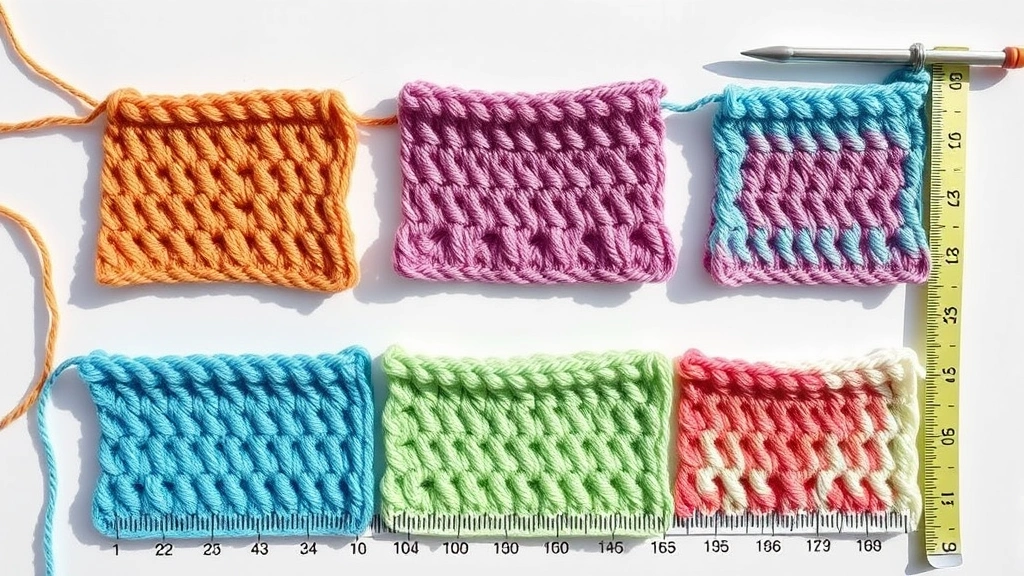
Structured practice makes a huge difference in developing consistent stitches. Instead of jumping into complex projects, spend time on focused exercises that build specific skills. I recommend making practice swatches using different yarn weights and hook sizes to understand how they affect your consistency.
Try the “10-10-10” exercise: make 10 single crochet stitches, measure their width, then make 10 more and measure again. Are they the same? If not, adjust your technique and try again. This kind of focused practice builds awareness of your stitch consistency in a measurable way.
Work on projects that require stitch consistency to succeed. Amigurumi patterns are excellent for this because uneven stitches show up immediately as lumps or holes in the finished piece. The immediate feedback helps you adjust your technique quickly.
- Daily Consistency Check
Start each crochet session with 10 minutes of basic stitches, focusing purely on making each one identical to the last.
- Swatch Library
Keep swatches of your work from different time periods to track your improvement and identify techniques that work best for you.
- Video Analysis
Record yourself crocheting occasionally and watch for inconsistencies in your movements that you might not notice while working.
Building Speed While Maintaining Consistency
Speed comes naturally as your consistency improves, but don’t rush the process. I see people trying to crochet fast before they’ve mastered steady, even stitches, and it always backfires. Focus on smooth, rhythmic movements rather than rapid ones.
Practice transitioning between different stitch types smoothly. Many patterns combine single and double crochet, and the transitions between these stitches can create consistency challenges. Work slowly through these changes until they feel natural.
Choosing the Right Projects
Not all projects are created equal when you’re working on stitch consistency. Some patterns hide minor inconsistencies while others highlight every imperfection. Choose your practice projects wisely to build confidence while developing skills.
Dishcloth patterns are perfect for beginners working on consistency. They’re small enough to complete quickly, use simple stitches, and any minor inconsistencies won’t affect functionality. Plus, you’ll end up with useful items for your kitchen.
Avoid highly textured patterns or those with frequent stitch changes while you’re building consistency. Stick to projects that use primarily one stitch type – like single crochet scarves or double crochet blankets. The repetition helps build muscle memory without the distraction of pattern complexity.
Project Progression: Start with dishcloths, move to simple scarves, then try baby blankets before tackling complex colorwork or lace patterns.
Yarn and Hook Combinations for Consistency Practice
Some yarn and hook combinations are more forgiving than others when you’re learning consistency. Worsted weight acrylic yarn with a size H (5mm) hook is my go-to recommendation for beginners. The yarn has enough body to maintain stitch definition, and the hook size provides good control without being too small or large.
Lion Brand Yarn and Red Heart both make excellent practice yarns that are affordable and consistent in weight. Avoid slippery yarns like silk or bamboo blends until your consistency is solid – they’re harder to control and can mask tension issues.
Common Questions
How long does it take to develop consistent crochet stitches?
Most people see significant improvement in 2-4 weeks of regular practice (30 minutes daily). Full consistency typically develops over 2-3 months. Everyone’s timeline is different, so don’t get discouraged if you need more time. I’ve seen people achieve beautiful consistency in just a few weeks, while others took several months to feel confident.
Should I use the same yarn and hook size while learning consistency?
Yes, absolutely. Stick with one yarn weight and hook size until your stitches are reliably consistent, then gradually experiment with different combinations. I recommend starting with worsted weight acrylic yarn and a size H (5mm) hook. This combination is forgiving and provides good feedback about your stitch consistency.
My stitches look consistent while working but uneven when I step back. Why?
This usually indicates tension issues that aren’t obvious up close. Take photos of your work from different angles and distances. Sometimes minor tension variations that seem fine while working become obvious in the finished piece. Also check that you’re maintaining the same hook angle throughout your work.
Is it normal for my hands to get tired when focusing on consistency?
Yes, especially when you’re first developing muscle memory. You’re using muscles in new ways and maintaining more conscious control than usual. Take breaks every 20-30 minutes, stretch your hands and wrists, and gradually increase your practice time. The fatigue decreases as your technique becomes more natural.
Can I fix inconsistent stitches in a finished project?
Minor inconsistencies often become less noticeable after blocking, especially in natural fibers. For more significant issues, you might need to frog (unravel) and redo sections. Prevention through consistent practice is much easier than fixing problems later. When working on important projects, make practice swatches first.
Should I count stitches in every single row?
While learning consistency, yes. Counting catches mistakes early and helps you maintain pattern accuracy. As you become more experienced, you can count less frequently on simple patterns, but I still recommend counting at regular intervals. Use stitch markers to make counting easier and more reliable.
What’s the best way to practice if I only have 15 minutes a day?
Focus on one specific aspect each session. Monday might be yarn tension practice, Tuesday hook position, Wednesday stitch counting, etc. Even 15 minutes of focused practice is more valuable than longer sessions without clear goals. Keep a small practice project that you can grab quickly for these short sessions.
My baby blanket stitches look different from when I started. Should I start over?
This is incredibly common and shows you’re improving! If the difference is subtle, continue and chalk it up to learning. If it’s dramatically different, consider whether the inconsistency will bother you in the finished piece. Remember that baby blankets get lots of love and washing, so minor inconsistencies often become less noticeable over time.
Developing consistent crochet stitches is one of those skills that feels impossible until suddenly it clicks. I promise you that every expert crocheter went through this same learning process, complete with wonky rectangles and uneven tension. The key is patience with yourself and consistent practice.
Remember that consistency isn’t about perfection – it’s about predictability. When you can reliably create stitches that look and feel the same, your projects will have that polished, intentional appearance that makes people ask, “Did you really make this yourself?” And trust me, that moment makes all the practice worth it.
Start with just 15 minutes of focused practice today. Pick up some worsted weight yarn, grab your favorite hook, and make a simple swatch concentrating on keeping every stitch identical to the last. Your future self will thank you for the time invested now, and before you know it, consistent stitches will become second nature. Happy crocheting!