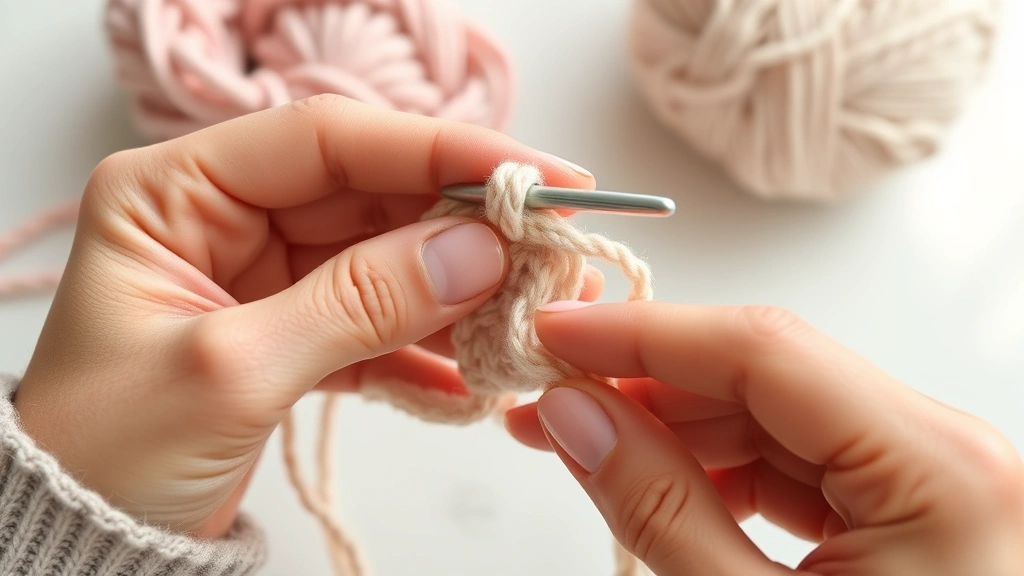
I’ll never forget the first time I tried to crochet a sweater. There I was, three weeks into what should have been a simple cardigan, holding up something that looked more like a tent than clothing. The problem? I had completely ignored gauge. My stitches were loose, my tension was all over the place, and I had no idea how to fix it. Sound familiar?
Here’s the thing about crochet tension – it’s probably the most important skill that nobody talks enough about when you’re starting out. Sure, you learn your basic stitches and maybe a few fancy techniques, but tension? That’s the secret ingredient that separates okay projects from absolutely gorgeous ones that actually fit properly.
I’ve spent years figuring out the ins and outs of tension control, and trust me, once you get it down, everything else becomes so much easier. Your crochet patterns will actually work out to the right size, your fabric will have that perfect drape, and you’ll stop having those “why doesn’t this look like the picture?” moments.
The truth is, most crocheters struggle with tension at some point. Maybe you’re a tight crocheter who creates fabric so stiff it could stand up on its own, or perhaps you’re on the loose side and your projects turn out looking more like fishing nets. Both are totally fixable, and I’m going to show you exactly how.
Quick Answer
Crochet tension refers to how tightly or loosely you work your stitches, affecting the size, drape, and appearance of your finished project. Consistent tension is achieved through proper yarn holding, hook grip, and regular practice with gauge swatches.
What Is Crochet Tension?
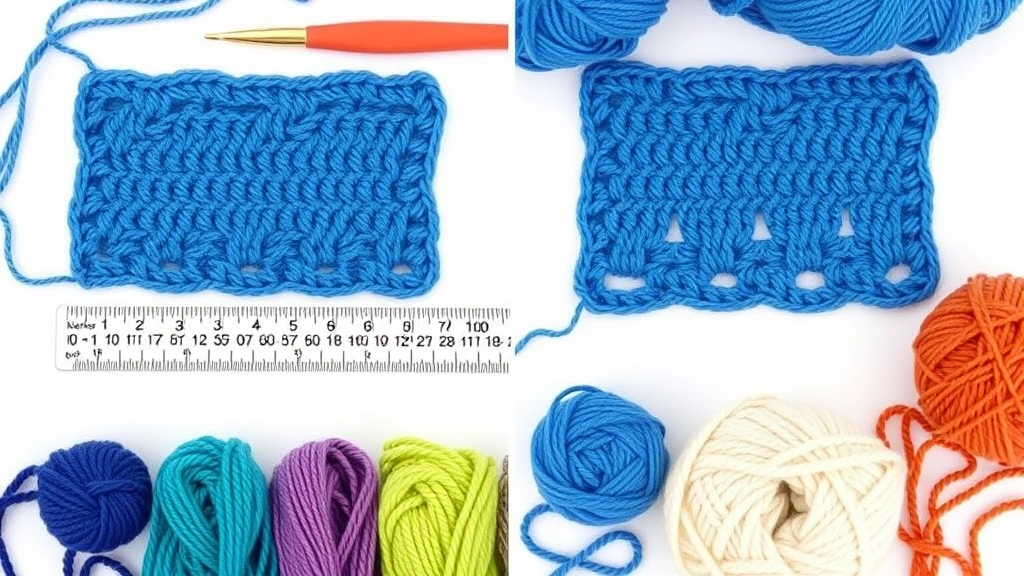
Crochet tension is basically how tightly or loosely you pull your yarn as you work. It’s the amount of pressure you apply when forming each stitch, and it directly affects the size and shape of those stitches. Think of it like your crochet signature – everyone’s is a little different.
When we talk about tension, we’re really talking about three things working together: how you hold your yarn, how you grip your hook, and the motion you use to pull the yarn through loops. These elements combine to create your unique tension style.
Most patterns assume you’ll work at a “standard” tension, which is why they include gauge information. But here’s where it gets tricky – there’s no universal standard for what that tension should be. What feels normal to you might create stitches that are completely different from what the pattern designer intended.
The Science Behind Tension
Your tension affects the actual structure of each stitch. When you work too tightly, you’re essentially squeezing the yarn into smaller loops, making your stitches shorter and tighter. Work too loosely, and those loops get bigger, creating taller, more open stitches.
This isn’t just about aesthetics, either. Tension changes the mechanical properties of your fabric. Tight tension creates a stiffer, more structured fabric that holds its shape well but might feel rigid. Loose tension gives you a more flexible, drapey fabric that moves beautifully but might not hold its shape as well.
I’ve found that most beginners tend to crochet tightly because they’re concentrating so hard on getting the stitches right. It’s totally normal, and it gets better with practice.
Why Tension Matters More Than You Think
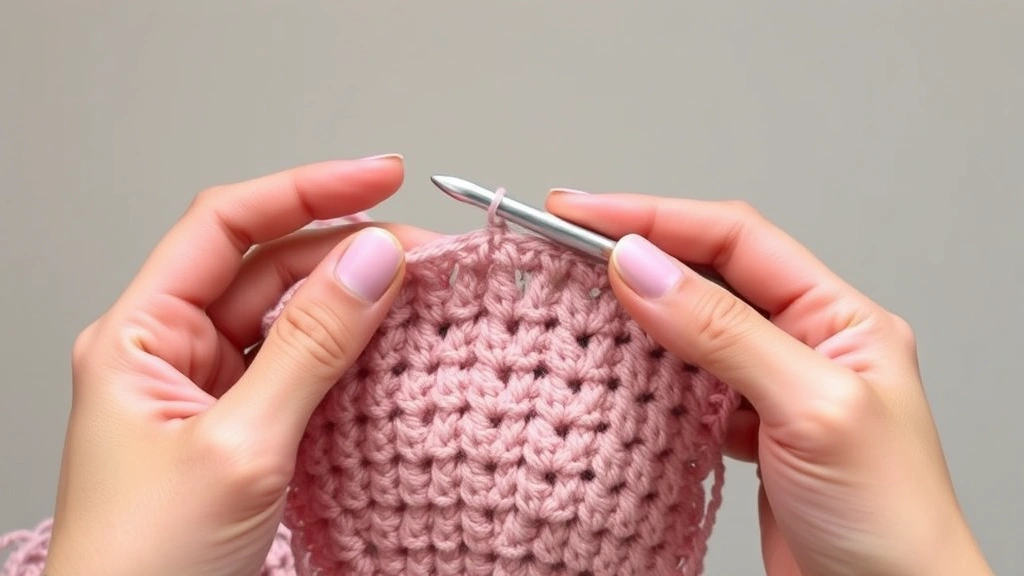
Let me tell you why tension is such a big deal. Last year, I was making matching baby blankets for twin nephews. I started the second blanket a few weeks after finishing the first one, using the same pattern and yarn. When I laid them side by side, one was noticeably larger than the other – same stitch count, same everything, but my tension had relaxed over those few weeks of practice.
This is exactly why tension matters so much. It affects every single aspect of your finished project, from size and fit to how the fabric behaves and looks.
Size and Fit Issues
The most obvious problem with inconsistent tension is sizing. If your gauge doesn’t match the pattern, your finished project won’t be the right size. This is especially critical for fitted items like sweaters, hats, or slippers. I’ve seen too many beautiful cardigans that ended up as gifts for much larger family members because the tension was off.
Even small differences add up. If your gauge is just half a stitch off per inch, that’s a 2-inch difference in a 4-inch section. In a full sweater, you could be looking at 6-8 inches of difference in the final measurements.
Fabric Quality and Appearance
Tension also affects how your fabric looks and feels. Consistent tension creates even, uniform stitches that look professional and polished. Inconsistent tension creates a bumpy, uneven surface that screams “homemade” – and not in a good way.
The drape of your fabric changes dramatically with tension too. A shawl worked with loose tension will flow beautifully and feel lightweight. The same pattern worked tightly might feel more like cardboard than fabric.
| Tension Type | Fabric Feel | Best For | Common Issues |
|---|---|---|---|
| Too Tight | Stiff, rigid | Structured bags, baskets | Sizing too small, hand fatigue |
| Just Right | Balanced, even | Most garments, accessories | None when consistent |
| Too Loose | Floppy, open | Lacy shawls, summer tops | Sizing too large, shape loss |
How to Measure Your Tension
Measuring your tension accurately is crucial, and it’s not as straightforward as you might think. The key is creating proper gauge swatches – and yes, I know they’re not the most exciting part of crocheting, but they’ll save you so much heartache later.
Making a Proper Gauge Swatch
Start by making a swatch that’s at least 6 inches square using the yarn and hook size specified in your pattern. This gives you enough fabric to measure accurately and accounts for any edge distortion. I always make mine a bit larger because the edges can pull in differently than the center stitches.
Work in the same stitch pattern as your main project. If the pattern uses single crochet, make your swatch in single crochet. If it’s a complex stitch pattern, use that instead. The stitch type significantly affects gauge, so this step is non-negotiable.
Here’s something most people don’t know: let your swatch rest for at least a few hours before measuring. Yarn has memory, and freshly worked stitches often relax and settle into their final shape over time. I usually make my swatches the night before I plan to measure them.
Measuring Techniques
Use a proper ruler or gauge tool – not a flexible measuring tape. Place your swatch on a flat surface and measure from the center, avoiding the edges. Count your stitches and rows over exactly 4 inches, not approximately.
If your pattern calls for 16 stitches and 18 rows per 4 inches, count carefully. Even being off by half a stitch can cause significant sizing issues in the finished project. I keep a small notebook where I record the gauge for every project – it’s incredibly helpful for future reference.
Pro tip: Take photos of your gauge swatches with measurements marked. It’s much easier than trying to remember what your tension was like six months later when you want to make the same project again.
Fixing Too-Tight Tension
If you’re a tight crocheter, you’re definitely not alone. Most beginners start out this way because they’re concentrating so hard on getting each stitch right. The good news is that tight tension is often easier to fix than loose tension – you just need to consciously relax.
Physical Adjustments
Start with how you’re holding your yarn. Many tight crocheters wrap the yarn around their finger multiple times or grip it like their life depends on it. Try loosening your grip and letting the yarn flow more freely through your fingers.
Your hook grip matters too. If you’re death-gripping your hook, your whole hand and arm will be tense, which translates into tight stitches. Hold your hook like you’d hold a pencil – firm enough to control it, but relaxed enough that your hand doesn’t cramp up.
Consider going up a hook size or even two. This is probably the fastest way to loosen up your tension. If the pattern calls for a size H (5mm) hook and you’re getting tight gauge, try a size I (5.5mm) or even J (6mm). Just remember to make a new gauge swatch with the larger hook.
Technique Changes
Practice the “yarn over” motion more deliberately. Instead of yanking the yarn through loops, try to pull it through smoothly and evenly. This takes some getting used to, but it makes a huge difference in stitch consistency.
Work on your hook hold and yarn tension while watching TV or listening to music. The distraction actually helps because you’re not overthinking every single stitch. I’ve found that many of my students naturally relax their tension when they’re not concentrating so intensely on the mechanics.
- Warm Up Your Hands
Before starting any project, do some gentle hand and wrist stretches. Tense muscles lead to tight stitches.
- Check Your Posture
Sit comfortably with your shoulders relaxed. Hunching over your work creates tension throughout your whole body.
- Practice Breathing
It sounds silly, but holding your breath while concentrating makes everything tighter. Breathe normally while you work.
- Take Regular Breaks
Every 20-30 minutes, put your work down and shake out your hands. This prevents tension from building up.
Dealing with Loose Tension
Loose tension can be trickier to fix because it often comes from being too relaxed or not maintaining consistent yarn control. If your stitches look more like holes than fabric, or if your projects always turn out bigger than expected, you’re probably dealing with loose tension.
Yarn Control Techniques
The key to fixing loose tension is improving your yarn control. Try wrapping the yarn around your finger one more time, or experiment with different ways of threading it through your fingers. Some crocheters find that weaving the yarn under their pinky, over their ring finger, and under their middle finger gives them better control.
Your hook technique might need adjustment too. Make sure you’re actually catching the yarn properly with each yarn over, and don’t be afraid to give it a gentle tug to snug up the stitch. You’re not trying to make it tight, just controlled and even.
Equipment Solutions
Sometimes the solution is as simple as going down a hook size. If the pattern calls for a size H (5mm) hook but your stitches are too loose, try a size G (4mm) or even F (3.75mm). Always make a new gauge swatch when you change hook sizes.
Consider your yarn choice too. Some yarns are naturally more slippery and harder to control, especially cotton or bamboo blends. If you’re struggling with tension, try switching to a wool or wool blend yarn, which tends to have more grip and is more forgiving of tension variations.
Maintaining Consistent Tension
Once you’ve figured out your ideal tension, the challenge becomes maintaining it consistently throughout your project. This is where many crocheters struggle – they start with perfect gauge, but their tension drifts as they get tired, distracted, or more comfortable with the pattern.
Environmental Factors
Your environment affects your tension more than you might realize. I crochet differently when I’m relaxed on the couch versus when I’m sitting at a table trying to finish a project quickly. Temperature matters too – cold hands tend to create tighter stitches, while warm, relaxed hands often work more loosely.
Lighting is another factor people don’t consider. When you’re straining to see your stitches, you naturally tense up, which affects your tension. Good lighting isn’t just about preventing eye strain – it actually helps you maintain more consistent stitches.
Practice Strategies
The best way to develop consistent tension is through regular practice with simple projects. Work on basic dishcloths or practice squares using different yarn weights and hook sizes. This builds muscle memory without the pressure of working on an important project.
Keep a tension journal where you note what affects your stitches. Maybe you crochet more tightly when you’re stressed, or more loosely when you’re tired. Understanding your patterns helps you compensate for them.
I always do a few practice rows before starting a new section of a project, especially if it’s been a few days since I last worked on it. It helps me get back into the rhythm and tension of that particular piece.
Common Tension Problems and Solutions
Let me walk you through some of the most common tension issues I see and how to fix them. These problems can pop up even for experienced crocheters, so don’t feel bad if you recognize yourself in any of these scenarios.
Uneven Edge Stitches
Edge stitches often look different from the rest of your work because they don’t have neighboring stitches on both sides. This is especially noticeable in projects like scarves where the edges are highly visible.
The solution is to pay extra attention to your turning chains and edge stitches. Make sure your turning chain is the right height for your stitch type, and try to work your first and last stitches of each row with the same tension as the middle stitches.
Tension Changes Mid-Project
This happens to everyone. You start a project with perfect gauge, but halfway through, something feels off. Maybe you took a long break, or you’ve gotten more comfortable with the pattern, or you’re using a different part of your yarn skein that behaves differently.
The fix is to make gauge swatches periodically throughout long projects. I do this every few inches on large pieces like afghans. If your gauge has drifted, you can adjust your hook size or consciously modify your tension to get back on track.
Stitch Height Variations
Sometimes your stitches look uneven in height, creating a wavy or bumpy fabric. This usually comes from inconsistent yarn overs or pulling the yarn through loops at different tensions.
Focus on making your yarn overs consistent – same motion, same amount of yarn pulled through each time. Practice working slowly and deliberately until the motion becomes automatic. The Craft Yarn Council has excellent resources on proper stitch formation that can help with this issue.
| Problem | Likely Cause | Quick Fix | Long-term Solution |
|---|---|---|---|
| Fabric too small | Tension too tight | Go up a hook size | Practice relaxing grip |
| Fabric too large | Tension too loose | Go down a hook size | Improve yarn control |
| Uneven stitches | Inconsistent tension | Work more slowly | Regular practice sessions |
| Wavy edges | Wrong turning chain height | Adjust chain count | Learn proper chain heights |
Common Questions
How long does it take to develop consistent tension?
Most crocheters see significant improvement in their tension consistency within 2-3 months of regular practice. However, it can take 6-12 months to develop really stable, predictable tension that stays consistent across different projects and yarn types. The key is regular practice – even 15-20 minutes a day makes a huge difference.
Should I always make a gauge swatch?
For any project where size matters – garments, fitted accessories, or items that need to match specific dimensions – absolutely yes. For decorative items like doilies or simple dishcloths where exact size isn’t critical, you can often skip the swatch. But honestly, making swatches is such good practice that I recommend doing them anyway.
Can I fix tension issues in a finished project?
It depends on the issue and how the item was constructed. Minor tension variations often even out with blocking, especially in natural fibers like wool. For more significant problems, you might be able to adjust sections by carefully unraveling and re-working them. However, major tension issues usually require starting over with the correct gauge.
Why does my tension change when I switch yarn colors?
Different yarn colors can actually have slightly different textures, even within the same brand and weight. Darker colors often feel different from lighter ones due to dye processes. Also, if you’re working with multiple skeins, there can be slight variations between dye lots. Try to maintain awareness of your tension when switching colors and make adjustments as needed.
Is it normal for my hands to hurt when I’m trying to fix my tension?
Some mild fatigue is normal when you’re consciously changing your technique, but actual pain is not okay. If your hands hurt, you’re probably overcorrecting. Take frequent breaks, do hand stretches, and remember that tension changes should feel natural, not forced. Consider consulting resources from Ravelry forums where experienced crocheters share ergonomic tips.
How do I know if my tension is right for the yarn I’m using?
The best indicator is how your fabric feels and behaves. With worsted weight yarn and the recommended hook size, your fabric should have good stitch definition without being stiff, and it should drape nicely without being floppy. For specific projects, always refer to the gauge specified in the pattern. Yarn manufacturers like Lion Brand often include suggested gauge ranges on their labels too.
Can using different hook materials affect my tension?
Absolutely. Aluminum hooks tend to be slippery and can lead to looser tension, while bamboo or wood hooks have more grip and might help you achieve tighter, more controlled stitches. Ergonomic hooks can also affect tension by changing how comfortably you can hold and maneuver the hook. If you’re struggling with tension, experimenting with different hook materials might help.
What’s the difference between gauge and tension?
Tension refers to how tightly or loosely you work your stitches – it’s your personal crocheting style. Gauge is the measurement that results from your tension – how many stitches and rows you get per inch. You can have consistent tension but still need to adjust your hook size to match a pattern’s gauge requirements.
Mastering crochet tension isn’t about being perfect from day one – it’s about understanding how your hands work, recognizing when something’s off, and knowing how to fix it. The beautiful thing about crochet is that every project teaches you something new about your own technique.
Remember, even experienced crocheters have to pay attention to their tension, especially when starting new projects or working with unfamiliar yarns. It’s not a sign of failure; it’s part of the craft. The goal isn’t to eliminate all variation in your stitches – that would make your work look machine-made. Instead, aim for controlled, consistent tension that creates the fabric you want.
Take your time, be patient with yourself, and don’t be afraid to rip out work that isn’t meeting your standards. Every stitch you undo and redo is teaching your hands what the right tension feels like. Before you know it, good tension will become second nature, and you’ll wonder why it ever seemed so difficult.
Now grab your hook and yarn, make that gauge swatch, and start building the muscle memory that will make all your future projects turn out exactly as you envision them. Happy crocheting!