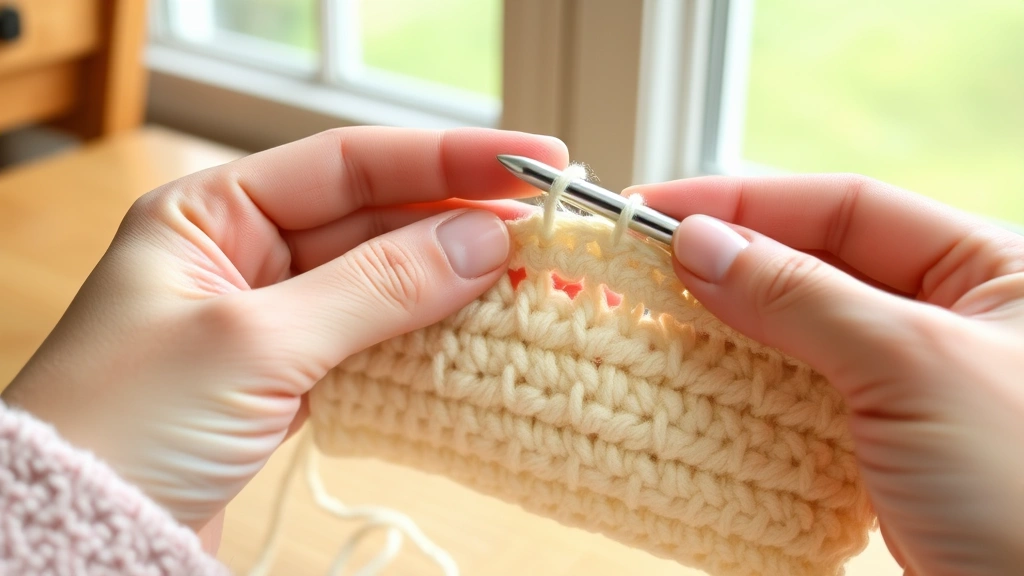
Last week, I was helping my neighbor Sarah with her first crochet project when she asked me something that stopped me in my tracks: “What’s the difference between single crochet and half double crochet?” It’s such a fundamental question, yet I realized how confusing these basic stitches can be when you’re starting out. The names alone don’t give you much to go on, and most tutorials assume you already know the differences.
Here’s the thing – understanding the distinction between single crochet (sc) and half double crochet (hdc) is absolutely crucial for your crochet journey. These two stitches form the backbone of countless patterns, and knowing when to use each one will dramatically improve your projects. The main difference comes down to height, texture, and how they affect your fabric’s drape and appearance.
I’ve been crocheting for over fifteen years, and I still remember the frustration of trying to figure out why my projects looked different from the pattern photos. Nine times out of ten, it came down to stitch choice. Single crochet creates a tight, sturdy fabric that’s perfect for amigurumi and structured items, while half double crochet produces a more flexible fabric with beautiful drape – ideal for garments and flowing accessories.
Quick Answer
Single crochet is shorter and creates dense, sturdy fabric, while half double crochet is taller and produces more flexible, drapey fabric. Single crochet uses one yarn over before inserting the hook, while half double crochet uses one yarn over and pulls through all loops in two steps instead of three.
Understanding the Basic Structure
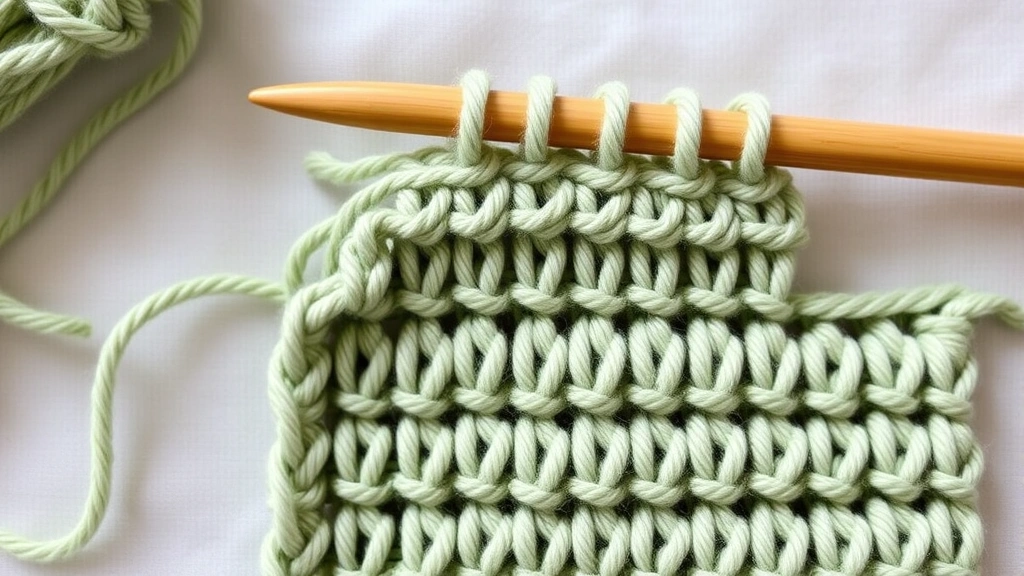
Let’s start with the fundamentals. Single crochet is the shorter of the two stitches, typically measuring about the same height as your yarn’s thickness. When you’re working in rows, you’ll use one chain stitch to turn, which tells you something about its compact nature.
Half double crochet, on the other hand, is roughly twice the height of single crochet. This extra height comes from an additional yarn over at the beginning of the stitch, and it requires two turning chains when working in rows. The “half” in its name refers to the fact that it’s between single crochet and double crochet in height – not quite as tall as double crochet, but definitely taller than single.
The structural difference affects everything about how these stitches behave. Single crochet creates what I like to call “crochet bricks” – each stitch is compact and sits firmly next to its neighbors. Half double crochet stitches have more breathing room, creating a fabric that naturally wants to drape and flow.
Pro Tip: When you’re learning, practice both stitches with the same yarn and hook size. Make a swatch of 20 stitches in each technique so you can really see and feel the difference.
Visual Identification
Once you know what to look for, identifying these stitches in finished work becomes much easier. Single crochet creates a tight, uniform grid pattern with clearly defined rows. Each stitch looks like a small “v” on top with a compact post underneath.
Half double crochet has a more relaxed appearance. The stitches are taller and create a subtle diagonal texture that’s especially noticeable when you’re working with smooth yarn types. The posts have more presence, and there’s often a slight lean to the stitches that creates visual interest.
Height and Gauge Differences
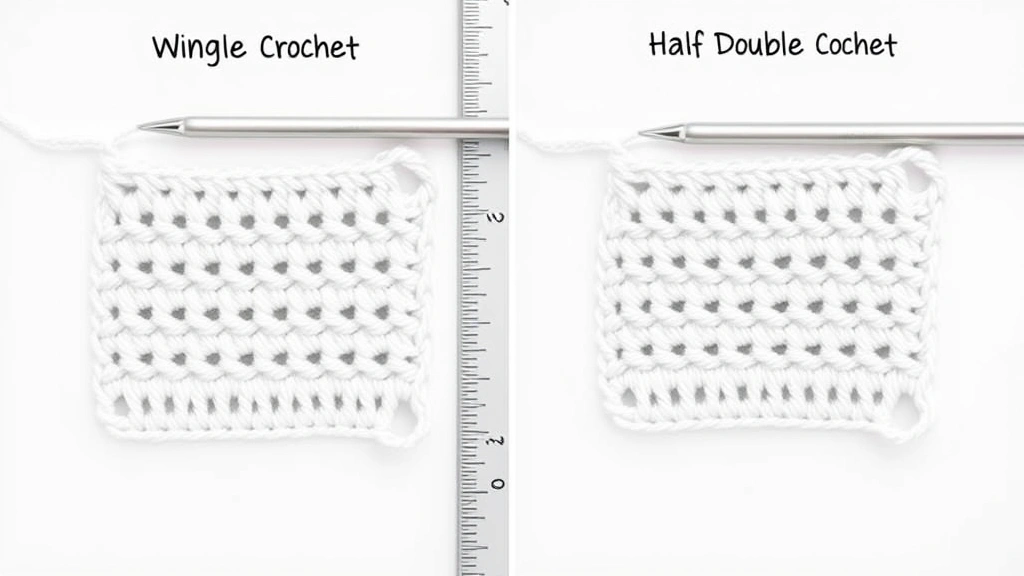
The height difference between these stitches is significant and affects your gauge dramatically. With the same hook size and yarn, half double crochet will always work up faster than single crochet because you’re gaining more height with each row.
| Stitch Type | Approximate Height | Turning Chains | Rows per Inch (Worsted) |
|---|---|---|---|
| Single Crochet | 4-5mm | 1 | 5-6 |
| Half Double Crochet | 7-9mm | 2 | 3-4 |
This height difference means you absolutely cannot substitute one stitch for another without adjusting your pattern. I learned this the hard way when I tried to make a baby blanket “faster” by using half double crochet instead of the single crochet the pattern called for. The finished blanket was enormous!
When working with worsted weight yarn and a size H/8 (5mm) hook, single crochet typically gives you about 14 stitches and 16 rows per 4 inches. Half double crochet with the same setup usually measures about 12 stitches and 10 rows per 4 inches. That’s a massive difference in the finished dimensions.
Gauge Swatching Tips
Always make separate gauge swatches for each stitch type when a pattern uses both. I recommend making your swatches at least 5 inches square – larger swatches give you more accurate measurements because you can measure the middle section without edge distortion affecting your count.
Remember: blocking your gauge swatch the same way you’ll block your finished project is crucial for accuracy. Some yarns change dramatically after washing.
Step-by-Step Technique Comparison
Let me walk you through both techniques so you can see exactly where they differ. The key distinction happens right at the beginning of each stitch.
Single Crochet Technique
- Insert Hook
Insert your hook into the designated stitch, going under both loops of the “v” at the top (unless the pattern specifies otherwise).
- Yarn Over and Pull
Yarn over and pull through the stitch. You now have two loops on your hook.
- Complete the Stitch
Yarn over again and pull through both loops on your hook. One single crochet complete!
Half Double Crochet Technique
- Yarn Over First
Before inserting your hook anywhere, yarn over. This is the crucial difference – you start with a yarn over.
- Insert Hook
Insert your hook into the designated stitch, keeping that initial yarn over on your hook.
- Yarn Over and Pull
Yarn over and pull through the stitch. You now have three loops on your hook.
- Complete the Stitch
Yarn over one more time and pull through all three loops at once. Half double crochet complete!
The “yarn over first” step is what trips up most beginners. With single crochet, you yarn over after inserting the hook. With half double crochet, you yarn over before inserting the hook. This extra yarn over is what creates the additional height.
Memory Trick: I tell my students to think “HDC = Hook Delayed by Checking” – you check (yarn over) before inserting the hook.
How Each Stitch Affects Your Fabric
The fabric characteristics created by these two stitches are dramatically different, and understanding these differences will help you choose the right stitch for your project goals.
Single Crochet Fabric Properties
Single crochet creates what I call “structural fabric.” It’s dense, stable, and holds its shape beautifully. The tight construction means it has excellent stitch definition – perfect for colorwork patterns where you want crisp, clean color changes.
This density also means single crochet fabric has natural insulating properties. It traps air between the stitches, making it ideal for winter accessories like hats and scarves. However, this same density can make it less comfortable for garments, especially in heavier yarn weights.
Single crochet also tends to curl less than taller stitches. The compact nature of the stitches creates a more balanced fabric that lays flat naturally. This makes it excellent for projects like dishcloths, potholders, and bag bases where you need the fabric to maintain its shape.
Half Double Crochet Fabric Properties
Half double crochet creates what I think of as “living fabric” – it has movement, drape, and flexibility. The taller stitches create more space in the fabric structure, making it lighter and more breathable than single crochet.
This natural drape makes half double crochet perfect for garments. Sweaters, cardigans, and shawls made with half double crochet have a more professional, less “handmade” appearance because the fabric moves more like commercial knitwear.
The trade-off is that half double crochet fabric can be less stable. It’s more prone to stretching out of shape, and the looser construction means it might not hold up as well to heavy use. For items that need structure, like amigurumi projects, single crochet is usually the better choice.
Half double crochet also creates a subtle texture that works beautifully with variegated yarns. The slight diagonal lean of the stitches helps break up busy color patterns, while single crochet can sometimes make variegated yarns look chaotic.
Best Projects for Each Stitch
Choosing between single crochet and half double crochet often comes down to the end use of your project. Here’s how I decide which stitch to use based on what I’m making.
Single Crochet Excels For:
- Amigurumi and toys: The tight fabric prevents stuffing from showing through
- Bags and baskets: Structural integrity is crucial for functional items
- Dishcloths and washcloths: Density creates better scrubbing action
- Colorwork projects: Clean stitch definition makes patterns pop
- Potholders: Dense fabric provides better heat protection
- Baby blankets: Durability for frequent washing
When I’m working on projects that need to maintain their shape or withstand heavy use, single crochet is almost always my go-to choice. The Craft Yarn Council actually recommends single crochet for most beginner projects because of its forgiving nature and structural stability.
Half Double Crochet Shines For:
- Sweaters and cardigans: Better drape and comfort
- Scarves and cowls: Flexible fabric that drapes beautifully
- Shawls: Creates elegant flowing lines
- Afghans for adults: Lighter weight but still warm
- Summer tops: More breathable than single crochet
- Quick projects: Works up faster due to stitch height
I love using half double crochet for wearables because it creates fabric that actually looks and feels like something you’d buy in a store. The natural drape is especially important for larger garments where stiffness would be uncomfortable.
Yarn Weight Considerations: With bulky yarns, single crochet can create overly stiff fabric, while half double crochet maintains nice drape. With fingering weight yarns, single crochet might be too dense, but half double crochet creates lovely, delicate fabric.
Common Mistakes and How to Fix Them
Over the years, I’ve seen the same mistakes pop up again and again when people are learning these stitches. Here are the most common issues and how to fix them.
Single Crochet Mistakes
Skipping the First Stitch: This is the number one single crochet mistake. When you turn your work, that turning chain doesn’t count as a stitch, so you need to work into the first actual stitch of the previous row. Many beginners skip it because it’s tight and hard to see.
Working Too Tightly: Single crochet naturally wants to be tight, but if you’re gripping your hook like it’s trying to escape, your stitches will be impossible to work into on the next row. Practice maintaining consistent, moderate tension.
Inconsistent Stitch Height: If your single crochet rows look wavy, you’re probably pulling some stitches tighter than others. Focus on keeping your working yarn at a consistent angle as you complete each stitch.
Half Double Crochet Mistakes
Forgetting the Initial Yarn Over: This is the classic half double crochet mistake. If you forget to yarn over before inserting your hook, you’ll accidentally make a single crochet instead. The result is a row that’s shorter than it should be.
Counting Turning Chains Wrong: Half double crochet uses two turning chains, and sometimes these chains count as the first stitch of the new row, sometimes they don’t. Always check your pattern to see what it specifies, and be consistent throughout your project.
Pulling Through Loops Incorrectly: Half double crochet requires pulling through all three loops at once in the final step. Some beginners try to pull through two loops, then the remaining loop, which creates a completely different stitch altogether.
If you’re struggling with consistency, try using a stitch marker to mark your first and last stitches of each row until the pattern becomes second nature.
How to Choose the Right Stitch
When you’re designing your own projects or modifying existing patterns, knowing how to choose between single crochet and half double crochet can make the difference between a project you love and one that sits unfinished in your craft room.
Consider Your Yarn
The yarn you’re using should heavily influence your stitch choice. Lion Brand and other major yarn manufacturers often include stitch recommendations on their labels, but here’s my personal guide:
Cotton yarns: These tend to have less natural drape, so half double crochet can help create movement in the fabric. Single crochet in cotton can sometimes feel boardy, especially in heavier weights.
Wool and wool blends: These have natural elasticity that works beautifully with both stitches. Choose based on your desired fabric characteristics rather than yarn behavior.
Acrylic yarns: Modern acrylics like Red Heart Super Saver work well with both stitches, but half double crochet can help overcome the sometimes-stiff feel of budget acrylics.
Think About Function
Always consider how your finished item will be used. Will it need to hold its shape? Will it be washed frequently? Will someone be wearing it close to their skin? These functional requirements should guide your stitch choice.
For items that need structure – like the base of a market bag pattern or the body of a stuffed animal – single crochet’s density is an asset. For items where comfort and drape matter more, half double crochet’s flexibility wins.
Consider Your Skill Level
If you’re still building muscle memory, single crochet is more forgiving. The shorter stitches mean mistakes are smaller and easier to fix. Half double crochet requires more coordination because you’re managing more loops on your hook, but it’s still considered a beginner-friendly stitch.
Pattern Reading Tip: Many patterns will specify why they chose a particular stitch. Pay attention to these notes – they’re usually included for good reasons related to the finished fabric characteristics.
Common Questions
Can I substitute half double crochet for single crochet in a pattern?
Generally, no. The height difference means your finished project will be significantly larger than intended. If you want to make this substitution, you’ll need to recalculate the entire pattern, reducing the number of rows proportionally. It’s usually easier to stick with the recommended stitch.
Which stitch uses more yarn?
Single crochet typically uses more yarn per square inch because of its density. However, half double crochet projects often end up using more total yarn because the fabric drapes better, leading people to make larger items. For the same dimensions, single crochet uses about 15-20% more yarn.
Why does my half double crochet look uneven?
The most common cause is inconsistent tension on that initial yarn over. Try to keep the same loose tension on the yarn over that you use for your regular yarn overs within the stitch. Also, make sure you’re pulling through all three loops smoothly in one motion rather than hesitating partway through.
Should beginners learn single crochet or half double crochet first?
I always recommend learning single crochet first. It’s simpler (fewer steps), more forgiving of tension issues, and creates fabric that’s easier to work with while you’re building your skills. Once single crochet feels natural, adding the initial yarn over for half double crochet is a small step.
Can I mix single crochet and half double crochet in the same project?
Absolutely! Many patterns use both stitches strategically. You might use single crochet for borders or structural elements and half double crochet for the main body. Just remember that you’ll need different turning chain counts for each section, and the fabric will behave differently in each area.
Which stitch is better for colorwork patterns?
Single crochet is usually better for detailed colorwork because the shorter, denser stitches create cleaner color changes and better stitch definition. Half double crochet can work for simple stripes or large color blocks, but complex patterns tend to look muddy because of the stitch’s natural lean and the way colors blend at the edges.
How do I fix a row where I accidentally mixed stitches?
If you notice the mistake quickly, you can frog back to the error and rework that section. If you’ve gone several rows past the mistake, you might be able to work some strategic increases or decreases in subsequent rows to even out the height difference, depending on your pattern. For beginners, frogging back is usually the cleaner solution.
Do I need different hook sizes for single crochet vs. half double crochet?
Not necessarily, but some crocheters find they need to adjust their hook size slightly to maintain consistent gauge between stitch types. If your single crochet tends to be tight, you might go up a hook size for single crochet sections, or down a size for half double crochet sections. Make gauge swatches to determine what works best for your tension.
Understanding the differences between single crochet and half double crochet opens up so many possibilities in your crochet journey. These two fundamental stitches form the foundation for countless patterns, and knowing when and why to use each one will make you a more confident crocheter.
Remember, there’s no “better” stitch – just different tools for different jobs. Single crochet gives you structure and stability, while half double crochet offers drape and flexibility. The key is matching the stitch to your project goals and understanding how each one will affect your finished fabric.
Take some time to practice both stitches until they feel natural, and don’t be afraid to experiment. Make swatches, try different yarn weights, and see how these stitches behave with your personal tension and style. The more comfortable you become with both techniques, the more you’ll understand when to reach for each one. Happy crocheting!