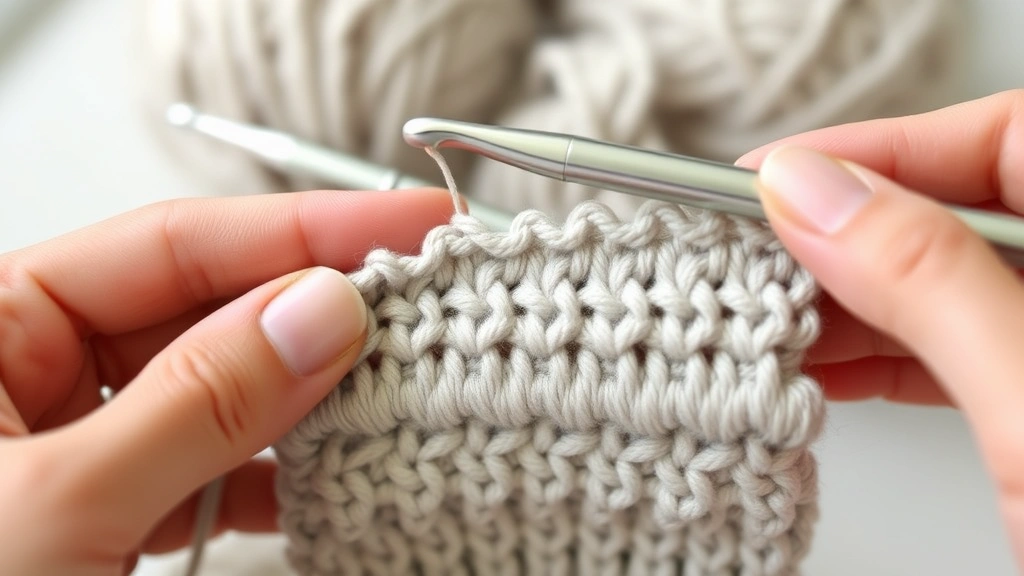
Last week, I was working on a baby blanket when my neighbor stopped by and asked, “How do you know if your crochet hook is the right size?” She’d been struggling with her first project – a simple dishcloth – and couldn’t figure out why her stitches looked so different from the pattern photo. Her fabric was stiff and dense, nothing like the soft, drapey square she was aiming for.
This is honestly one of the most common issues I see with new crocheters, and it’s not their fault. Hook size seems like it should be straightforward, but there’s actually a lot more to it than just matching the number on your hook to what the pattern says. The right hook size affects everything: your fabric’s drape, how much yarn you’ll use, whether your finished project will be the right size, and even how comfortable the stitching process feels.
I’ve been crocheting for over fifteen years, and I still sometimes grab the wrong hook size initially. The difference between a 5mm and 5.5mm hook might seem tiny, but it can completely change your project’s outcome. Too small, and you’ll get a tight, stiff fabric that’s exhausting to work with. Too large, and your stitches will be loose and gappy, which is especially problematic for items like bags or amigurumi that need structure.
Here’s what I’ve learned: the “right” hook size isn’t always what the pattern suggests. It’s the size that gives YOU the correct gauge with YOUR yarn and YOUR tension. Some crocheters naturally work tightly and need to size up, while others have a loose hand and need to size down.
Quick Answer
Choose your crochet hook size based on your yarn weight, desired fabric texture, and personal tension. Start with the yarn label’s recommended size, make a gauge swatch, then adjust up or down until your stitches match the pattern’s measurements.
Understanding Hook Size Systems
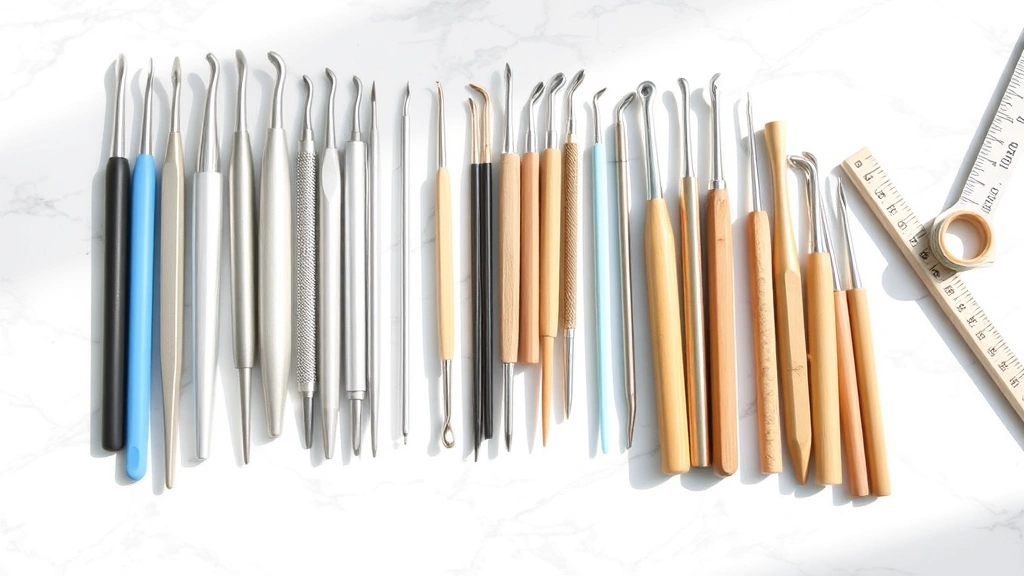
Let’s start with the basics because hook sizing can be genuinely confusing. There are three main systems: US letter/number sizes, metric (mm), and UK sizes. Most modern patterns use metric measurements because they’re more precise, but you’ll still see US sizes frequently.
The metric system is straightforward – a 4.0mm hook is exactly 4 millimeters in diameter. US sizes jump around more randomly: B/1 is 2.25mm, C/2 is 2.75mm, D/3 is 3.25mm, and so on. UK sizes follow their own logic entirely and are rarely used in modern patterns.
| US Size | Metric (mm) | Common Uses |
|---|---|---|
| B/1 | 2.25mm | Thread, fine lace |
| D/3 | 3.25mm | Sport weight, baby items |
| G/6 | 4.0mm | DK weight, dishcloths |
| H/8 | 5.0mm | Worsted weight, scarves |
| J/10 | 6.0mm | Chunky yarn, quick projects |
| N/P-15 | 10.0mm | Super chunky, home decor |
Here’s a practical tip: always check both the US and metric sizes when buying hooks. I’ve seen hooks labeled “H” that were actually 4.5mm instead of the standard 5.0mm. When precision matters for gauge, those half-millimeters add up quickly.
Most crocheters find it helpful to have hooks in 0.5mm increments from 3.5mm to 6.0mm, which covers the most common yarn weights. You can always add specialty sizes later as your projects demand them.
Matching Hooks to Yarn Weight
Every yarn label includes a recommended hook size range, and this is genuinely your best starting point. The Craft Yarn Council has standardized these recommendations, so they’re pretty reliable across brands.
For fingering weight yarn (Category 1), you’ll typically use 2.25-3.5mm hooks. I love working with fingering weight yarn for delicate shawls and baby items because the fine gauge creates beautiful drape.
Sport weight (Category 2) works well with 3.5-4.5mm hooks. This weight is perfect for lightweight sweaters and children’s clothing. DK weight (Category 3) pairs with 4.0-5.5mm hooks and is incredibly versatile – I use it for everything from dishcloths to blankets.
Worsted weight (Category 4) is probably what you’ll use most often, especially as a beginner. It works with 5.0-6.5mm hooks and creates that classic crochet fabric texture. When I’m teaching someone to crochet, I always start them with worsted weight yarn and a 5.5mm hook because it’s forgiving and easy to see your stitches.
Pro tip: If you’re between two hook sizes, consider your project’s purpose. Need structure? Go smaller. Want drape? Go larger. For amigurumi projects, I almost always size down one or two hook sizes from the yarn label recommendation to prevent stuffing from showing through.
Chunky weight (Category 5) uses 6.5-9.0mm hooks and works up quickly for blankets and winter accessories. Super chunky (Category 6) needs 9.0mm and larger hooks – these create those satisfying, fast-finish projects you see all over social media.
Making and Reading Gauge Swatches
I know, I know – nobody wants to make a gauge swatch. But here’s the thing: skipping this step is how you end up with a sweater that fits your toddler instead of you, or a blanket that’s more like a washcloth.
A proper gauge swatch should be at least 4 inches square, worked in the same stitch pattern as your main project. I usually make mine about 5 inches to account for edge distortion. Use the same yarn you’ll use for the project – different dye lots can behave differently.
- Chain your starting row
Chain enough stitches to make about 5 inches width, plus your turning chain. For single crochet, this might be 20-25 chains depending on your hook size.
- Work in pattern
Crochet in your project’s stitch pattern for about 5 inches height. Don’t pull or stretch your work – just crochet naturally.
- Let it rest
Set your swatch aside for at least an hour. Yarn has memory and needs time to settle into its natural position.
- Measure accurately
Use a rigid ruler, not a flexible tape measure. Count stitches and rows over exactly 4 inches, not edge to edge.
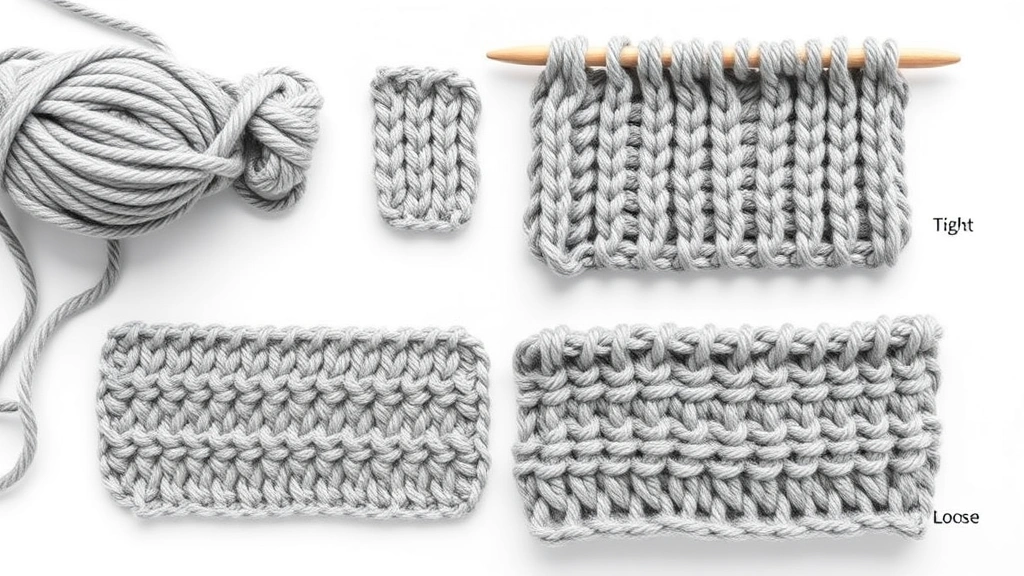
If your gauge is too tight (more stitches per inch than the pattern calls for), go up a hook size. Too loose? Size down. It’s that simple in theory, but sometimes you need to adjust by half sizes to get it just right.
For projects where fit matters – like sweaters or fitted hats – I’ll make multiple swatches with different hook sizes until I nail the gauge. It seems like extra work, but it saves you from frogging an entire sweater later.
How Hook Size Affects Fabric
The hook size you choose dramatically changes your finished fabric’s character, even with the same yarn. Understanding these effects helps you make intentional choices about your projects.
With a smaller hook relative to your yarn weight, you’ll create a denser, more structured fabric. This is perfect for bags, baskets, or structured items that need to hold their shape. The stitches sit close together, creating less drape but more stability.
I learned this lesson the hard way when making my first market bag. I used the yarn label’s recommended hook size, and the bag stretched so much when loaded with groceries that it became unusable. Now I always size down for bags and containers.
Larger hooks create airier, more flexible fabric with better drape. This is beautiful for shawls, scarves, and flowing garments. The trade-off is less structure and more yarn usage since your stitches are more spread out.
Stitch Definition
Hook size also affects how clearly you can see individual stitches. Smaller hooks tend to create tighter stitches where the yarn definition is very clear – perfect for intricate stitch patterns or when you want crisp stitch definition.
Larger hooks can make some stitch patterns look muddy because the yarn relaxes more between stitches. But they’re fantastic for textured patterns where you want the overall effect rather than individual stitch clarity.
When working with variegated or self-striping yarn, hook size affects how the colors pool and blend. Smaller hooks tend to create more distinct color changes, while larger hooks let colors blend more softly.
Choosing Hooks for Different Projects
Different project types have different hook size needs, and understanding these can save you from disappointing results.
Garments
For sweaters and fitted garments, gauge is absolutely critical. I always make my gauge swatch, wash and block it the same way I plan to care for the finished garment, then remeasure. Yarn behavior can change significantly after washing.
For loose, drapey cardigans, I might size up from the recommended hook to get more fluid fabric. For structured blazers or fitted tops, I’ll often size down slightly for more stability.
Blankets and Afghans
Blankets are more forgiving with gauge, but hook size still matters for comfort and appearance. Too small, and your blanket will be stiff and heavy. Too large, and it might be too open for warmth.
I love using medium-weight yarns with their recommended hook size for most blankets. The fabric drapes nicely but still has enough structure to lay flat.
Amigurumi and Toys
For stuffed toys, I almost always size down significantly from the yarn label recommendation. You want tight stitches so the stuffing doesn’t show through or poke out over time.
With worsted weight yarn, I’ll often use a 4.0mm or 4.5mm hook instead of the recommended 5.0-5.5mm. Yes, it’s more work to crochet, but the finished result is much more professional looking.
Accessories
Hats need to maintain their shape, so I tend to use the recommended hook size or go slightly smaller. Proper hat sizing depends on accurate gauge, especially for fitted styles.
For scarves and cowls, I might size up slightly for better drape, especially if I’m using a stitch pattern that tends to curl or pull in.
Troubleshooting Common Hook Problems
Let me share some problems I see constantly and how hook size adjustments can fix them.
Fabric Too Stiff
If your finished project feels like cardboard, your hook is probably too small for your yarn and tension combination. This is especially common with cotton yarns, which don’t have the natural give of wool or acrylic.
Try going up a full hook size and making another swatch. Cotton yarn in particular benefits from slightly larger hooks than the label suggests for most projects.
Stitches Too Loose
Loose, gappy stitches usually mean your hook is too large, but sometimes it’s a tension issue. If sizing down doesn’t help, focus on how you’re holding your yarn and maintaining consistent tension.
For beginners, I recommend starting with a hook that’s slightly smaller than recommended until you develop consistent tension, then adjusting as needed.
Hand Fatigue
If your hand is cramping or getting tired quickly, your hook might be too small for your natural tension. Fighting against tight stitches is exhausting and can lead to repetitive strain injuries.
Size up and see if the work flows more naturally. You might need to adjust your gauge with yarn choice instead of hook size.
Remember: There’s no shame in adjusting hook sizes for comfort. I’d rather see you enjoy crocheting with slightly different gauge than quit because it hurts.
Inconsistent Stitch Size
If some stitches look bigger than others, it might not be your tension – it could be your hook. Cheap hooks often have rough spots or inconsistent sizing that catches yarn differently.
Investing in quality hooks made a huge difference in my stitch consistency. The yarn glides smoothly, making it easier to maintain even tension.
Hook Materials and Comfort
While we’re talking about choosing the right hook, material matters almost as much as size. Different materials affect how the yarn moves and how comfortable the hook feels in your hand.
Aluminum hooks are the most common and work well for most projects. They’re smooth, durable, and relatively inexpensive. Lion Brand and other major manufacturers make reliable aluminum hooks.
Plastic hooks are lighter and warmer in your hand, which some people prefer for long crochet sessions. They’re also good if you have metal allergies. The downside is they can be less precise in sizing and may catch on some yarns.
Bamboo and wood hooks have a natural grip that some yarns love, especially slippery ones like silk or bamboo fiber. They’re beautiful and comfortable but can break more easily than metal.
Ergonomic handles make a real difference if you crochet for long periods. I resisted them for years thinking they were just marketing, but they genuinely reduce hand strain. The wider, cushioned grips distribute pressure better than thin metal hooks.
For those working with fine threads or delicate yarns, steel hooks are essential. They come in tiny sizes and maintain their shape better than other materials at those small diameters.
Common Questions
What happens if I use the wrong hook size?
Using the wrong hook size affects your project’s finished dimensions, fabric drape, and yarn usage. Too small creates stiff, tight fabric that uses more yarn. Too large creates loose, potentially gappy fabric that may not hold its shape. For fitted items like sweaters, wrong gauge can make the difference between a perfect fit and an unwearable garment.
Can I use a different hook size than the pattern recommends?
Absolutely! The pattern’s recommended hook size is just a starting point. Your personal tension, yarn choice, and desired fabric feel all influence the best hook size for you. Always make a gauge swatch first and adjust hook size until you match the pattern’s stitch and row gauge measurements.
How do I know if my hook size is right without making a gauge swatch?
While gauge swatches are ideal, you can get a sense by working a few rows and checking the fabric feel. It should be neither so tight that it’s hard to insert your hook, nor so loose that you can see large gaps between stitches. The fabric should have some give but still hold its shape when gently stretched.
Should I size up or down for different yarn fibers?
Cotton and plant fibers often benefit from hooks slightly larger than recommended because they lack natural elasticity. Wool can usually use the recommended size or slightly smaller since it has natural give. Acrylic works well with recommended sizes. Always test with your specific yarn since brands vary significantly.
Why do my stitches look different from the pattern photo?
Stitch appearance depends on hook size, yarn choice, and individual tension. Pattern photos often use specific lighting and blocking techniques that enhance stitch definition. Focus on matching the gauge measurements rather than trying to replicate the exact visual appearance of the pattern photo.
How many hook sizes should a beginner own?
Start with 4.0mm, 5.0mm, and 5.5mm hooks to cover most beginner-friendly yarn weights. Add a 3.5mm for finer work and 6.0mm for chunky projects as you expand your skills. This covers about 80% of patterns you’ll encounter as a new crocheter.
Can I substitute hook materials if I have the right size?
Yes, but different materials affect yarn flow and comfort. Aluminum hooks work for most projects. Switch to bamboo or wood if you find metal too slippery or cold. Use steel hooks only for thread work – they’re too sharp for regular yarn and can split fibers.
How do I measure hook size if the marking is worn off?
Use a hook gauge or ruler with holes to measure the diameter. Many craft stores sell inexpensive hook gauges, or you can use a ruler to measure across the widest part of the hook shaft. Metric measurements are most accurate since they’re actual diameter measurements.
Choosing the right crochet hook size really comes down to understanding what you want your finished fabric to look like and feel like, then working backward from there. The yarn label gives you a starting point, but your personal tension and project goals determine the final choice.
Remember that there’s no such thing as the “perfect” hook size that works for everyone. What matters is finding the size that gives you the gauge and fabric feel you’re after. Don’t be afraid to experiment – I keep a whole range of hook sizes specifically because different projects need different approaches.
The most important thing is to stay flexible and keep learning. Every yarn behaves differently, every project has different needs, and your own technique will evolve over time. What feels like the right hook size today might change as you become more experienced, and that’s completely normal.
Happy crocheting, and remember – when in doubt, make a swatch!