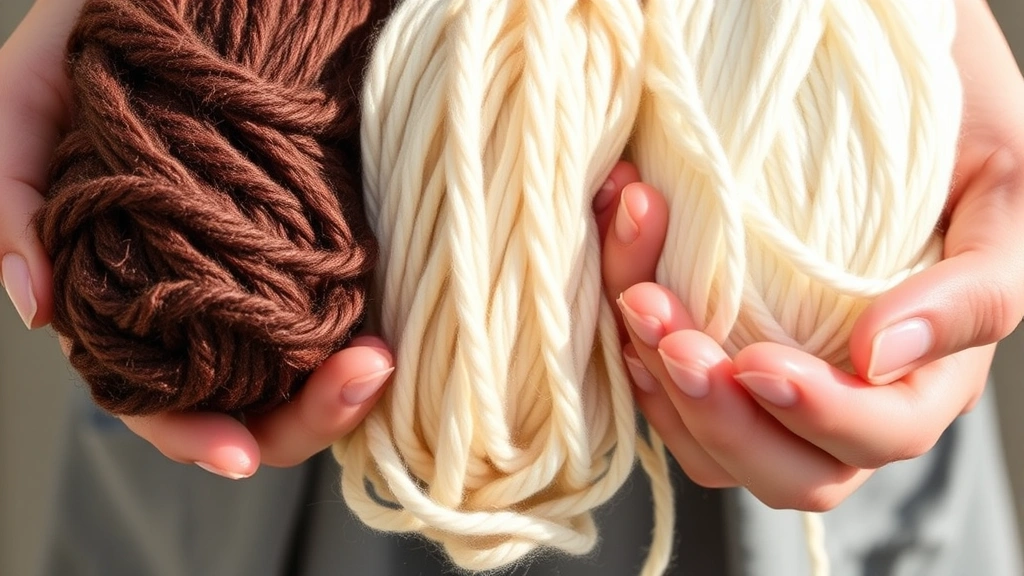
So you’ve got a pile of yarn sitting in your craft corner, and you’re wondering if you should actually use it or if it’s destined to become decoration. Maybe you picked up some skeins on sale, or a friend gave you a stash they weren’t using anymore. The thing is, not all yarn is created equal—and that’s not just marketing talk. The fiber content, weight, and quality genuinely change how your projects turn out, how long they last, and whether you’ll actually enjoy making them.
Here’s what I’ve learned after years of hooking: understanding your yarn isn’t just technical knowledge. It’s the difference between finishing a project you love wearing and abandoning something halfway through because it’s scratchy or falling apart. Let’s talk about how to actually evaluate what you’ve got, figure out what works for different projects, and make smart choices going forward. Because honestly, you deserve to crochet things that feel good and hold up.
Fiber Content Matters More Than You Think
When you flip over a yarn label, the fiber content is literally the foundation of everything. Are we talking acrylic, wool, cotton, silk, or some blend? Each one behaves differently—and I mean really differently. This isn’t just about feel (though that matters), it’s about how your finished piece will wear, wash, and age.
Acrylic yarns get a bad reputation, but they’re honestly workhorses. They’re affordable, come in every color imaginable, and they don’t require special care. If you’re making a blanket for your couch or a baby gift where washability is key, acrylic handles it beautifully. The downside? They can feel plasticky, they pill more easily than natural fibers, and they don’t breathe the way wool or cotton do. I use acrylic for afghans and toys, but I wouldn’t make a summer shirt from it.
Wool is the classic for a reason. It’s warm, it holds its shape, it’s forgiving when you need to frog back a few rows, and it has natural elasticity. The problem is that not all wool is created equal. Merino wool is soft and luxurious—totally different from coarse wool that’ll make your wrists itch. And then there’s the whole superwash vs. regular wool thing: superwash has been treated so it won’t felt in the washing machine, which is game-changing if you’re not hand-washing everything. When you’re looking at assessing yarn quality, wool is where you’ll notice the biggest difference between budget and premium options.
Cotton is my go-to for summer garments and dishcloths. It’s breathable, it gets softer with washing, and it doesn’t stretch out like wool can. The trade-off is that it’s heavier, it doesn’t have much give, and it can feel less forgiving when you’re working with it. Your hands might get tired faster because cotton doesn’t have the same elasticity as wool.
Blends are where things get interesting. A wool-acrylic blend gives you the warmth and resilience of wool with easier care and lower cost. A cotton-acrylic blend adds some stretch to cotton, making it more comfortable for wearables. The key is reading that label carefully because the percentages matter. If a blend is 80% acrylic and 20% wool, you’re basically getting acrylic with a tiny bit of wool’s benefits.
Here’s my real talk: start paying attention to how different fibers feel in your hands and on your skin. Crochet a small swatch with something you’re considering, wash it the way you’d actually care for the finished project, and see how it behaves. Your preferences might surprise you.
Understanding Yarn Weight and Thickness
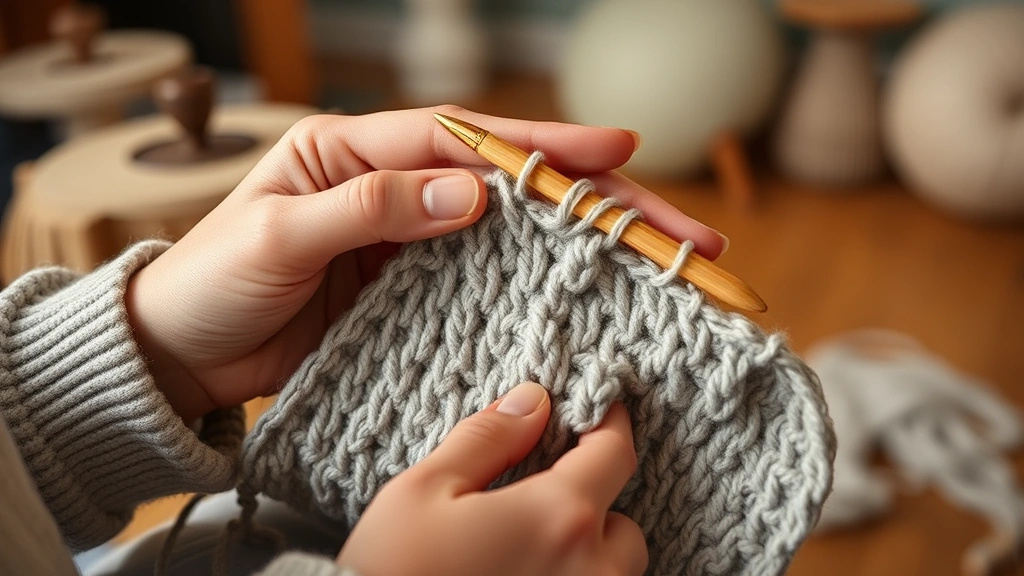
Yarn weight is standardized (thank goodness), and it’s one of the easiest things to check. Most yarn labels have a number: 0 for lace, 1 for fingering, 2 for sport, 3 for DK, 4 for worsted, 5 for bulky, 6 for super bulky, and 7 for jumbo. These aren’t arbitrary—they tell you the thickness and how many stitches per inch your pattern expects.
Here’s where people get confused: the label also shows a recommended hook size and gauge (stitches per inch). If a pattern calls for worsted weight yarn and you use fingering weight instead, your finished piece will be completely different. Too small, too tight, or too stiff. This is why checking yarn weight before starting a project isn’t optional—it’s essential.
Worsted weight (4) is the most common and versatile. It works up quickly, it’s forgiving, and patterns are everywhere. If you’re building a stash without overthinking it, worsted weight is your friend.
Bulky (5) and super bulky (6) work up super fast—like a blanket in a weekend fast. They’re satisfying because you see progress quickly. The downside is they can look chunky for fitted garments, and they use a lot of yardage for smaller projects than you’d expect.
Fingering (1) and sport (2) are delicate and detailed. They’re perfect for shawls, intricate stitch patterns, and fitted garments that need drape. They also take forever, which is either meditative or maddening depending on your mood.
My advice? Get comfortable with one or two weights first. Worsted is the sweet spot for most beginners because patterns are abundant, projects move along at a reasonable pace, and you can make almost anything—blankets, wearables, amigurumi, you name it.
How to Assess Yarn Quality
Not all yarn is equal, even within the same weight and fiber. Quality shows up in several ways, and learning to spot it saves you frustration and money.
Ply and twist: Yarn is made of strands twisted together. A 4-ply yarn has four strands; a 2-ply has two. More plies usually means more durability and a smoother finish, but it’s not a hard rule. The tightness of the twist matters too. Loosely twisted yarn creates a softer, airier fabric. Tightly twisted yarn is more durable but can feel stiffer.
Pilling: This is when little balls of fiber form on the surface of your finished project—totally normal with some yarns, especially acrylic and lower-quality wool. Higher-quality yarn pills less. To test this, rub a small piece of the yarn between your fingers. If fibers come loose easily, it’s going to pill.
Yardage per weight: Check the label. If two yarns are the same weight but one has significantly less yardage, it’s probably less densely spun. That’s not always bad (looser spin can mean softer yarn), but you need to know what you’re getting. A skein that’s 50 yards at 100 grams is very different from one that’s 220 yards at 100 grams.
Color consistency: Look at the yarn in natural light. Are the colors consistent throughout, or does it have noticeable variations? Variegated yarn is intentional and fun, but you want to know if you’re getting random color changes or an intentional pattern. Inconsistent dye lots (yarn from different production batches) can have color variations too, which matters for larger projects.
Price as a clue: I’m not saying expensive is always better, but extremely cheap yarn sometimes has reasons for the price tag. It might be older stock, lower quality fiber, or just a sale. Read reviews, feel it in person if you can, and trust your gut. Sometimes budget yarn is perfect for what you need. Sometimes it’s frustrating. You’ll figure out your sweet spot.
A great resource for checking what other crocheters think about specific yarns is Ravelry, where you can read detailed reviews and see how yarns perform in actual projects.
Matching Yarn to Your Projects
This is where everything comes together. You’ve got yarn, you’ve got a project idea, and now you need to know if they’re actually a good match.
For wearables: You want fiber that drapes well and feels good against skin. Wool, cotton, bamboo, or blends work beautifully. Weight matters too—fingering or sport weight for fitted garments, worsted for chunkier pieces. If you’re making something you’ll actually wear, test the fiber on your skin. That scratchy wool might be perfect for an oversized sweater you’ll wear over a shirt, but terrible for something touching your neck.
For blankets and afghans: This is where you can be more flexible. Worsted and bulky weights work fast and create satisfying drape. Acrylic is totally acceptable here—it’s washable, affordable, and durable. If you want something luxurious, wool or a wool blend creates beautiful warmth without being too heavy. Understanding yarn weight and thickness is crucial because blanket patterns are often sized for specific weights.
For amigurumi and toys: You need yarn that won’t unravel easily and can hold its shape. Worsted weight acrylic is actually ideal here because it’s sturdy and affordable (you’re making toys, not heirlooms). Stuff firmly as you go, and your creation will hold up through lots of love.
For shawls and wraps: Fingering or sport weight shows off stitch patterns beautifully. You want something with decent yardage—shawls need it. Wool or wool blends work wonderfully because they have the elasticity to block beautifully. Yarnspirations has great shawl patterns and fiber recommendations if you’re exploring this.
For lace and delicate work: Use yarn that won’t split easily and has a smooth finish. Fingering weight in wool or cotton shows lace stitches clearly. Avoid fuzzy or loosely spun yarn for lace—it’ll hide your beautiful work.
Smart Stash Management Strategies
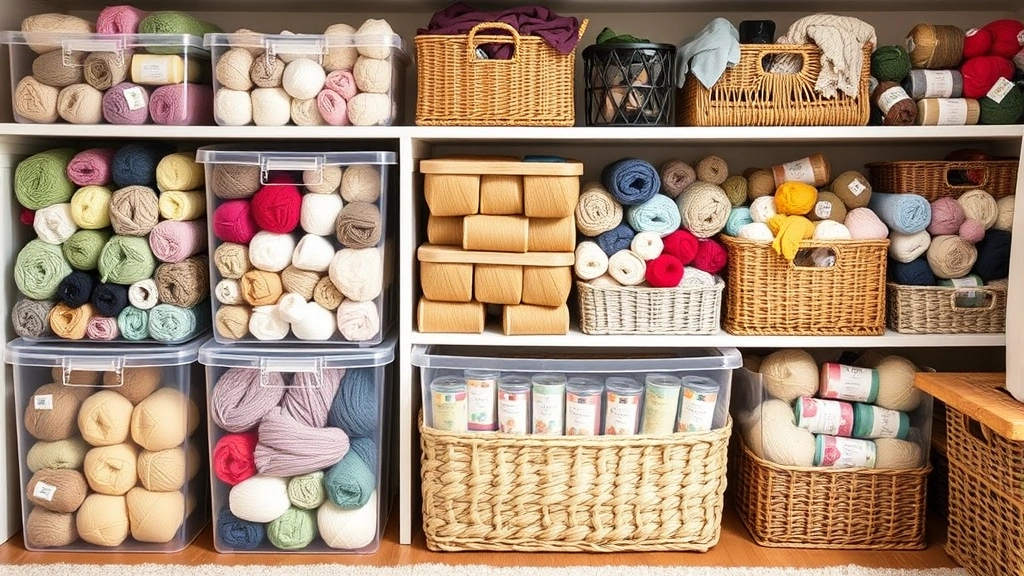
Okay, real talk: yarn stash management is about knowing what you actually have and being honest about what you’ll realistically use. I’ve met crocheters with 500+ skeins they’ll never touch. That’s not judgment—it’s just… a lot.
Inventory your stash: Seriously. Get a notebook or use a spreadsheet. Write down fiber content, weight, yardage, color, and quantity for each yarn. It takes an hour, and it’ll save you from buying duplicates and from starting projects with yarn you didn’t know you had. Some crocheters use Ravelry’s stash feature, which is excellent if you’re tech-savvy.
Store it properly: Keep yarn in a cool, dry place away from direct sunlight. If you have moths or other fiber-eating pests in your area, sealed containers are your friend. Wool benefits from cedar or lavender, but keep it away from heat sources.
Be strategic about new purchases: Before buying yarn, ask yourself: Do I have a specific project in mind? Does this fiber match that project? Do I already have something similar in my stash? This sounds rigid, but it actually makes yarn shopping more fun because you’re buying with intention instead of impulse.
Use what you have: Challenge yourself to use stash yarn before buying new stuff. You might discover yarns you’d forgotten about, and you’ll get creative with color combinations. Some crocheters do annual “stash busting” projects—a whole challenge built around using up older yarn.
Think of your stash like a pantry. You want ingredients you’ll actually use, stored so you can find them, and organized enough that you don’t accidentally buy milk when you’ve got three gallons already.
Sustainability and Ethical Yarn Choices
If you care about where your yarn comes from (and increasingly, a lot of us do), there are real choices to make. This isn’t about being perfect—it’s about making decisions that align with your values.
Natural fibers: Wool, cotton, linen, and bamboo are biodegradable. When you’re done with a project, it’ll eventually break down. Acrylic takes centuries to decompose. If sustainability matters to you, prioritizing natural fibers is a straightforward choice. The trade-off is usually higher cost.
Ethical sourcing: Some yarn companies are transparent about where fiber comes from, how workers are treated, and environmental impact. Brands like Cascade Yarns and others publish sustainability reports. It takes research, but it’s doable.
Yarn from indie dyers: Buying from small businesses and independent dyers often means better working conditions and smaller environmental footprints. Plus, you’re supporting artists. The cost is higher, but the quality and uniqueness often justify it.
Recycled and reclaimed yarn: Some companies take post-consumer or post-industrial fiber and re-spin it into yarn. It’s a beautiful circular economy solution. Quality varies, so read reviews carefully.
Organic fiber: Organic cotton and wool are grown without synthetic pesticides. They’re more expensive but better for the environment and often feel better against sensitive skin.
Here’s the thing: you don’t have to be perfect about this. Making some thoughtful choices is better than none. Maybe you buy sustainable yarn for projects you’ll keep forever, and budget yarn for gifts or practice projects. That’s totally valid.
FAQ
How do I know if yarn is good quality without feeling it in person?
Read reviews on Ravelry and check the label details: ply, yardage per weight, fiber content, and care instructions. Higher-quality yarn usually has consistent information across multiple sources. Watch YouTube unboxings of the yarn if you’re unsure—seeing it in action helps.
Can I substitute one yarn for another in a pattern?
Only if they’re the same weight and have similar fiber properties. Substituting worsted for worsted is fine; substituting bulky for worsted will change your project’s size and drape significantly. Always check gauge, and consider fiber content—switching from wool to acrylic changes how the finished piece behaves.
Why does my yarn keep splitting when I crochet?
Splitting usually means your hook is too small relative to the yarn, or the yarn is loosely spun. Try going up a hook size, or slow down and be more deliberate with your stitches. Some yarns are just prone to splitting—fuzzy yarns and loosely twisted ones—so you might need to adjust your tension or technique.
How much yarn do I actually need for a project?
Always check the pattern’s yardage requirement—never rely on skein count because different yarns have different yardages. If you’re making something without a pattern, estimate based on the finished size and fiber weight. A worsted-weight blanket typically needs 2,000–3,000 yards depending on size. When in doubt, buy extra. You can always use leftover yarn for something smaller.
Is expensive yarn always better?
Not always. You’re paying for quality, unique colors, and ethical sourcing—not necessarily better performance. A $4 ball of worsted acrylic works great for many projects. A $20 ball of hand-dyed merino is beautiful but not “better” unless the project specifically needs its properties. Know what you’re paying for.
How do I prevent pilling?
Choose higher-quality yarn with tightly twisted ply. Acrylic pills more than natural fibers. Once pilling starts, use a fabric shaver or lint roller—don’t pull at the pills, as that can damage the yarn. Some pilling is inevitable with certain yarns; it’s not a sign you did something wrong.
Can I mix different yarn weights in one project?
Technically yes, but it takes planning. If you’re doing color work or stripes, you need weights that’ll create the same gauge. Mixing weights for different sections (like a worsted-weight body with fingering-weight lace edging) works if the pattern is designed for it. Don’t wing it—follow a pattern that’s designed for multiple weights.
At the end of the day, fiber content matters, yarn weight is essential, and understanding how to assess quality makes you a better crocheter. But none of this has to feel overwhelming. Start with one or two projects, get to know how different yarns behave, and build from there. Your yarn stash isn’t a problem to solve—it’s potential waiting to become something beautiful.