You know that sinking feeling when you’re halfway through a beautiful blanket and realize the edges are wavy, the corners are puckering, or worse – the whole thing is shaped like a potato chip? I’ve been there more times than I care to admit. Tension issues in crochet can turn your dream project into a frustrating mess, but here’s the thing – it’s not about being “bad” at crochet. It’s about understanding how yarn, hooks, and your hands work together.
After fifteen years of crocheting (and making every tension mistake in the book), I’ve learned that consistent tension isn’t magic – it’s a skill you can absolutely develop. Whether you’re a death-grip crocheter who could use your fabric as body armor, or a loose-handed crocheter whose stitches could house small animals, there are practical ways to find your sweet spot.
The truth is, perfect tension isn’t about being tight or loose – it’s about being consistent. Your stitches should be even enough that your fabric lies flat, your gauge matches the pattern, and your hands don’t cramp up after twenty minutes. Sound impossible? It’s not. Let me share what I’ve learned about mastering tension control, including the techniques that actually work and the common advice you can ignore.
Quick Answer
Crochet tension control comes from consistent yarn positioning, proper hook grip, and regular practice with gauge swatches. Focus on keeping your yarn flow steady rather than gripping tightly, and adjust your hook size to match pattern gauge rather than forcing your natural tension to change dramatically.
Understanding What Tension Really Means
Let’s clear up some confusion right away. When crocheters talk about “tension,” we’re really talking about two different things: the physical tension in your hands and arms, and the tightness of your stitches. Ideally, you want relaxed hands creating consistent stitches.
Think of it like writing with a pen. If you grip too tightly, your hand cramps and your writing gets shaky. If you hold too loosely, you can’t control the pen properly. The same principle applies to crochet – you need just enough control to guide the yarn and hook without creating unnecessary strain.
Your stitch tension affects everything: how much yarn you use, whether your project matches the intended size, how the fabric drapes, and even how comfortable it is to wear. When I first started making crochet sweater patterns, I couldn’t figure out why my sleeves were always too tight – turns out my tension was inconsistent, making some sections smaller than others.
Pro Tip: Your tension will naturally vary throughout a long project as you get tired, excited, or distracted. Build in regular gauge checks, especially for fitted items like sweaters or hats.
The Physics Behind Tension
Here’s what’s actually happening when you crochet: you’re creating loops of specific sizes by controlling how much yarn flows through your fingers. The hook size determines the minimum loop size, but your tension determines whether those loops end up larger or smaller than intended.
When working on complex projects like crochet blanket patterns, consistent tension becomes even more critical because you’re creating a large fabric that needs to lie flat and maintain its shape over time.
How to Hold Your Hook and Yarn
There’s no single “right” way to hold your hook and yarn, but there are definitely more and less effective approaches. I’m going to share the two most common methods, plus some modifications that can help with tension control.
Hook Grip Options
Most crocheters use either a “pencil grip” (holding the hook like you’d hold a pencil) or a “knife grip” (holding it like you’d hold a dinner knife). I personally use a modified pencil grip for most projects, but switch to a knife grip when working with chunky yarn crochet patterns because it gives me more leverage.
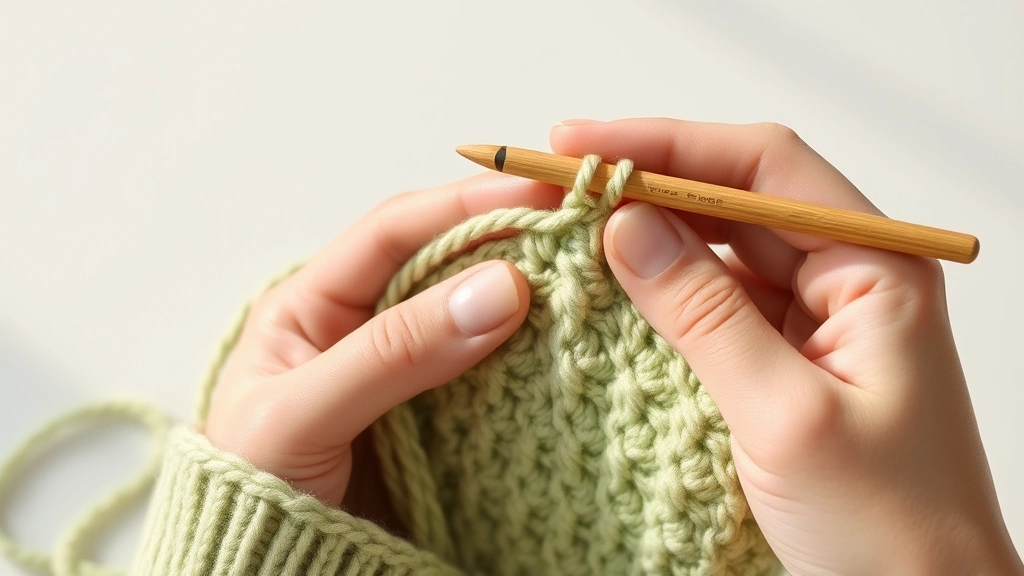
The key is keeping your grip firm enough for control but relaxed enough that your hand doesn’t cramp. If you’re getting hand fatigue within 15-20 minutes, your grip is probably too tight.
Yarn Control Techniques
This is where tension control really happens. The most common method is to wrap the yarn around your pinky finger, then thread it over your ring finger, under your middle finger, and over your index finger. This creates multiple contact points that help regulate yarn flow.
Some crocheters prefer wrapping the yarn around their index finger instead, or using their middle finger as the primary guide. Experiment to find what feels natural, but remember – consistency matters more than the specific method you choose.
“I spent years fighting my natural yarn hold because I thought there was only one ‘right’ way. Once I stopped trying to copy exactly what I saw in tutorials and found my own comfortable grip, my tension improved dramatically.” – My experience after about three years of crocheting
Common Tension Problems and Quick Fixes
Let me walk you through the most common tension issues I see, along with solutions that actually work. These problems show up regardless of whether you’re working on simple easy crochet patterns or more complex projects.
Too-Tight Stitches
If your hook fights you on every stitch and your fabric could stop a bullet, you’re probably gripping the yarn too tightly or not allowing enough yarn to flow through your fingers. This is super common with beginners who are nervous about dropping stitches.
Quick fixes:
- Consciously relax your yarn hand between stitches
- Try a larger hook size (more on this later)
- Practice the motion without yarn first to build muscle memory
- Take breaks every 15-20 minutes to shake out your hands
Too-Loose Stitches
On the flip side, if your stitches are so loose you could drive a truck through them, you need more yarn control. This often happens when crocheters overcorrect from being too tight, or when working with slippery yarns.
Solutions that work:
- Add an extra wrap around your pinky or index finger
- Use a smaller hook size
- Choose a yarn with more grip (cotton or wool vs. acrylic)
- Practice maintaining slight tension in your yarn hand
Inconsistent Tension
This is the trickiest one because your stitches vary throughout the project. Maybe you start tight and gradually loosen up, or your tension changes when you’re tired or distracted. This shows up most obviously in projects like crochet hat patterns where circumference matters.
Reality Check: Some tension variation is normal and won’t ruin your project. Don’t stress about minor differences – focus on major inconsistencies that affect the overall shape or size.
Making Gauge Swatches That Actually Help
I know, I know – gauge swatches feel like homework when you just want to start your project. But hear me out: a good gauge swatch can save you hours of frustration and potentially a completely unusable finished item.
How to Make a Proper Gauge Swatch
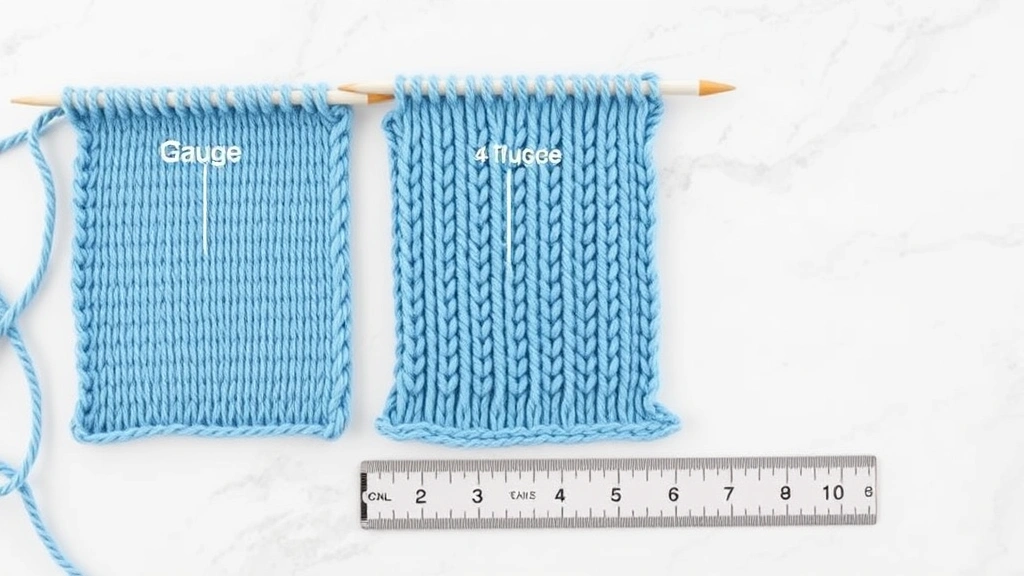
Make your swatch at least 6 inches square using the same yarn, hook, and stitch pattern as your project. Work in your natural rhythm – don’t try to force perfect stitches. This swatch should represent how you’ll actually crochet the project.
After completing the swatch, let it rest for at least an hour (overnight is better) before measuring. Yarn has memory and will relax into its natural state, which might be different from how it looks fresh off your hook.
| Yarn Weight | Typical Hook Size | Gauge Range (SC) |
|---|---|---|
| DK (3) | 4.5-5.5mm (G-I) | 16-18 stitches per 4″ |
| Worsted (4) | 5.5-6.5mm (I-K) | 14-16 stitches per 4″ |
| Chunky (5) | 8-10mm (L-N) | 11-13 stitches per 4″ |
What to Do When Your Gauge Is Off
If your gauge doesn’t match the pattern, resist the urge to dramatically change your tension. Instead, adjust your hook size. Going up one hook size will loosen your stitches; going down will tighten them. This is much more reliable than trying to force your hands to work differently.
For beginner crochet projects, being within half a stitch per inch is usually fine. For fitted garments, you want to be much more precise – even a quarter-stitch difference can mean the difference between a perfect fit and something unwearable.
The Hook Size Solution
Here’s something that took me way too long to learn: your hook size is your best friend for tension control. Instead of fighting your natural tension, work with it by choosing the right hook size for your hands and the specific project.
The Hook Size-Tension Relationship
A larger hook creates bigger loops, which means looser fabric even if your yarn control stays the same. A smaller hook forces smaller loops, creating tighter fabric. This is why the same crocheter can use a 5mm hook for a tight, structured bag and a 7mm hook for a drapey shawl with the same yarn.
When working on crochet scarf patterns, I often go up a hook size from what the pattern suggests because I prefer how the fabric drapes with slightly larger stitches. The key is making a gauge swatch first to ensure the final size will work.
Building Your Hook Collection Strategically
You don’t need every hook size ever made, but having a range gives you flexibility. I recommend having hooks in 0.5mm increments around the sizes you use most often. For worsted weight yarn, that might mean having 5mm, 5.5mm, 6mm, and 6.5mm hooks available.
Budget-Friendly Tip: Start with a basic set of aluminum hooks, then upgrade to ergonomic handles for the sizes you use most often. Your hands will thank you during long crochet sessions.
Exercises to Develop Consistent Tension
Like any skill, consistent tension improves with focused practice. Here are exercises that actually help, not just busy work that wastes yarn.
The Chain Practice
Make a foundation chain of 50 stitches, focusing on keeping each chain the same size as the previous one. Don’t worry about speed – focus on consistency. If you notice the chains getting tighter or looser, stop and reset your grip.
This exercise helps because chains show tension inconsistencies more obviously than other stitches. Once you can make consistently sized chains, other stitches become much easier to control.
Single Crochet Squares
Work 4-inch squares in single crochet, counting your stitches per inch as you go. Make several squares over different days and compare them. This helps you understand how factors like fatigue, mood, and environment affect your tension.
Save these squares – they make great coasters and give you a record of your tension development over time. Plus, you can use them to test new yarns or practice crochet stitch tutorials without committing to a full project.
The Rhythm Exercise
Put on music with a steady beat and try to crochet in rhythm. This isn’t about speed – it’s about developing consistent timing in your movements. Consistent timing often leads to consistent tension because you’re not rushing some stitches and taking your time on others.
Troubleshooting Specific Issues
Let’s tackle some specific scenarios that trip up even experienced crocheters. These issues often show up in intermediate crochet patterns where tension consistency becomes more critical.
Tension Changes Between Stitch Types
Many crocheters find their tension shifts when switching from single crochet to double crochet, or when working in the round versus in rows. This happens because different stitches require different hand positions and yarn movements.
The solution isn’t to avoid stitch changes – it’s to practice transitions. When learning a new stitch combination, make extra swatches focusing specifically on how the stitches connect to each other.
Environmental Factors
Your tension can change based on temperature (cold hands tend to grip tighter), humidity (affects how yarn behaves), and even your seating position. I’ve noticed my tension is consistently tighter when I crochet in bed versus at my craft table.
Pay attention to these patterns in your own work. If you know you tend to crochet tighter in the evening, you might choose a slightly larger hook for evening projects.
Yarn-Specific Challenges
Different yarn fibers behave differently in your hands. Cotton tends to have less stretch and can feel stiffer, while wool has natural elasticity that can mask minor tension inconsistencies. Synthetic yarns can be slippery and harder to control.
When switching yarn types, always make a new gauge swatch even if you’re using the same hook size. The yarn behavior might require minor adjustments to your technique.
Don’t fight your natural tension – work with it. I spent years trying to loosen up my naturally tight stitches instead of just using a larger hook. Once I embraced my tension style and adjusted my tools accordingly, crocheting became much more enjoyable.
Common Questions
How long does it take to develop consistent tension?
Most crocheters see significant improvement within 2-3 months of regular practice, but it varies widely. If you’re crocheting 30 minutes daily, you’ll develop muscle memory faster than someone who crafts once a week. The key is consistent practice, not total hours. I tell beginners to expect noticeable improvement after completing 3-4 small projects like dishcloths or simple scarves.
Should I rip out work if my tension is inconsistent?
It depends on the project and how noticeable the inconsistency is. For items like blankets or scarves where slight variations won’t affect function, I usually leave minor inconsistencies alone. For fitted items like sweaters or hats, significant tension changes can affect the final size and should be corrected. When in doubt, step back and look at your work from a few feet away – if you can’t see the problem from that distance, most people won’t notice it.
Why does my tension get tighter as I crochet longer?
This usually happens because your hands and arms gradually tense up as you focus or get tired. Your grip naturally tightens when you’re concentrating hard or when your muscles start to fatigue. Take regular breaks every 20-30 minutes to stretch your hands and reset your grip. Some crocheters also find their tension tightens when they’re stressed or anxious – paying attention to your mental state can help you catch this early.
Can I fix tension problems by changing how I hold my yarn?
Absolutely, but make changes gradually. If you’ve been crocheting with one yarn hold for months or years, switching completely can feel awkward and might temporarily make your tension worse. Instead, try small modifications like adding or removing one finger wrap, or adjusting where the yarn sits on your fingers. Give any change at least a few practice sessions before deciding if it helps.
What’s the best yarn for practicing tension control?
Medium-weight cotton yarn (like Lion Brand 24/7 Cotton) is excellent for tension practice because it has good stitch definition, doesn’t stretch much, and shows inconsistencies clearly. Avoid very dark colors when practicing because it’s harder to see your stitches clearly. Light gray, cream, or medium blue work well. Acrylic yarns can be slippery for beginners, while wool’s natural stretch can hide tension issues you need to learn to recognize.
How do I know if my hook size is right for my tension?
The right hook size produces fabric that matches your pattern’s intended drape and gauge. Your stitches should slide easily on the hook without being so loose they fall off or so tight you have to fight to insert the hook. If you’re getting hand cramps or the hook feels stuck in your stitches, try going up a size. If your stitches are sliding around too much or your fabric is too floppy, try going down a size.
Does yarn weight affect how I should control tension?
Yes, heavier yarns require less grip pressure because they have more natural weight to help control the flow. When working with fingering weight yarn, you need more active tension control because the yarn is lighter and can slip around more easily. Chunky yarns often work better with a looser grip and larger movements. The Craft Yarn Council’s weight standards can help you understand how different yarn weights typically behave.
Should I worry about tension when following free patterns online?
Free patterns vary widely in their gauge specifications and sizing accuracy. Always make a gauge swatch, especially for fitted items, regardless of whether the pattern is free or paid. Some designers are very precise about gauge; others are more casual. If a free pattern doesn’t include gauge information, you can often find similar patterns that do and use those as a reference point. When in doubt, Ravelry project pages often include notes from other makers about hook sizes and gauge adjustments they made.
Remember, developing good tension control is a journey, not a destination. Even experienced crocheters have off days or need to adjust their approach for different projects. The goal isn’t perfection – it’s consistency and creating fabric that behaves the way you want it to. Keep practicing, be patient with yourself, and don’t be afraid to experiment with different techniques until you find what works for your hands and your projects.
Your crochet journey is unique, and your tension style will be too. Embrace what feels natural, make adjustments where needed, and most importantly, enjoy the process. Every stitch is practice, and every project teaches you something new about how your hands, your tools, and your materials work together. Happy crocheting!