Crochet Yarn Weight Guide: Choose the Right Yarn for Every Project
Let’s be real—walking into a yarn shop or scrolling through online listings can feel totally overwhelming. There are so many yarn weights, fiber types, and color options that it’s easy to second-guess yourself before you even pick up a hook. I’ve been there, staring at walls of yarn thinking, “But which one is actually right for my project?” The truth is, once you understand yarn weights, everything clicks into place. You’ll start picking projects that genuinely excite you instead of ones that feel like they’re fighting against your materials.
Yarn weight is basically the thickness of the yarn strand, and it’s the foundation of every crochet project. Getting it right means your finished piece will have the drape, warmth, and structure the designer intended. Get it wrong, and you might end up with a sweater that looks more like a tent or a blanket that feels like cardboard. But here’s the good news: once you learn how yarn weights work, you’ll never feel lost in the yarn aisle again.
Understanding Yarn Weight Numbers
The Craft Yarn Council standardized yarn weights into seven categories, numbered 0 through 6, plus a super bulky category. Think of these numbers as a universal language that helps you and pattern designers understand each other. When you see a pattern that calls for “worsted weight” or “DK weight,” those terms are describing where the yarn falls on this scale.
Weight 0 (Lace): This is the delicate stuff—thread-thin and often used for intricate lace patterns, doilies, and heirloom pieces. It requires patience and usually tiny hooks (size 000 to 1), but the results are absolutely stunning.
Weight 1 (Super Fine): Think fingering-weight yarn. It’s thin enough for detailed work but sturdy enough for everyday wear items like socks and shawlettes. You’ll typically use hooks in the size 1–3 range.
Weight 2 (Fine): This includes sport weight and sock yarn. It’s versatile for lightweight garments, amigurumi, and anything you want to drape beautifully. Hook sizes usually fall between 1 and 5.
Weight 3 (Light Worsted): DK weight and light worsted live here. This is my sweet spot for a lot of projects because it works up reasonably fast but still lets you create definition in your stitches. You’re looking at hooks in the 5–7 range.
Weight 4 (Worsted/Aran): The classic worsted weight is probably what you picture when you think of traditional yarn. It’s thick enough to work up quickly but not so heavy that it feels stiff. Hooks typically range from 7–9, and this weight is perfect for blankets and cozy sweaters.
Weight 5 (Bulky): Now we’re getting into the “I want to finish this weekend” territory. Bulky yarn moves fast and creates beautiful texture. Hooks usually sit in the 9–11 range. Great for chunky scarves and quick throws.
Weight 6 (Super Bulky): This is the speediest option. Projects finish quickly, but you’ve got to be thoughtful about stitch definition since the yarn is so thick. Hooks are typically 11 and up.
Here’s something that trips people up: the weight number doesn’t always match the hook size number. A weight 4 yarn doesn’t necessarily use a size 4 hook—it’s more like a general guideline. That’s why checking your yarn label is absolutely crucial.
How to Match Yarn Weight to Patterns
This is where a lot of people make their first mistake. They fall in love with a pattern, then grab whatever yarn they have lying around and hope it works out. Spoiler alert: it usually doesn’t work out the way they imagined.
Every pattern is designed with a specific yarn weight in mind. The designer chose that weight because it creates the right drape, structure, and overall look for that particular design. When you use a different weight, you’re essentially changing the recipe. You might end up with something that works, but it won’t be quite what the designer intended.
The best approach? Always check the pattern’s yarn weight requirement first. It’ll usually say something like “Worsted weight” or “DK weight” or give you a weight number. Once you know what you’re looking for, head to your stash or your favorite yarn shop and match it up. Most yarn labels include the weight category right on them, so you’re just connecting the dots.
Now, here’s where it gets interesting. If you absolutely love a pattern but the recommended yarn weight isn’t available or doesn’t fit your budget, you can sometimes substitute. But this requires understanding how yarn weight and hook size work together. It’s doable, but you’ll need to be prepared to adjust your hook size and potentially recalculate yardage.
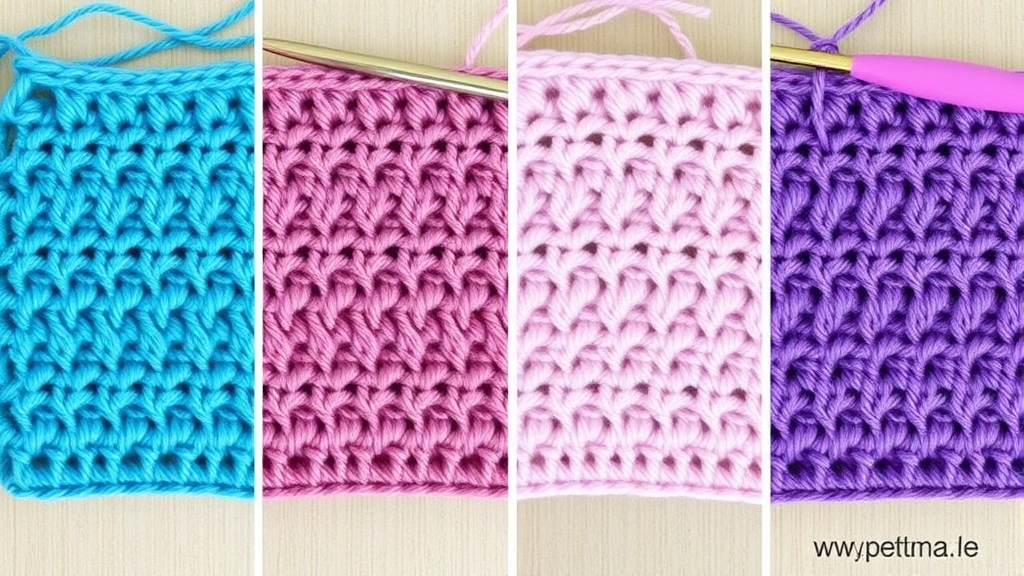
Pro tip: Before committing to a yarn substitution, make a swatch using both the original recommended yarn and your substitute. Work up about 4 inches in your stitch pattern with the recommended hook size for each, then compare them side by side. You’ll immediately see if the drape and texture feel right.
Yarn Weight and Hook Size Relationships
This is the technical stuff, but I promise it’s not complicated. Yarn weight and hook size are basically dance partners—they work together to create the fabric’s density and appearance.
Generally speaking, thicker yarn needs bigger hooks, and thinner yarn needs smaller hooks. This makes sense when you think about it: you can’t push a thick yarn through a tiny hook, and using a giant hook with thin yarn creates holes you probably didn’t intend.
But here’s where it gets nuanced: the exact hook size recommended for a yarn weight isn’t set in stone. It depends on what fabric you’re trying to create. If you want a dense, firm fabric, you’d use a smaller hook than the label suggests. If you want something lacey and open, you’d go bigger.
Let’s say you’re working with a worsted weight yarn that recommends a size 8 hook. If you use a size 6 hook instead, your stitches will be tighter, your fabric will be denser, and your project will take longer to finish. If you go up to a size 10 hook, everything loosens up, the fabric becomes drapier, and you’ll finish faster. Neither is “wrong”—it just depends on what you’re making.
This is why reading yarn labels carefully matters so much. The label gives you a starting hook size recommendation based on creating a standard density fabric. From there, you can adjust based on your project needs.
The relationship also affects yardage. If you substitute a different weight yarn, you might need more or less yardage because the thicker yarn covers more area per yard. This is why substitutions can get tricky—it’s not just about grabbing a similar-looking yarn.
Best Yarn Weights for Different Projects
Certain projects just work better with specific yarn weights. Understanding these pairings will help you choose projects that’ll genuinely make you happy.
Lace and Delicate Items: Lace weight (0) or super fine weight (1) are your friends here. These create the intricate, open-work patterns that make lace so beautiful. Expect these projects to take time, but the results are absolutely worth it.
Socks and Amigurumi: Fine weight (2) or light worsted (3) are ideal. They’re sturdy enough to withstand wear and washing, and they let you create nice stitch definition for details like eyes and features on stuffed animals.
Lightweight Garments and Shawlettes: Light worsted (3) or worsted (4) work wonderfully here. These weights give you enough structure to hold a shape while still being comfortable to wear in warmer months or as layering pieces.
Sweaters, Scarves, and Everyday Wear: Worsted (4) or bulky (5) are your go-to options. Worsted is versatile and works up at a reasonable pace, while bulky finishes faster and creates really beautiful texture. This is where understanding yarn weight numbers really pays off because you can match the weight to your timeline.
Blankets and Throws: Worsted (4) or bulky (5) create lovely results. Bulky yarn means you’ll finish faster, but worsted gives you more control over the final look and often feels more refined. Many designers prefer worsted for blankets because it drapes beautifully and isn’t as heavy.
Quick Projects and Gifts: Bulky (5) or super bulky (6) are your speedsters. These finish in days or even hours, making them perfect when you need a gift quickly or you want that instant gratification of completing something.
The key is matching your project timeline and desired outcome with an appropriate yarn weight. Don’t try to make a delicate lace shawl with super bulky yarn—it’ll look chunky and lose all the intricate beauty. Similarly, don’t make a cozy blanket with fingering weight unless you’ve got serious time to invest.
Reading Yarn Labels Like a Pro
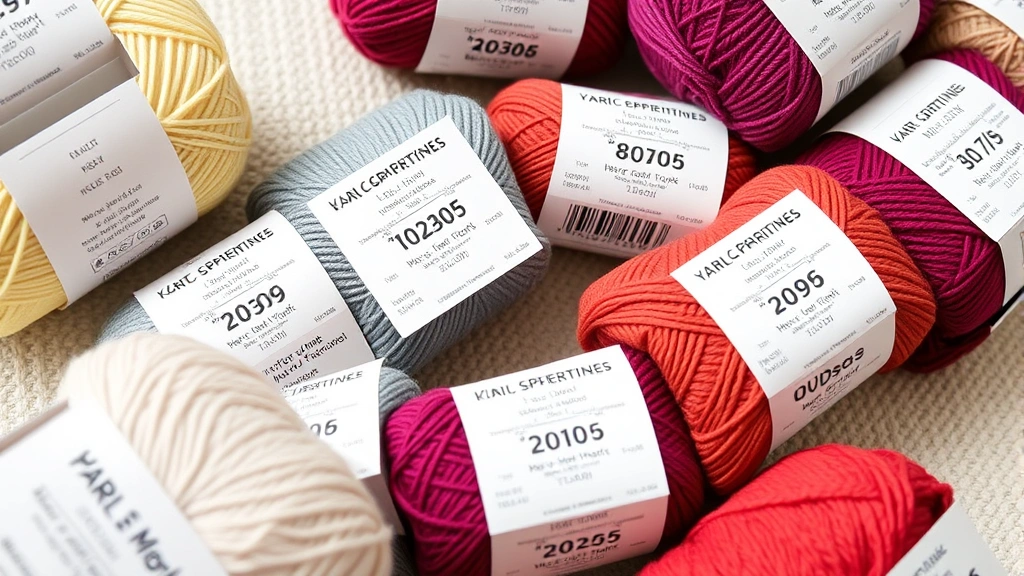
Yarn labels are packed with information, and knowing what to look for will save you so much frustration. Let me break down what each element means.
Weight Category: This’ll be listed as a number (0–6) or a name like “worsted” or “DK.” This is your primary reference point for matching to patterns.
Recommended Hook Size: This tells you the starting point for creating standard-density fabric. It might say “Size 8 hook” or show a hook icon with a number.
Yardage: This tells you how much yarn you’re getting. Always check this when substituting yarn weights because different weights cover different amounts of distance.
Fiber Content: This describes what the yarn is made from—wool, acrylic, cotton, blends, etc. This affects how the yarn feels, behaves, and wears. A resource like Yarnspirations can help you understand different fiber properties.
Care Instructions: This is crucial. Some yarns are machine washable, others require hand washing, and some need dry cleaning. Make sure the care requirements match your lifestyle.
Dye Lot: This number indicates when the yarn was dyed. Buying yarn from the same dye lot ensures color consistency across your project. If you can’t find the same dye lot, buy enough from one dye lot to complete your project rather than mixing.
Pro tip: Take a photo of the label before you start crocheting. You’ll have all this information handy if you need to buy more yarn or troubleshoot issues later.
Common Mistakes and How to Avoid Them
After years of crocheting, I’ve seen (and made) plenty of mistakes. Here are the most common ones and how to sidestep them.
Mistake 1: Assuming Similar-Looking Yarn is the Same Weight. Two yarns can look nearly identical but have different weights. Always check the label. A yarn that looks like worsted might actually be bulky or light worsted. Don’t rely on appearance—go by the official weight category.
Mistake 2: Ignoring Yardage When Substituting. You can’t just swap one yarn for another and assume you have enough. A bulky yarn covers more area per yard than worsted, so you might need less. Calculate based on yardage, not just the number of balls.
Mistake 3: Using the Wrong Hook Size Without Testing. I know it’s tempting to just dive in, but please make a gauge swatch first. Using the wrong hook size dramatically changes your project’s finished size and appearance. A small swatch takes 10 minutes and saves you from potential disaster.
Mistake 4: Not Considering Project Purpose When Choosing Weight. Picking yarn weight without thinking about what you’re making leads to disappointment. A super bulky yarn might seem appealing for speed, but it’ll create a heavy, stiff blanket. Think about the end result first, then choose your weight accordingly.
Mistake 5: Mixing Weights Without Intention. Sometimes designers intentionally mix weights for effect, and that’s beautiful. But mixing them accidentally usually looks odd. If you’re combining weights, make sure it’s a deliberate design choice.
The beautiful thing about these mistakes? They’re all totally preventable with a little planning. Take five minutes to check your yarn label, make a swatch, and think through your project. That tiny bit of prep work makes everything else smooth and enjoyable.
FAQ
Can I use a different yarn weight than what the pattern calls for?
Technically yes, but it requires adjustments. You’ll need to change your hook size and potentially recalculate yardage. Your finished project might look different than intended, so make a swatch first to see if you like the result. It’s easier to substitute within one weight category (light worsted instead of worsted) than to jump several categories.
What’s the difference between DK and worsted weight?
DK (double knit) is weight 3, while worsted is weight 4. DK is noticeably thinner and creates a lighter fabric. Worsted is thicker and works up faster. They’re close cousins but not interchangeable without adjustments. Check your pattern to see which is specified.
How do I know what yardage I need for a project?
The pattern will tell you. It’ll specify something like “1,200 yards of worsted weight yarn.” Always follow the pattern’s yardage recommendation rather than guessing based on ball count, since different yarn weights have different yardage per ball.
Is acrylic yarn a specific weight?
No, acrylic comes in all yarn weights from lace to super bulky. The fiber type (acrylic, wool, cotton, etc.) is separate from the weight category. You’ll see acrylic in worsted, bulky, and many other weights. Always check the label for both fiber content and weight.
What happens if I use a hook that’s too small for my yarn weight?
Your stitches become tight and dense, your project takes longer to complete, and the fabric might feel stiff. Your hook might also feel awkward to hold because the yarn isn’t flowing smoothly through it. It’s not wrong per se, but it’s usually not what you want.
Can I mix different yarn weights in one project?
Absolutely, if it’s intentional. Many designers create beautiful projects by combining weights strategically. Just make sure you’re doing it on purpose and that your pattern specifies where each weight goes. Accidentally mixing weights usually creates an unbalanced look.
Where can I find reliable yarn weight information online?
The Ravelry database has detailed information on thousands of yarns including their weight category. The Craft Yarn Council website provides official weight standards. Your local yarn shop staff are also fantastic resources and usually love talking yarn with you.
Should I buy extra yarn to account for mistakes?
Yes, especially if you’re new to crochet or trying a new stitch pattern. Having 10–15% extra gives you a safety net for frogging (ripping back) and fixing mistakes without stress. It’s better to have leftover yarn than to run short when you’re almost done.