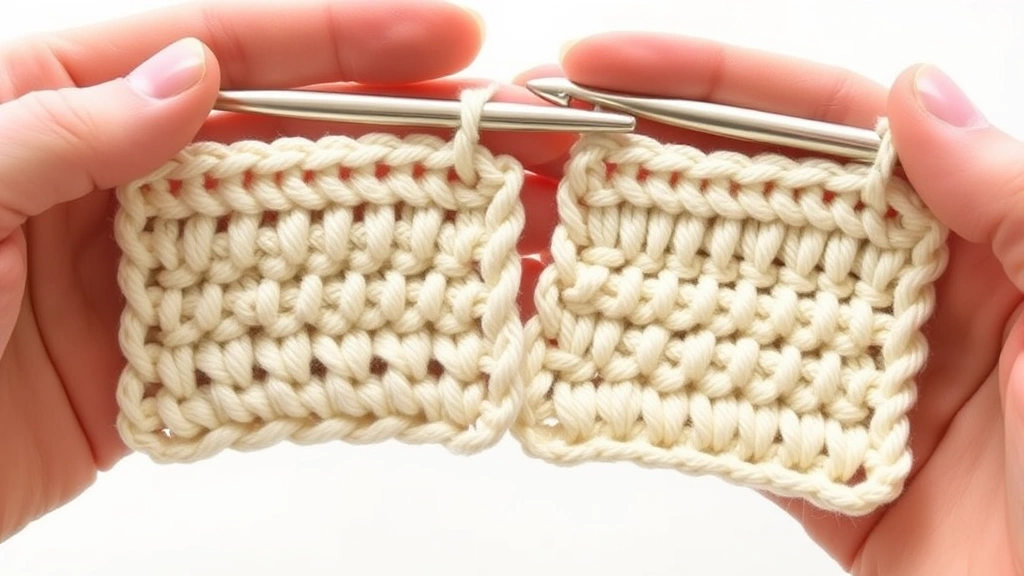
Last month, I was teaching my neighbor how to crochet when she asked me something that stopped me in my tracks: “What’s the difference between all these stitches? They all look the same to me!” I realized I’d been crocheting for so long that I’d forgotten how overwhelming it can feel when you’re starting out. The truth is, understanding the fundamental difference between single crochet and double crochet isn’t just about technique—it’s about knowing which tool to reach for when you want to create something specific.
Here’s what I wish someone had told me when I started: these two stitches are like having a screwdriver and a hammer in your toolkit. Both are essential, but they do completely different jobs. Single crochet creates tight, sturdy fabric that’s perfect for structure and detail work. Double crochet builds height quickly and creates a more open, flowing texture that’s ideal for blankets and scarves.
The confusion usually comes from trying to learn both at once, or worse, thinking one is “better” than the other. I’ve seen beginners get frustrated because they’re trying to make a baby blanket with single crochet (hello, carpal tunnel!) or attempting detailed amigurumi with double crochet (good luck with those gaps). Once you understand what each stitch actually does and when to use it, everything clicks into place.
Quick Answer
Single crochet creates short, tight stitches perfect for structured projects like amigurumi and dishcloths. Double crochet is taller and faster, ideal for blankets, scarves, and projects where you want drape and flow.
Height and Structure Differences
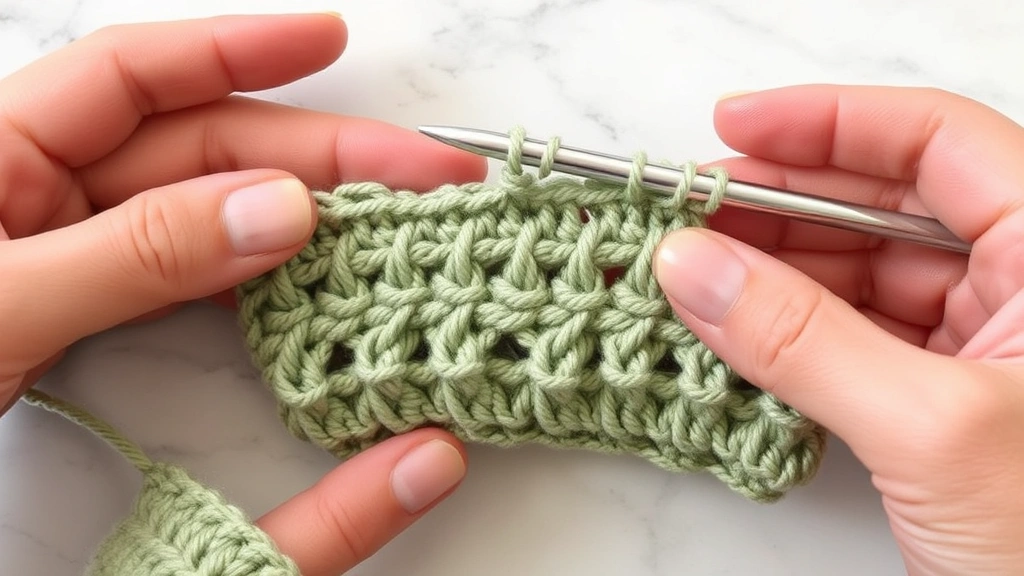
The most obvious difference between single crochet and double crochet is height, but that’s just the beginning. Single crochet stitches are about as tall as they are wide, creating almost square-shaped stitches that lock together tightly. When I’m working single crochet, each row adds roughly 1/4 inch to my project height, depending on my yarn weight and tension.
Double crochet stitches, on the other hand, are roughly twice as tall as they are wide. Each row adds about 1/2 inch of height with worsted weight yarn. This means you’ll reach your desired project length in half the number of rows compared to single crochet. But here’s what most tutorials don’t tell you: that extra height comes with trade-offs.
The structure differences are huge. Single crochet creates what I call “brick wall” fabric—dense, stable, and virtually no gaps between stitches. This makes it perfect for amigurumi projects where you don’t want stuffing peeking through, or dishcloths that need to hold their shape when wet.
Pro Tip: Hold your single crochet and double crochet swatches up to the light. You’ll immediately see how much more light passes through the double crochet fabric—this affects everything from warmth to durability.
Double crochet creates a more open, flexible fabric with natural drape. The spaces between stitches aren’t flaws—they’re features that make the fabric flow beautifully. This is why blanket patterns often use double crochet as the foundation stitch. The fabric moves with you instead of fighting against you.
| Aspect | Single Crochet | Double Crochet |
|---|---|---|
| Stitch Height | Short (~1/4 inch) | Tall (~1/2 inch) |
| Fabric Density | Very dense | Open and airy |
| Drape | Structured, holds shape | Flows and moves |
| Gap Size | Minimal to none | Visible spaces |
Step-by-Step Technique Comparison
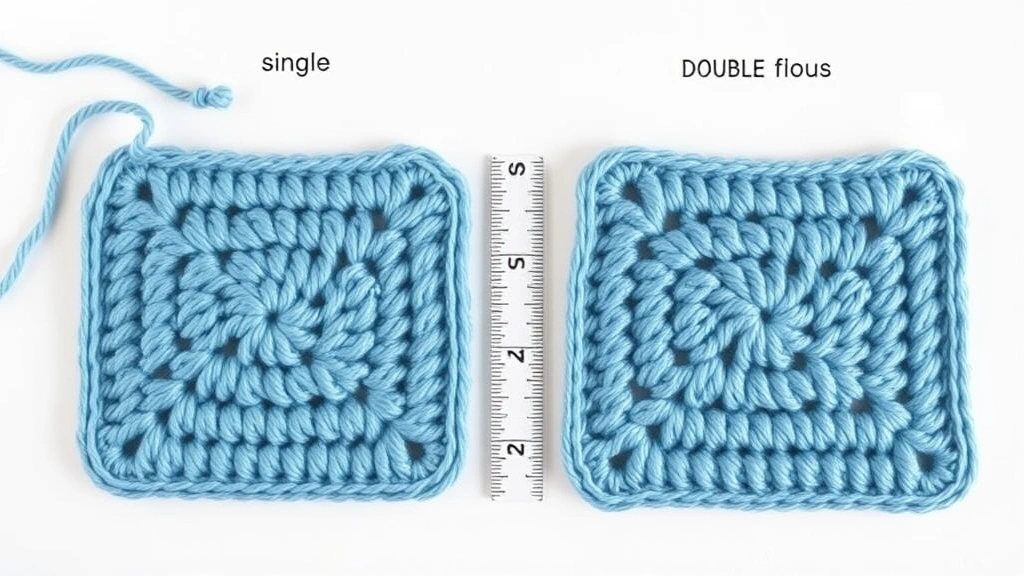
Let me walk you through both techniques side by side, because seeing the differences in action makes everything clearer. I always tell my students to practice both with the same yarn and hook so they can feel the difference in their hands.
Single Crochet Technique
- Insert and Grab
Insert your hook into the designated stitch, yarn over, and pull through. You now have two loops on your hook. This is where many beginners rush, but take your time here—proper insertion prevents wonky stitches later.
- Complete the Stitch
Yarn over again and pull through both loops on your hook in one motion. That’s it—one single crochet complete. The key is maintaining consistent tension throughout.
Double Crochet Technique
- Start with Yarn Over
Before inserting your hook anywhere, yarn over first. This is the step that trips up people switching from single crochet—you start with three loops total once you insert and grab.
- Insert and Grab
Insert hook into stitch, yarn over, pull through. Now you have three loops on your hook. Don’t panic—this is normal for double crochet.
- First Pull-Through
Yarn over and pull through the first two loops only. You should have two loops remaining on your hook.
- Complete the Stitch
Yarn over one more time and pull through the remaining two loops. Your double crochet is complete.
The rhythm is completely different. Single crochet has a quick “insert, grab, pull through both” pattern. Double crochet has a more deliberate “yarn over first, insert, grab, pull through two, pull through two” pattern. When I’m teaching crochet basics to beginners, I always have them practice the rhythm without yarn first—just moving their hands through the motions.
Here’s something I learned the hard way: don’t try to speed through double crochet when you’re learning. The multiple yarn-overs and pull-throughs need to become muscle memory before you can work quickly. Rushing leads to dropped stitches and frustration.
Yarn Weight and Hook Size Impact
The relationship between your stitch choice and your materials is more important than most people realize. I’ve seen beautiful projects ruined because someone chose the wrong stitch for their yarn weight, or used a hook size that fought against their chosen technique.
With single crochet, you can get away with using a slightly smaller hook than recommended because the tight stitch structure will still hold together well. In fact, many amigurumi patterns specifically call for going down a hook size to create extra-tight fabric that won’t show stuffing.
Double crochet is more forgiving with hook size variations, but in a different way. A larger hook creates beautiful, drapey fabric that’s perfect for shawls and lightweight blankets. A smaller hook with double crochet can create interesting textural effects, though you’ll lose some of the natural flow that makes double crochet special.
| Yarn Weight | Single Crochet Hook | Double Crochet Hook | Best Applications |
|---|---|---|---|
| DK (3) | 4.0-4.5mm (G-7) | 4.5-5.0mm (H-8) | Baby items, lightweight accessories |
| Worsted (4) | 5.0-5.5mm (H-I) | 5.5-6.0mm (I-J) | Most common projects, blankets, scarves |
| Chunky (5) | 6.0-6.5mm (J-K) | 8.0-9.0mm (L-M) | Quick projects, winter accessories |
Here’s what I’ve noticed working with different yarn weights: lighter yarns (DK and below) show the structure differences between single and double crochet more dramatically. With chunky yarn, both stitches start to look more similar because the yarn itself dominates the appearance.
The Craft Yarn Council provides excellent guidelines for hook sizes, but remember these are starting points. Your tension, the specific yarn brand, and your project goals all influence your final hook choice.
Best Projects for Each Stitch
This is where understanding the differences really pays off. I used to think you could substitute single crochet for double crochet in any pattern—just work more rows, right? Wrong. The fabric behaves so differently that you’re essentially making a completely different item.
Single Crochet Excels At:
Amigurumi and 3D Projects: The tight stitch structure prevents stuffing from showing through and creates sturdy shapes that hold their form. I’ve never seen a successful amigurumi made primarily with double crochet—the gaps just don’t work.
Dishcloths and Kitchen Items: Single crochet creates absorbent, durable fabric that stands up to frequent washing. The density means these items actually scrub effectively instead of just pushing water around.
Bags and Structured Accessories: When you need something to hold its shape and support weight, single crochet is your friend. Tote bags, baskets, and containers all benefit from that brick-wall stability.
Colorwork and Detailed Patterns: The smaller stitch size makes intricate color changes and detailed motifs much cleaner. Tapestry crochet almost always uses single crochet for this reason.
Double Crochet Shines In:
Blankets and Afghans: The height advantage means you’ll finish faster, and the natural drape creates cozy, flowing blankets that actually feel good to snuggle under. Single crochet blankets can feel stiff and heavy by comparison.
Scarves and Shawls: You want these accessories to move with you, not stand at attention. Double crochet creates the fluid movement that makes scarves actually wearable.
Quick Projects: When you need something fast—maybe a last-minute baby gift or a weekend scarf—double crochet gets you there in half the time.
Lacy and Open Patterns: Many lace patterns build on double crochet because the natural spaces between stitches create the foundation for more complex openwork.
Reality Check: I’ve made baby blankets in single crochet, and while they’re beautiful, they take forever and can be quite heavy. Unless you specifically want that dense, structured feel, double crochet is usually the better choice for blankets.
Working Speed and Yarn Usage
Let’s talk about the practical stuff that pattern books don’t always mention. If you’re working on a large project, the speed difference between these stitches can mean the difference between finishing in a month or finishing in three months.
In my experience, double crochet works up roughly twice as fast as single crochet—not just because of the height, but because you develop a rhythm that flows more naturally. The multiple yarn-overs in double crochet might seem slower at first, but once you get the hang of it, your hands find an efficient pattern.
Single crochet requires more individual motions per square inch of finished fabric. Each stitch involves inserting, grabbing, and pulling through twice, and you need roughly twice as many rows to reach the same height. But here’s the thing—sometimes that extra time investment is worth it for the right project.
Yarn usage is where things get interesting. You might think double crochet uses more yarn because of all those yarn-overs, but it’s actually pretty similar to single crochet per square inch of finished fabric. The difference is in the fabric characteristics, not the yarn consumption.
| Project Size | Single Crochet Time | Double Crochet Time | Yarn Usage Difference |
|---|---|---|---|
| Dishcloth (8″x8″) | 2-3 hours | 1-1.5 hours | Similar amounts |
| Baby Blanket (30″x36″) | 25-30 hours | 12-15 hours | Within 10% of each other |
| Adult Scarf (6″x60″) | 8-10 hours | 4-5 hours | Double crochet slightly less |
What really affects yarn usage is your tension and hook size relative to your yarn weight. A loose single crochet might use more yarn than a tight double crochet, even though conventional wisdom says otherwise.
Common Problems and Solutions
After years of teaching both stitches, I’ve seen the same problems come up repeatedly. The good news is that most issues are easy to fix once you know what to look for.
Single Crochet Problems
Fabric Curling: This happens when your tension is too tight or you’re using a hook that’s too small. The dense fabric wants to cup inward. Try going up a hook size or consciously loosening your yarn grip.
Stitches Getting Tighter as You Go: Super common with single crochet because you’re working so many stitches. Take breaks to stretch your hands, and check that you’re not gradually tightening your grip as you get tired.
Losing Stitches at Row Ends: Single crochet doesn’t have much height, so it’s easy to miss that last stitch. Count your stitches frequently, especially when starting out.
Double Crochet Problems
Gaps Too Large: Usually means your hook is too big for your yarn, or your tension is too loose. This is especially problematic if you’re trying to adapt a single crochet pattern to double crochet.
Uneven Stitch Heights: Double crochet is less forgiving of tension variations. Focus on keeping consistent yarn-over tension throughout each stitch.
Forgetting the Initial Yarn Over: This turns your double crochet into single crochet. I tell students to say “yarn over first” out loud until it becomes automatic.
Here’s my favorite troubleshooting tip: when something looks wrong, stop and compare your work to a photo of the correct stitch. Often you’ll spot the problem immediately once you see the difference.
Both stitches can suffer from common mistakes like working into the wrong part of the stitch or maintaining inconsistent tension. The key is catching problems early—it’s much easier to fix one wonky row than to discover issues after you’ve worked ten more rows on top.
Decision-Making Guide
Here’s my practical framework for choosing between single and double crochet. I use this mental checklist for every new project, and it hasn’t steered me wrong yet.
Choose Single Crochet When:
- You need structure and stability (bags, baskets, amigurumi)
- You’re working with detailed colorwork or intricate patterns
- The item needs to be dense and durable (dishcloths, potholders)
- You want minimal drape and maximum shape retention
- You’re working in the round and need tight, gap-free fabric
Choose Double Crochet When:
- You want the project to drape and flow naturally
- Speed is important and you need height quickly
- You’re making blankets, scarves, or shawls
- The pattern specifically calls for an open, airy texture
- You’re incorporating lace or openwork elements
Sometimes the choice isn’t obvious, and that’s okay. I’ve learned that reading patterns carefully often gives clues about why the designer chose one stitch over another. Pay attention to the project description and the finished fabric goals.
When in Doubt: Make a small swatch in both stitches using your chosen yarn and hook. The few minutes spent swatching can save hours of frustration if you choose the wrong stitch for your project.
Consider your skill level too. If you’re just starting out, single crochet is more forgiving of tension issues and easier to count. But if you’re comfortable with basic techniques and want to see faster progress, double crochet might keep you more motivated on larger projects.
The Ravelry project database is fantastic for seeing how other crocheters have approached similar projects. Look at project photos to see how different stitch choices affect the final appearance and drape.
Common Questions
Can I substitute double crochet for single crochet in any pattern?
Not directly. Double crochet creates taller stitches and more open fabric, so you’d need to adjust row counts and possibly hook size. For structured items like amigurumi, the substitution usually doesn’t work at all because you need that tight single crochet fabric. For blankets or scarves, you might be able to adapt the pattern, but expect different drape and appearance.
Which stitch uses more yarn?
Per square inch of finished fabric, they use roughly the same amount of yarn. Double crochet has more yarn-overs but creates taller stitches, while single crochet is denser but shorter. The real difference is in working time—double crochet reaches your desired project size much faster.
Is single crochet or double crochet better for beginners?
Single crochet is generally easier to learn because it has fewer steps and is more forgiving of tension issues. However, some beginners find double crochet more satisfying because projects grow quickly. I usually recommend starting with single crochet for technique, then moving to double crochet once you’re comfortable with basic motions.
Why do my single crochet projects curl at the edges?
This usually happens when your tension is too tight or your hook is too small for your yarn. Single crochet creates very dense fabric that wants to cup when worked tightly. Try going up a hook size or consciously loosening your grip on the yarn.
How do I keep my double crochet stitches the same height?
Consistent yarn-over tension is key. Each yarn-over should have the same looseness throughout the stitch. Practice the rhythm slowly until your hands remember the motion, and don’t rush the multiple pull-throughs. Uneven tension during any part of the stitch will show in the final height.
Can I mix single and double crochet in the same project?
Absolutely! Many patterns combine both stitches to create texture and visual interest. Just remember that double crochet is roughly twice as tall, so you’ll need to account for that in your stitch counts and turning chains. Combining different stitches is actually a great way to add complexity to simple patterns.
Which stitch is better for baby items?
It depends on the item. For baby blankets, double crochet creates lovely drape and works up quickly—important when you’re making something large. For toys or structured items like hats, single crochet provides the stability and tight weave that’s safer for little hands. Always consider the item’s function first.
How long should it take to learn each stitch?
Most people can work recognizable single crochet stitches within their first hour of practice. Double crochet usually takes a bit longer—maybe 2-3 hours of practice—because of the multiple steps. But everyone learns at their own pace, and muscle memory develops with consistent practice over days and weeks, not hours.
The beauty of crochet is that once you understand these two fundamental stitches, you have the building blocks for almost every other technique. Single crochet and double crochet aren’t just different ways to fill space—they’re different tools that create different fabrics for different purposes. I still use both regularly, sometimes even in the same project, because each one has its perfect application.
Take your time learning both techniques properly. Focus on consistent tension and clean stitch formation rather than speed. The muscle memory will develop naturally, and soon you’ll instinctively know which stitch to reach for when you start a new project. Most importantly, don’t get discouraged if one feels more natural than the other at first—that’s completely normal, and both skills will improve with practice.