The Complete Guide to Choosing Yarn for Your Crochet Projects
You’re standing in front of a wall of yarn, running your fingers across skeins in colors that make your heart skip a beat. There’s the soft merino, the budget-friendly acrylic, the luxury silk blend that costs more than your last dinner out. So which one do you actually grab for your next project? Here’s the thing—there’s no single “right” answer, but there are definitely smarter ways to think about it.
Choosing yarn isn’t just about picking your favorite color (though that matters too). It’s about understanding how different fibers behave, what your project actually needs, your budget, and honestly, how much time and energy you want to invest. I’ve been there—buying gorgeous yarn only to realize halfway through a sweater that it’s impossible to frogging, or discovering that the beautiful linen blend I chose pills like crazy. Let’s talk through this together so you make choices you’ll actually love.
Understanding Fiber Content and Properties
Let’s start with the foundation: what your yarn is actually made of. This matters way more than you might think, because fiber content determines how your finished project will feel, drape, wear, and age.
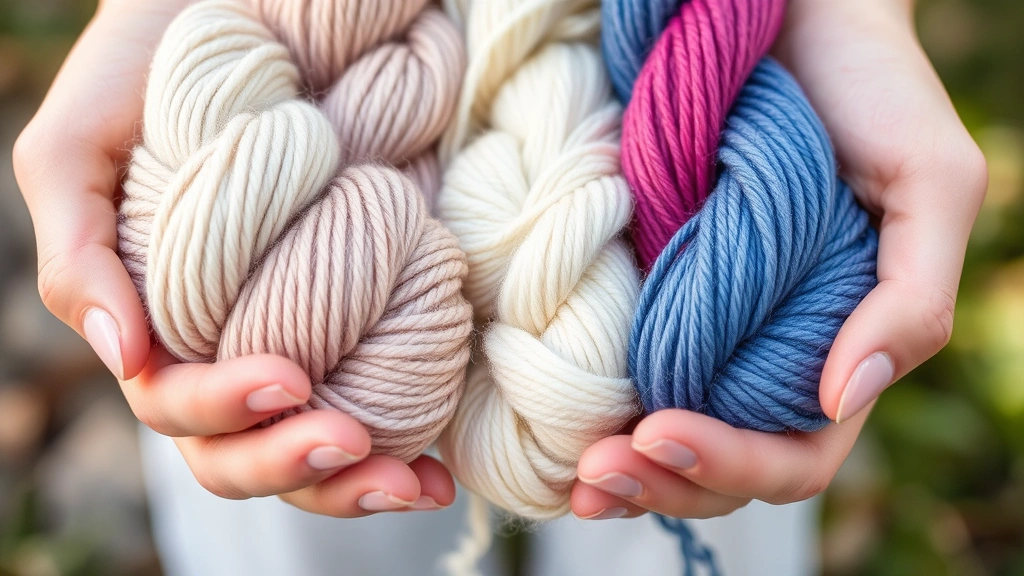
Natural Fibers like wool, cotton, bamboo, and linen each bring their own personality to a project. Wool is the workhorse—it’s forgiving, elastic, and keeps you warm even when wet. It’s why so many beginner crochet projects use wool; it’s genuinely hard to mess up. The downside? Some people find it itchy, and it requires careful washing. Merino wool is a softer upgrade if budget allows.
Cotton is your friend for summer projects, amigurumi, and anything that needs to be washable. It doesn’t have the stretch of wool, so your tension matters more, and it’s less forgiving if you need to frog. But it holds its shape beautifully and feels crisp and cool. Linen and bamboo are similar—gorgeous drape, perfect for garments that should flow, but they can be slippery to work with if you’re still building your skills.
Synthetic Fibers (acrylic being the most common) get a bad rap, but honestly? They’re practical. Acrylic is affordable, durable, machine-washable, and comes in every color imaginable. It doesn’t breathe like natural fibers, and some people find it plasticky, but for afghans, amigurumi, toys for kids, or anything that’ll take a beating, acrylic makes total sense. Brands like Lion Brand and Red Heart have genuinely improved their quality over the years.
Blends are the middle ground—wool-acrylic blends give you the forgiveness and warmth of wool with easier care. Cotton-acrylic blends offer breathability without the slipperiness. These can be your sweet spot, especially if you’re still figuring out what works for you.
When you’re choosing yarn, spend a moment thinking about the end use. A baby blanket needs something washable and soft. An outdoor market bag can handle sturdy acrylic. A sweater for yourself deserves something you genuinely want against your skin for hours.
Yarn Weight and Project Matching
This is where patterns come in, and it’s crucial. Yarn weight—from lace (0) all the way to jumbo (7)—isn’t just a number. It’s the diameter of the strand and how many yards you get per pound. Getting this right means your project will actually look like the picture.
Most people work with worsted weight (medium #4) or DK/light worsted (#3) because they’re fast, forgiving, and widely available. If you’re making a sweater, your pattern will specify exactly what weight it needs. Using a heavier yarn won’t just make things bigger—it’ll change the fabric’s drape, the neckline fit, everything. I learned this the hard way with a linen sweater that turned out three sizes too big because I grabbed a bulkier weight thinking it wouldn’t matter.
Check the yardage, not just the weight. A 50g skein of fingering weight has way more yardage than 50g of bulky, which matters for your project. Patterns list yardage requirements for exactly this reason. If you’re substituting yarn (which is totally doable—I do it constantly), match the yardage first, then do a gauge swatch to confirm it’ll work.
If you’re new to this, stick with worsted or DK weight. They’re easier to see your stitches, they work up relatively quickly, and most patterns are written for these weights. Once you’re comfortable, explore different crochet stitches with different weights to see how dramatically yarn changes your work.
Budget-Friendly Approaches
Real talk: yarn adds up. A sweater’s worth of yarn can easily cost $40-$100 if you’re buying quality. So how do you stay sane budget-wise?
Know your priorities. If you’re making something you’ll wear constantly, invest in better yarn. If you’re practicing a new stitch, acrylic is perfect. If you’re making gifts for people you love, mid-range yarn is usually the sweet spot—nice enough to feel special, not so expensive you’re stressed about mistakes.
Buy on sale. Yarn goes on sale constantly. Sign up for emails from your favorite Ravelry (the world’s best resource for patterns and yarn tracking), follow local yarn shops on Instagram, and check big retailers like Michael’s during their regular sales. I’ve scored luxury yarn at 40% off by simply being patient.
Use what you have. Before buying new yarn, actually look at your stash. Seriously—most crocheters have yarn they forgot about. You might have the perfect thing already. This also helps you practice color theory in ways you didn’t plan.
Consider yarn quality over quantity. One skein of gorgeous merino will make you happier than three skeins of mediocre acrylic. You don’t need to spend a fortune, but spending a little more on yarn you genuinely love often means you’ll actually finish projects.
Try smaller projects first. Before committing $80 to a sweater, make a cowl or shawl with the yarn to see how it behaves. This is practical and it’s how you build confidence.
Durability and Care Requirements
This is the part nobody wants to think about but absolutely should. How you’ll care for your finished project matters when you’re choosing yarn.
Will this need to be washed frequently? Machine washable acrylic or cotton-blend is your answer. Is this a cherished heirloom piece? You can handle the hand-washing that fine merino requires. Do you have young kids or pets? Durable, washable fibers are non-negotiable.
Check the yarn label for care instructions—they’re there for a reason. Some beautiful wools will felt if you look at them wrong in a washing machine. Some acrylics melt if you use hot water. Some yarns pill like crazy when they’re worn against skin; others stay pristine for years. This isn’t always obvious from touching the yarn in the store.
If you’re making something for outdoor use (a patio blanket, a market bag that’ll live in your car), consider yarn that won’t degrade in sunlight. UV exposure matters more than people realize. If something needs to be machine washable, test it—wash a swatch before committing to the whole project.
Think about the lifespan you want. A baby blanket that’ll be used for five years needs different yarn than a sweater you want to wear for twenty. Neither choice is wrong, but being intentional about durability shapes which yarn makes sense.
Testing Yarn Before Committing
Here’s my absolute non-negotiable rule: always do a gauge swatch, and while you’re at it, really get to know the yarn.
A gauge swatch isn’t just about measurements (though that matters for fit). It’s about seeing how the yarn actually behaves with your hands, your tension, and your hooks. Work a 4×4 inch swatch in the stitch pattern you’ll use. Notice how it feels. Does it split easily? Does it show your stitches clearly or hide them? Does it feel nice or does it drive you crazy? If you hate how it feels in a swatch, you’ll hate it in a whole sweater.
Wash your swatch the way you’ll wash the finished project. Does it survive? Does it pill? Does it shrink? Does the color hold? This is crucial information that the yarn label can’t fully capture.
If you’re trying a new yarn brand or a fiber you haven’t worked with before, make something small first. A dishcloth, a coaster, a headband. Spend $10-$15 to learn how this yarn behaves instead of spending $50 and being disappointed.
Pay attention to how the yarn feels in your hands during extended work. Some yarn feels amazing for ten minutes but gets irritating. Some feels weird at first but you fall in love with it. Only you can figure this out by actually working with it.
Common Mistakes to Avoid
I’ve made all of these, and I’ve watched other people make them too. Here’s what to skip:
Buying yarn for the color alone. That stunning jewel tone might be the wrong weight, wrong fiber, wrong everything for your project. Color matters, but it’s one factor among many.
Not checking yardage. “It’s the same brand, so it’s the same, right?” Wrong. Different colors and weights in the same brand line have different yardages. Check every time.
Impulse buying without a project in mind. I’m not saying never do this—yarn is beautiful and joy is real. But if you’re trying to stay on budget, have a plan before you buy. Know what you’ll make with it.
Assuming all acrylic is the same. It’s not. Some is genuinely nice; some is stiff and unpleasant. Try different brands to find what you like.
Ignoring care instructions. That label exists because people learned the hard way. Read it.
Buying expensive yarn for practice projects. Learn your tension control and new stitches with budget-friendly yarn. Save the luxury stuff for when you know what you’re doing.
Not considering your climate. Making a heavy wool sweater if you live somewhere hot is setting yourself up for a project you’ll never wear. Think about your actual life.
FAQ
What’s the best yarn for beginners?
Worsted weight or DK weight in a smooth yarn (not fuzzy or novelty). Acrylic or wool-acrylic blend. Something in a light color so you can see your stitches. Lion Brand Vanna’s Choice or Caron Simply Soft are classics for a reason. You want yarn that’s forgiving of tension variations and easy to rip out if you mess up.
Can I substitute yarn in a pattern?
Yes, with care. Match the yardage first. Then do a gauge swatch with your new yarn using the stitch the pattern calls for. If your gauge matches, you’re probably good. If it’s off, you might need to adjust hook size. This is totally doable but requires more attention than using the exact yarn.
How do I know if yarn will pill?
Some yarns are just prone to pilling—it’s about fiber length and twist. You can’t always tell by looking. After washing your swatch, rub it vigorously to see if pills form. Pilling isn’t always a dealbreaker (some pills brush off), but it’s good to know what you’re getting into.
Is expensive yarn always better?
Not always. Expensive yarn often means luxury fibers, which feel amazing and perform beautifully. But a mid-range yarn you love beats an expensive yarn you don’t. And for some projects (toys, practice pieces, outdoor items), expensive yarn is overkill. Match the yarn quality to the project and your budget.
How much yarn do I actually need?
Always go by the pattern’s yardage requirement, not weight. Two yarns can weigh the same but have totally different yardages. If you’re substituting, match yardage. If you’re flying without a pattern, err on the side of too much—leftover yarn is never wasted.
What’s the difference between yarn and thread?
Yarn is thicker and used for most crochet projects. Thread is finer and used for delicate work, doilies, and amigurumi details. For general crochet, you’re using yarn.
Choosing yarn well is genuinely a skill that develops over time. You’ll make mistakes, and that’s completely okay. Each project teaches you something about what works for you, what feels good in your hands, and what finishes you actually love wearing or gifting. Start with what makes sense for your current project, do your swatch, trust your instincts, and remember that there’s no perfect choice—just the one that works for you right now. Check out Yarnspirations for free patterns and yarn inspiration, explore Crafty Yarn for quality options, and don’t hesitate to ask your local yarn shop for recommendations. They genuinely love helping people find their perfect yarn match.