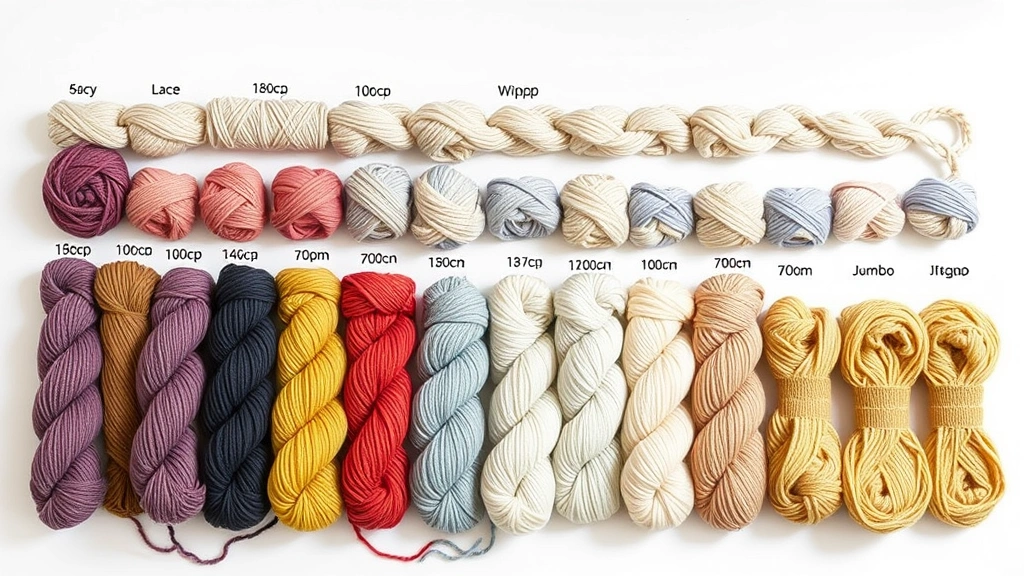
I’ll never forget the first time I tried to crochet a blanket – I was so excited about this beautiful pattern I’d found, but after three rows, I realized I had no idea if I was even using the right yarn weight. The blanket looked nothing like the picture, and I was completely lost. Sound familiar? You’re definitely not alone in this confusion.
Here’s the thing about yarn weights: they’re actually your secret weapon for crochet success, but nobody really explains them in a way that makes sense. I spent years guessing and hoping for the best until I finally figured out the system. Now I want to save you that frustration and help you choose yarn with confidence every single time.
The yarn weight system isn’t just some arbitrary numbering scheme – it’s designed to help you predict how your project will turn out. When you understand how different weights behave, you’ll know exactly what to expect from your stitches, your drape, and your finished size. Plus, you’ll be able to substitute yarns like a pro when you can’t find the exact one called for in a pattern.
Quick Answer
Yarn weights range from 0 (lace) to 7 (jumbo), with each number indicating thickness and recommended hook sizes. Most crochet projects use weights 3-5 (DK to bulky), and understanding these weights helps you choose the right yarn for your project’s intended drape, warmth, and appearance.
Understanding the Yarn Weight System
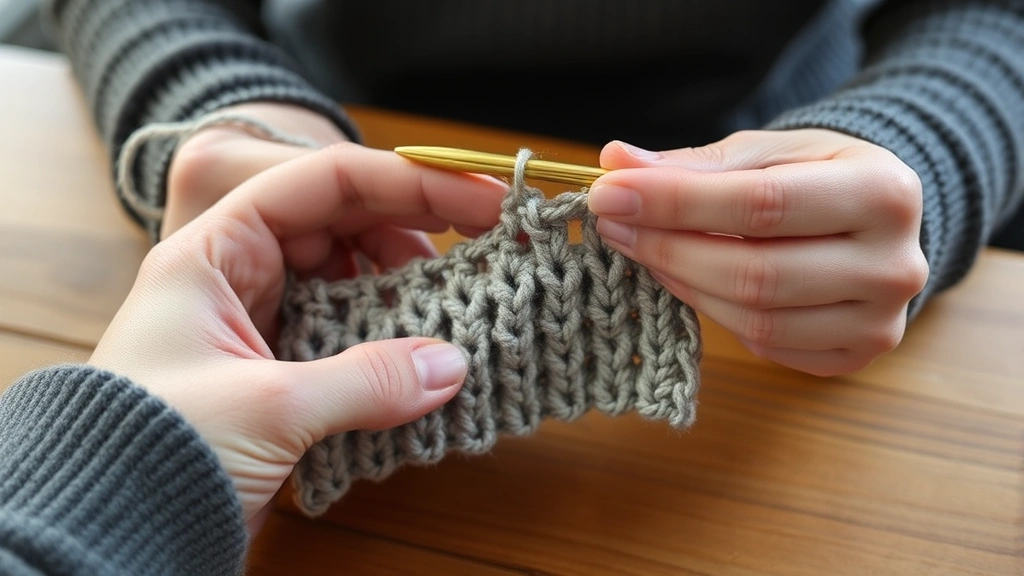
The Craft Yarn Council created this standardized system to make our lives easier, and honestly, it works pretty well once you get the hang of it. Each yarn weight has a number (0-7), names you might see on labels, and recommended hook sizes.
But here’s what they don’t tell you: the numbers are just guidelines. I’ve seen “worsted weight” yarns that act more like DK, and “bulky” yarns that are practically jumbo. The key is learning to look beyond the label and understand what each weight actually does in your hands.
When you’re starting a new project, the yarn weight affects three main things: your stitch definition, the drape of your finished piece, and how quickly you’ll complete it. Thinner yarns show off intricate stitch patterns beautifully but take longer to work up. Thicker yarns create cozy, substantial pieces that work up fast but might hide delicate details.
Pro Tip: Always make a gauge swatch, even if you hate doing it. I’ve learned this the hard way more times than I care to admit. Your tension might be different from the pattern designer’s, and that 4×4 inch square can save you from frogging an entire project later.
The weight system also helps you understand yarn behavior. Lighter weights tend to have more drape and movement, making them perfect for shawls and garments. Heavier weights provide structure and warmth, which is why we love them for blankets and winter accessories.
Complete Weight-by-Weight Breakdown
Weight 0: Lace and Thread
This is the finest weight you’ll encounter, typically used with steel hooks in sizes 6-14. I’ll be honest – lace weight intimidates a lot of crocheters, but it creates the most delicate, ethereal projects. Think doilies, fine shawls, and intricate table runners.
Lace weight yarn requires patience and good lighting, but the results are stunning. I recommend starting with cotton lace weight rather than wool or silk – it’s more forgiving and easier to see your stitches. Ravelry has thousands of lace patterns if you’re ready to dive in.
Weight 1: Fingering/Sport Light
This is where things get more approachable for most crocheters. Fingering weight yarn typically uses hooks from 2.25mm to 3.5mm (B-1 to E-4). It’s perfect for baby items, lightweight shawls, and detailed colorwork.
I love fingering weight for baby projects because it creates delicate, soft items that aren’t too bulky. The stitch definition is excellent, so your hard work really shows. Just be prepared – projects take longer than you’d expect because the stitches are small.
Weight 2: Sport
Sport weight is incredibly versatile and uses hooks from 3.5mm to 4.5mm (E-4 to 7). It’s heavier than fingering but still creates refined, lightweight projects. This weight is fantastic for children’s garments, summer tops, and dishcloths that actually work well.
One thing I’ve noticed about sport weight: it’s perfect when you want the detail of a lighter yarn but don’t want to spend months on a project. It strikes a nice balance between definition and speed.
Weight 3: DK (Double Knitting)
DK weight typically uses 4.5mm to 5.5mm hooks (7 to I-9) and is probably my most-used weight. It’s substantial enough to work up relatively quickly but still shows stitch detail beautifully. Perfect for amigurumi, lightweight sweaters, and accessories.
What I love about DK weight is its versatility. You can create structured pieces like bags and baskets, or let it drape naturally for scarves and wraps. Lion Brand and other major manufacturers offer huge color ranges in DK weight.
Weight 4: Worsted/Medium
This is the most common weight you’ll find in craft stores, using hooks from 5.5mm to 6.5mm (I-9 to K-10.5). Worsted weight is the go-to for afghans, winter accessories, and most beginner projects. It’s forgiving, widely available, and affordable.
Red Heart Super Saver, Caron Simply Soft, and Lion Brand Vanna’s Choice are classic worsted weight yarns that most crocheters have used. They’re reliable, machine washable, and come in every color imaginable. Perfect for practicing new stitches or making gifts you know will get heavy use.
Weight 5: Bulky/Chunky
Bulky yarn uses 6.5mm to 9mm hooks (K-10.5 to M/N-13) and is where projects really start flying off your hook. I reach for bulky weight when I want instant gratification – thick scarves, cozy hats, and quick throw pillows that work up in an evening.
The downside of bulky yarn is that it can overwhelm delicate stitch patterns. Stick to simpler stitches that let the yarn’s texture shine. Single crochet, half double crochet, and basic shells work beautifully in bulky weight.
Weight 6: Super Bulky
Super bulky yarn requires 9mm to 15mm hooks (M/N-13 to P-15 and beyond) and creates seriously chunky projects. We’re talking thick blankets, oversized cowls, and statement pieces that make a real impact.
I’ll warn you though – super bulky yarn eats up yardage fast and can be expensive. But when you want something cozy and substantial, nothing else compares. It’s also great for beginners who struggle to see their stitches with thinner yarns.
Weight 7: Jumbo
This is the thickest standard weight, often requiring hooks 15mm and larger. Jumbo yarn is perfect for arm knitting projects, ultra-thick blankets, and home decor items like baskets and plant holders.
Honestly, jumbo yarn can be tricky to work with because it’s so thick your hands get tired quickly. But for the right project, it creates amazing texture and visual impact that you just can’t get any other way.
| Weight | Name | Hook Size (US) | Hook Size (mm) | Best For |
|---|---|---|---|---|
| 0 | Lace | Steel 6-14 | 1.6-2.25 | Doilies, fine shawls |
| 1 | Fingering | B-1 to E-4 | 2.25-3.5 | Baby items, socks |
| 2 | Sport | E-4 to 7 | 3.5-4.5 | Children’s items, summer tops |
| 3 | DK | 7 to I-9 | 4.5-5.5 | Sweaters, accessories |
| 4 | Worsted | I-9 to K-10.5 | 5.5-6.5 | Afghans, hats, scarves |
| 5 | Bulky | K-10.5 to M/N-13 | 6.5-9 | Quick projects, cozy items |
| 6 | Super Bulky | M/N-13 to P-15+ | 9-15+ | Thick blankets, statement pieces |
| 7 | Jumbo | P-15 and up | 15+ | Arm knitting, home decor |
Choosing the Right Weight for Your Project
This is where experience really pays off, but I can share some guidelines that have served me well over the years. The key is thinking about how you want your finished project to behave – should it be structured or drapey? Quick to make or showcase intricate work?
For garments, consider the season and style. Lightweight tops and summer cardigans work best in sport to DK weight yarns that won’t add bulk. Winter sweaters and cozy cardigans shine in worsted to bulky weights that provide warmth and structure. I’ve made the mistake of using bulky yarn for a fitted sweater – it looked like I was wearing a sleeping bag!
Blankets are more forgiving, but yarn weight still matters. Granny square afghans work beautifully in worsted weight because the stitches are defined but not too delicate. Baby blankets often look lovely in DK weight – substantial enough to be practical but not so heavy they overwhelm a small child.
Consider Your Skill Level: If you’re newer to crochet, stick with worsted weight yarn for most projects. It’s forgiving, easy to see, and readily available. As you get more comfortable, branch out to other weights.
For accessories like hats and scarves, think about the end use. A delicate lace scarf calls for fingering or sport weight, while a warm winter hat needs at least worsted weight, often bulky. I love using bulky yarn for quick beanies – they work up in a couple of hours and provide serious warmth.
Project-Specific Recommendations
Amigurumi: DK to worsted weight works best. You want good stitch definition and structure so your stuffing doesn’t show through. I typically use a hook one size smaller than recommended to create tight, even stitches.
Dishcloths: Cotton in sport to worsted weight is perfect. Avoid anything too thick (it won’t dry properly) or too thin (it won’t be absorbent enough).
Shawls: This depends on the style. Intricate lace shawls need fingering to sport weight, while cozy wrap-style shawls can handle DK to worsted weight.
Home Decor: Baskets and plant holders need structure, so go with worsted to super bulky. Decorative items like wall hangings can use any weight depending on the look you want.
Hook Size Recommendations
Here’s something that confused me for ages: the hook size on yarn labels is just a starting point. Your personal tension, the specific stitch pattern, and your desired fabric density all affect what hook size actually works best for your project.
I always start with the recommended hook size and make a gauge swatch. If my stitches are too tight (fabric feels stiff), I go up a hook size. If they’re too loose (I can see through the fabric when I don’t want to), I go down a size. It’s that simple, but it took me years to trust this process instead of fighting with the “wrong” hook size.
For amigurumi, I typically use a hook 0.5-1mm smaller than recommended because I want tight stitches that won’t let stuffing show through. For shawls and scarves where I want drape, I might go up a hook size to create a more relaxed fabric.
“The right hook size is the one that gives you the fabric you want, not necessarily the one on the label.” This advice from my first crochet teacher changed everything for me.
Hook Size Conversion Tips
US and metric hook sizes don’t always match up perfectly, which can be frustrating when following international patterns. I keep a conversion chart handy and always double-check the millimeter measurement when buying new hooks.
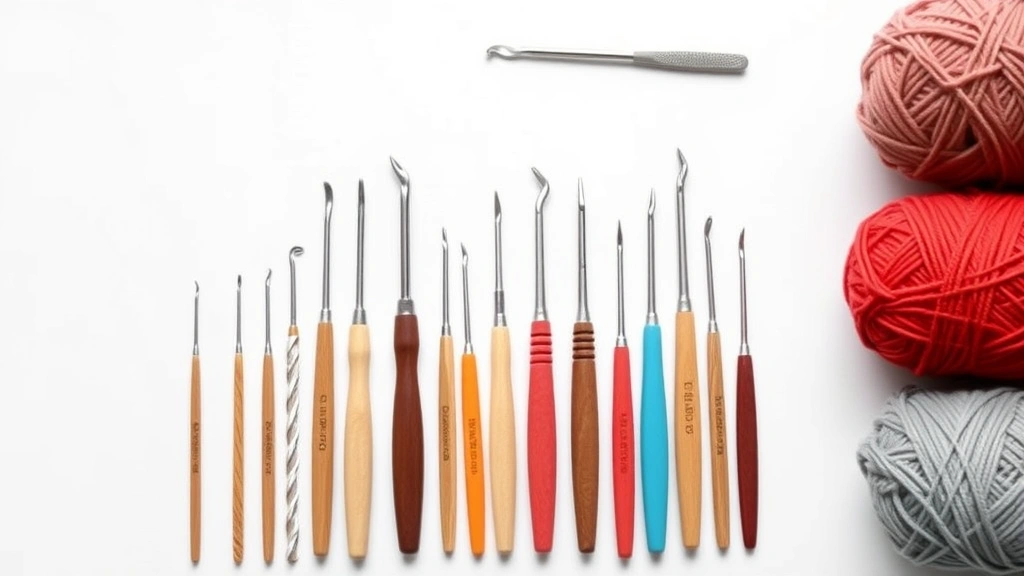
Invest in a good set of hooks with both US and metric sizes clearly marked. KnitPicks and other quality manufacturers make sets that will last for years and eliminate guesswork.
Smart Yarn Substitution Tips
This is where understanding yarn weights becomes really practical. Maybe the pattern calls for a specific yarn that’s discontinued, too expensive, or just not available in your area. No problem – if you understand weights, you can substitute with confidence.
The most important thing is matching the weight, not the brand or exact yarn type. A worsted weight cotton will behave very differently from a worsted weight wool, but they’ll both work in a worsted weight pattern. The finished size should be similar, though the drape and texture will change.
Always check the yardage per weight when substituting. Some yarns pack more or less yardage into the same weight category. I learned this lesson the hard way when I ran out of yarn three-quarters through a blanket because my substitute had less yardage per skein.
Fiber Content Matters: Cotton has no stretch and creates structured fabric. Wool has memory and bounce. Acrylic is forgiving and machine washable. Consider how these properties will affect your finished project.
When substituting, I also consider the yarn’s construction. A single-ply yarn behaves differently from a multi-ply yarn of the same weight. Single-ply tends to be more delicate and can pill more easily, while multi-ply is generally more durable and easier to work with.
Successful Substitution Strategy
- Match the Weight
This is non-negotiable. Don’t try to substitute DK for worsted – it won’t work out well.
- Calculate Total Yardage
Figure out how many total yards the pattern needs, not just how many skeins. This prevents running short.
- Consider Fiber Properties
Think about stretch, drape, and care requirements. Will your substitute work for the intended use?
- Make a Gauge Swatch
Yes, even for substitutions. Actually, especially for substitutions.
- Buy Extra
Get an extra skein if possible. Dye lots can vary, and it’s better to have too much than too little.
Troubleshooting Weight Issues
Even with the best planning, sometimes yarn weight issues crop up. Here are the most common problems I see and how to fix them.
Project is Coming Out Too Small
This usually means your yarn is thinner than expected or your tension is tighter than the pattern assumes. Try going up a hook size or two. If that doesn’t work, you might need to add extra stitches or rounds to reach the desired size.
I once made a hat that could have fit a toddler instead of an adult because I was working too tightly with DK yarn when the pattern assumed a looser gauge. Going up from a 5mm to a 6mm hook solved the problem completely.
Project is Coming Out Too Large
The opposite problem – your yarn might be thicker than expected or your tension looser. Try a smaller hook first. If that creates fabric that’s too stiff, you might need to reduce stitches or work fewer rounds.
Fabric is Too Stiff or Dense
This happens when you’re using too small a hook for your yarn weight or working too tightly. Go up a hook size and consciously try to relax your tension. The fabric should have some give unless you specifically want it rigid (like for a basket).
Fabric is Too Loose or Holey
You’re probably using too large a hook or working too loosely. Size down your hook and focus on consistent tension. For items like bags that need structure, you want fairly tight stitches.
When in Doubt, Swatch: I know it’s tempting to dive right into a project, but a 4×4 inch gauge swatch can save hours of frustration. Plus, you can use swatches to practice new techniques or test color combinations.
Common Questions
Can I use a different yarn weight than what the pattern calls for?
Generally, no – not without significant modifications. Yarn weight affects not just the finished size but also the drape, structure, and appearance of your project. If you want to use a different weight, you’ll need to adjust hook size, stitch count, and possibly the entire construction method. It’s usually easier to find a pattern written for your preferred yarn weight.
What’s the most versatile yarn weight for beginners?
Worsted weight (Weight 4) is hands-down the best choice for beginners. It’s thick enough to see your stitches easily, forgiving of tension issues, widely available, and affordable. Most beginner patterns are written for worsted weight, so you’ll have plenty of project options. Once you’re comfortable, branch out to DK and bulky weights.
How much yarn do I need for a typical afghan?
This depends on the size and yarn weight, but here are rough estimates: Baby blanket (30×36 inches) needs about 1000-1500 yards in worsted weight. Throw size (50×60 inches) needs 2000-3000 yards. King size (90×108 inches) needs 4000-6000 yards. Always buy extra – it’s heartbreaking to run out of yarn when you’re 90% done with a project.
Why does my yarn look different from the pattern photo even though I used the same weight?
Several factors can cause this: different fiber content (cotton vs. wool vs. acrylic), different yarn construction (single-ply vs. multi-ply), different hook size, or different tension. Even within the same weight category, yarns can vary significantly. This is why gauge swatches are so important – they help you predict how your specific yarn will behave.
Can I mix different yarn weights in the same project?
You can, but it requires careful planning. I’ve seen beautiful projects that intentionally combine weights for texture contrast – like using bulky yarn for the body of a bag and DK weight for detailed edging. The key is understanding how each weight will behave and planning your construction accordingly. Avoid mixing weights randomly without considering the effect on your finished piece.
What’s the difference between yarn weight and yarn thickness?
Yarn weight refers to the standardized categories (0-7) that indicate recommended hook sizes and typical uses. Yarn thickness is the actual physical diameter of the strand. Two yarns can have the same weight category but different thicknesses due to fiber content, construction, or manufacturing differences. Always rely on the weight category and your gauge swatch rather than just visual thickness.
How do I know if a vintage pattern’s yarn weight is equivalent to modern weights?
Older patterns often use different terminology. “Baby yarn” usually equals modern DK or light worsted. “Knitting worsted” is typically Weight 4 worsted. “Rug yarn” was often super bulky or jumbo weight. When in doubt, look at the recommended hook size and gauge to determine the modern equivalent. Many vintage pattern reprints include modern yarn weight conversions.
Should I always stick to the exact yarn weight called for in amigurumi patterns?
For amigurumi, yarn weight is more flexible than for fitted garments, but you should still be thoughtful about substitutions. Going one weight up or down usually works if you adjust your hook size accordingly. The key is maintaining tight, even stitches so stuffing doesn’t show through. I often use DK weight yarn with a smaller hook instead of worsted weight with the recommended hook – it gives me better stitch control.
Understanding yarn weights has honestly transformed my crochet experience. Instead of crossing my fingers and hoping for the best, I can now look at a pattern and immediately know what to expect from different yarn choices. It’s like having a roadmap for every project.
The system isn’t perfect – there’s still variation within weight categories, and every crocheter works differently. But once you understand the basics and start paying attention to how different weights behave in your hands, you’ll develop an intuition that serves you well for every future project.
Don’t be afraid to experiment with different weights as you grow more confident. Some of my favorite projects came from deliberately choosing an unexpected yarn weight and adjusting the pattern to work with it. Just remember to swatch first, buy a little extra yarn, and trust the process. Happy crocheting!