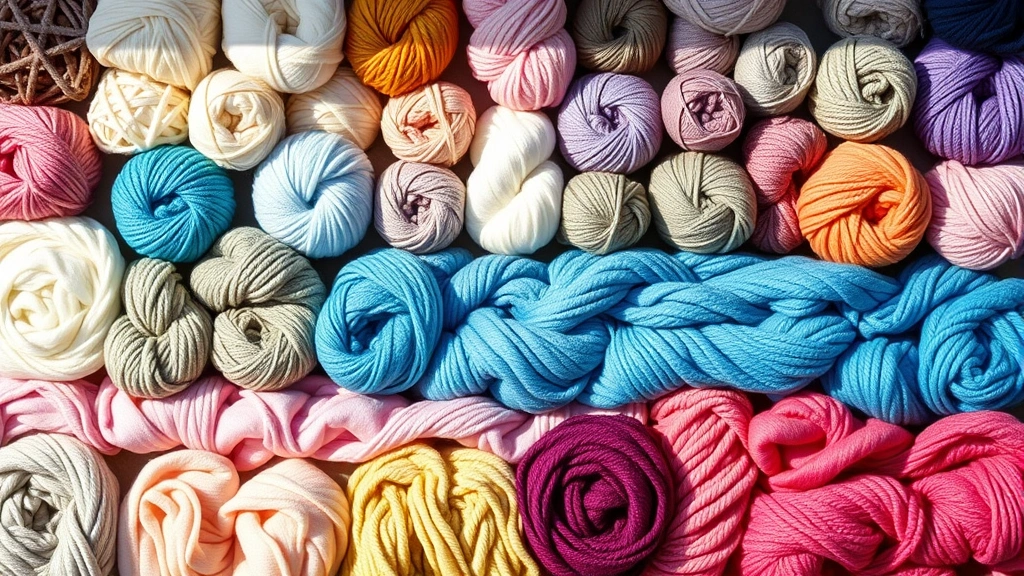
Choosing the Right Yarn for Your Crochet Projects: A Real Talk Guide
Let’s be honest—walking into a yarn shop or scrolling through an online catalog can feel absolutely overwhelming. There are so many options: different fibers, weights, colors, price points, and textures. You might be standing there wondering if that gorgeous merino wool is worth the splurge, or if you should just grab whatever’s on sale. Here’s the thing: there’s no “wrong” choice, but there are definitely smarter choices depending on what you’re making and what matters most to you.
I’ve been crocheting for years, and I’ve made plenty of mistakes—like that time I used a slippery acrylic for a lacy shawl that kept sliding off my shoulders, or when I bought the most expensive yarn I could find only to realize it was way too delicate for the sturdy tote bag I was planning. The good news? Every mistake taught me something valuable about how to actually choose yarn that’ll make you happy with your finished project.
This guide walks you through everything you need to know to make confident yarn choices. Whether you’re a total beginner or you’ve been crocheting for a while, we’ll cover the stuff that actually matters when you’re picking yarn for your next project.
Understanding Fiber Types
The fiber content of your yarn is basically the foundation of everything. This is where the actual feel, durability, and care instructions come from. Let’s break down the main categories you’ll encounter, because understanding these makes everything else click into place.
Natural Fibers include wool, cotton, linen, and silk. Wool is probably the most popular natural fiber for crochet, and for good reason. It’s elastic, forgiving when you make mistakes, warm, and it holds its shape beautifully. If you’re learning to crochet or working on a beginner-friendly crochet patterns, wool is genuinely your friend. It’s also naturally antimicrobial and temperature-regulating, which is why wool sweaters and blankets feel so good.
Cotton is fantastic if you’re making summer garments, dishcloths, or anything that needs to be washable and durable. It’s crisp, breathable, and gets softer with every wash. The downside? It doesn’t have much elasticity, so your stitches need to be a bit more intentional. If you’re making a cotton blanket pattern, you’ll want to make sure your tension is consistent because cotton won’t forgive as much as wool will.
Linen has a similar vibe to cotton—crisp, cool, and durable—but it’s even stiffer when you first use it. It softens up significantly over time, which is kind of magical. Silk is luxurious but slippery and expensive, so it’s usually blended with other fibers rather than used on its own.
Synthetic Fibers mainly mean acrylic, which gets a bad rap but honestly deserves some respect. Acrylic is affordable, comes in basically every color you can imagine, and it doesn’t require special care. It doesn’t breathe as well as natural fibers, and it can pill (those little fuzzy balls that form on the surface), but for projects like amigurumi, colorful blankets, or anything you want to throw in the washing machine without thinking twice, acrylic is reliable.
There are also blends, which combine the best (and sometimes the worst) of both worlds. A wool-acrylic blend might give you the affordability and easy care of acrylic with some of the elasticity and warmth of wool. A cotton-acrylic blend offers durability with a bit more softness. Check the percentage breakdown on the label—it matters.
Yarn Weight and What It Really Means
Yarn weight is one of those things that seems confusing at first, but it’s actually just describing how thick the yarn is. The Craft Yarn Council standardized this into categories from 0 (lace) to 7 (jumbo), but most people use the common names: fingering, sport, DK, worsted, bulky, and super bulky.
Fingering weight (0-1) is thin and delicate. It’s for detailed work, lacy projects, and socks. It requires patience because everything takes longer, but the results are so intricate and beautiful. A fingering weight crochet shawl pattern can look absolutely stunning.
Sport and DK weight (2-3) are light and versatile. They’re great for garments, amigurumi, and anything where you want nice drape without too much bulk. These weights are forgiving enough for beginners but refined enough for experienced crocheters.
Worsted weight (4) is the Goldilocks of yarn weights. It’s thick enough that projects work up quickly, it’s affordable in most cases, and it’s versatile. Most beginner patterns use worsted weight because it’s genuinely the easiest to work with. A simple worsted weight sweater pattern can be finished in a few weeks instead of months.
Bulky and super bulky (5-7) are chunky and create projects fast. There’s something deeply satisfying about seeing a blanket come together in days instead of weeks. The tradeoff is that they can look less refined, and they use a lot of yarn, which gets expensive quickly.
Here’s the real talk: the weight you choose affects how your finished project looks and feels. A delicate lace pattern made in worsted weight will look totally different—and probably not as good—as the same pattern made in fingering weight. The designer had a reason for suggesting a specific weight. That said, you can absolutely switch weights if you understand how it’ll change the final product.
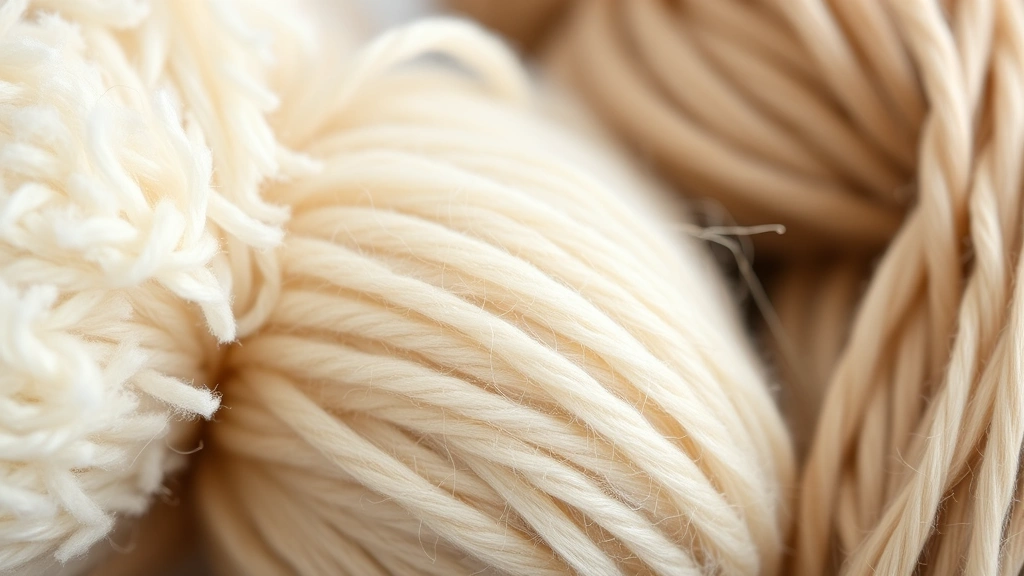
” alt=”Close-up of various yarn weights arranged from thin fingering to thick super bulky yarn, showing color and texture differences”/>
Calculating Yardage and Project Requirements
This is where a lot of people get tripped up, and it’s honestly one of the most important skills to develop. You need to know how much yarn your project actually requires before you buy it.
First, check your pattern. A good pattern tells you the yardage required. This is different from the number of balls or skeins because different yarns have different yardage per ball. A bulky yarn might have 100 yards per ball, while a fingering weight might have 400 yards in the same physical size package.
Let’s say your pattern calls for 800 yards of worsted weight. You find a gorgeous yarn that has 180 yards per ball. You’d need roughly 5 balls (800 ÷ 180 = 4.4, so round up). Now, if you switch to a different yarn brand that has 220 yards per ball, you’d need 4 balls. See how that changes things? One less ball could save you $5-20 depending on the yarn.
Here’s a pro tip: always buy a little extra. I usually add 10-20% to the yardage requirement. Why? Because tension varies between crocheters, you might need to frog (rip out) and restart a section, or you might want to make a slightly larger version than the pattern specifies. There’s nothing worse than running out of yarn three rows from the finish.
When you’re calculating yardage for a custom crochet project, you can estimate based on similar projects you’ve made. If you made a sweater that used 1200 yards and it fit you perfectly, you know that’s your baseline for that size and style.
Texture, Feel, and Fiber Characteristics
This is where yarn selection gets personal, because what feels amazing to one person might drive another person absolutely bonkers. Some people love the slight scratchiness of a rustic wool; others need something buttery soft against their skin.
Softness and hand matter for projects that touch your skin. If you’re making a sweater, shawl, or blanket that you’ll actually wear or snuggle under, the yarn needs to feel good. Merino wool, alpaca, and cashmere are luxuriously soft. Regular wool can feel scratchy until it’s been washed a few times. Acrylic varies wildly—some feels almost as soft as wool, while others feels plasticky.
Drape is how the yarn hangs when you’re wearing it. Some yarns are stiff and hold their shape; others flow and move with your body. For a fitted sweater, you want good drape. For a structured shawl, you might want something stiffer. A lacy shawl pattern works best with yarn that has beautiful drape because you want to see how the stitches flow.
Elasticity is how much the yarn stretches and bounces back. Wool has lots of elasticity, which is why it’s forgiving when your tension isn’t perfect. Cotton and linen have almost none, so you need to be more precise. This matters because it affects how your finished garment fits and whether it’ll hold its shape over time.
Splitability is how easily your crochet hook splits the yarn as you work. Some yarns are loosely plied (twisted together), so your hook catches the fibers and it’s frustrating. Others are tightly twisted and smooth. This is one of those things you discover by actually working with the yarn, but you can sometimes tell by looking at it—if it looks fuzzy or loosely constructed, it might be harder to work with.
Budget Considerations Without Sacrificing Quality
Real talk: yarn can be expensive, especially if you’re making multiple projects. But budget and quality don’t have to be enemies.
The most affordable option is acrylic, which usually costs $3-8 per ball. It’s totally legitimate for so many projects. If you’re making a blanket for your couch or practicing a new stitch, acrylic is smart. You’re not going to cry if you have to frog ten rows.
Mid-range yarns (wool blends, some cotton, basic merino) typically run $8-15 per ball. These offer way better quality than basic acrylic—better feel, better durability, better final results—without breaking the bank. This is where I do most of my shopping, honestly.
Premium yarns (pure wool, alpaca blends, luxury fibers) are $15-40+ per ball. These are for special projects, gifts you really care about, or when you’ve found THE yarn that’s perfect for your vision. A luxury yarn sweater pattern might cost $60-100 in materials, but you’ll wear it for years.
Smart budget strategies: Buy yarn on sale when you can, especially if it’s a versatile neutral color you know you’ll use. Sign up for newsletters from yarn shops and online retailers—they often have sales and discount codes. Check out Ravelry, where you can search for patterns and see what yarn people actually used, including reviews about how it performed. Buy from local yarn shops when possible—they offer expertise, community, and usually have sales and loyalty programs. And honestly? It’s okay to have a yarn stash. Yarn doesn’t go bad, and having options makes the creative process more fun.
Yarn Selection for Special Projects
Different projects have different needs, and choosing yarn with the project in mind makes all the difference.
For garments, you want yarn that’s soft, has good drape, and won’t pill. Merino wool is excellent. So are cotton blends and quality acrylics designed to feel soft. Avoid anything too fuzzy or loosely plied because it’ll be annoying to work with and might pill immediately.
For blankets, it depends on the intended use. A baby blanket needs to be soft, washable, and durable—cotton or a high-quality acrylic works great. A cozy throw blanket can be bulkier and more textured. A chunky crochet blanket pattern looks amazing in a super bulky yarn and works up super fast.
For amigurumi (those adorable stuffed creatures), you want yarn that won’t show the stuffing through the stitches. Worsted or DK weight works well, and color matters more than fiber type. Acrylic is totally fine here—in fact, it’s often preferred because it’s affordable and you’re usually making multiple pieces.
For outdoor projects like hats or scarves, consider weather. Wool is warm and water-resistant. Cotton breathes but isn’t warm. Acrylic is versatile but doesn’t regulate temperature as well. For a winter hat pattern, wool or a wool blend is genuinely the best choice.
For washable items like dishcloths or baby gear, you need yarn that can handle frequent washing. Cotton, linen, and superwash wool are your friends. Regular wool can felt (shrink and thicken) if washed incorrectly.
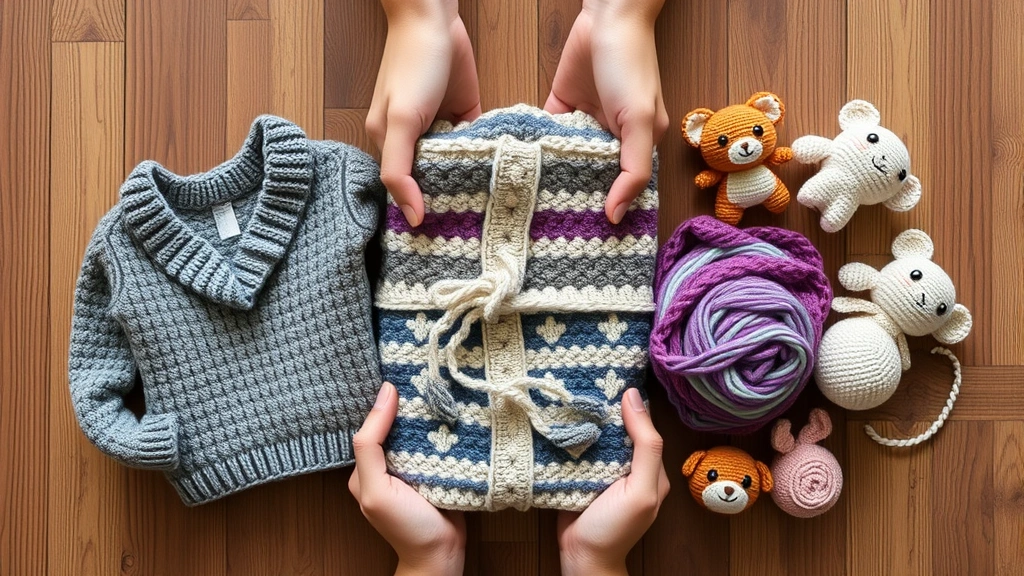
” alt=”Hands holding finished crochet projects in various colors and textures, displaying completed sweater, blanket, and amigurumi together”/>
Care and Maintenance Matters
This is something people don’t always think about when choosing yarn, but it matters so much for the longevity of your finished project.
Acrylic is basically indestructible. Throw it in the washing machine, dry it however you want, and it’ll be fine. It might pill a bit, but that’s about it.
Wool needs more care. Most wool should be hand-washed in cool water with wool-specific soap, then laid flat to dry. Some merino wool can go in the washing machine on a gentle cycle, but check the label. Wool can felt if it’s washed in hot water or agitated too much, which is either a disaster or an intentional design, depending on your goals.
Cotton can usually handle regular washing, but check the label. Some cotton blends have different requirements. Linen gets softer with washing, which is great.
Here’s the thing: if you’re making something that’ll be washed frequently, choose yarn that can handle that without requiring special care. A baby blanket in delicate wool that needs hand-washing is going to be a pain. A sturdy cotton or acrylic is so much more practical.
Also, consider pilling. Cheaper acrylics pill like crazy. Pilled items look tired and worn after a few washes. Mid-range and premium yarns pill much less. This is one of those quality differences that really shows over time.
FAQ
Can I substitute one yarn for another in a pattern?
Yes, but you need to match the weight and yardage. If you’re substituting, make sure the new yarn has similar fiber characteristics. A yarn substitution guide on the pattern or Ravelry can help. Test your gauge (the number of stitches and rows in a specific measurement) with the new yarn because different yarns of the same weight can have different gauges.
What’s the difference between yarn weight and thickness?
Yarn weight refers to the standardized categories (fingering, sport, worsted, etc.). Thickness is just how thick the yarn looks. Two yarns can be the same weight but different thicknesses if one is more loosely twisted than the other.
Is expensive yarn always better?
Not always. Expensive yarn is usually higher quality—softer, more durable, better colors—but the “best” yarn depends on your project and preferences. A $20 luxury yarn might be perfect for a sweater but overkill for a practice dishcloth.
How do I know if yarn will feel good against my skin?
Touch it in person if you can. If you’re buying online, read reviews on Ravelry or the retailer’s website. People are usually honest about how yarn feels. Also, research the fiber content—you probably already know if you like wool, acrylic, or cotton against your skin.
What’s the best yarn for beginners?
Worsted weight in a light, solid color. Avoid dark colors (hard to see stitches), fuzzy yarns (hard to see where to put your hook), and very thin or very thick yarns (less forgiving). A mid-range acrylic or wool blend is perfect—affordable enough that mistakes don’t hurt, and good enough quality that you’ll enjoy working with it. Check out resources like Yarnspirations for beginner-friendly patterns and yarn recommendations.
Should I buy yarn before I have a pattern?
Only if you’re pretty sure you’ll use it. It’s easy to fall in love with yarn and then have no idea what to make. I’ve definitely been guilty of this. If you do buy yarn without a pattern, make sure it’s versatile (neutral color, standard weight) so you have options.