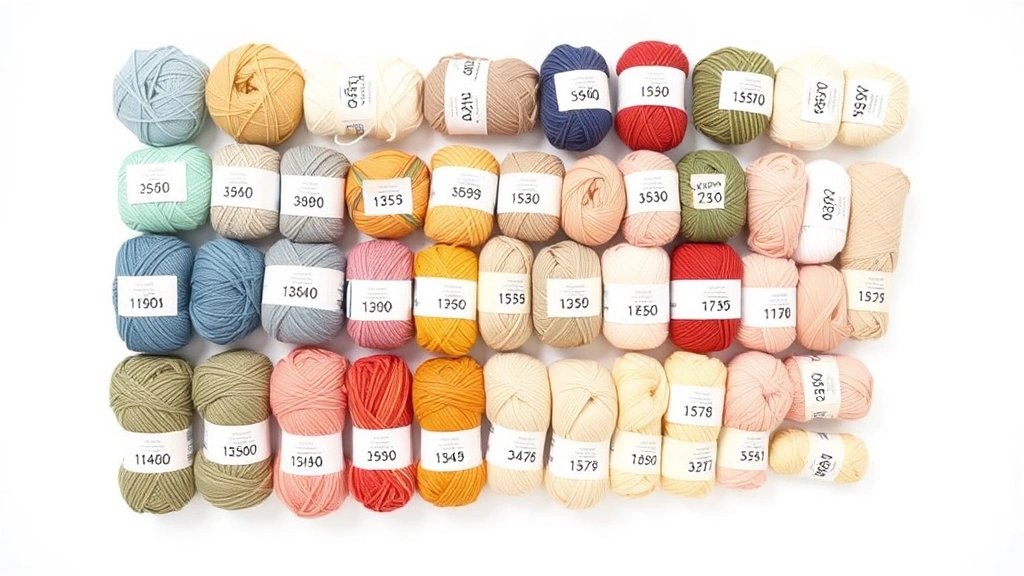
Last weekend, I was helping my friend Sarah with her first baby blanket when she asked me something that stopped me in my tracks: “How do I know when to use worsted weight versus DK yarn?” It’s such a fundamental question, yet I realized how confusing yarn weight can be when you’re starting out. She’d been struggling with a pattern that called for “medium weight yarn” and had no idea what that actually meant.
Here’s the thing – yarn weight isn’t about how much your skein weighs on a scale. It’s about the thickness of the individual strand, and understanding it will completely change how your projects turn out. Get it wrong, and your delicate lace shawl might look like a pot holder, or your cozy sweater could end up fitting like a tent.
I’ve been crocheting for over fifteen years, and I still remember the frustration of my early projects looking nothing like the pictures. Nine times out of ten, it was because I didn’t understand yarn weights. Once I figured this out, everything clicked into place – my gauge was more consistent, my projects looked professional, and I stopped wasting money on yarn that didn’t work for what I was making.
Quick Answer
Yarn weight refers to the thickness of the yarn strand, not its actual weight. The Craft Yarn Council standardized system uses numbers 0-7, from lace weight (finest) to jumbo (thickest), with corresponding hook sizes and typical uses for each category.
Understanding the Yarn Weight System
The Craft Yarn Council created a standardized system that uses numbers 0 through 7 to classify yarn weights. This system replaced the old confusing names that varied between manufacturers – you know, when one brand’s “sport weight” was another’s “DK weight.”
Each number corresponds to a specific thickness range and comes with recommended hook sizes and typical gauge ranges. For example, a weight 4 (worsted) yarn typically works with an H-8 (5mm) to J-10 (6mm) hook and produces about 14-18 stitches per 4 inches in single crochet.
But here’s what the charts don’t tell you – these are guidelines, not rules set in stone. I’ve used weight 3 yarn with a larger hook to create a drapier fabric, or gone down a hook size with weight 4 yarn to make a denser, warmer piece. The key is understanding what effect you’re trying to achieve.
Pro Tip: Always check both the weight number AND the yardage per weight of the skein. A 100g skein of worsted weight from one brand might have 190 yards, while another has 220 yards – that’s a significant difference in actual thickness.
The system also includes recommended needle sizes for knitting, but since we’re focusing on crochet here, pay attention to the hook size recommendations. These give you a starting point, but your personal tension and the specific look you want will determine your final hook choice.
Complete Guide to Each Weight Category
Weight 0: Lace (Fingering)
This is the finest yarn you’ll typically work with, usually requiring a size B-1 (2.25mm) to E-4 (3.5mm) hook. Lace weight yarn is perfect for delicate shawls, doilies, and summer tops where you want maximum drape and breathability.
I’ll be honest – lace weight can be frustrating for beginners. It’s easy to split, hard to see your stitches, and mistakes are more visible. But the finished results are absolutely stunning. If you’re new to lace weight, start with a simple pattern and good lighting.
Weight 1: Super Fine (Sport)
Sport weight yarn works with C-2 (2.75mm) to F-5 (3.75mm) hooks and is fantastic for baby items, lightweight sweaters, and detailed colorwork. It’s substantial enough that you can see your stitches clearly, but fine enough for intricate patterns.
This weight is particularly great for baby blankets because it creates a nice drape without being too heavy. I’ve made countless receiving blankets in sport weight – they wash beautifully and get softer with each use.
Weight 2: Fine (Baby/Sport)
Sometimes called baby yarn, this weight uses E-4 (3.5mm) to G-6 (4mm) hooks. It’s slightly thicker than sport weight but still creates a refined fabric. Perfect for children’s garments, lightweight afghans, and summer accessories.
Weight 3: Light (DK/Light Worsted)
DK (double knitting) weight is my go-to for so many projects. Using F-5 (3.75mm) to I-9 (5.5mm) hooks, it’s versatile enough for garments, accessories, and home decor. It works up faster than lighter weights but still has nice stitch definition.
This is an excellent weight for beginners because it’s substantial enough to see easily but not so thick that mistakes are glaringly obvious. Many sweater patterns use DK weight because it creates a nice drape without being bulky.
Weight 4: Medium (Worsted/Aran)
Worsted weight is probably what you think of as “regular” yarn. Using G-6 (4mm) to K-10.5 (6.5mm) hooks, it’s the most common weight you’ll find in craft stores. Lion Brand and Red Heart both make excellent worsted weight options.
This weight is perfect for afghans, winter accessories, and most garments. It works up relatively quickly and is forgiving of tension inconsistencies. If you’re just starting out, worsted weight is your friend.
Weight 5: Bulky (Chunky)
Bulky yarn uses J-10 (6mm) to M-13 (9mm) hooks and creates quick, cozy projects. Think winter scarves, thick blankets, and oversized sweaters. The trade-off is less stitch definition but maximum warmth and speed.
When working with chunky yarn patterns, pay extra attention to your hook size. Going too small creates a stiff fabric, while too large makes it loose and unstable.
Weight 6: Super Bulky
Super bulky yarn requires K-10.5 (6.5mm) to P-15 (10mm) hooks and creates incredibly quick projects. Perfect for thick winter accessories, rugs, and statement pieces. The downside is limited stitch definition and higher yarn costs per project.
Weight 7: Jumbo
The thickest standard weight, jumbo yarn uses M-13 (9mm) hooks and larger. These are specialty yarns for ultra-quick projects like arm-knit-style blankets or chunky home decor items.
| Weight | Name | Hook Size | Gauge (SC per 4″) | Best For |
|---|---|---|---|---|
| 0 | Lace | B-1 to E-4 | 32-42 sts | Shawls, doilies |
| 1 | Super Fine | C-2 to F-5 | 21-32 sts | Baby items, socks |
| 2 | Fine | E-4 to G-6 | 16-20 sts | Baby clothes, summer tops |
| 3 | Light (DK) | F-5 to I-9 | 12-17 sts | Light sweaters, accessories |
| 4 | Medium (Worsted) | G-6 to K-10.5 | 11-14 sts | Afghans, winter wear |
| 5 | Bulky | J-10 to M-13 | 8-11 sts | Quick scarves, thick blankets |
| 6 | Super Bulky | K-10.5 to P-15 | 5-9 sts | Rugs, ultra-warm accessories |
How to Choose the Right Weight for Your Project
Choosing the right yarn weight depends on three main factors: the intended use, the season, and the look you’re going for. Let me break this down with some real examples from my own project experience.
For dishcloths and washcloths, I always use worsted weight cotton. It’s substantial enough to be absorbent and durable, but not so thick that it becomes bulky. I learned this the hard way after making dishcloths with bulky yarn – they took forever to dry and felt like scrubbing with a sock.
When making baby items, I typically stick with sport to DK weight. Babies don’t need super warm items (they overheat easily), and finer yarns create softer textures against sensitive skin. Plus, lighter weight yarns wash and dry more easily – crucial for baby items.
For winter accessories like scarves and hats, worsted to bulky weights work best. They provide warmth and work up quickly enough that you won’t lose motivation halfway through. I’ve made lace weight scarves, and while they’re beautiful, they’re not practical for actual cold weather.
Consider Your Skill Level: Beginners should start with worsted weight yarn in light colors. Dark colors hide stitch definition, making it harder to see mistakes, while very fine or very thick yarns can be challenging to work with consistently.
Think about care requirements too. If you’re making something that needs frequent washing (like a baby blanket or kitchen items), choose a yarn weight that’s practical to launder. Super bulky items take forever to dry and can lose their shape more easily.
Why Gauge Matters More Than You Think
Here’s where yarn weight gets really important – gauge. Your gauge (how many stitches and rows you get per inch) determines the final size and drape of your project. Use the wrong yarn weight, and your gauge will be completely off.
I once made a sweater using DK weight yarn instead of the called-for worsted weight, thinking “it’s close enough.” The finished sweater was two sizes smaller than intended and had a completely different drape. I learned to always, always make a gauge swatch first.
When you’re following a pattern, the designer chose that specific yarn weight for a reason. They tested it, calculated the yardage, and designed the shaping based on how that weight behaves. Substituting a different weight isn’t impossible, but it requires math and often pattern adjustments.
For gauge swatches, crochet a 6-inch square using the recommended hook size and yarn weight. Measure your stitches per inch in the center of the swatch (edges can be distorted). If you have too many stitches per inch, go up a hook size. Too few? Go down a size.
Remember: It’s easier to adjust your hook size than to rip out an entire project that doesn’t fit.
Substituting Yarn Weights Successfully
Sometimes you need to substitute yarn weights – maybe the called-for weight is discontinued, or you have a beautiful yarn in a different weight that you’re dying to use. Here’s how to do it successfully.
The golden rule is to match gauge, not weight. If your substitute yarn creates the same gauge as the original (same stitches per inch), you can usually make it work, even if it’s technically a different weight category.
When substituting, you’ll also need to recalculate yardage. This is where math comes in handy. If the original pattern calls for 1000 yards of worsted weight, and your substitute DK weight has more yards per weight of skein, you might need more skeins to get the same yardage.
I keep a notebook with successful substitutions I’ve made. For example, I’ve found that using a sport weight yarn held double often works as a substitute for worsted weight, giving me more color options while maintaining the right gauge.
Common Successful Substitutions
- Two strands of sport weight = worsted weight
- DK weight with a larger hook = worsted weight gauge
- Worsted weight with a smaller hook = DK weight gauge
- Bulky weight with a larger hook = super bulky gauge
Always make a gauge swatch when substituting. The time you spend swatching will save you hours of potential rework later.
Common Mistakes and How to Avoid Them
Let me share the most common yarn weight mistakes I see (and have made myself) so you can avoid them.
Mistake #1: Assuming All Worsted Weights Are the Same
Not all worsted weight yarns are created equal. Some run thinner, some thicker. Ravelry is an excellent resource for checking how different yarns actually measure up – users often note if a yarn runs thick or thin for its stated weight.
Mistake #2: Ignoring Fiber Content
A worsted weight cotton behaves very differently from a worsted weight wool or acrylic. Cotton has no stretch and can be heavier, while wool has bounce and warmth. Acrylic is lightweight but can be less breathable. Consider both weight and fiber content for your project.
Mistake #3: Not Buying Enough Yarn
When you substitute yarn weights, you might need different yardage than the pattern states. Always buy extra – it’s better to have too much than to run out and not be able to match the dye lot.
Mistake #4: Choosing Weight Based on Speed Alone
Yes, bulky yarn works up faster, but it’s not always the right choice. I’ve seen too many beginners choose chunky yarn for everything because they want quick results, then wonder why their projects look amateur. The right yarn weight for the project will always look better than the fastest option.
Dye Lot Reality Check: Buy all your yarn at once when possible. Dye lots can vary significantly, even in the same color, and the difference becomes obvious in your finished project.
Reading Yarn Labels Like a Pro
Yarn labels contain a wealth of information beyond just the weight number. Learning to read them properly will make you a more successful crocheter.
Look for the weight symbol (a skein with a number) – this is your primary guide. But also check the yardage per weight. A 100g skein of one brand’s worsted might have 190 yards, while another has 220 yards. That 30-yard difference means the second yarn is actually thinner.
The recommended hook size on the label is a starting point, not a mandate. I often use different hook sizes depending on the fabric I want to create. For a drapier fabric, I’ll go up a size or two. For a denser, warmer fabric, I’ll go down.
Pay attention to care instructions too. Some yarns require hand washing, others are machine washable. If you’re making something for a busy parent, machine washable is probably essential, regardless of how beautiful that hand-wash-only yarn is.
The fiber content affects how the yarn behaves. Cotton doesn’t stretch and can be heavy when wet. Wool is warm and has natural stretch. Acrylic is easy care but can pill. Blends try to combine the best properties of different fibers.
Keep yarn labels until your project is complete. You’ll need the care instructions, and if you need more yarn, the label has all the information for matching dye lots.
Common Questions
Can I use a different yarn weight than what the pattern calls for?
You can, but you’ll need to adjust your approach. The most important thing is matching gauge – if your substitute yarn creates the same stitches per inch as the original, you can make it work. You’ll likely need to recalculate yardage requirements and possibly adjust hook sizes. Always make a gauge swatch first to test your substitution.
Why do my projects look different from the pattern photos?
Nine times out of ten, this comes down to yarn weight and gauge. Even if you’re using the “right” weight category, different brands can vary in actual thickness. Your tension might also be different from the pattern designer’s. Make a gauge swatch and adjust your hook size until your gauge matches the pattern’s specifications.
How much yarn do I need for a baby blanket?
For a standard 30″ x 36″ baby blanket, you’ll typically need 1200-1500 yards of worsted weight yarn, 1500-1800 yards of DK weight, or 900-1200 yards of bulky weight. These are estimates – complex stitch patterns use more yarn than simple ones. Always buy extra, especially if you’re new to reading patterns.
What’s the difference between DK and worsted weight?
DK (double knitting) weight is thinner than worsted weight. DK typically uses F-5 to I-9 hooks and creates 12-17 stitches per 4 inches, while worsted uses G-6 to K-10.5 hooks and creates 11-14 stitches per 4 inches. DK creates a lighter, more drapey fabric, while worsted is more substantial and warmer.
Can I hold two strands of thinner yarn together?
Absolutely! Holding two strands of sport weight together often works as a worsted weight substitute. This technique gives you more color options and can create interesting color effects. Just make sure to maintain consistent tension with both strands, and always make a gauge swatch to confirm your stitch count.
Why does my yarn split when I crochet?
Yarn splitting usually happens with loosely twisted yarns or when your hook is catching individual plies instead of going through the whole strand. Try a hook with a smoother surface, work more slowly, or switch to a different yarn. Some yarns are just more prone to splitting – it’s not necessarily your technique.
How do I know if a yarn runs thick or thin for its weight?
Check the yardage per weight of the skein. More yardage means thinner yarn, less yardage means thicker. For example, if most worsted weight yarns give you about 190-220 yards per 100g, but one gives you 160 yards, that yarn runs thick for its weight category.
What yarn weight is best for beginners?
Worsted weight (weight 4) is ideal for beginners. It’s substantial enough to see your stitches clearly, forgiving of tension inconsistencies, widely available, and works up at a reasonable pace. Choose light colors initially – dark yarns make it harder to see your stitches and spot mistakes.
Understanding yarn weights might seem overwhelming at first, but once you get the hang of it, it becomes second nature. You’ll start automatically reaching for the right weight for each project, and your finished pieces will look more professional and fit better.
The key is to start with the basics – stick to the recommended weights when you’re learning, make gauge swatches, and don’t be afraid to experiment once you’re comfortable. Every experienced crocheter has a box of “learning experience” projects that didn’t turn out quite right, and that’s perfectly normal.
Remember, the yarn weight system exists to help you, not limit you. Once you understand how different weights behave, you can make informed decisions about when to follow the rules and when to break them creatively. Happy crocheting!