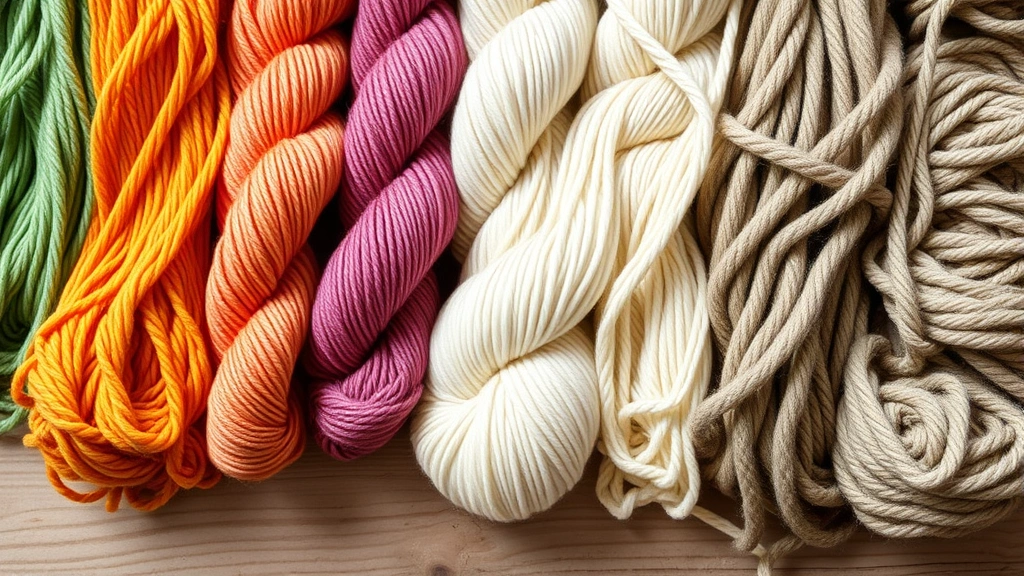
Choosing the Right Yarn for Your Crochet Projects
Hey, let’s be real—standing in front of a wall of yarn at your local craft store can feel completely overwhelming. There are so many colors, textures, weights, and fiber contents to choose from. You might be holding up a skein of gorgeous merino wool in one hand and a practical acrylic blend in the other, wondering which one will actually work for that blanket you’re dreaming about. I’ve been there, and honestly, I still sometimes stand there for way too long just squeezing yarn and reading labels.
The good news? Choosing the right yarn doesn’t have to be stressful or complicated. It’s actually one of the most fun parts of crochet planning if you know what to look for. Whether you’re making your first beginner crochet project or you’re working on something more ambitious, understanding yarn basics will save you time, money, and a lot of frustration down the road. Let’s walk through this together so you can feel confident grabbing that perfect yarn and getting to the good stuff—the actual crocheting.
Understanding Yarn Weight and Thickness
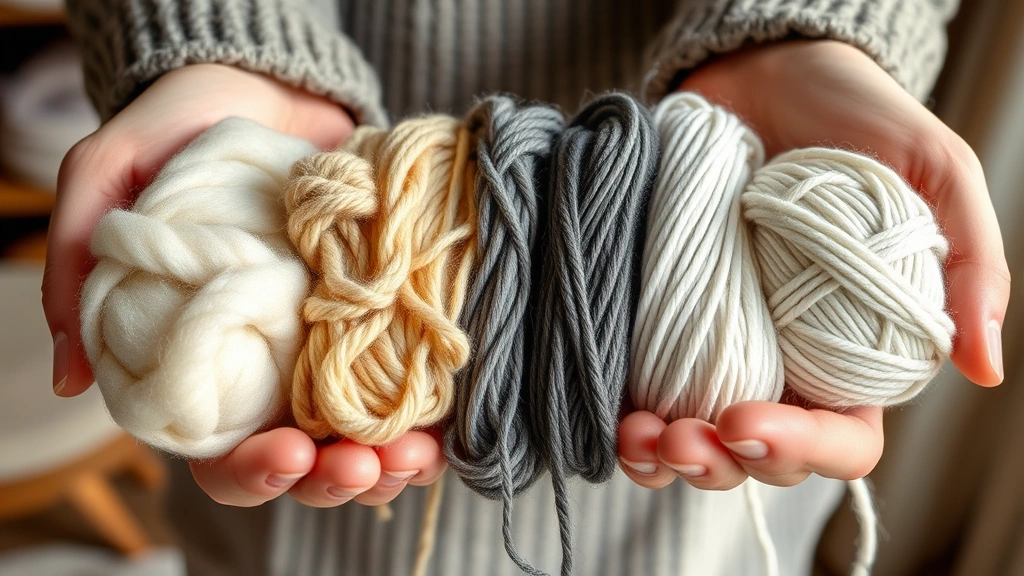
Okay, so the first thing you need to know is that yarn weight has nothing to do with how heavy the yarn actually is—it’s about the thickness. The Craft Yarn Council standardizes yarn weights on a scale from 0 (lace) to 7 (jumbo), and this number tells you everything about how your finished project will drape, how warm it’ll be, and how quickly you’ll finish it.
Let me break down the most common weights you’ll encounter:
- Fingering (Weight 1): This is thin, delicate yarn perfect for intricate lacework and detailed advanced crochet stitches. It takes patience and time, but the results are absolutely stunning. Think of those gorgeous doilies or lightweight shawls.
- Sport/DK (Weight 2-3): These are your sweet spot for many projects. They work up faster than fingering but still give you good stitch definition. Great for baby items, shawls, and sweaters that actually drape nicely.
- Worsted/Aran (Weight 4): This is probably the most popular weight, and honestly, it’s the most forgiving for beginners. It shows off your stitches without being too chunky, and projects finish in a reasonable timeframe.
- Bulky/Chunky (Weight 5-6): These are speedy—you’ll finish a blanket in a weekend kind of fast. Perfect when you want instant gratification or you’re making something cozy and warm.
- Jumbo (Weight 7): The big guns. These are super chunky and work up incredibly fast, but they’re not ideal for detailed stitch work.
Here’s the real talk: when you’re picking a pattern, the yarn weight recommendation isn’t just a suggestion. Using a thinner yarn than recommended will make your project tighter and denser; using thicker yarn will make it looser and more open. Both can be disasters depending on what you’re making. For a sweater, you want the right drape. For a blanket, you might be okay with variations, but for amigurumi or structured pieces, stick to what the pattern says.
Fiber Content: What It Means for Your Project
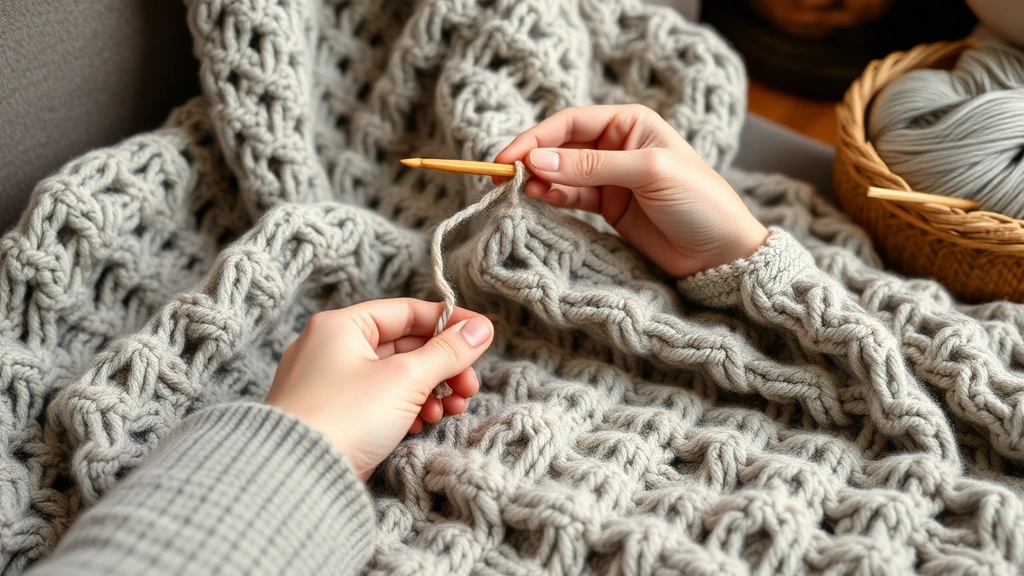
This is where things get personal because fiber content affects how your finished project feels, how it wears, how it washes, and honestly, how much you’ll enjoy working with it. Let me walk you through the main players:
Acrylic: Look, acrylic gets a bad rap from some crocheters, but it’s practical and honestly underrated. It’s affordable, durable, comes in a million colors, and it doesn’t require special care. It’s also hypoallergenic, which matters for people with wool sensitivities. The downside? It doesn’t breathe as well as natural fibers, and it can pill with wear. But for blankets, amigurumi, and projects where durability matters more than breathability, acrylic is your friend. Brands like Lion Brand make excellent acrylic yarns that feel way better than they used to.
Wool: Real wool is warm, elastic, and has this beautiful bounce that makes stitches look crisp and defined. Merino wool is softer than traditional wool and less itchy. The trade-off? It’s more expensive, it needs careful washing, and it can felt if you’re not careful. Wool is gorgeous for sweaters and wearables where you want that perfect fit and drape.
Cotton: Perfect for summer projects, dishcloths, and anything you want to be breathable. Cotton is strong, washable, and holds its shape beautifully. It can feel a bit stiff while you’re working with it, but the finished projects are wonderful. Fair warning: cotton doesn’t have the stretch of wool, so your tension needs to be more consistent.
Blends: Here’s where it gets interesting. A wool-acrylic blend gives you the best of both worlds—the elasticity and feel of wool with the durability and affordability of acrylic. Cotton-acrylic blends are easier to care for than pure cotton while keeping that breathable quality. Experiment with blends because they often hit the sweet spot for what you’re making.
Calculating Yardage and Project Length
This is crucial, and honestly, it’s where people run into trouble. You can’t just grab a yarn because it’s pretty—you need to make sure you have enough yardage to complete your project.
Every pattern will tell you how much yardage you need, and this is listed separately from weight. A skein might be labeled as “Worsted Weight, 220 yards.” That 220 yards is what matters for your project planning. Here’s the step-by-step breakdown:
- Find your pattern’s yardage requirement. Let’s say you’re making a blanket that needs 2,000 yards.
- Check how much yardage each skein has. If each skein is 220 yards, you’d need roughly 9-10 skeins (2,000 ÷ 220 = 9.09).
- Always round up and buy one extra. Seriously. You’ll use more yarn than you think, and running short near the end is heartbreaking. Plus, you might want to add a border or adjust the size.
- Check dye lots. This matters more than people realize. Yarn dyed in different batches can have slightly different colors. If you’re buying multiple skeins, try to get them all from the same dye lot so your colors match perfectly.
Pro tip: if you’re working on a long-term project like a sweater, buy all your yarn at once. Yarn gets discontinued, and even the same color can vary if you buy it weeks apart. Also, keep your yarn bands—they have all the care instructions and information you’ll need later.
Texture and Finish: The Feel Factor
Okay, this is where personal preference really comes into play. Beyond weight and fiber, yarn has texture and finish that changes how it looks and feels in your hands.
Smooth vs. textured: Smooth yarns show off your stitches beautifully and are perfect for intricate stitch patterns. Textured yarns like boucle or chenille hide imperfections and create interesting visual effects, but they can also hide the beauty of detailed stitchwork. For beginner crochet work, smooth yarn actually helps you see what you’re doing better.
Plied vs. single: Plied yarn (twisted together from multiple strands) is stronger and more durable. Single-strand yarn can be delicate and prone to splitting, which is annoying when you’re trying to insert your hook. Most yarns you’ll encounter are at least 2-ply, which is fine.
Fuzzy or hairy yarns: Eyelash yarn, mohair, and other fuzzy options create gorgeous, soft finished projects, but they’re genuinely difficult to work with. You can’t see your stitches, and if you make a mistake, frogging (ripping back) is a nightmare. Save these for when you’re more confident.
Best Yarn Choices for Beginner Projects
If you’re just starting out, I’m going to give you the real advice: pick a worsted-weight, smooth, light-colored acrylic or acrylic blend yarn. I know it might not sound glamorous, but here’s why it works:
Light colors let you actually see your stitches so you can tell if you’re doing them correctly. Worsted weight works up fast enough that you feel progress without taking forever. Smooth yarn shows your stitch definition clearly. And acrylic is forgiving—if you mess up, frogging is easy, and you won’t feel bad practicing on it.
Specific recommendations: Lion Brand Vanna’s Choice is an absolute classic for beginners and costs around $3-5 per skein. Caron Simply Soft is another solid choice. Once you feel confident with your basic stitches, then start experimenting with fancier fibers and textures.
For your first project, make a dishcloth or a small blanket. These teach you tension, consistent stitches, and how to handle yarn without the pressure of making something wearable. Check out Ravelry—it’s basically the social network for fiber artists, and you can filter patterns by difficulty, yarn weight, and project type.
Yarn Selection for Advanced Techniques
Once you’ve got the basics down and you’re ready to tackle more complex work, yarn selection becomes even more important. When you’re doing lace crochet or colorwork, your yarn choice directly impacts how beautiful the finished piece is.
For lace patterns, you want yarn with good stitch definition. Fingering or sport weight in wool or a wool blend is ideal because the elasticity shows off the openwork beautifully. The delicate nature of lace demands yarn that’s consistent and doesn’t have a lot of texture hiding your hard work.
For colorwork and tapestry crochet, smooth yarn is essential. You need to see exactly where you’re carrying colors and switching them. Acrylic actually works great here because it holds its shape and the colors stay vibrant.
If you’re making fitted garments, consider the fiber’s stretch and recovery. Wool and merino have natural elasticity that makes fitted sweaters actually fit. Acrylic doesn’t stretch as much, so if you’re making something fitted, you might need to size down slightly.
Budget-Friendly Yarn Without Sacrificing Quality
Real talk: yarn can get expensive, especially if you’re making large projects. But you don’t have to spend a fortune to make beautiful things. Here’s how I approach budgeting:
Shop sales and clearance sections. Craft stores always have yarn on clearance, especially seasonal items. Just because it’s not the color of the moment doesn’t mean it’s not gorgeous.
Buy in bulk from online retailers. Websites like WEBS and Yarnspirations often have better prices than local stores, plus they have sales.
Check yarn substitution options. Not every pattern requires expensive yarn. If a pattern calls for a $12 skein of merino, check if there’s a worsted-weight acrylic blend that would work. The finished project might look slightly different, but it can still be beautiful.
Invest in quality for wearables, save on blankets. If you’re making something you’ll wear, it’s worth spending a bit more on yarn that feels good and wears well. For blankets and home items, acrylic is perfectly fine and saves you money.
Join fiber arts communities. Local crochet groups and guilds often have yarn swaps where you can trade yarn you’re not using. Plus, you get the bonus of having people to ask for advice.
FAQ
What’s the difference between yarn weight and yarn thickness?
Great question! Yarn weight is a standardized system (0-7) that tells you the thickness. Weight 4 (worsted) is always roughly the same thickness whether you buy it from different brands. Thickness is just the physical diameter of the yarn. They’re basically the same thing—weight is the standardized way of measuring thickness.
Can I substitute yarn in a pattern?
You can, but carefully. If you’re substituting, make sure the yardage is similar and the weight is the same or very close. Do a gauge swatch first. Substituting a thinner yarn will make your project smaller and denser; a thicker yarn will make it larger and looser. For blankets and scarves, you have more flexibility. For fitted garments, stick closer to the original.
How do I know if yarn is good quality?
Feel it in your hands. Good yarn has consistent thickness, no thin spots, and feels pleasant to touch. Read reviews on Ravelry—crocheters are honest about yarn quality. Check the fiber content and care instructions. If yarn is significantly cheaper than similar brands, there might be a reason.
Should I always buy the exact yarn a pattern calls for?
Not always, but especially when you’re learning, it helps. Once you understand how different yarns behave, you can confidently substitute. For your first projects, matching the yarn weight and fiber type is your safest bet.
How do I prevent my yarn from getting ratty while I’m working?
Use a yarn bowl or a small cup with a hole poked in it to contain your yarn. This keeps tension consistent and prevents the yarn from rolling all over the place. Also, wash your hands before crocheting—oils and dirt can build up on yarn, making it look dingy.