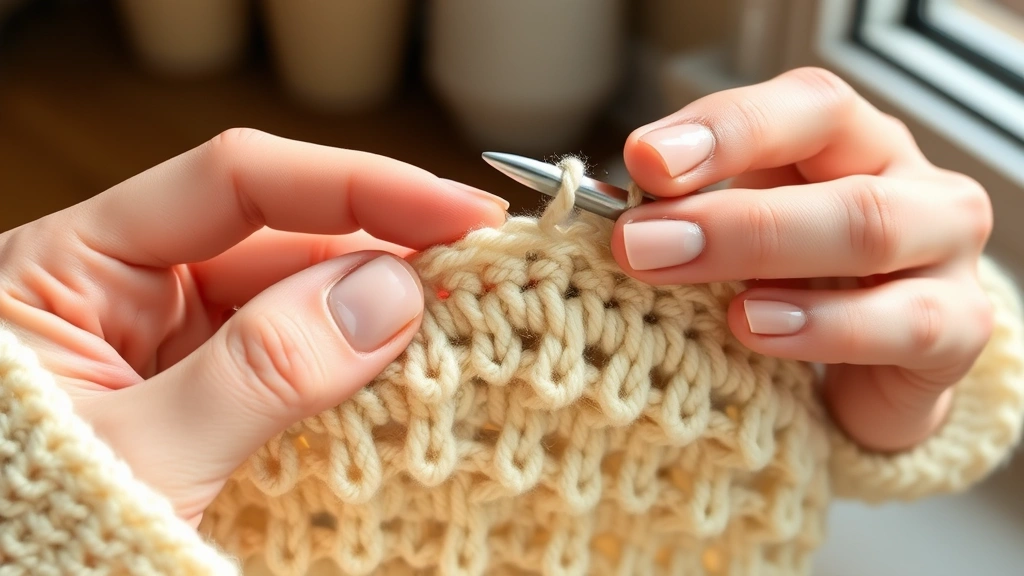
Finding Your Perfect Crochet Yarn: A Complete Guide to Fiber Types, Weights, and Projects
You know that feeling when you’re standing in front of a wall of yarn at your local craft store, and you just… freeze? There are so many colors, textures, and labels that it’s hard to know where to even start. I get it. I’ve been there too, holding up three different skeins and wondering if the difference between “worsted weight” and “bulky” really matters for that blanket you’re planning to make.
Here’s the thing though: choosing the right yarn doesn’t have to be complicated or stressful. It’s actually one of the most fun parts of starting a new crochet project, once you understand what you’re looking for. Whether you’re crocheting a delicate amigurumi, a cozy sweater, or a chunky throw blanket, the yarn you pick will make or break how much you enjoy the process and how happy you are with the finished piece.
In this guide, I’m going to walk you through everything you need to know about crochet yarn—from fiber content and weight to how to read those mysterious labels and match yarn to your projects. By the end, you’ll feel confident picking yarn that’ll make your projects sing.
Understanding Fiber Content
Let’s start with the basics: what your yarn is actually made from. This matters way more than you might think, because fiber content affects how your finished project will feel, wear, and behave while you’re working with it.
Acrylic yarn is probably what you’ve worked with if you’re new to crochet. It’s affordable, durable, comes in basically every color imaginable, and honestly? It’s great for learning. Acrylic doesn’t require special care, it’s easy on your hands and wrists, and it won’t break the bank if you make mistakes. Brands like Lion Brand and Red Heart make solid acrylic options that work beautifully for amigurumi, blankets, and even wearables.
Cotton yarn is my go-to when I’m making something for warm weather or anything that’ll get a lot of washing. It’s breathable, soft against skin, and gets softer the more you wash it. The downside? Cotton can feel a bit stiff when you’re first working with it, and it doesn’t have as much stretch as wool or acrylic. It’s perfect for baby clothes, kitchen dishcloths, and summer tops though.
Wool is where things get luxurious. It’s warm, bouncy, forgiving when you need to frog (rip back) your work, and has natural elasticity that helps your stitches stay even. The catch is that wool requires more care—hand washing usually, and you’ve got to be careful about felting. It’s also pricier than acrylic. But if you’re making a sweater or a cozy cardigan, wool might be worth every penny.
Wool blends are honestly my favorite compromise. You get some of that wool magic—the warmth, the bounce, the durability—without the full commitment or cost. A wool-acrylic blend gives you the best of both worlds: easier care than pure wool, but better feel and performance than straight acrylic.
Specialty fibers like bamboo, linen, alpaca, and mohair exist too. Bamboo is silky and drapes beautifully. Alpaca is impossibly soft but needs gentle handling. Linen is sturdy and perfect for structured pieces. These are fun to experiment with once you’ve got some basics under your belt, but they’re typically pricier and sometimes trickier to work with.
Here’s my real talk: matching yarn to your project is where fiber content becomes super important. You wouldn’t use scratchy wool for a baby blanket, and you probably wouldn’t use delicate bamboo for a durable floor mat. Think about how the finished piece will be used and cared for, and pick your fiber accordingly.
Yarn Weight and Hook Size
Yarn weight is basically the thickness of the yarn strand, and it’s one of the most important things to understand when you’re starting a project. The Craft and Hobby Association (now part of the Yarn Standards organization) has standardized yarn weights into categories, and they’re usually shown as numbers or names on yarn labels.
Lace and fingering weight (0-1) are the thinnest options. They create delicate, intricate work and require tiny hooks—usually US size 0-3. These are beautiful for doilies and shawls, but they take patience and good lighting. I’d skip these if you’re a beginner; they can be frustrating.
Sport and DK weight (2-3) are lighter and more delicate than worsted, but way easier to work with than fingering. They’re great for baby items, lightweight garments, and detailed stitch patterns. You’ll typically use hooks in the US 3-6 range.
Worsted weight (4) is the sweet spot for a lot of crocheters. It’s thick enough that projects work up relatively quickly, but thin enough that you’ve got good stitch definition. Most classic crochet patterns you’ll find are written for worsted weight. Hooks usually fall in the US 7-9 range. This is where I’d recommend starting if you’re new.
Bulky and super bulky (5-6) are the chunky options. They work up fast—like, shockingly fast—which is satisfying when you want to see quick results. Bulky weight is perfect for cozy blankets, chunky scarves, and those trendy oversized projects. The trade-off is that stitch definition can get lost, and you’ve got less room for intricate patterns. Hooks are usually US 9-11 or bigger.
Here’s something important: always check the yarn label for the recommended hook size. It’ll usually show a range (like “US 7-9”), and that’s your starting point. The hook size affects your gauge—how many stitches and rows you get per inch—which affects the final size of your project.
If you’re using a hook that’s too small, your stitches will be tight and dense, and your hands might hurt. Too big, and your work gets loose and floppy. I usually start with the middle of the recommended range and make a gauge swatch before diving into a big project. Yeah, I know gauge swatches feel tedious, but trust me—they save you from heartbreak later.
Reading Yarn Labels Like a Pro
Yarn labels are packed with useful information, but they can look like a foreign language if you don’t know what you’re looking at. Let me decode this for you.
The fiber content is usually at the top. It’ll tell you the percentage breakdown—like “60% wool, 40% acrylic.” This matters for care and how the yarn will behave.
The weight category is marked with a number and usually a name. This tells you the thickness and helps you pick the right hook size.
The recommended hook size is shown as a range. Sometimes it’s US sizes, sometimes metric. (If you need to convert, US 7 is about 4.5mm, US 8 is 5mm, and so on.)
The yardage or meterage is crucial. This tells you how much yarn is in the skein or ball. A 100-yard skein of bulky weight goes way faster than a 100-yard skein of fingering weight. Always check yardage, not just weight in grams, when you’re figuring out if you have enough yarn for a project.
Care instructions are right there on the label. Hand wash? Machine wash? Can you bleach it? Can it go in the dryer? Pay attention to these, especially if you’re making something for a baby or someone with sensitive skin.
The dye lot is a number that indicates which batch the yarn came from. Colors can vary slightly between dye lots, so if you’re buying yarn for a big project, grab all your skeins from the same dye lot. Nothing’s worse than finishing a blanket and realizing the last few rows are a slightly different shade.
Some labels also show yardage per weight (like yards per 100g), which helps you compare value between different brands. A 200-yard skein in one brand might cost the same as a 220-yard skein in another—knowing the per-unit cost helps you make smart decisions.
Matching Yarn to Your Project
This is where everything comes together. You’ve got a pattern you love, and now you need to pick yarn that’ll actually work for it.
Check the pattern first. Good patterns tell you the fiber content, weight, and yardage they used. This is your baseline. If the pattern calls for worsted weight wool and you want to use something else, you need to understand how that’ll change things.
Match the weight. This is non-negotiable. If a pattern is written for worsted weight and you use bulky instead, your gauge will be off, and your finished project will be the wrong size. You can substitute different fibers (like using acrylic instead of wool), but keep the weight the same unless you really know what you’re doing.
When you’re doing yarn weight research, remember that the same weight from different brands can feel slightly different. One bulky from Brand A might feel thicker than another brand’s bulky. This is why gauge swatches matter—they let you check before committing to a whole project.
Consider the finished use. Making a blanket for a newborn? Go with soft cotton or a cotton blend. Making a sturdy tote bag? Acrylic or cotton will hold up better than a delicate wool blend. Making a cozy winter sweater? Wool or a wool blend is going to be warmer and more durable than acrylic.
Think about care. If you’re making something for someone who’s not going to hand wash it, don’t use a fiber that requires hand washing. I’ve seen beautiful projects get ruined because someone threw them in the wash without thinking.
For budget-friendly approaches, you might consider using acrylic for practice projects and saving the good wool for pieces you really love. There’s absolutely nothing wrong with that—it’s actually smart.
Budget-Friendly Yarn Choices
Let’s be real: yarn can get expensive, especially if you’re making multiple projects or working with luxury fibers. But there are ways to keep costs down without sacrificing quality.
Buy acrylic for learning. If you’re still figuring out your tension, working on new stitches, or practicing patterns, acrylic is your friend. It’s affordable enough that mistakes don’t feel like financial disasters, and Lion Brand and Red Heart make genuinely nice acrylic these days.
Shop sales and stock up. Craft stores run sales constantly. If you see a yarn you love at a good price, grab a few extra skeins. You’ll use them eventually, and you’ll be glad you have them when you find a pattern that’s perfect.
Check out online marketplaces. Ravelry isn’t just for patterns—you can find deals and connect with other crocheters. Local Facebook groups and Etsy shops sometimes have yarn at better prices than big retailers.
Consider yarn weight strategically. Bulky weight works up faster, which means you use less yarn overall. If you’re making a blanket, bulky can be more budget-friendly than worsted, even if the per-skein price is similar. You’ll just need fewer skeins.
Blend fibers creatively. Some crocheters hold two thinner yarns together to create custom blends. You could hold a thinner acrylic with a thin wool to get a blend that’s cheaper than buying a wool blend, and you control the ratio. This takes some experimenting, but it’s a fun way to stretch your budget.
Buy in bulk. If you find a yarn you love, buying 10 skeins at once is often cheaper per skein than buying one or two. You’ll want to use that yarn eventually anyway.
Here’s the thing: free patterns exist everywhere, and most of them will work with budget-friendly yarns. You don’t need to spend a fortune to make beautiful things.
Care and Maintenance
Choosing the right yarn is one thing, but keeping your finished projects beautiful is another. The care instructions on the yarn label are there for a reason.
Hand wash delicate fibers. Wool, alpaca, and other animal fibers usually need hand washing. Use cool water, a gentle soap (there are special wool soaps, but baby shampoo works too), and squeeze gently. Don’t wring or twist. Lay flat to dry.
Machine wash acrylic and cotton. Most acrylics and cottons can go in the washing machine on a gentle cycle with cold water. I usually put them in a mesh bag to protect them from getting snagged. Dry on low heat or lay flat.
Watch for pilling. Some yarns—especially acrylic—can pill (develop little fuzzy balls on the surface) with wear. This is normal and doesn’t mean your yarn is bad quality. You can carefully pick off pills with your fingers or use a fabric comb or pill remover.
Store properly. Keep yarn in a cool, dry place away from direct sunlight. Moisture and sun can fade colors and weaken fibers. I keep mine in clear storage bins so I can see what I have without opening everything up.
Protect from pests. Moths love yarn. If you’re storing yarn for a while, consider using cedar blocks or lavender sachets to keep pests away. Some people use airtight containers too.
The care instructions are worth taking seriously because they directly affect how long your projects last. A sweater you spend 40 hours on deserves to be treated right, you know?
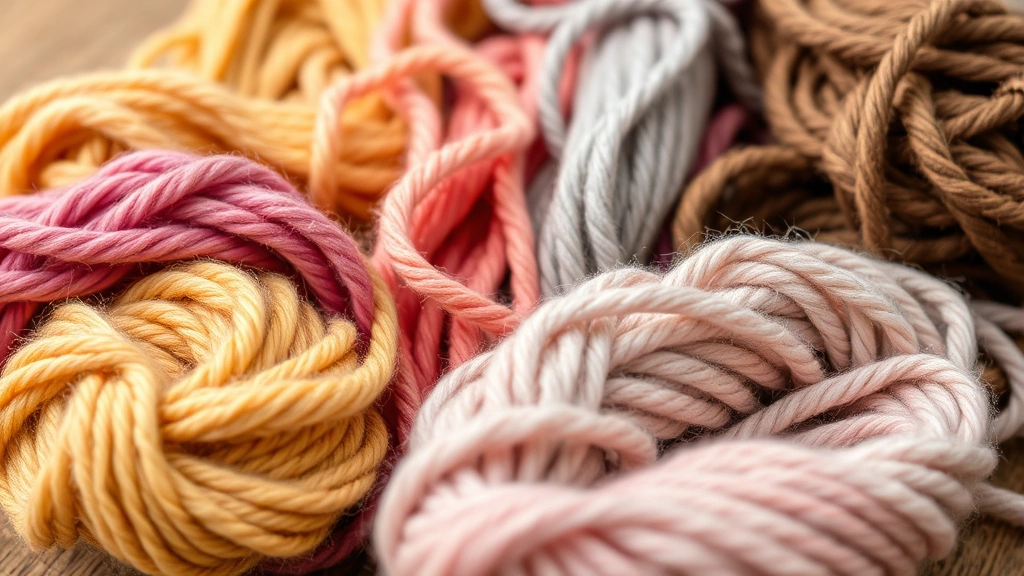
” alt=”Close-up of colorful yarn skeins in various textures and weights, showing different fiber types and yarn thicknesses arranged together” style=”width: 100%; max-width: 600px; height: auto;”>
FAQ
Can I substitute yarn in a pattern?
Yes, but with caution. You can substitute different fibers (like using acrylic instead of wool) as long as you match the weight. You might need to adjust yardage if the weights have different yardage-per-weight ratios. Always make a gauge swatch first.
What’s the difference between yarn and thread?
Yarn is thicker and is what you use for crochet. Thread is thinner and is typically used for sewing or very fine crochet work. They’re different products, so don’t try to use sewing thread for crochet projects.
Why is my yarn so itchy?
It could be the fiber content (some people are sensitive to certain wools), or it could be your tension. Tight tension can make yarn feel scratchy. Try loosening up and see if that helps. You can also look for softer fibers like merino wool or alpaca blends.
How much yarn do I actually need?
Always check the pattern—it’ll tell you the yardage required. If you’re creating your own project, calculate based on the finished size and stitch pattern. A general rule: blankets need a lot of yardage, baby items less, and wearables fall somewhere in between. When in doubt, buy more than you think you need.
Is expensive yarn always better?
Not necessarily. Expensive yarn might feel luxurious, but that doesn’t mean it’s the right choice for every project. A budget acrylic can be perfect for a blanket you want to be durable, while a pricey merino might be better for a delicate shawl. Match the yarn to the project, not just to the price tag.
Can I use yarn that’s been sitting around for years?
Usually yes, as long as it’s been stored properly. Yarn doesn’t really go bad. Check that it hasn’t been damaged by moths or moisture, and you’re good to go. Vintage yarn can be beautiful and interesting.
What’s the best yarn for beginners?
Worsted weight acrylic in a light color. It’s affordable, easy to work with, doesn’t require special care, and light colors make it easier to see your stitches. Lion Brand Vanna’s Choice is a classic beginner-friendly choice.
Pro tip: Check out Craftsy and Yarnspirations for free video tutorials on yarn selection and crochet techniques. The Crochet Guild of America also has resources for finding local groups and events.