Choosing the Right Yarn Weight for Your Crochet Projects
There’s nothing quite like that moment when you find the perfect yarn for a project. You’re standing in the yarn shop (or scrolling through an online catalog), running your fingers over different textures, and suddenly something just clicks. But here’s the thing—and I’m saying this as someone who’s been there—picking yarn weight isn’t just about what feels nice in your hands or what color catches your eye. It’s about understanding what your project actually needs, and honestly, that knowledge can totally transform your crochet experience.
When I first started crocheting, I didn’t really think much about yarn weight. I’d see a cute pattern, grab whatever yarn looked good, and then wonder why my finished project looked nothing like the picture. Turns out, yarn weight matters way more than I realized. It affects everything—how fast your project works up, what kind of drape it’ll have, how warm it’ll be, and whether you’re going to end up frustrated or genuinely proud of what you’ve made. The good news? Once you understand the basics, choosing yarn becomes so much easier and actually kind of fun.
Understanding Yarn Weight Categories
Let’s start with the basics, because understanding what yarn weight actually means will change everything about how you approach your projects. Yarn weight refers to the thickness of the yarn strand, and it’s measured by how many yards of yarn you get per pound. Thicker yarns have fewer yards per pound, while thinner yarns have more yards per pound. This matters because it directly impacts your gauge, your project timeline, and how your finished piece will look and feel.
The Craft Yarn Council established a standardized system that’s used throughout the industry, and it’s a lifesaver because it means you can actually compare yarns from different brands and manufacturers. Instead of just seeing “worsted” or “sport,” you now see numbers and names that tell you exactly what you’re working with. This system uses numbers 0 through 7, starting with lace-weight (the thinnest) and going all the way up to jumbo (the thickest). Each category has specific characteristics, and knowing these helps you make smart decisions about what yarn will actually work for your project.
Here’s what’s really important to understand: just because a yarn is labeled as a certain weight doesn’t mean it’ll work the same way in every project. Fiber content, twist, and construction all play a role. A fingering-weight merino wool will behave differently than a fingering-weight cotton, even though they’re technically the same weight category. That’s why it’s worth reading pattern reviews and checking what other crocheters have used—real-world experience is invaluable.
The Standard Yarn Weight Chart
Let me break down each weight category so you’ve got a clear reference guide. This is the system that’s become the industry standard, and once you memorize these, shopping becomes so much easier.
0 – Lace Weight: This is the thinnest yarn you’ll typically encounter. We’re talking delicate, intricate work here. Lace weight creates beautiful, flowing garments and stunning shawls, but it requires patience and close attention to your stitches. You’ll get around 400+ yards per ounce. Projects made with lace weight are gorgeous but take a significant time commitment. If you love detailed work and don’t mind needles taking weeks or even months, this is your jam.
1 – Super Fine/Fingering Weight: Still quite thin, but much more workable than lace weight. You’ll typically get 350-400 yards per ounce. Fingering weight is perfect for delicate socks, lightweight shawls, and garments that need beautiful drape. Many sock patterns specifically call for fingering weight because of how it works up. It’s a favorite among experienced crocheters who want something portable and quick-ish.
2 – Fine/Sport Weight: We’re getting into territory that feels more manageable. Sport weight gives you around 300-350 yards per ounce and works up faster than fingering weight while still creating nice detail. It’s fantastic for baby items, lightweight garments, and anything where you want some structure but not too much weight. I personally love sport weight for summer tops because it’s warm enough for layering but not heavy.
3 – Light Worsted/DK Weight: Now we’re talking about one of the most versatile weights available. DK weight gives you approximately 250-300 yards per ounce and is perfect for so many projects. Sweaters, blankets, amigurumi, hats—you can do it all with DK weight. It works up faster than sport weight but still gives you the ability to create detailed stitches. This is an excellent weight for beginners because it’s forgiving and projects move along at a satisfying pace.
4 – Medium/Worsted Weight: This is probably the most common weight you’ll find in yarn shops, and for good reason. Worsted weight gives you roughly 180-220 yards per ounce and is incredibly versatile. It’s perfect for afghans, sweaters, hats, scarves, and basically everything in between. Projects work up quickly, which is satisfying, and the stitch definition is usually really clear. If you’re building your yarn stash, worsted weight is a solid foundation.
5 – Bulky/Chunky Weight: Bulky yarn is thick and substantial, giving you only about 90-150 yards per ounce. This is where projects really start to move fast—we’re talking finish-in-a-weekend kind of fast. Bulky weight is perfect for cozy blankets, chunky scarves, quick hats, and anyone who wants to see progress quickly. The trade-off is that stitch definition isn’t as detailed, but that chunky texture is beautiful in its own right.
6 – Super Bulky Weight: Even thicker and chunkier, super bulky yarn gives you roughly 50-90 yards per ounce. Projects made with super bulky yarn work up incredibly fast and have that cozy, substantial feel. Giant scarves, chunky blankets, and statement pieces are what super bulky does best. Fair warning: super bulky projects can feel heavy, and you need pretty large hooks to work with them comfortably.
7 – Jumbo Weight: The thickest category, jumbo weight is basically yarn meets rope. You’re looking at fewer than 50 yards per ounce, and projects absolutely fly off your hook. A blanket can be finished in hours. Jumbo weight is fun for statement pieces and when you want instant gratification, but it’s not suitable for detailed work or garments that need to be wearable all day.
Matching Yarn Weight to Patterns
Okay, here’s where understanding yarn weight becomes absolutely critical. When you pick up a crochet pattern, the first thing you should check is what yarn weight it calls for. This isn’t a suggestion—it’s the foundation of the entire pattern. The designer chose that specific weight because it creates the right drape, the right finished dimensions, and the right overall look for the project.
Let’s say you find a gorgeous sweater pattern that calls for worsted weight, but you’ve got a bunch of DK weight yarn you love. Can you use it? Technically yes, but you need to understand what’s going to happen. DK weight is thinner than worsted, so your sweater is going to be smaller and potentially have different proportions. Your gauge will be different, which means you might need to adjust stitch counts. It’s not impossible—crocheters do yarn substitutions all the time—but it requires some math and knowledge about how to adjust patterns. We’ll get into that more in the yarn substitution section.
The key is checking the yardage requirement, not just the weight name. A pattern might call for “worsted weight” but specify “1200 yards.” That’s your actual guide. If you’re substituting yarn, make sure you have enough yardage, and be prepared to adjust your pattern if needed. This is where Ravelry becomes your best friend—you can see what other crocheters have used as substitutes and read their notes about how the project turned out.
When you’re learning about crochet gauge explained, you’ll understand that gauge is intrinsically tied to yarn weight. Lighter weights generally require smaller hooks and create more stitches per inch, while heavier weights use larger hooks and create fewer stitches per inch. Getting your gauge right ensures your finished project is the right size and has the intended drape. Always, always swatch before starting a project—I know it feels like an extra step, but it genuinely saves frustration.
Project-Specific Considerations
Different projects need different yarn weights for different reasons, and thinking through what you’re actually making helps you choose better yarn.
Garments and Wearables: For sweaters and cardigans, most people love DK through worsted weight. These weights create nice drape while still being breathable for wearing. If you’re making a summer tank, go lighter—sport or DK weight. For a cozy winter sweater, worsted or bulky weight works beautifully. When you’re learning how to crochet a sweater, understanding yarn weight is essential because it affects not just the finished look but also how the garment hangs on your body.
Blankets and Afghans: Here’s where you’ve got flexibility. Worsted weight is the sweet spot for most people—projects move along nicely without taking forever, and the finished blanket is substantial but not impossibly heavy. Bulky weight works if you want something faster. Lace or fingering weight creates beautiful, intricate blankets, but they take patience. Think about the intended use: a baby blanket might be DK weight for softness and a reasonable size, while a throw blanket for the couch might be worsted or bulky for coziness and speed.
Amigurumi and Small Items: Most amigurumi patterns call for sport or DK weight with a small hook, which creates tight, detailed stitches. This is important because tighter stitches help prevent stuffing from showing through. You could use worsted weight, but you’d need to go down several hook sizes to maintain the same stitch density. For small projects like this, yarn weight really affects your finishing quality.
Socks and Accessories: Fingering or sport weight is traditional for socks because these weights create fabric with the right structure and durability for foot wear. For scarves, you’ve got more freedom—anything from lace weight (for a delicate, flowing scarf) through bulky weight (for a chunky statement piece) works, depending on the look you want.
Shawls and Wraps: Lace and fingering weights create those gorgeous, flowing shawls that are so popular. The thinness allows for beautiful drape and intricate stitch patterns. You can make shawls with heavier weights too, but they’ll be denser and less ethereal. Think about the finished look you’re imagining and work backward from there.
Seasonal and Fiber Content Factors
Yarn weight isn’t the only thing that matters—fiber content and seasonal considerations play huge roles in how your finished project will actually work.
Cotton and cotton blends are fantastic for summer projects because they’re breathable and have less insulating power. Sport or DK weight cotton creates beautiful, lightweight summer tops. Wool, on the other hand, is naturally insulating, so a worsted weight wool sweater will be warmer than a worsted weight cotton sweater of the same size. Acrylic is versatile and affordable, making it great for practice projects or gifts for people who might have wool sensitivities.
When you’re thinking about the best yarn for beginners, weight is just one part of the equation. You also want something that’s forgiving—worsted or DK weight acrylic or acrylic blends are ideal because they’re affordable, easy to work with, and mistakes are less painful. As you get more experienced, you’ll naturally branch out into different fibers and weights.
Yarn Substitution and Swapping
Let’s talk about what to do when you fall in love with a yarn that isn’t exactly what the pattern calls for. This happens to all of us, and it’s totally manageable if you approach it thoughtfully.
The Basic Rule: Match yardage first, weight second. If a pattern calls for 1200 yards of worsted weight and you want to use DK weight instead, you need at least 1200 yards of your DK weight yarn. Don’t assume that because DK is lighter, you need less yardage. You actually need more yardage (usually around 25-40% more) because DK has more yardage per ounce than worsted.
Step-by-Step Substitution Process: First, check the pattern’s yardage requirement and gauge. Second, calculate how many yards per ounce your substitute yarn has. Third, do the math: if the pattern needs 1200 yards at a certain gauge and your yarn has different yardage per ounce, you can adjust your stitch count proportionally. Fourth, swatch with your new yarn and new hook size to check your gauge. Fifth, adjust your pattern if needed—this might mean increasing or decreasing stitch counts in certain areas.
This is where Yarnspirations and similar pattern sites are helpful—they often have substitution guides, and you can see what other crocheters have successfully used. Don’t be afraid to ask in online crochet communities either. Most crocheters are happy to help troubleshoot yarn substitutions.
When Substitution Gets Tricky: Be cautious when substituting across multiple weight categories. Going from worsted to DK is manageable. Going from fingering to bulky weight is a much bigger change and requires more adjustment. Also consider how the fiber behaves—a stretchy yarn will substitute differently than a non-stretchy yarn, and this affects your finished project.
Practical Shopping and Storage Tips
Once you understand yarn weight, shopping becomes more strategic and satisfying. Here are some real-world tips that’ll make your yarn journey easier.
When You’re Shopping: Always check the label for the yardage and recommended hook size. This tells you the weight category and gives you the designer’s intended gauge. If you’re shopping online, read the description carefully—it should specify weight, yardage, and fiber content. For comparing different crochet yarn brands, weight is your starting point, but also consider price per yard and what other crocheters say about the yarn’s performance.
Building Your Stash: Start with worsted and DK weight in colors you love. These are the most versatile weights and you’ll find patterns for everything. As you get more experienced, branch out into fingering weight for socks and shawls, bulky weight for quick projects, and specialty weights as they appeal to you. Don’t feel pressured to have every weight—focus on what you actually enjoy making.
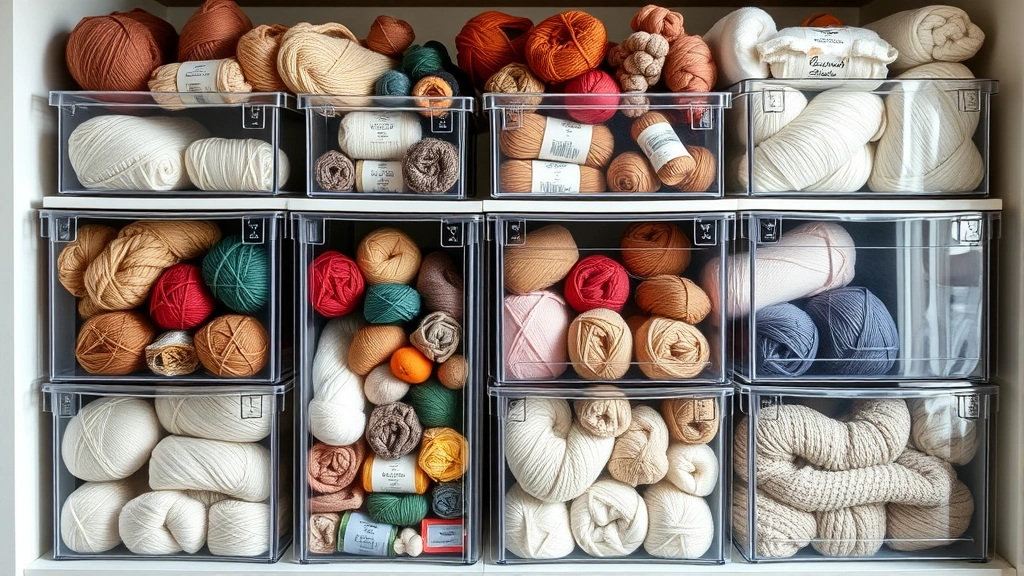
Storage Considerations: Store yarn in a cool, dry place away from direct sunlight. Heavier yarns take up more physical space, so if you’re storage-limited, you might prefer lighter weights. However, lighter weights require more careful handling because they’re more delicate. This is a real consideration if you’re planning to keep yarn for a while.
Label Preservation: Keep the yarn label! It has all the essential information: fiber content, yardage, weight, care instructions, dye lot, and recommended hook size. Wrap the label around the yarn ball with a rubber band or store it in a plastic bag with the yarn. Future-you will be so grateful because you won’t remember whether that gorgeous blue yarn is DK or sport weight.
FAQ
What’s the difference between yarn weight and yarn thickness?
Yarn weight is a standardized measurement based on yardage per pound, while thickness is just visual. Two yarns might look similar in thickness but have different weights because of how they’re spun or their fiber content. Always go by the official weight category, not how thick it looks.
Can I use a heavier yarn with a smaller hook to replicate a lighter weight?
Technically you could, but it’s not ideal. You’d be working against the yarn’s natural properties, which means tension issues and potential damage to the yarn. It’s better to just use the yarn weight your pattern calls for or do a proper substitution with appropriate adjustments.
Why does my project look different than the pattern photo?
Usually, it’s because the yarn weight, fiber content, or gauge is different. Yarn choice dramatically affects how a project looks—the same pattern in different yarns can look completely different. If you used a different weight than the pattern specified, that’s likely the culprit.
How do I know what weight yarn to use for a project I’m designing myself?
Start by thinking about the finished project’s purpose and look. Then choose a weight that matches similar patterns you love. Make a swatch with your chosen yarn and hook, check your gauge, and see if the fabric looks right. Trust your instincts—if it doesn’t feel right, try a different weight.
Is expensive yarn always better quality?
Not necessarily. Price depends on fiber content, brand, and sometimes marketing. A mid-range wool blend might perform beautifully, while an expensive yarn might not be right for your project. Read reviews and check what other crocheters say. Sometimes the best yarn for a specific project isn’t the most expensive option.
What weight should beginners start with?
Worsted weight acrylic is ideal for beginners. It’s affordable, forgiving, works up at a satisfying pace, and mistakes are less heartbreaking. Once you’re comfortable with the basics, branch out into DK weight and other fibers. Understanding essential crochet tools and techniques is important, but yarn choice matters too.