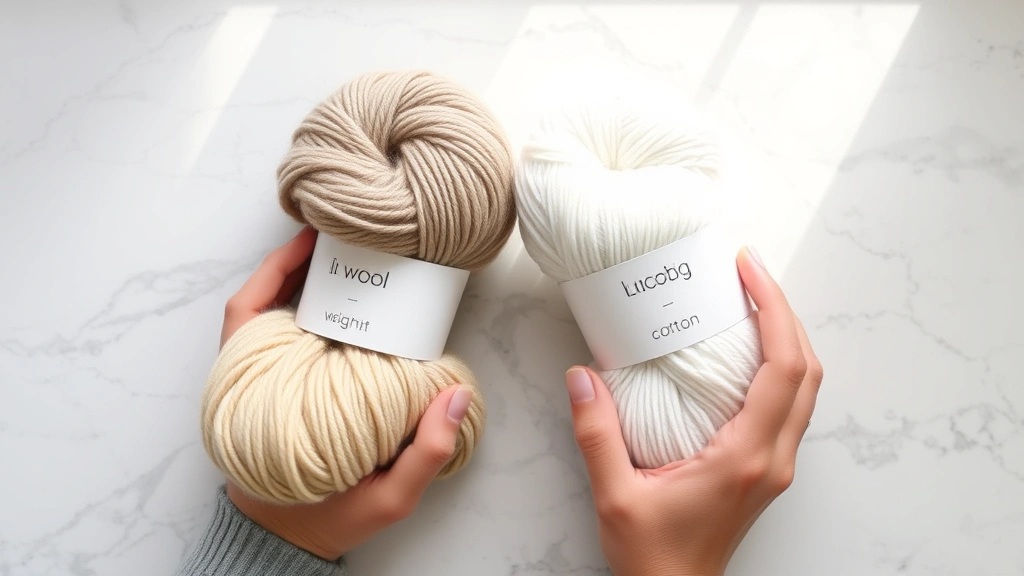
You know that feeling when you find the perfect crochet pattern, but then you hit that wall – the yarn called for costs more than your monthly coffee budget? I’ve been there more times than I care to admit. Last month, I fell in love with a sweater pattern that specified a luxury alpaca blend at $25 per skein. With eight skeins needed, I was looking at $200 just for yarn. That’s when I realized I needed to get serious about finding quality yarn substitutes that wouldn’t break the bank or compromise my finished project.
Here’s the thing about yarn substitution – it’s both an art and a science. You can’t just grab any yarn that’s roughly the same thickness and hope for the best. I learned this the hard way when I substituted a cotton yarn for wool in a cable sweater. The drape was all wrong, and the cables looked flat and lifeless. But when you understand the key factors that make substitution work, you can create beautiful projects while saving money and using yarns that suit your specific needs better than the original.
The good news? Once you master the basics of yarn substitution, you’ll have the freedom to customize every project to your preferences, budget, and yarn stash. Whether you’re dealing with discontinued yarns, budget constraints, or simply want to use that gorgeous skein you’ve been hoarding, understanding substitution opens up a whole world of creative possibilities.
Quick Answer
Successful yarn substitution requires matching yarn weight, fiber content characteristics, and yardage while considering how the new yarn’s properties will affect your project’s drape, stretch, and care requirements. Always make a gauge swatch first.
Understanding Yarn Weights and Categories
The yarn weight system is your foundation for successful substitution. The Craft Yarn Council standardized these categories to make our lives easier, and understanding them is crucial for good substitutions.
Here’s what you need to know about each weight category:
| Weight Category | Yarn Weight Name | Recommended Hook Size | Typical Uses |
|---|---|---|---|
| 0 | Lace | 1.6-2.25mm (B-1 to C-2) | Doilies, fine shawls |
| 1 | Super Fine (Fingering) | 2.25-3.5mm (C-2 to E-4) | Baby items, socks |
| 2 | Fine (Sport) | 3.5-4.5mm (E-4 to G-6) | Light sweaters, baby blankets |
| 3 | Light (DK) | 4.5-5.5mm (G-6 to I-9) | Sweaters, afghans |
| 4 | Medium (Worsted) | 5.5-6.5mm (I-9 to K-10.5) | Most common weight, afghans, sweaters |
| 5 | Bulky | 6.5-9mm (K-10.5 to M-13) | Quick projects, winter accessories |
| 6 | Super Bulky | 9-15mm (M-13 to P-15) | Heavy blankets, rugs |
But here’s where it gets tricky – not all yarns within the same weight category behave identically. A worsted weight cotton will crochet up differently than a worsted weight wool, even with the same hook size. The cotton typically has less give and creates a firmer fabric, while wool has natural elasticity and warmth.
When I’m substituting within the same weight category, I always check the recommended hook size on both the original and substitute yarns. If there’s a difference of more than half a hook size, I know I’ll need to adjust my gauge accordingly.
Beyond Basic Weight Categories
Sometimes you’ll encounter yarns that fall between categories or have unique characteristics. DK yarn, for instance, sits perfectly between sport and worsted weights, making it versatile for substitutions in either direction with proper gauge adjustments.
I’ve found that understanding yarn weights thoroughly gives you confidence to make substitutions that work beautifully. The key is remembering that these are guidelines, not rigid rules.
Why Fiber Content Matters More Than You Think
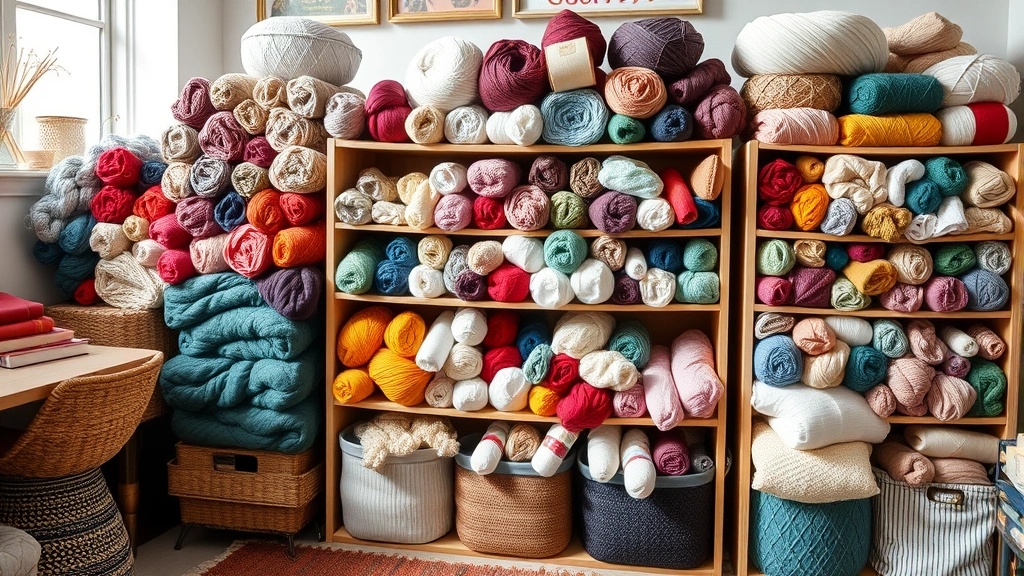
This is where many substitution attempts go wrong. You can’t just match weight and call it good – the fiber content dramatically affects how your finished project looks, feels, and behaves over time.
Let me break down the major fiber categories and their characteristics:
Natural Animal Fibers
Wool is the gold standard for many projects because of its elasticity, warmth, and forgiving nature. It bounces back from mistakes and has natural stretch that makes garments comfortable to wear. When substituting for wool, look for other animal fibers like alpaca or mohair, though each has its own personality.
Alpaca is softer than wool but has less memory – it won’t spring back as readily. Cotton, while natural, behaves completely differently. It has no stretch, creates a cooler fabric, and can be heavier than wool.
Plant-Based Fibers
Cotton and bamboo create structured, breathable fabrics perfect for summer garments and dishcloths. They’re machine washable and durable, but they lack the forgiveness of wool. When working with cotton yarn, your stitches need to be more consistent because mistakes show more readily.
Linen adds beautiful drape to projects but can be challenging for beginners due to its lack of stretch during the crocheting process.
Synthetic Fibers
Acrylic gets a bad rap, but modern acrylics like those from Lion Brand or Yarnspirations can be excellent substitutes. They’re affordable, machine washable, and come in every color imaginable. The key is choosing quality acrylics that mimic the characteristics of the original fiber.
Pro Tip: When substituting synthetic for natural fibers, pay extra attention to gauge. Synthetics often have different stretch and recovery properties that can significantly affect your finished measurements.
Calculating Yardage and Avoiding Shortfalls
Running out of yarn halfway through a project is heartbreaking, especially when you can’t find more of your substitute yarn. Here’s how to calculate yardage accurately and build in a safety margin.
The basic rule is simple: match or exceed the total yardage called for in the pattern. But there are nuances that can trip you up.
Understanding Yardage vs. Weight
Two skeins of the same weight can have dramatically different yardages. A 100-gram skein of chunky yarn might have 90 yards, while a 100-gram skein of fingering weight could have 400 yards. Always calculate based on yardage, not weight.
Here’s my foolproof calculation method:
- Calculate Total Yardage Needed
Add up all the yardage from the original pattern. If the pattern calls for 6 skeins of 200 yards each, you need 1,200 yards total.
- Add a Safety Margin
I always add 10-15% extra, especially when substituting. If gauge is slightly different or you need to rip back sections, you’ll be glad for the extra yarn.
- Account for Dye Lots
Buy all your yarn from the same dye lot if possible. If you’re ordering online, get a bit extra since you won’t be able to match dye lots later.
When Yardage Doesn’t Match Exactly
Sometimes you’ll find the perfect substitute yarn, but the skein sizes don’t work out evenly. Maybe you need 850 yards, but your substitute comes in 200-yard skeins. Do you buy 4 skeins (800 yards) or 5 skeins (1,000 yards)?
Always round up. That extra yarn can be used for repairs, or you can incorporate it into another project. I keep a basket of leftover substitute yarns that often become the perfect accent colors for future projects.
Texture and Drape Considerations
This is where substitution becomes more art than science. The texture and drape of your substitute yarn will change the entire character of your finished project.
Drape refers to how fabric falls and moves. A flowing shawl needs yarn with good drape, while a structured bag needs yarn that holds its shape. Understanding how different fibers drape helps you choose appropriate substitutes.
Matching Drape Characteristics
Wool and alpaca generally have excellent drape and create fluid fabrics. Cotton has moderate drape but creates more structured fabrics. Acrylic varies widely – some modern acrylics mimic wool’s drape beautifully, while others create stiffer fabrics.
When I’m unsure about drape, I make a large swatch (at least 6×6 inches) and hold it up to see how it falls. This gives me a much better sense of how the finished project will behave than just looking at gauge.
Texture Considerations
Smooth yarns show stitch definition clearly, making them perfect for intricate stitch patterns. Fuzzy or textured yarns can hide mistakes but might obscure beautiful stitch work. If your pattern features complex stitches, choose a substitute with similar texture characteristics.
I learned this lesson when I substituted a fuzzy mohair blend for smooth wool in a cable pattern. The cables completely disappeared in the fuzzy texture, and the project looked like a plain stockinette sweater.
Remember: texture affects more than appearance. Fuzzy yarns can be harder to frog (rip out) if you need to fix mistakes, while smooth yarns show every imperfection but are easier to work with.
Step-by-Step Substitution Process
Here’s my tried-and-true process for successful yarn substitution. I’ve refined this over years of both successes and failures, and following these steps has saved me countless headaches.
- Analyze the Original Yarn
Write down everything: weight category, fiber content, yardage per skein, recommended hook size, and any special characteristics mentioned in the pattern (like “holds its shape well” or “has beautiful drape”).
- Consider the Project Type
A baby blanket has different requirements than a market bag. Think about the end use – will it need to be machine washable? Does it need stretch? Should it be warm or cool?
- Research Potential Substitutes
Look for yarns that match the original’s key characteristics. Ravelry is invaluable here – you can see what other crocheters have used for the same pattern.
- Make a Gauge Swatch
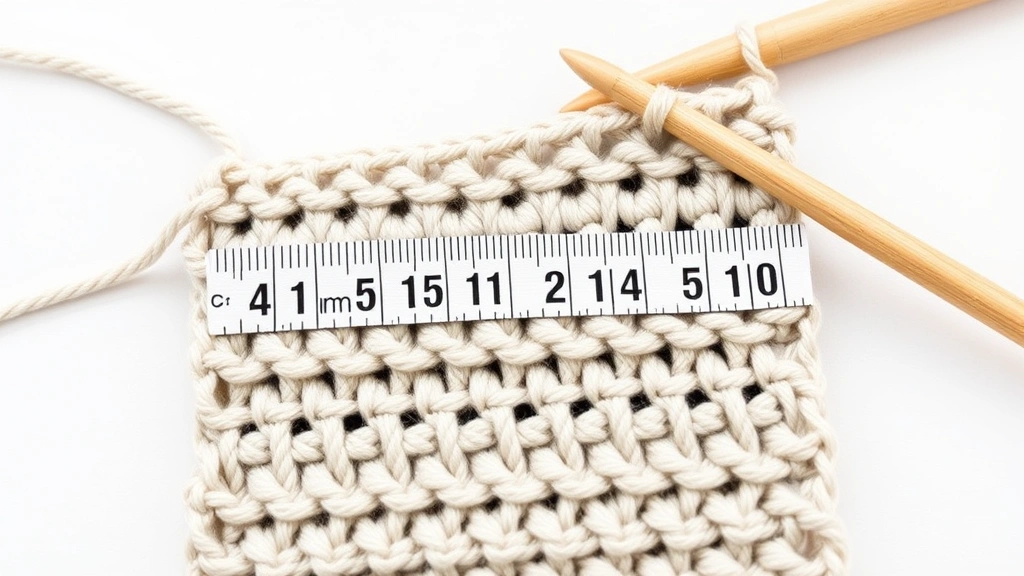
This step is non-negotiable. Make a swatch at least 4×4 inches using the hook size recommended for your substitute yarn. Measure your gauge and compare it to the pattern requirements.
- Adjust Hook Size if Needed
If your gauge is off, adjust your hook size. Go up a size if your stitches are too tight, down a size if they’re too loose. Make another swatch with the new hook size.
- Test Wash Your Swatch
Wash and block your swatch the way you plan to care for the finished project. Some yarns change dramatically after washing – cotton can shrink, wool can felt, and some acrylics can become softer or stiffer.
When to Abandon a Substitution
Sometimes, despite your best efforts, a substitution just doesn’t work. Here are the red flags that tell me to find a different yarn:
- Gauge is off by more than half a stitch per inch, even with hook size adjustments
- The fabric feels completely wrong for the project type
- The yarn is significantly more difficult to work with than expected
- The color doesn’t work with the stitch pattern (too variegated for complex stitches, too plain for simple ones)
Common Substitution Scenarios and Solutions
Let me walk you through some common substitution scenarios I encounter regularly, along with practical solutions that work.
Discontinued Yarn Dilemma
This happens more often than you’d think. You fall in love with a pattern, but the specified yarn was discontinued three years ago. Here’s how I handle it:
First, I search Ravelry for the pattern to see what substitutes other makers have used successfully. The project pages often include notes about substitutions and how they worked out.
Next, I look for yarns from the same manufacturer in the same weight category. Companies often reformulate yarns rather than truly discontinuing them, so there might be a “new and improved” version that’s essentially the same yarn.
Budget-Friendly Substitutions
When cost is the primary concern, I focus on finding the best value yarn that still meets the project’s essential requirements. For a chunky yarn project, I might substitute a quality acrylic for expensive wool if the project doesn’t require wool’s specific properties.
The key is being honest about what characteristics are essential versus nice-to-have. A dishcloth needs to be absorbent and machine washable – fiber content matters more than luxury feel. A baby blanket needs to be soft and washable, but expensive fiber isn’t necessary.
Allergy-Friendly Substitutions
Wool allergies are common, and finding good substitutes can be challenging since wool’s properties are hard to replicate. I’ve had good success with high-quality cotton-bamboo blends and some of the newer synthetic fibers designed to mimic wool.
When substituting for wool sensitivity, pay extra attention to gauge since synthetic fibers often have different stretch properties. You might need to size down your hook to achieve the same fabric density.
Climate-Appropriate Substitutions
Living in a hot climate changes yarn requirements significantly. That cozy wool sweater pattern might be perfect for Maine winters, but it’s impractical for Arizona summers. I regularly substitute cotton, linen, or cotton blends for wool in garment patterns.
The trick is understanding how the substitution affects the garment’s fit and drape. Cotton doesn’t have wool’s natural stretch, so you might need to size up or choose patterns with more ease built in.
Climate Tip: When substituting plant fibers for animal fibers in garments, look for patterns with positive ease (designed to be loose-fitting) since plant fibers don’t stretch like wool.
Troubleshooting Common Substitution Problems
Even with careful planning, substitutions sometimes don’t work out as expected. Here are the most common issues I see and how to fix them.
Gauge Issues
Your gauge is perfect in the swatch, but as you work the actual project, it’s getting tighter or looser. This happens more often than you’d think, especially on large projects where your tension naturally changes as you get into a rhythm.
The solution is to check your gauge regularly throughout the project. I measure every few inches on blankets and after each major section on garments. If I notice drift, I adjust my hook size for the remaining sections.
Yarn Splitting
Some yarns are more prone to splitting than others, and this can become apparent only after you start working with them. Loosely plied yarns and some cotton yarns are particularly prone to this issue.
Try switching to a hook with a smoother finish or a slightly larger size. Sometimes the issue is technique-related – make sure you’re inserting your hook cleanly through stitches rather than catching individual plies.
Color Pooling
Variegated yarns can create unexpected color patterns that look nothing like the pattern photo. This is especially problematic when substituting a variegated yarn for a solid one, or vice versa.
If color pooling is creating an undesirable effect, try changing your hook size slightly to alter the stitch width, or consider using the yarn for a different stitch pattern that breaks up the pooling.
Fabric Hand Issues
Sometimes the gauge is perfect, but the fabric just feels wrong – too stiff, too floppy, too dense, or too loose. This usually indicates a fundamental mismatch between the substitute yarn and the pattern’s requirements.
Before abandoning the project, try washing and blocking a large swatch. Some yarns transform completely after their first wash, becoming softer, more drapey, or more structured.
Common Questions
Can I substitute a different weight yarn if I adjust the hook size?
Generally, no. While you can sometimes successfully substitute one weight category up or down (like using DK instead of worsted), the proportions of your project will change significantly. Stitches will be larger or smaller relative to the overall design, which can make shaping awkward and affect the final appearance. Stick within the same weight category for best results.
How much extra yarn should I buy when substituting?
I recommend buying 10-15% more than the pattern calls for when substituting. If the original pattern needs 1,000 yards, buy 1,100-1,150 yards. This accounts for potential gauge differences and gives you yarn for repairs later. It’s better to have leftover yarn than to run short and be unable to match dye lots.
What’s the best way to match discontinued yarn colors?
Take a photo of the original yarn in natural light and bring it yarn shopping, or use it to compare online color swatches. Many yarn stores can help match colors, and some manufacturers have color conversion charts for discontinued lines. Remember that exact matches are rare – sometimes choosing a complementary color creates a more beautiful result than a poor match.
Can I substitute cotton for wool in sweater patterns?
You can, but the fit and drape will be significantly different. Cotton doesn’t stretch like wool, so choose patterns with positive ease (loose fit) and consider sizing up. The finished garment will be cooler, less forgiving of size fluctuations, and heavier than the wool version. Cotton works better for structured garments than fitted ones.
How do I know if my gauge swatch is large enough?
Make your gauge swatch at least 4×4 inches, but larger is better for accurate measurement. I prefer 6×6 inches for important projects. Small swatches can be misleading because your tension often changes as you work. Wash and block your swatch the same way you plan to care for the finished project before measuring.
What should I do if I can’t match the exact yardage?
Always round up to the next available skein size. If you need 850 yards and your substitute comes in 200-yard skeins, buy 5 skeins (1,000 yards) rather than 4 (800 yards). The extra yarn can be used for repairs, trim, or future projects. Running short is much more problematic than having extra.
Are expensive yarns always better for substitution?
Not necessarily. The best substitute is the one that matches your project’s requirements, regardless of price. A $5 cotton yarn might be perfect for a dishcloth, while a $25 cashmere would be wasted. Consider the project’s end use, care requirements, and how long you want it to last. Sometimes budget yarns are actually more appropriate.
How can I test if a yarn will work before buying large quantities?
Buy one skein first and make a generous gauge swatch. Test the yarn’s behavior – does it split easily? Is it pleasant to work with? How does it look in your chosen stitch pattern? Wash and block the swatch to see how it behaves. Only buy the full amount needed after you’re satisfied with how the yarn performs.
Making Smart Substitution Choices
Yarn substitution doesn’t have to be intimidating once you understand the key principles. The most important thing is matching the characteristics that matter most for your specific project. A baby blanket needs different qualities than a market bag, and understanding these differences helps you make smart choices.
Remember that successful substitution is about more than just matching yarn weight and yardage. Consider the fiber content, texture, drape, and care requirements. Take the time to make proper gauge swatches and don’t skip the washing test – it can save you from unpleasant surprises after you’ve invested hours in your project.
The confidence that comes from mastering yarn substitution opens up so many creative possibilities. You’ll be able to use yarns from your stash, work within any budget, and customize projects to your exact preferences. Every substitution teaches you something new about how different yarns behave, making you a more skilled and versatile crocheter.
Start with simple substitutions on less critical projects to build your skills and confidence. As you gain experience, you’ll develop an intuitive sense for which yarns will work well together. Happy crocheting, and don’t be afraid to experiment – some of my favorite projects have come from successful yarn substitutions that created something even better than the original pattern.