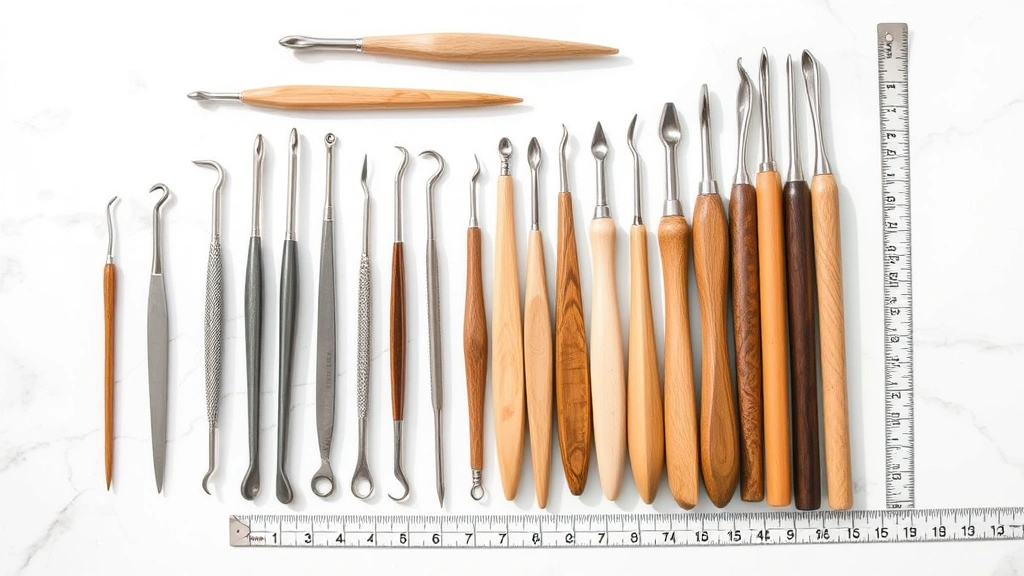
Last week, I was helping my neighbor Sarah with her first crochet project – a simple dishcloth – when she looked at me with complete confusion and said, “How do I even know what size hook to use?” It hit me that we experienced crocheters take this knowledge for granted, but choosing the right crochet hook size can make or break a project. Too small, and you’ll be wrestling with tight, stiff fabric. Too large, and your stitches will be loose and gappy.
The truth is, hook size affects everything: your gauge, the drape of your finished piece, how much yarn you’ll need, and even how your hands feel after a long crafting session. I’ve seen beginners struggle for hours with the wrong hook, thinking they’re just “bad at crochet,” when really they just needed to go up or down a size or two.
Whether you’re starting your first beginner crochet project or you’re an experienced crocheter working with a new yarn, understanding hook sizes will save you time, frustration, and probably some frogging too. Let me walk you through everything I’ve learned about choosing the right hook size – including the mistakes I’ve made so you don’t have to.
Quick Answer
Choose your crochet hook size based on your yarn weight, desired fabric texture, and project requirements. Start with the hook size recommended on your yarn label, then adjust up for looser fabric or down for tighter fabric. Always make a gauge swatch first for fitted projects.
Understanding Hook Size Systems
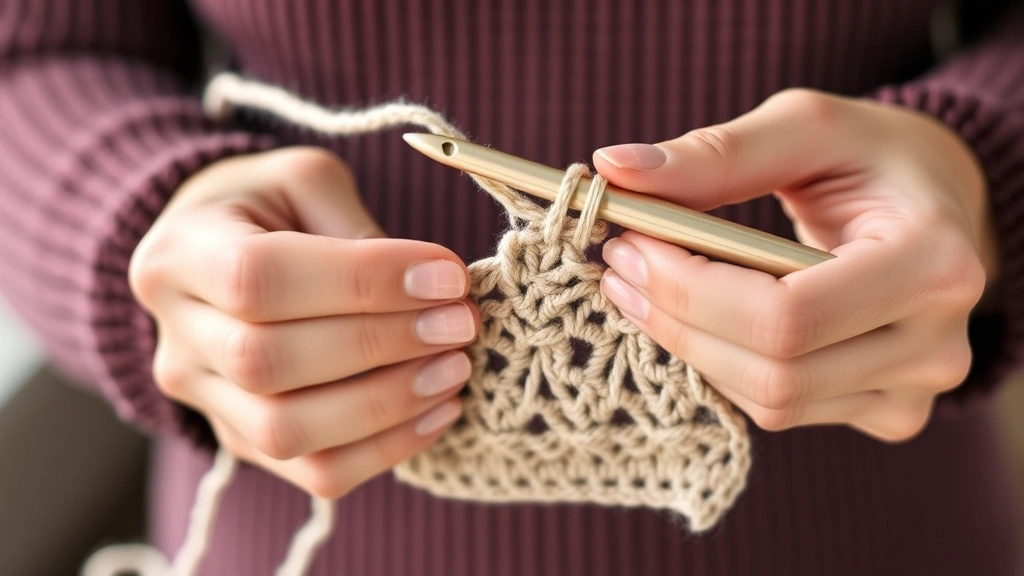
Here’s where things get a bit messy – there are three different hook sizing systems, and they don’t always line up perfectly. You’ve got US sizes (letters and numbers), metric sizes (millimeters), and UK sizes (which are thankfully becoming less common). Most modern patterns use both US and metric, but it’s worth understanding all three.
The metric system is the most straightforward – it’s literally the diameter of your hook in millimeters. A 5.0mm hook is exactly 5 millimeters across. Simple, right? The US system uses letters for smaller hooks (B through S) and numbers for larger ones. The tricky part is that there’s no mathematical relationship between them – you just have to memorize or reference a chart.
| US Size | Metric (mm) | Common Yarn Weight |
|---|---|---|
| B/1 | 2.25mm | Lace, Thread |
| D/3 | 3.25mm | Sport |
| G/6 | 4.0mm | DK |
| I/9 | 5.5mm | Worsted |
| K/10.5 | 6.5mm | Aran |
| N/P/15 | 10.0mm | Chunky |
I always keep a hook size conversion chart bookmarked because even after years of crocheting, I still need to double-check sometimes. The inconsistencies between brands don’t help either – some manufacturers’ 5.0mm hooks measure slightly different than others.
Pro tip: If you’re buying hooks online or from different brands, pay attention to the millimeter size rather than the US size. I once ordered what I thought was an H/8 hook and got something closer to a G/6 because the manufacturer used a different conversion.
Matching Hook Size to Yarn Weight
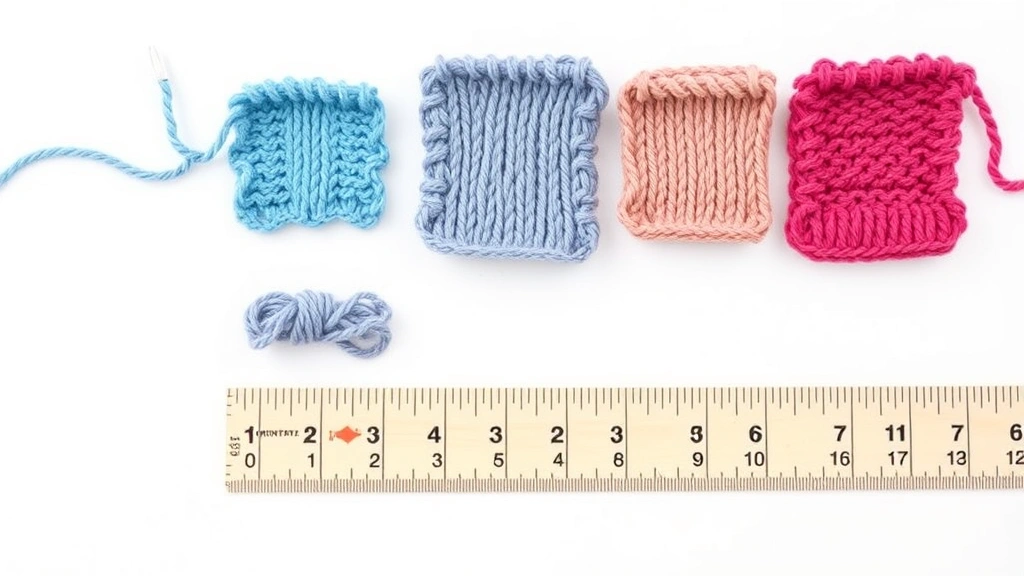
Your yarn label is your best friend here, but it’s not the final word. Those recommended hook sizes are starting points, not rules carved in stone. The Craft Yarn Council has standardized yarn weights from 0 (lace) to 7 (jumbo), and each weight has a typical hook size range.
For fingering weight yarn (weight 1), you’ll usually want a B/1 to E/4 hook (2.25-3.5mm). Sport weight (weight 2) works well with D/3 to F/5 hooks (3.25-3.75mm). DK weight (weight 3) pairs nicely with E/4 to G/6 hooks (3.5-4.25mm). This is where many DK weight yarn projects really shine – it’s such a versatile weight.
Worsted weight yarn (weight 4) is probably what you’re most familiar with – think Red Heart Super Saver or Lion Brand Pound of Love. These typically use G/6 to I/9 hooks (4.0-5.5mm). Bulky yarns (weight 5) need K/10.5 to M/13 hooks (6.5-9.0mm), while super bulky (weight 6) calls for M/13 to Q hooks (9.0-15.0mm).
But here’s the thing – I rarely use the exact hook size recommended on the label. If I want a drapier fabric for a shawl, I’ll go up a hook size or two. For amigurumi where I need tight stitches to prevent stuffing from showing through, I’ll go down a size. The yarn label is just your starting point for experimentation.
Fiber Content Matters Too
Cotton yarn tends to be less stretchy than wool, so you might need to adjust your hook size accordingly. Acrylic yarns can vary wildly in how they behave – some are bouncy and forgiving, others are stiff and splitty. I’ve found that bamboo yarns often need a slightly smaller hook than the label suggests because they can be quite drapey.
Gauge and Tension Considerations
Let’s talk about the elephant in the room – gauge swatches. I know, I know. Nobody wants to make a gauge swatch when they’re excited about starting a new project. But for anything fitted like sweaters, hats, or even baby blankets where size matters, it’s absolutely crucial.
Your personal tension plays a huge role in hook size selection. I’m a tight crocheter – always have been. This means I usually need to go up a hook size from what the pattern recommends to get the right gauge. My friend Lisa, on the other hand, crochets very loosely and often needs to size down.
When making your gauge swatch, use the same yarn and hook you plan to use for the project. Make it at least 4×4 inches – those tiny 2-inch squares don’t give you accurate information. Work in the same stitch pattern as your project too. Single crochet gauge will be different from double crochet gauge with the same hook and yarn.
Here’s something I learned the hard way: wash and block your gauge swatch the same way you plan to care for your finished project. Some yarns grow significantly when washed, others shrink. That beautiful sweater that fit perfectly before washing might become unwearable if you don’t account for this.
If your gauge is too loose (fewer stitches per inch than the pattern calls for), go down a hook size. If it’s too tight (more stitches per inch), go up a size. Keep adjusting until you match the pattern’s gauge, or adjust your pattern math accordingly.
Project-Specific Hook Selection
Different projects have different needs, and your hook choice should reflect that. For amigurumi and stuffed toys, you want tight, dense fabric so the stuffing doesn’t show through. I typically use a hook 1-2 sizes smaller than the yarn label recommends. This creates what we call a “tight gauge” – your stitches should be firm and barely show any gaps.
Blankets and afghans are the opposite. You want a fabric that’s soft, drapey, and comfortable. Going up a hook size creates a more relaxed fabric that’s pleasant to snuggle under. Plus, larger hooks work up faster – important when you’re making something blanket-sized. Many experienced crocheters working on granny square patterns will use a hook size larger than recommended for this exact reason.
Garments are where hook size gets really critical. Too small, and your sweater will be stiff and uncomfortable. Too large, and it won’t hold its shape or provide proper coverage. Always, always make a gauge swatch for wearables. I can’t stress this enough – I’ve seen too many beautiful sweaters that don’t fit because someone skipped this step.
Specialty Projects
Market bags and tote bags need structure, so stick close to the recommended hook size or even go down slightly. You want those stitches tight enough to hold weight without stretching out of shape. Lacework and doilies, on the other hand, need to be open and airy – often requiring a larger hook to achieve the right drape and allow the stitch patterns to show clearly.
For dishcloths and washcloths, I prefer a slightly smaller hook than recommended. This creates a denser fabric that’s more absorbent and scrubby. When working with cotton yarn for kitchen items, that extra density really makes a difference in functionality.
Common Hook Sizing Mistakes
The biggest mistake I see beginners make is sticking religiously to the yarn label recommendation without considering their project or personal tension. That hook size is just a suggestion based on average tension for average projects. Your mileage will definitely vary.
Another common error is not adjusting hook size when switching yarn brands, even within the same weight category. Not all worsted weight yarns are created equal – some are thicker, some thinner, some more or less stretchy. I once made half a sweater with one brand of yarn, ran out, and switched to a “similar” yarn from another brand without checking my gauge. The difference was subtle but noticeable in the finished piece.
Using the wrong hook size for your skill level is also problematic. If you’re struggling with tight stitches as a beginner, don’t force yourself to use a small hook. Go up a size or two until you’re comfortable with the motions, then gradually work your way down to the recommended size as your tension evens out.
Mistake I made early on: I thought bigger hooks were “easier” and smaller hooks were “advanced.” That’s not true at all. The right hook size is whatever gives you the fabric you want for your specific project.
Don’t forget about hook material either. Aluminum hooks tend to be slippery, which can affect your tension differently than bamboo or plastic hooks. If you’re switching hook materials, you might need to adjust sizes accordingly.
Testing and Adjusting Your Choice
Before committing to a hook size for a big project, do some testing. Start with the recommended size and work a few rows or rounds. How does the fabric feel? Is it too stiff, too loose, just right? Don’t be afraid to rip out and try a different size – it’s much better to spend 20 minutes testing than to work for hours with the wrong hook.
Pay attention to how your hands feel too. If you’re gripping too tightly because the hook feels too big for the yarn, or if you’re straining because the hook is too small, adjust accordingly. Crochet should be enjoyable, not a wrestling match with your materials.
For large projects like afghan patterns, I recommend making a full square or motif as your test swatch rather than just a small gauge square. This gives you a better sense of how the finished project will look and feel.
Keep notes about what works and what doesn’t. I have a little notebook where I jot down successful hook and yarn combinations, along with any adjustments I made. It’s saved me countless hours of re-testing when I want to make similar projects.
When to Stick vs. When to Switch
Sometimes you’ll need to compromise. Maybe your gauge is perfect with a certain hook size, but the fabric feels too stiff for your project. In cases like this, consider switching yarn rather than hook size, or adjusting your pattern expectations.
Other times, the “wrong” gauge can actually work in your favor. I once made a hat that was supposed to be fitted, but my loose gauge created a slouchy style that I actually preferred. Don’t be afraid to embrace happy accidents.
Special Situations and Techniques
Some techniques require specific hook size considerations. When working with multiple strands of yarn held together, you’ll need a much larger hook than you’d use for a single strand. I typically start with a hook 3-4 sizes larger than I’d use for one strand of the same yarn.
Tapestry crochet and colorwork often need tighter gauge to prevent the carried colors from showing through. Consider going down a hook size from what you’d normally use. The same goes for any technique where you’re carrying yarn – mosaic crochet patterns often benefit from slightly smaller hooks for this reason.
Working in the round versus working in rows can also affect your hook choice. Some crocheters find their tension is different when working continuously in rounds versus turning after each row. If you notice this in your own work, don’t hesitate to adjust accordingly.
Thread crochet and steel hooks follow different rules entirely. These tiny hooks (sizes 00 to 14) are used with crochet thread rather than yarn, and the sizing system is completely different. Generally, the higher the number, the smaller the hook – opposite of regular crochet hooks.
Advanced tip: Some experienced crocheters use different hook sizes within the same project intentionally. You might use a smaller hook for ribbing on a sweater cuff, then switch to a larger hook for the body. This technique requires careful planning but can create beautiful, professional-looking results.
Common Questions
What happens if I use a hook that’s too small?
Using a hook that’s too small creates tight, stiff fabric that’s difficult to work with. Your stitches will be hard to insert your hook into, your hands will tire quickly, and the finished fabric won’t have good drape. For garments, this can result in pieces that don’t fit properly or feel uncomfortable to wear.
Can I use a larger hook to make projects work up faster?
Yes, but with caveats. A larger hook will definitely make your project progress faster, but it will also change the fabric characteristics significantly. Your finished piece will be more open, use less yarn, and may not hold its shape as well. This works great for some projects (like loose, drapey scarves) but poorly for others (like structured bags or fitted garments).
How do I know if my hook size is right for amigurumi?
For amigurumi, your stitches should be tight enough that you can’t see through the fabric when you hold it up to the light. If you can see gaps between stitches, go down a hook size. The fabric should feel firm and dense, not loose or stretchy. Most amigurumi makers use hooks 1-2 sizes smaller than the yarn label recommends.
Should I buy a complete set of hooks or just the sizes I need?
Start with the most common sizes for the yarn weights you use most often. For worsted weight yarn (most common), you’ll want G/6, H/8, and I/9 hooks (4.0-5.5mm). As you expand into different yarn weights and techniques, add more sizes. A complete set is nice to have eventually, but it’s not necessary when you’re starting out.
Do expensive hooks make a difference in sizing?
The material and quality of your hook can affect your tension and comfort, but shouldn’t significantly change the actual size. However, cheaper hooks sometimes aren’t manufactured to precise specifications, so a “5.0mm” hook from one brand might actually measure 4.8mm or 5.2mm. If precise gauge is critical, consider investing in quality hooks from reputable manufacturers like Clover or KnitPro.
How often should I check my gauge during a project?
For large projects, check your gauge every few inches, especially if you’re working over multiple sessions. Your tension can change based on your mood, how tired you are, or even the temperature. For fitted garments, I recommend checking gauge before starting each major section (body, sleeves, etc.).
Can I substitute a different hook size if I don’t have the recommended one?
Absolutely, but you’ll need to adjust your expectations or pattern accordingly. If you go up a hook size, your finished project will be larger and use less yarn. If you go down a size, it will be smaller and denser, requiring more yarn. For non-fitted items like dishcloths or scarf patterns, this substitution is usually fine.
Why does my hook size need to change when I switch yarn brands?
Even within the same yarn weight category, different brands can have significantly different characteristics. The twist, fiber content, and manufacturing process all affect how the yarn behaves with your hook. A loosely spun yarn might need a smaller hook than a tightly spun yarn of the same weight to achieve the same gauge.
Choosing the right crochet hook size isn’t about following rules blindly – it’s about understanding how hook size affects your fabric and making informed decisions based on your project goals. Start with the yarn label recommendations, but don’t be afraid to experiment and adjust based on what you’re making and how you want it to feel.
Remember that your personal tension, the specific yarn you’re using, and your project requirements all play a role in hook selection. What works for one project might not work for another, even with the same yarn. Keep notes, make swatches when it matters, and trust your instincts about how the fabric should feel.
The more you crochet, the more intuitive hook selection becomes. You’ll start to feel when a hook is right or wrong for what you’re making. Until then, don’t stress too much about getting it perfect – most projects are forgiving, and the worst thing that happens is you learn something new for next time. Happy crocheting!