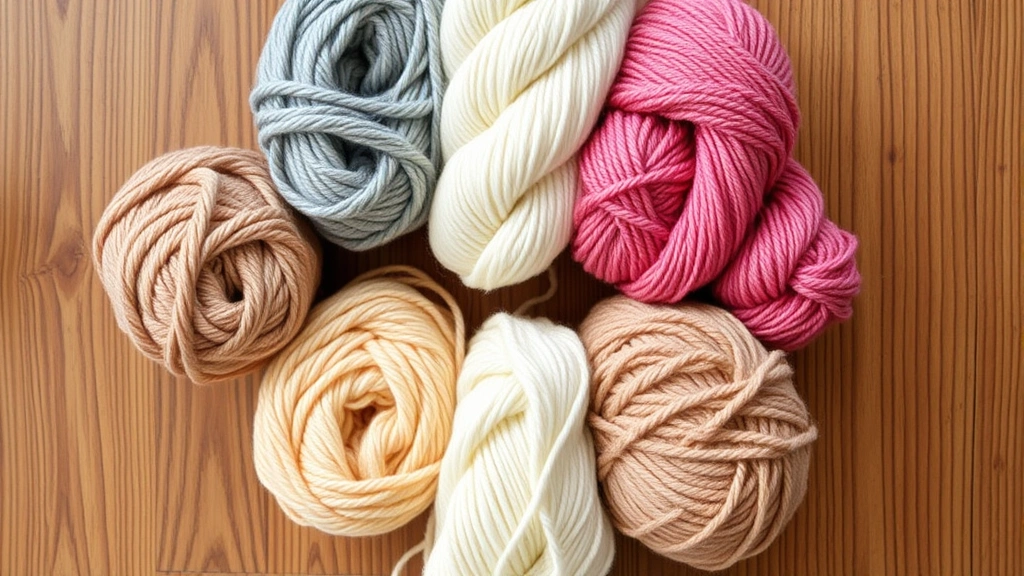
Choosing the Right Yarn for Your Crochet Projects: A Complete Guide
Let’s be real—walking into a yarn shop or scrolling through online options can feel overwhelming. There are so many textures, weights, fiber contents, and price points that it’s easy to feel paralyzed. But here’s the thing: choosing the right yarn doesn’t have to be complicated. It’s actually one of the most enjoyable parts of the creative process once you understand what you’re looking for.
I’ve been there, standing in front of a wall of yarn, wondering if that gorgeous merino blend is worth the splurge, or if I should grab the acrylic alternative. The truth is, there’s no “wrong” choice—just different choices that work better for different projects, budgets, and lifestyles. Whether you’re making a cozy blanket, a fitted garment, or decorative amigurumi, the yarn you select will absolutely shape your experience and your finished project.
In this guide, we’re going to walk through everything you need to know about selecting yarn. We’ll cover the practical stuff like weight and fiber content, explore how to read yarn labels like a pro, and talk honestly about budget considerations. By the end, you’ll feel confident picking yarn that actually works for what you’re trying to create.
Understanding Yarn Weight and How It Affects Your Projects
Yarn weight is probably the most important factor when you’re starting your selection process. It’s literally how thick or thin the yarn is, and it determines how quickly your project will grow, what hook size you’ll use, and ultimately how your finished piece will look and feel.
There are six standard yarn weight categories, numbered 0 through 6. Let me break down what you’re actually working with:
- Lace (0): Super delicate, often used for intricate shawls and doilies. It’s gorgeous but requires patience.
- Fingering (1): Thin and perfect for detailed work, socks, and fine garments. Takes longer but yields beautiful drape.
- Sport (2): Slightly thicker than fingering, great for baby items and lighter garments.
- DK/Light Worsted (3): A sweet spot for many crocheters. Versatile for blankets, sweaters, and most patterns.
- Worsted/Aran (4): The most common weight you’ll see. Perfect for quick projects, amigurumi, and cozy items.
- Bulky (5): Thick and fast-growing. Ideal for afghans, scarves, and projects you want to finish quickly.
- Super Bulky (6): The chunky stuff. Makes projects fly off your hook, though sometimes the drape can feel stiff.
Here’s where it gets practical: if you’re following a pattern, it’ll specify the recommended yarn weight. Don’t ignore this—it matters. A pattern designed for worsted weight yarn will look totally different if you substitute it with bulky yarn. The proportions change, the drape changes, everything changes.
That said, once you understand how to match yarn to your projects, you can get creative with substitutions. Just remember that changing yarn weight means you’ll need to adjust your hook size and potentially your stitch counts.
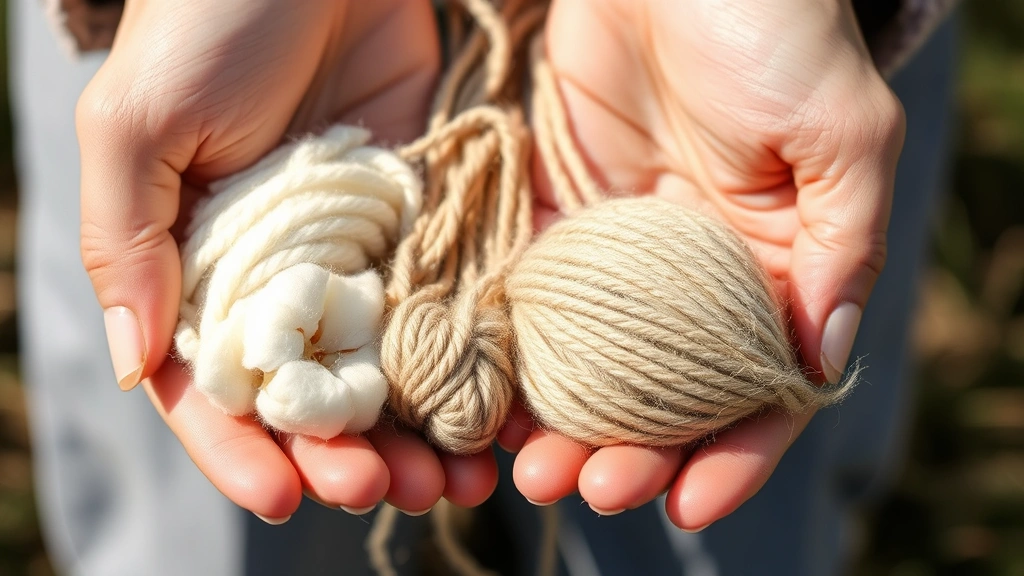
” alt=”Close-up of various yarn weights displayed side by side showing the thickness differences from lace to super bulky”/>
This is where yarn gets personal. The fiber content affects how your yarn feels in your hands, how it wears, how it washes, and honestly, how much joy you get from the whole experience. Because let’s be clear—if you hate how the yarn feels while you’re working with it, you’re not going to enjoy making your project. Natural Fibers: Natural fibers come from plants or animals, and they each have their own personality. Wool is the classic. It’s warm, it bounces back from wrinkles, it’s forgiving, and it’s been the go-to for generations. Merino wool is a premium option—softer and less itchy than regular wool. Cotton is breathable and perfect for summer items, but it doesn’t have as much elasticity as wool, so your finished projects might feel a bit different. Linen is gorgeous and gets softer with every wash, though it can feel stiff at first. Alpaca is luxuriously soft and warm, though it can be pricey. Synthetic Fibers: Acrylic is the budget-friendly workhorse. It’s washable, durable, and comes in every color imaginable. The downside? It can feel plasticky, and it doesn’t breathe like natural fibers. But here’s the thing—modern acrylic has come a long way. Brands like Lion Brand make acrylic that feels genuinely nice. Nylon and polyester are often used in blends to add durability and stretch. Blends: Blends are where things get really interesting. A wool-acrylic blend gives you the warmth and elasticity of wool with the durability and washability of acrylic. A cotton-bamboo blend is breathable and silky. Understanding what you’re blending and why helps you make intentional choices. My honest take? For your first projects or practice pieces, acrylic is totally fine. It’s forgiving, affordable, and there’s zero guilt if you rip it out and start over. As you develop your style and understand what you love, you can experiment with natural fibers. And remember—there’s nothing wrong with choosing based on budget. That’s not settling; that’s being realistic about your resources and making it work anyway. Yarn labels contain so much useful information, but they can look like a foreign language at first. Let me translate for you. Weight and Length: The label tells you how much yarn is in the ball or skein, usually in both grams and yards (or meters). This is crucial for knowing if you have enough yarn for your project. A pattern will tell you how many yards you need. Fiber Content: This percentage breakdown tells you exactly what you’re getting. If it says 60% wool, 40% acrylic, that’s your actual fiber makeup. Care Instructions: These little symbols matter, especially if you’re making something that’ll need washing. A wool sweater with a “hand wash only” label needs different care than an acrylic blanket you can throw in the machine. Dye Lot: This is important and often overlooked. Yarn dyed in different batches can have slightly different colors. If you’re making a large project, buy all your yarn from the same dye lot. If you run out and grab more from a different dye lot, the color difference might be noticeable. Hook Size and Gauge: The label recommends a hook size and tells you the gauge—how many stitches and rows should fit in a 4-inch square. Gauge is especially important for fitted garments. Even small variations matter there. Pro tip: Take a photo of the label before you start your project. You’ll want to reference it later, especially if you need to look up care instructions or order more yarn. Let’s talk money, because yarn budgets are real and they matter. A single skein of high-end merino can cost $15-25, while acrylic might be $2-5. Over the course of a large project, that difference adds up fast. Here’s my philosophy: you don’t have to choose between quality and budget. You choose based on the project and what matters most to you. Where to Splurge: If you’re making a wearable that’ll be next to your skin regularly—a sweater, a shawl, a hat—investing in quality fiber makes sense. You’ll wear it more, enjoy it more, and it’ll last longer. Natural fibers often hold up better to repeated wear and washing. Where to Save: For practice projects, blankets that aren’t worn, or decorative items, acrylic is perfectly reasonable. You’re not sacrificing quality in terms of the finished product; you’re just being smart about where your money goes. Check out Ravelry for community reviews of budget-friendly yarns—you might be surprised at what people love. Smart Shopping Strategies: The key is being intentional. Know what you’re making before you buy yarn. Impulse purchases are fun until you’ve got three skeins of gorgeous yarn that doesn’t fit any project you actually want to make.Fiber Content: Natural, Synthetic, and Blends
How to Read and Understand Yarn Labels
Budget-Friendly Yarn Selection Without Sacrificing Quality
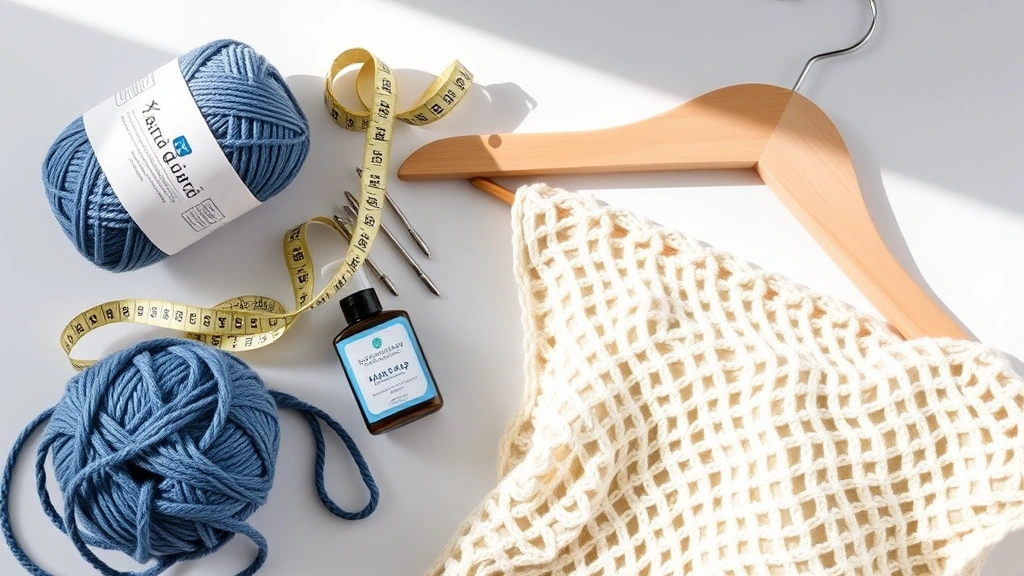
” alt=”Colorful yarn skeins arranged on a wooden surface with a crochet hook and handmade notes about project planning”/>
This is where everything comes together. You’ve got your pattern, you understand yarn weights and fiber content, and now you need to make the match. For Garments: Choose based on drape and comfort. A DK or light worsted weight gives you nice drape for sweaters. Natural fibers or natural blends work beautifully. Test the yarn—does it feel good against your skin? If it makes you uncomfortable at the store, it’ll make you uncomfortable wearing it. For Blankets: Go thicker and think about washability. Bulky or super bulky yarn means your project finishes faster. If it’s for a baby, make sure it’s washable. If it’s decorative, you can be more flexible with fiber choice. For Amigurumi: Worsted weight in acrylic is ideal. Acrylic holds its shape, it’s affordable (you use less than you think), and it’s durable if the finished toy gets loved hard by a kid or pet. For Shawls and Wraps: Fingering or sport weight creates beautiful drape. Lace weight is gorgeous if you’re patient. Natural fibers like merino or alpaca show off the stitch definition beautifully. For Scarves: This is flexible. Worsted weight for a cozy, quick scarf. Bulky for something even faster. Sport weight for something drapey. Your choice totally depends on the vibe you’re going for. Here’s the real talk: there’s rarely only one “right” answer. A pattern works with multiple yarn weights if you’re willing to adjust your hook size and stitch count. Websites like Yarnspirations have calculators to help you figure out substitutions safely. Once you’ve chosen your yarn, you want it to stay gorgeous until you’re ready to use it and beyond. Storage: Keep yarn in a cool, dry place away from direct sunlight. UV light fades colors over time. Airtight containers work great if you’re storing for long periods. Cedar blocks or lavender sachets keep moths away, which is especially important for natural fibers. Label your containers so you know what’s inside—future you will appreciate it. Care During Use: Keep your working yarn clean. If you’re crocheting on the couch, maybe don’t have food or drinks nearby. Yarn picks up oils from your hands, which is normal, but keeping it away from unnecessary dirt helps. Care of Finished Projects: Always check that yarn label for care instructions. Hand wash delicate items in cool water with gentle soap. For machine-washable yarn, use a mesh bag and gentle cycle. Block your finished projects according to fiber type—this really does make a difference in how they look and fit. The Crochet Guild of America has excellent resources on finishing techniques. One more thing: don’t be afraid to try different fiber blends to see what works for your lifestyle. If you’re someone who throws everything in the washing machine, prioritize easy-care fibers. If you love hand-washing and are particular about your projects, natural fibers might be your jam. Yarn weight is the official classification system (0-6), while thickness is more casual description. They’re related but not identical. A yarn might be labeled as worsted weight but feel slightly different in thickness depending on the fiber and how it’s spun. Always go by the weight classification on the label, not just how thick it looks to you. You can, but it requires adjustments. If you’re changing yarn weight, you’ll need to adjust your hook size and possibly your stitch counts. Use a gauge swatch to test. For similar weights in different fibers, it’s usually easier. Just remember that fiber content affects how your project behaves—acrylic won’t drape like cotton, for example. Scratchiness usually comes from fiber content, yarn construction, or both. 100% wool can feel scratchy, especially acrylic blends with wool. Merino, cashmere, or alpaca blends feel softer. Sometimes yarn softens after washing. If you hate how it feels in your hands, your hands will hate wearing it—trust that instinct. Always check the pattern first. It’ll specify yardage. If you’re substituting yarn, calculate based on yardage, not weight. Two yarns of the same weight might have different yardages. The pattern tells you how many yards you need; the label tells you how many yards are in your ball. Not necessarily. Expensive yarn is usually higher quality in terms of fiber, but “better” depends on your project and priorities. An expensive merino is better for a sweater you’ll wear constantly. Budget acrylic is perfectly fine for practicing new stitches or making a decorative piece. Better is contextual. Look at fiber content, feel it in your hands, check reviews on Ravelry, and consider the price point relative to other similar yarns. Quality doesn’t always mean expensive—it means the yarn does what it’s supposed to do and feels good to work with. Choosing yarn is one of the best parts of crochet. You’re not just picking material; you’re setting yourself up for an enjoyable creative experience. Take your time, feel different options, read labels carefully, and trust your instincts. The right yarn for your project is the one that makes you excited to pick up your hook and get started. Everything else is just details—important, useful details, but ultimately secondary to that spark of “yes, I want to make something with this.”Matching Yarn to Your Specific Crochet Projects
Storage, Care, and Longevity
FAQ
What’s the difference between yarn weight and yarn thickness?
Can I substitute one yarn for another in a pattern?
Why does my yarn sometimes feel scratchy?
How much yarn do I actually need for a project?
Is expensive yarn always better?
How do I know if yarn is good quality?