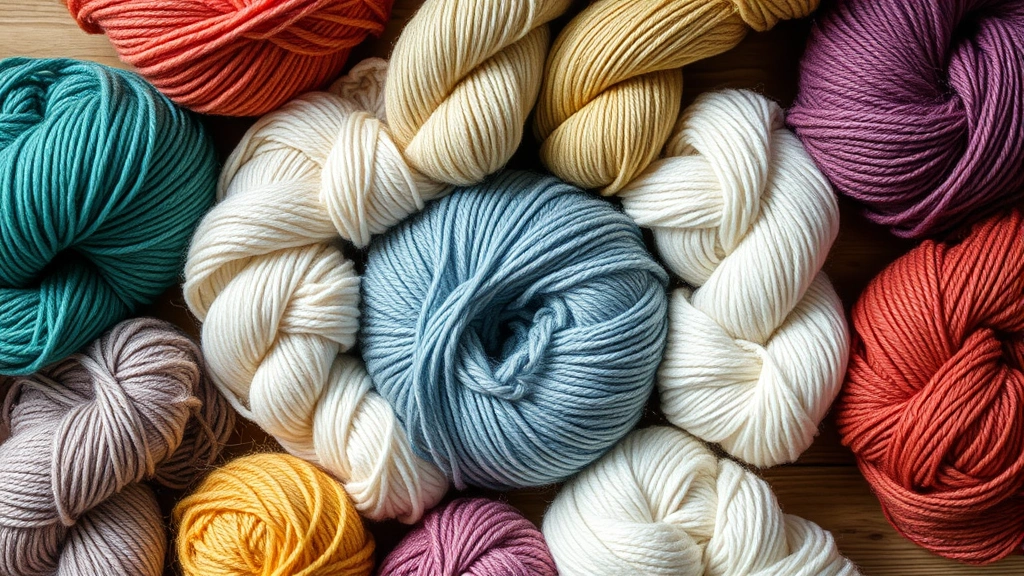
Choosing the Right Yarn for Your Crochet Projects: A Complete Guide
If you’ve ever stood in front of a yarn shop wall feeling completely overwhelmed, you’re not alone. There are literally thousands of yarn options out there—different fibers, weights, colors, and price points—and picking the right one can genuinely make or break your crochet experience. I’ve been there, staring at skeins wondering if merino wool is worth the splurge or if acrylic will actually work for that sweater I’m dying to make.
Here’s the thing: choosing yarn isn’t just about grabbing whatever’s on sale or what matches your aesthetic. It’s about understanding what your project actually needs, what your hands can comfortably work with, and what’ll make you excited to pick up your hook every single day. Because let’s be honest—if you hate the yarn, you’re not finishing that project.
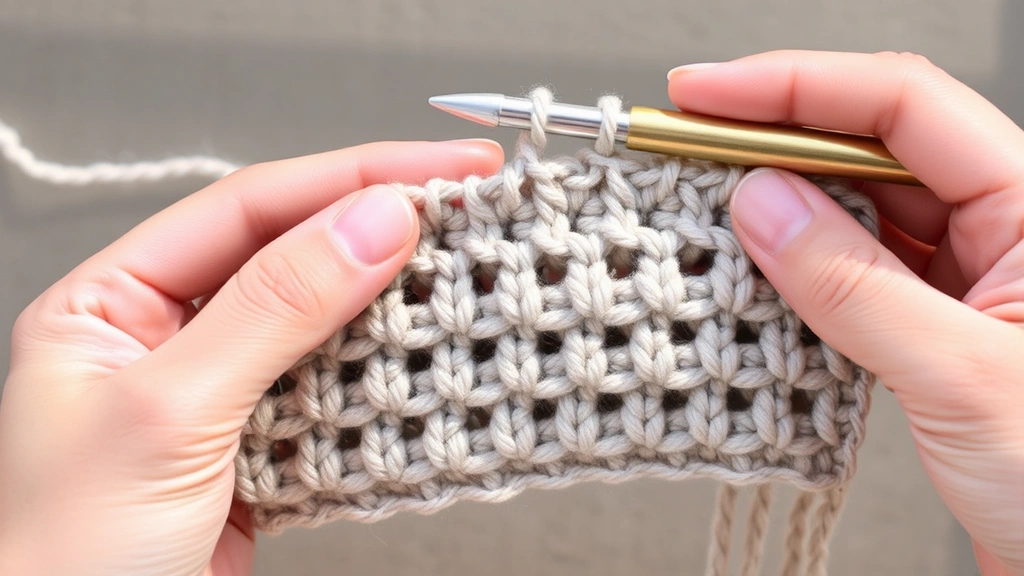
Understanding Fiber Content
Let’s start with the foundation: what’s actually in that ball of yarn? This is crucial because fiber content determines everything—how the yarn feels in your hands, how it drapes, how it wears, how you wash it, and honestly, whether you’ll enjoy working with it.
Acrylic yarns get a bad rap, but they’re genuinely wonderful for certain projects. They’re affordable, available everywhere, come in every color imaginable, and they’re practical for items that need frequent washing (like baby blankets or kids’ clothing). The downside? They can feel a bit plasticky, they don’t breathe as well, and some people find them uncomfortable for wearables. But here’s my hot take: acrylic has come a long way. Modern acrylics feel significantly softer than they did even five years ago.
Wool is the classic choice for good reason. Merino wool is soft, breathable, naturally temperature-regulating, and it’s durable. Regular wool can be scratchier, but it’s often more affordable and excellent for blankets or items you won’t wear directly against sensitive skin. Wool does require careful washing (usually hand-washing in cool water), and it can felt if you’re not careful. If you’re making a sweater or wearable, wool might be worth the investment and care requirements.
Cotton and linen are perfect for summer projects, amigurumi, and items that need structure. They don’t have much stretch, so they’re less forgiving of tension inconsistencies, but they’re breathable and durable. Cotton yarn is heavier than wool of the same weight, which is something to keep in mind when calculating yardage.
Blends are where things get interesting. A wool-acrylic blend might give you the softness and durability of wool with easier care and lower cost. Merino-silk blends have incredible drape. Cotton-linen blends are sturdier than pure cotton. When you’re selecting yarn weight, also consider what blend might work best for your specific project.
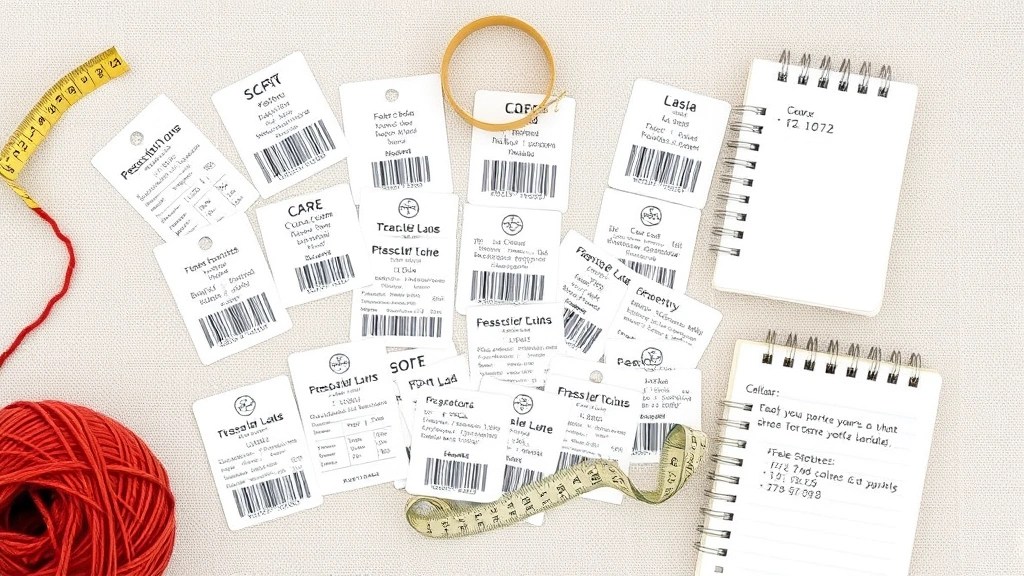
Here’s a practical tip: always check the fiber content on the label. If it doesn’t have one, that’s a red flag. Reputable yarn companies like Berroco and Lion Brand clearly list their fiber composition, care instructions, and yardage.
Yarn Weight and Project Matching
Yarn weight is one of those things that seems confusing until someone explains it clearly. It’s not about how heavy the yarn is in your hand—it’s about thickness. The Craft Yarn Council standardizes this into categories from 0 (lace) to 7 (jumbo), and your pattern will specify which weight you need.
Lace weight (0) and fingering weight (1) are delicate and create intricate, detailed work. They’re beautiful but require patience and good lighting. If you’re a beginner, I’d skip these for now.
Sport weight (2) and DK weight (3) are lovely for garments and give you good stitch definition. They work up slowly but create lovely drape. Perfect for crocheted garments that need to fit well.
Worsted weight (4) is the goldilocks yarn. It’s thick enough to work up reasonably quickly, thin enough to have good stitch definition, and it’s available in a million varieties. Most patterns are written for worsted weight, and it’s forgiving for beginners.
Bulky (5) and super bulky (6) work up fast—like, sometimes uncomfortably fast. They’re great for quick projects and chunky blankets, but they can be harder to control if you’re still developing your tension consistency. They also show tension flaws more obviously.
Jumbo (7) is fun for statement pieces but honestly, after you finish one jumbo project, you realize how much yarn weight you’re actually moving around.
The key thing here: always use the yarn weight your pattern specifies. I know it’s tempting to substitute, but yarn weight affects stitch count, finished measurements, and overall structure. If you absolutely must substitute, calculate your yardage carefully and do a gauge swatch first.
Calculating Yardage and Quantity
This is where a lot of people get tripped up, and I get it—yarn labels can be confusing. Let me break this down practically.
Every pattern tells you how much yardage you need. Let’s say your blanket pattern calls for 2,000 yards. You pick up a skein of yarn that says “100 yards per skein.” Quick math: you need 20 skeins. But here’s where it gets real: you need to account for waste.
General waste guidelines:
- Small projects (baby items, amigurumi): Add 10% extra yardage
- Medium projects (blankets, scarves): Add 15% extra yardage
- Large projects (sweaters, afghans): Add 20% extra yardage
So if your pattern needs 2,000 yards, you’d actually want 2,300 yards to be safe (that’s 2,000 plus 15%). This accounts for weaving in ends, tension variations, and those “oops” moments we all have.
Here’s a pro tip that’ll save you money: when you’re at the yarn shop, check the yardage per skein. Sometimes a “thicker” looking yarn actually has less yardage than a thinner yarn of the same weight category. Compare cost per yardage, not cost per skein. A $6 skein with 200 yards is cheaper per yard than a $5 skein with 150 yards.
Also, buy all your yarn at once if possible. Dye lots matter. Even if the label says “Ocean Blue,” yarn from different dye lots can look slightly different. For projects where color consistency matters (like a sweater), you want everything from the same dye lot.
Budget-Friendly Yarn Options
Real talk: yarn can be expensive, especially if you’re working on larger projects or love premium fibers. But there are smart ways to stretch your budget without sacrificing quality.
Shop sales strategically. Yarn shops have seasonal sales. Stock up on basics (worsted weight in neutral colors) when things go on sale. January and summer tend to be good sale months.
Consider mill-end or discontinued yarns. These are perfectly good yarns that shops are clearing out. You might not get your first color choice, but the quality is identical and the price is significantly lower. Sites like Ravelry have a destash section where people sell unused yarn.
Buy in bulk if you’re committed. Some yarn companies offer better pricing when you buy larger quantities. If you know you love a particular yarn, buying 5 skeins at once might be cheaper per skein than buying 1 at a time.
Quality over quantity. Here’s where I push back on the “always buy cheap” mentality. A $15 skein of merino wool that you’ll wear for five years is better value than three $5 acrylic skeins that pill after one season. It depends on the project, but think long-term.
Join a yarn swap group. Local fiber arts communities (or online groups) often have yarn swaps where people trade yarn they’re not using. You might find exactly what you need for next to nothing.
Working with Specialty Yarns
Once you get comfortable with basic yarns, you might want to experiment with specialty fibers. These can be trickier, but they’re so worth understanding.
Novelty yarns (textured, eyelash, ribbon, etc.) are visually interesting but can be unforgiving. You can’t always see your stitches clearly, which makes tension harder to control. Use them for projects where slight tension variations won’t matter, like scarves or blankets. Avoid them for fitted garments.
Variegated and hand-dyed yarns are gorgeous but require careful pattern selection. A busy variegated yarn can make intricate stitch patterns disappear visually. Simple stitches (like single crochet or half double crochet) show off variegation beautifully. Complex stitches get lost. If you’re planning a blanket with stitch texture, test your variegated yarn with a swatch first.
Slippery yarns (silk, bamboo, some synthetics) are dreamy to work with but challenging for tension control. Your stitches might slide around more, especially if you’re learning. If you love these fibers, pair them with a heavier weight for better control.
Yarn with metallic content is festive but honestly? It’s rough on your hands and your hooks. The metallic fibers can be scratchy and they wear through faster. Use them for projects where the sparkle is worth the trade-off, and maybe invest in smooth hooks.
A practical suggestion: when you’re trying a new specialty yarn, make something small first. A small project teaches you how the yarn behaves without committing 2,000 yards to the experiment.
Yarn Care and Durability
Choosing the right yarn also means thinking about how it’ll hold up. A gorgeous sweater that falls apart after three washes isn’t actually a good choice, no matter how beautiful it is.
Check care instructions before you buy. If a yarn requires hand-washing in cold water with special soap, and you’re making something for a kid who’ll need frequent washing, that’s not the right yarn for the project. Conversely, if you love hand-washing delicate items, that premium yarn might be perfect.
Understand pilling. Some yarns (especially acrylics and some cotton blends) pill—those little balls of fiber that form on the surface. It doesn’t mean the yarn is bad; it just means you might need to gently remove pills with a fabric shaver occasionally. Merino wool pills less. Tightly-spun yarns pill less than loosely-spun ones.
Consider fiber durability for the project. Baby items need washable, durable yarn. Delicate lace shawls can handle more finicky fibers. Outdoor items need weather-resistant yarns. When you’re selecting yarn for a sweater, think about how often it’ll be worn and washed.
Learn proper storage. Yarn stored in cool, dry places away from direct sunlight lasts longer. Moths can be a real problem with natural fibers, so some people use cedar or lavender sachets in storage. Acrylic doesn’t attract moths, which is another practical advantage.
Here’s something I wish I’d known earlier: test your yarn. Wash a small swatch in the way you’ll eventually wash the finished item. Does it shrink? Does it bleed color? Does it lose softness? This fifteen-minute test can save you from heartbreak later.
FAQ
What’s the best yarn for beginners?
Worsted weight acrylic or acrylic blends in light colors. Light colors let you see your stitches clearly, worsted weight is forgiving, and acrylic is affordable if you make mistakes. Once you’re comfortable, branch into other fibers and weights.
Can I really substitute yarn weights?
Technically yes, but carefully. You’ll need to recalculate yardage and gauge, and the finished product might look different. For your first projects, stick with what the pattern calls for. Once you understand how yarn behaves, experimentation becomes easier.
Why is my yarn so expensive compared to what my friend paid?
Fiber content, brand reputation, and where you’re shopping all matter. A $8 skein of merino from a specialty shop might be better quality than a $3 skein of acrylic from a big box store. Also, specialty yarn shops often support small dyers and producers, which costs more but supports your community.
How do I know if yarn is good quality?
Read reviews on Ravelry, check the label for clear information, and feel it in person if possible. Good quality yarn has consistent thickness, clear yardage information, detailed care instructions, and positive reviews from actual users who’ve completed projects with it.
Should I invest in expensive yarn as a beginner?
Not necessarily for learning. Practice with affordable yarn so mistakes don’t hurt your wallet. Once you’ve finished a few projects and understand your preferences, investing in premium yarn for special projects makes sense.
What’s the difference between yarn from big box stores and specialty yarn shops?
Specialty yarn shops often carry higher-quality options, smaller producers, and unique fibers. Big box stores offer affordability and convenience. Both have value depending on your project and budget.