How to Choose the Right Yarn for Your Crochet Projects
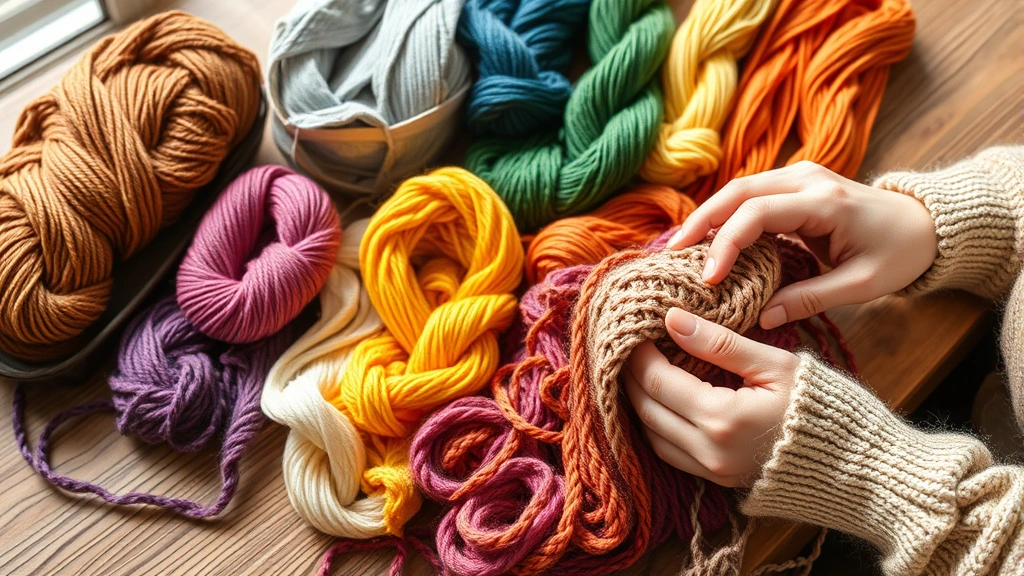
There’s something genuinely magical about walking into a yarn shop or scrolling through an online catalog and seeing all those colors, textures, and fiber blends staring back at you. But here’s the thing—that magic can turn into total overwhelm real fast. You pick up a skein that feels amazing, the color is perfect, and then you flip over the label and see a price tag that makes you wince, or worse, you realize it’s a delicate silk blend that requires hand-washing and special care you’re just not ready to commit to.
I’ve been there. We all have. The truth is, choosing yarn isn’t just about what looks pretty on the shelf. It’s about understanding what you’re actually making, how much time you’re willing to invest, what your budget can handle, and honestly, what kind of finished project you’ll actually wear or gift without guilt. Let me walk you through this whole process in a way that actually makes sense, so you can feel confident picking yarn that’ll work for your real life.
Understanding Fiber Content and Blends
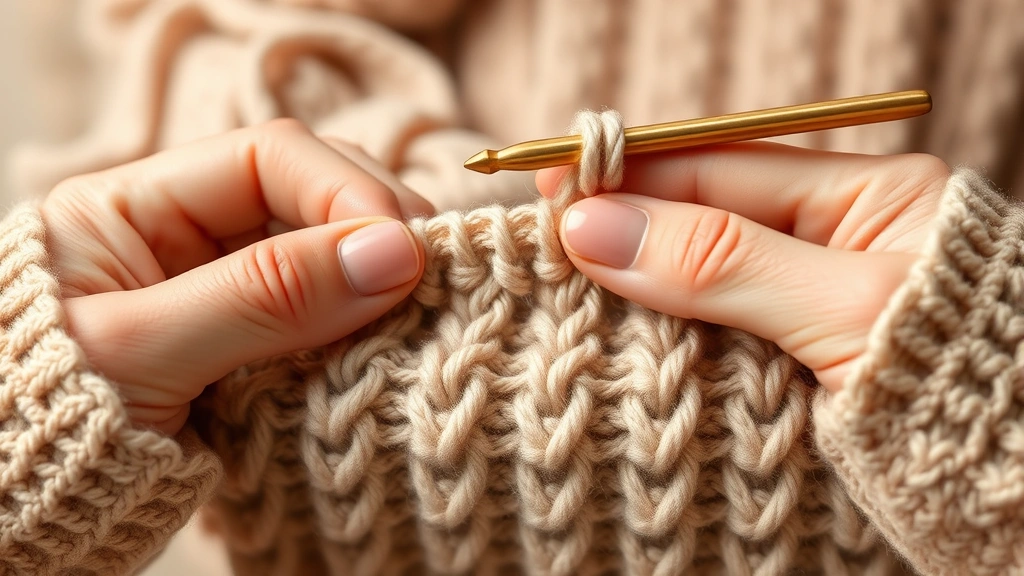
Let’s start with the absolute foundation: what your yarn is actually made of. This matters way more than people realize, because fiber content determines basically everything about how your finished project will feel, wear, and perform over time.
Natural fibers like wool, cotton, bamboo, and linen each have their own personality. Wool is the classic for a reason—it’s warm, elastic, forgiving when you make mistakes, and it actually gets softer the more you wear it. If you’re making a cozy sweater or winter accessories, wool is often your best friend. But here’s the real talk: not everyone can wear wool directly against their skin. Some people find it itchy or they’re genuinely allergic. That’s where understanding different fiber options becomes crucial.
Cotton is breathable and perfect for summer projects like lightweight tops, amigurumi, or kitchen cloths. The catch? Cotton doesn’t have much elasticity, so it stretches out over time and can feel a bit stiff when you’re first working with it. Bamboo is silky smooth and drapes beautifully, making it gorgeous for shawls and delicate garments. Linen is sturdy and gets softer with washing, ideal for structured pieces.
Synthetic fibers like acrylic get a bad rap sometimes, but honestly? They’re practical and underrated. Acrylic is affordable, easy to care for (usually machine washable), and comes in nearly every color imaginable. It’s perfect when you’re practicing a new technique, making items for kids who’ll destroy anything, or when your budget is tight. Acrylic doesn’t breathe as well as natural fibers and it can pill with wear, but for certain projects it’s genuinely the right choice.
Most yarn you’ll find is actually a blend—and this is where things get interesting. A wool-acrylic blend gives you the warmth and elasticity of wool with the durability and affordability of acrylic. Wool-cotton blends are lighter and less itchy than pure wool. Bamboo-wool blends are silky but still have structure. Understanding what a blend offers helps you make intentional choices rather than just grabbing whatever’s on sale.
Here’s my expert tip: when you’re at a yarn shop or shopping online, actually touch the yarn if you can. Even through a screen, try to find reviews that describe how the yarn feels. Read the fiber content label carefully. A yarn that’s 50% acrylic and 50% wool is going to behave completely differently than one that’s 90% acrylic with just 10% wool. Those percentages matter.
Yarn Weight, Yardage, and Project Size
Yarn weight is probably the most misunderstood concept for people newer to crochet. It’s not about how heavy the yarn physically is—it’s about how thick or thin it is. The standard yarn weight system goes from 0 (lace) all the way up to 7 (jumbo), and understanding this is absolutely essential before you buy.
A fingering weight or lace weight yarn (weights 0-1) is thin and delicate. You’ll need a lot of yardage to make even a small project, which means a tiny ball of yarn can actually contain hundreds of yards. These are beautiful for intricate shawls and doilies, but they require patience and a smaller hook. If you’re learning crochet fundamentals, this isn’t your friend.
Sport and DK weight (weights 2-3) are lighter and great for garments that need drape, like summer tops or baby items. Worsted weight (weight 4) is the workhorse of crochet. It’s thick enough to work up quickly, thin enough to create nice stitch definition, and it’s what most patterns assume you’re using. If a pattern doesn’t specify weight, it’s almost always worsted.
Bulky and super bulky (weights 5-7) work up incredibly fast. You can finish a cozy blanket in a weekend with bulky yarn. The tradeoff? Projects tend to look more textured and less refined, and the stitch definition gets harder to see. But if you want instant gratification, bulky is your jam.
Now, yardage is where people get confused. A 100-gram ball of fingering weight might have 400+ yards, while a 100-gram ball of bulky weight might only have 100 yards. So you can’t just go by weight—you need to check the yardage on the label. When you’re matching yarn to specific crochet patterns, the yardage requirement is non-negotiable. If a pattern calls for 800 yards of worsted weight and you buy a yarn with only 600 yards, your project won’t be finished. You’ll run out.
Here’s a practical breakdown: if you’re making a basic rectangular blanket, you’ll generally need 1,500-3,000 yards depending on size. A sweater typically needs 1,200-2,000 yards. A smaller item like a hat or cowl needs 400-800 yards. Baby items need less, adult items need more. Always check the pattern for specific yardage before you buy, and if you’re worried about running out, get a little extra.
Budget-Friendly vs. Luxury Fibers
Let’s be honest: yarn prices can get wild. You can buy a skein of acrylic for $2, and a skein of merino wool for $15, and a skein of hand-dyed luxury blend for $25+. Your budget matters, and there’s absolutely nothing wrong with working within realistic constraints.
Budget-friendly options are your salvation when you’re practicing new techniques, making gifts for people you’re not sure will appreciate the work, or just want to crochet for the joy of it without financial stress. Acrylic yarn from brands available at most craft stores works beautifully. Cotton blends are affordable and practical. These aren’t “lesser than” premium yarns—they’re just different tools for different purposes.
The thing about expensive yarn is that it’s not always worth the cost for every project. A luxury merino blend might feel absolutely divine, but if you’re making something with a simple stitch pattern that won’t showcase the yarn’s beauty, you’re kind of wasting the investment. Conversely, if you’re making an intricate lace shawl that’ll highlight every stitch, a higher-quality yarn often makes the finished piece genuinely more beautiful.
Here’s my real-world advice: splurge on yarn for projects you’ll actually wear frequently or that showcase detailed stitch work. Go budget-friendly for practice projects, items you’re gifting to kids, or anything that’ll get heavy use and washing. And honestly? Some of the best yarn for value is mid-range. Brands like Ravelry let you filter by price, and you can find quality yarn at reasonable prices if you look.
One more thing: buying yarn on sale is great, but only if you actually have a project in mind. That gorgeous skein marked down 50% isn’t a deal if it sits in your stash for three years untouched. Buy with intention.
Care Requirements and Durability
This is where a lot of people get tripped up, and honestly, it’s because yarn labels can be confusing. That little symbol showing a hand-wash bucket or a machine-wash instruction? That’s telling you how your finished project needs to be cared for, and you need to be real about whether you’ll actually do that.
Hand-wash only yarn sounds luxurious, but if you’re making a sweater for someone who’ll just toss it in the machine anyway, you’ve wasted premium yarn. If you’re making a delicate lace shawl you’ll wear once a year to special events, hand-washing is reasonable. But if you’re making a cozy blanket that’ll get weekly use? Machine-washable is basically non-negotiable.
Wool can felt if you wash it wrong, which sounds dramatic but is totally preventable. Use cool water, gentle detergent, and air dry. Delicate blends might need similar care. Acrylic and cotton-acrylic blends are usually machine washable, which makes them practical for everyday items. Linen and cotton get softer with washing but need to be dried carefully to prevent excessive stretching.
Durability also depends on fiber content. Pure wool can pill with friction but actually lasts forever with proper care. Acrylic pills more readily and doesn’t improve with age. Cotton softens beautifully but stretches out. Blends offer compromises—sometimes they’re durable and easy-care, sometimes they’re a bit of both but not perfect at either.
Here’s my honest take: if you’re making something for everyday use by someone who won’t hand-wash it, choose yarn that’s machine washable. Your finished project will actually be used and loved instead of sitting pristine in a closet. Practical beauty beats perfect delicacy every single time.
Matching Yarn to Specific Projects
Now let’s talk about putting this all together. When you find a pattern you want to make, how do you actually choose yarn that’ll work?
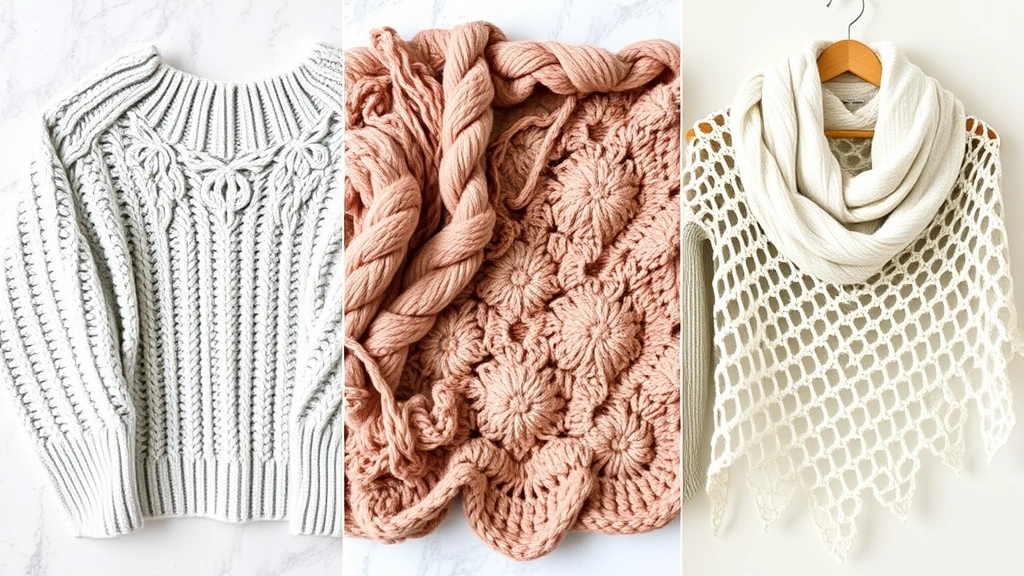
For wearables like sweaters and cardigans: You need a yarn that’s breathable enough to be comfortable against skin, elastic enough to maintain shape, and durable enough for regular wear. Merino wool, wool blends, or cotton blends work beautifully. Check the pattern for recommended weight and yardage—this is non-negotiable. If the pattern shows a yarn that drapes nicely and you want that same effect, choose a yarn with similar fiber content and weight. If you’re substituting yarn, make sure the weight is the same or very close, and that you have enough yardage.
For blankets and afghans: This is where you can be more flexible. Bulky yarn makes projects faster, worsted weight is traditional, and even thinner yarn works if you’re patient. Consider how the finished blanket will be used. A baby blanket needs to be soft and washable. A decorative throw can be more delicate. A weighted blanket for someone with anxiety needs to be durable and substantial.
For amigurumi and stuffed items: You want a yarn tight enough that stuffing doesn’t show through the stitches. Worsted weight or slightly lighter works best. Cotton or cotton-acrylic blends are practical because these items often get washed. Avoid slippery yarns like pure bamboo or silk blends—they’re hard to work with for tight stitching.
For shawls and wraps: This is where you can showcase beautiful yarn. Lace or fingering weight creates delicate drape. Worsted weight makes structured wraps. Merino, bamboo, or quality blends really shine here because the finished piece will highlight the yarn’s beauty. Yarnspirations has gorgeous shawl patterns if you’re looking for inspiration.
For practice projects: Use whatever yarn you have or can afford. Don’t stress about fiber content or yardage precision. You’re learning, and that’s the whole point. Budget acrylic is your friend here.
Testing and Swatching Before You Commit
Here’s something that’ll save you from yarn regret: actually test your yarn before you dive into a big project. I’m talking about making a swatch—a small square of crochet using your chosen yarn and the hook size the pattern recommends.
A swatch does several things. First, it tells you if the yarn actually works with that stitch pattern. Some yarns are too slippery and stitches slide around. Some are too sticky and get caught. A swatch shows you this immediately, not 10 hours into a sweater. Second, it shows you how the yarn looks when worked up. That beautiful variegated colorway might create a chaotic striped mess with your stitch pattern, or it might be stunning. You need to see it.
Third, a swatch lets you check your tension and see if you’re happy with how the finished fabric looks and feels. And fourth—this is practical—you can hand-wash your swatch and see how the yarn actually behaves. Does it felt? Does it pill? Does it get softer or stiffer? Does the color hold?
Making a swatch feels like extra work, but trust me: it’s way less frustrating than frogging (ripping out) three hours of crochet because you hate how the yarn feels or looks in the pattern. Spend 20 minutes on a swatch. You’ll thank yourself.
When you’re ready to explore different yarn types and see what’s available, check out established yarn retailers and Ravelry, which is basically the encyclopedia of yarn and patterns. You can filter by fiber, weight, price, and read actual reviews from people who’ve used the yarn.
FAQ
What’s the difference between yarn weight and yarn thickness?
Yarn weight is the standardized category (0-7 scale) that tells you how thick the yarn is. Thickness is just the physical measurement. They’re basically the same thing, but “weight” is the official term used on labels and in patterns. Always check the weight number on the label to make sure you’re buying the right yarn for your pattern.
Can I substitute one yarn for another if the weight is the same?
Not always. Weight is important, but fiber content matters too. A worsted weight acrylic and a worsted weight merino will work up at similar speeds, but they’ll look and feel completely different. If you’re substituting, try to match both weight and fiber characteristics. Test with a swatch first.
How much yardage do I actually need for a simple blanket?
A basic rectangular blanket about 40×50 inches needs roughly 1,500-2,000 yards of worsted weight yarn. Bulky yarn needs less yardage because each stitch covers more area. Always check your specific pattern for exact yardage requirements.
Is expensive yarn always better?
Not always. Expensive yarn is often higher quality and more beautiful, but the “best” yarn is the one that works for your specific project and budget. A $2 acrylic yarn is genuinely better than a $20 luxury yarn if you’re practicing a new stitch. Choose based on your project needs, not just price.
What should I do if I run out of yarn before finishing a project?
If you’re close to done, you might be able to find the same dye lot (same color batch) online or at a yarn shop. If not, you can add a contrasting color for a border or design element. Or you can frog back to where you can finish with what you have. Always buy a little extra yardage if you’re uncertain.
How do I know if a yarn will be itchy?
Check the fiber content and read reviews. Pure wool can be itchy for sensitive skin, but merino wool is usually softer. Acrylic and cotton blends are generally non-itchy. If you’re sensitive, test a small swatch or find reviews from people with similar concerns. Many yarn shops let you feel samples before buying.