You know that feeling when you’re halfway through a gorgeous blanket and suddenly realize your edges are wavy, your stitches are uneven, and what was supposed to be a rectangle looks more like abstract art? I’ve been there more times than I care to admit, and I’m here to tell you that consistent tension in crochet isn’t just about making pretty projects – it’s about saving your sanity and your yarn budget.
After years of frogging projects and wondering why my gauge was all over the place, I finally cracked the code on tension control. The truth is, most crochet tutorials skip over this crucial skill, assuming you’ll just “figure it out” along the way. But tension affects everything from your stitch definition to your finished measurements, and getting it right can transform your crochet from frustrating to absolutely enjoyable.
Whether you’re a beginner struggling with loose loops or an experienced crocheter whose tension changes mid-project (hello, Netflix binging sessions), this guide will help you develop the muscle memory and techniques needed for beautifully consistent stitches. We’ll cover everything from how to hold your yarn properly to troubleshooting common tension problems that can derail even the most carefully planned projects.
Quick Answer
Consistent crochet tension comes from proper yarn hold, relaxed grip pressure, and maintaining steady rhythm. Practice the pencil grip method, keep your non-hook hand positioned consistently, and work at a comfortable pace to develop muscle memory for even stitches.
Understanding Crochet Tension Basics
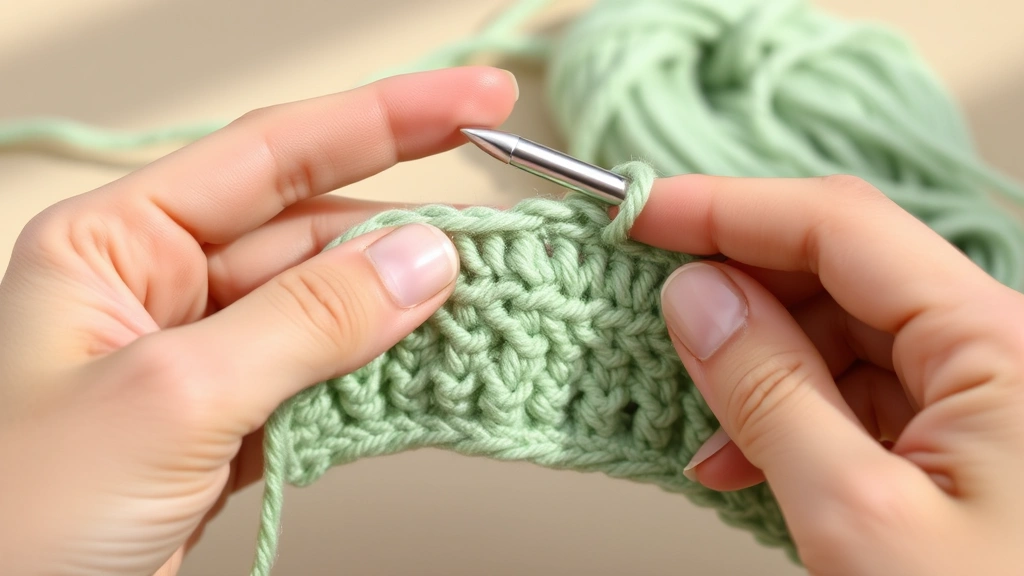
Tension in crochet refers to how tightly or loosely you pull your yarn as you work, which directly affects the size and appearance of your stitches. Think of it as the pressure you apply when writing – too light and your letters are barely visible, too heavy and you tear through the paper. In crochet, proper tension creates stitches that are neither so tight they’re difficult to work into nor so loose they create gaps in your fabric.
Your tension impacts three critical aspects of your finished work: gauge, drape, and durability. When your gauge is consistent, your projects will match the intended measurements. Proper tension also affects how your fabric hangs and feels – too tight creates stiff, inflexible fabric, while too loose results in floppy, unstable pieces that may stretch out of shape over time.
The key to understanding tension lies in recognizing that it’s not just about the yarn – it’s about the entire motion of creating each stitch. Your hand position, grip pressure, yarn path, and even your sitting posture all contribute to your overall tension. This is why you might notice your tension changing when you’re tired, stressed, or distracted by a particularly gripping TV show.
Pro Tip: Your natural tension will likely be different from the pattern designer’s, and that’s completely normal. The goal isn’t to match someone else’s tension perfectly, but to maintain your own consistent tension throughout a project.
How to Hold Your Yarn for Perfect Tension
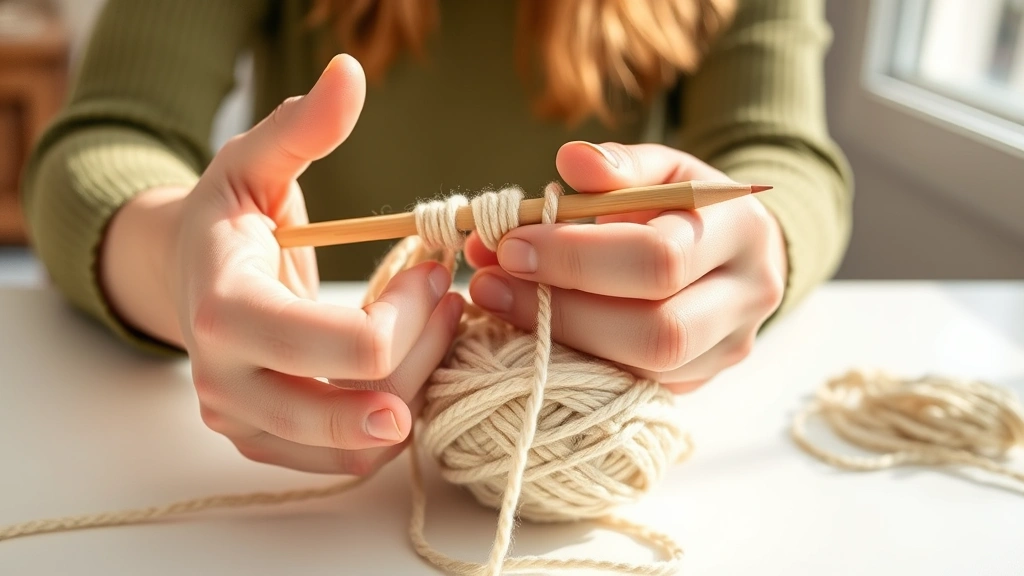
The way you hold your yarn is the foundation of consistent tension, and there are several effective methods to choose from. The most popular and reliable technique is the “pencil grip” method, where you hold your yarn-feeding hand like you’re gripping a pencil, with the yarn weaving between your fingers to create natural tension control.
For the pencil grip, start by holding the yarn between your pinky and ring finger, then bring it up and over your index finger. Your middle finger acts as a guide, helping to control the yarn flow as you work. This method works particularly well with worsted weight yarn and provides excellent control for both beginners and experienced crocheters.
Another effective method is the “knife grip,” where you hold the yarn more like you’re gripping a knife handle. Thread the yarn under your pinky, over your ring finger, under your middle finger, and over your index finger. This creates multiple tension points and works especially well for those who tend to crochet tightly or are working with slippery yarns like silk or bamboo.
Yarn Threading Techniques
The path your yarn takes through your fingers creates the tension control system. For lighter control, use fewer fingers in the yarn path. For more control with slippery yarns or when working intricate lace patterns, add more fingers to the path. Experiment with different threading patterns to find what feels most comfortable and gives you the most consistent results.
| Yarn Type | Recommended Hold | Tension Level |
|---|---|---|
| Cotton | Pencil grip | Medium |
| Acrylic | Pencil grip | Medium-light |
| Wool | Knife grip | Medium-firm |
| Silk/Bamboo | Knife grip + extra finger | Firm |
Mastering Hook Grip and Hand Position
Your hook grip works in partnership with your yarn hold to create consistent tension. The two main grip styles are the knife grip and the pencil grip, and your choice often depends on your hand size, the type of project you’re working on, and personal comfort preferences.
The knife grip involves holding your hook like a dinner knife, with your hand positioned over the hook and your thumb and index finger controlling the movement. This grip provides excellent leverage for working through thick fabrics or when using chunky yarn weights, and many find it less tiring for extended crochet sessions.
The pencil grip, where you hold the hook like a writing instrument, offers more precise control and is particularly beneficial for detailed work like amigurumi or intricate stitch patterns. Your thumb and index finger guide the hook while your other fingers provide stability and support.
Hand Position and Wrist Alignment
Regardless of which grip you choose, proper wrist alignment is crucial for both tension consistency and preventing repetitive strain injuries. Keep your wrists in a neutral position – not bent up or down – and avoid gripping too tightly. Your hands should feel relaxed, with just enough pressure to maintain control.
I used to grip my hook so tightly that my hand would cramp after just 20 minutes of crocheting. Once I learned to relax my grip and focus on smooth, flowing movements, I could work for hours without discomfort, and my stitches became much more even.
Building Consistent Rhythm and Muscle Memory
Developing consistent tension is largely about building muscle memory through repetitive practice, much like learning to play a musical instrument. Your hands need to learn the proper movements so well that they can maintain consistent tension even when your attention is divided between your project and a conversation or TV show.
Start by establishing a steady rhythm for your stitches. Count out loud if it helps: “yarn over, pull through, yarn over, pull through.” This rhythmic approach helps prevent the speed variations that often lead to tension inconsistencies. When you’re working on simple beginner projects, focus more on maintaining steady rhythm than on speed.
Practice the same stitch type repeatedly to build muscle memory. Single crochet is excellent for this because it’s simple enough that you can focus entirely on your hand position and tension rather than remembering complex stitch sequences. Work swatches of 20-30 stitches across and 10-15 rows high, paying attention to how each stitch feels as you create it.
Environmental Factors
Your environment significantly impacts your ability to maintain consistent tension. Ensure you have good lighting so you’re not straining to see your work, which can cause you to unconsciously tighten your grip. Your seating position matters too – sit upright with your shoulders relaxed and your project positioned so you’re not hunching over it.
Temperature Tip: Cold hands tend to grip more tightly, while warm, relaxed hands maintain better tension control. If you’re crocheting in a cool room, warm up your hands first with some gentle stretching or by holding a warm cup of tea.
Fixing Common Tension Problems
Even experienced crocheters encounter tension problems, and the key to solving them is identifying the root cause rather than just the symptoms. If your work is getting progressively tighter, you’re likely gripping more firmly as you concentrate, or your yarn-feeding hand is moving closer to your work. Take regular breaks to reset your hand position and consciously relax your grip.
Loose, sloppy stitches often result from holding the yarn too far from your hook or not maintaining enough control in your yarn-feeding hand. This problem is particularly common when working with smooth yarns or when you’re tired and your attention starts to wander. The solution is to bring your yarn-feeding hand closer to your work and add an extra finger to your yarn path for more control.
Inconsistent stitch height is another common issue, especially when working taller stitches like double crochet. This usually happens when you’re not maintaining consistent yarn-over tension or when you’re pulling your loops to different sizes. Focus on making each yarn-over motion identical and pulling your working loop to the same size each time.
Mid-Project Tension Changes
Nothing’s more frustrating than noticing your tension has shifted halfway through a project. This often happens when you take a break and return to your work, or when your stress level changes. Before continuing after any break, work a few practice stitches on a separate piece of yarn to re-establish your rhythm and tension.
| Problem | Likely Cause | Solution |
|---|---|---|
| Getting tighter | Increased grip pressure | Conscious relaxation, frequent breaks |
| Getting looser | Decreased yarn control | Adjust yarn path, add finger control |
| Uneven height | Inconsistent yarn-overs | Focus on uniform loop size |
| Curling edges | Too tight foundation chain | Use larger hook for foundation |
Effective Practice Exercises
Dedicated practice exercises can dramatically improve your tension consistency faster than just hoping it’ll get better as you work on projects. The key is to practice with intention, paying attention to how each stitch feels and making conscious adjustments when you notice inconsistencies.
Start with the “20-stitch challenge” – create a foundation chain of 20 stitches, then work single crochet across for 15 rows. Focus entirely on making each stitch feel identical to the last. Don’t worry about speed; concentrate on the sensation of proper tension. When you’re comfortable with single crochet, repeat the exercise with half double crochet and double crochet.
The “tension ladder” exercise is particularly helpful for developing control across different stitch heights. Work one row each of single crochet, half double crochet, double crochet, and treble crochet, maintaining the same tension throughout. This exercise teaches you how to adjust your technique while keeping your overall tension consistent.
- Warm-Up Routine
Begin each practice session with 5 minutes of simple single crochet, focusing on establishing your rhythm and hand position. This helps your hands remember the correct positioning before moving to more complex exercises.
- Stitch Consistency Drill
Work swatches using only one stitch type, counting your stitches out loud to maintain rhythm. Aim for 50 identical stitches before moving to the next exercise.
- Tension Transition Practice
Deliberately practice switching between tight and loose tension, then returning to your natural tension. This builds awareness of how different tensions feel and improves your control.
Tension Tips for Different Project Types
Different types of crochet projects require different approaches to tension management. Amigurumi projects need tight, consistent tension to prevent stuffing from showing through, while lacework requires looser tension to allow the delicate patterns to open up properly. Understanding these project-specific needs will help you adjust your technique accordingly.
For blankets and afghans, consistency is more important than the exact tension level, since you’ll be working the same stitches repeatedly over a large area. Any tension variations will be magnified across the large surface area, so take extra care to maintain your rhythm and hand position throughout these longer projects. Consider using stitch markers to help maintain consistent row spacing.
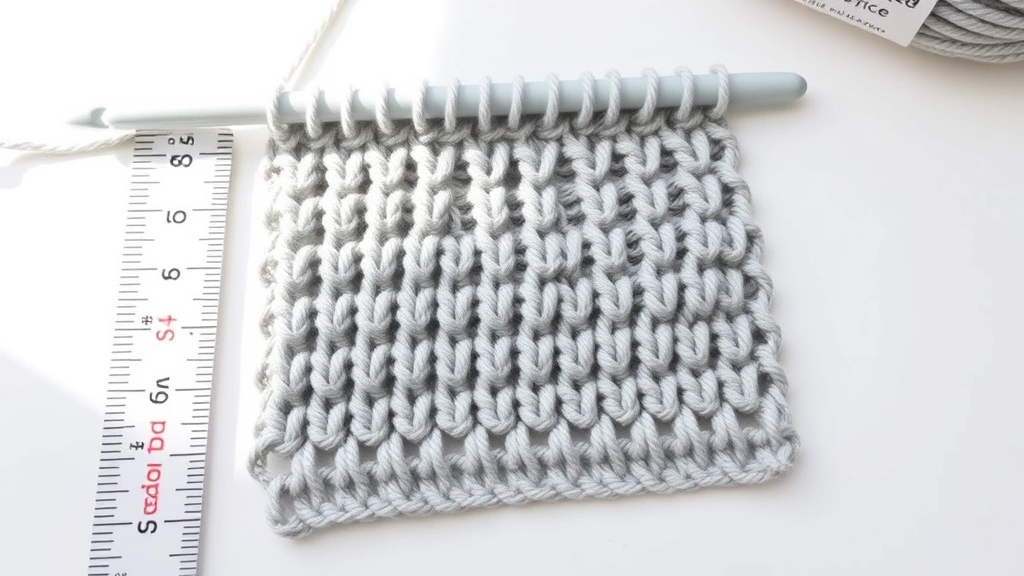
Garment construction requires the most precise tension control because fit and drape depend heavily on matching the designer’s gauge. Always work a generous gauge swatch – at least 6 inches square – and measure it carefully. If your tension is off, adjust your hook size rather than trying to force your natural tension to change dramatically.
Yarn Weight Considerations
Heavier yarns like bulky and super bulky weights are more forgiving of minor tension variations, while lighter weights like fingering and sport show every inconsistency. When working with fine yarns, pay extra attention to your yarn path and consider using a yarn threader or needle to help maintain consistent yarn positioning.
Project Switching Tip: If you’re working on multiple projects simultaneously, spend a few minutes re-establishing your tension each time you switch between projects, especially if they use different yarn weights or stitch patterns.
Common Questions
How long does it take to develop consistent crochet tension?
Most crocheters see significant improvement in tension consistency within 2-3 weeks of regular practice, but developing truly automatic muscle memory typically takes 2-3 months of consistent crocheting. The key is regular practice – even 15 minutes daily is more effective than longer, infrequent sessions.
Should I change my hook size if my tension is too tight or loose?
Yes, adjusting your hook size is often easier than dramatically changing your natural tension. If your gauge swatch is too small (tight tension), go up a hook size. If it’s too large (loose tension), go down a size. Most patterns accommodate 1-2 hook size adjustments without affecting the final result.
Why does my tension change when I’m watching TV while crocheting?
Divided attention often leads to unconscious changes in grip pressure and rhythm. When you’re focused on the screen, you might grip tighter during exciting scenes or loosen up during calm moments. Practice maintaining awareness of your hands even when distracted, or choose simpler projects for TV crocheting sessions.
Is it normal for my tension to be different with different yarn types?
Absolutely! Slippery yarns like silk or bamboo naturally require firmer tension control, while sticky yarns like some wools might need a lighter touch. Cotton yarns typically provide the most predictable tension experience, which is why they’re often recommended for beginners.
How do I maintain consistent tension on very long projects like blankets?
Break large projects into smaller sections and check your gauge periodically. Mark your progress every 10-20 rows and compare stitch size to earlier sections. Take regular breaks to prevent fatigue, which is a major cause of tension changes in long projects.
Can ergonomic hooks help with tension consistency?
Yes, ergonomic hooks can significantly improve tension consistency by reducing hand fatigue and providing better grip control. The Yarnspirations community often recommends trying different hook styles to find what works best for your hands and crocheting style.
What’s the best way to practice tension if I’m a complete beginner?
Start with worsted weight acrylic yarn in a light color and a size H (5mm) hook. Practice single crochet stitches in rows, focusing on making each stitch feel the same rather than worrying about speed or complex patterns. The Craft Yarn Council provides excellent beginner resources for establishing good habits from the start.
How do I know if my tension is actually improving?
Keep your early practice swatches and compare them to newer work. You should see more uniform stitch size, straighter edges, and more consistent fabric drape. Your hands will also feel more relaxed during crocheting sessions, and you’ll find yourself making fewer conscious adjustments to your grip and yarn position.
Mastering consistent crochet tension isn’t about perfection – it’s about developing the muscle memory and awareness that allows you to create beautiful, even stitches without constantly worrying about your technique. Remember that every crocheter’s natural tension is different, and what matters most is maintaining your own consistency throughout each project.
The techniques and exercises we’ve covered will help you build the foundation for confident, enjoyable crocheting. Start with the basic yarn hold and hook grip that feels most comfortable, practice regularly with simple stitches, and be patient with yourself as your hands learn these new movement patterns. With time and consistent practice, proper tension will become as automatic as tying your shoes.
Keep experimenting with different approaches until you find your perfect combination of yarn hold, hook grip, and rhythm. Your future self will thank you for taking the time to master this fundamental skill – every project you make from here on out will be more enjoyable and more beautiful because of the solid foundation you’re building now.