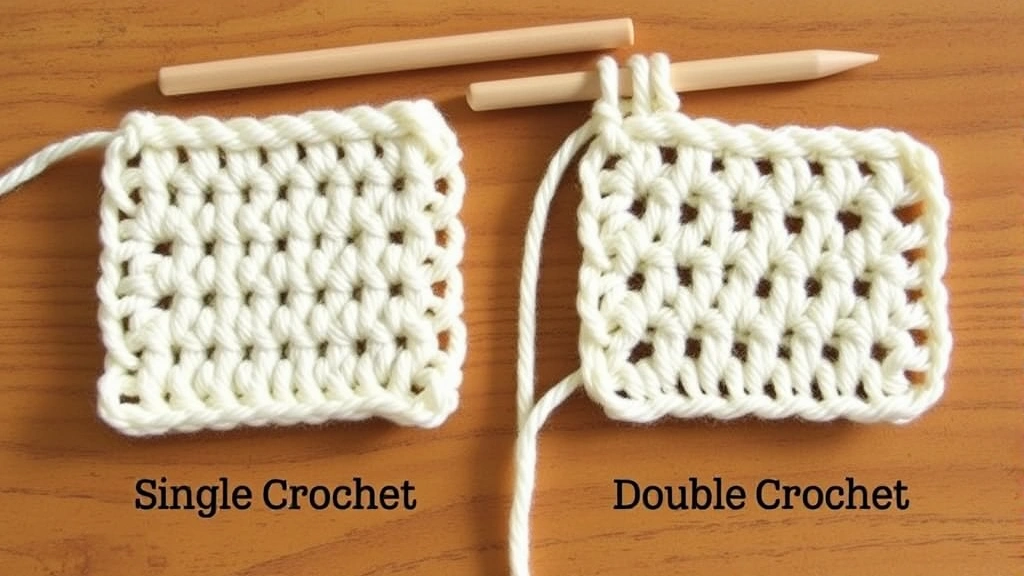
Last month, I was helping my neighbor Sarah with her first crochet project when she asked me something that stopped me in my tracks: “What’s the difference between single crochet and double crochet?” It seems like such a basic question, but you know what? I realized that understanding these fundamental stitches is exactly what separates confident crocheters from those who struggle with every project.
Here’s the thing – single crochet and double crochet aren’t just different heights. They create completely different fabric textures, use different amounts of yarn, and work up at totally different speeds. Once you really understand how they work and when to use each one, your whole crochet game changes.
I’ve been crocheting for over fifteen years, and I still remember the frustration of not knowing which stitch to choose for a project. Should I use single crochet for that baby blanket? Will double crochet be too loose for a dishcloth? These decisions matter more than most patterns let on, and getting them wrong can mean the difference between a project you love and one that sits unfinished in your craft room.
Quick Answer
Single crochet creates dense, sturdy fabric that’s perfect for structured items like bags and dishcloths, while double crochet works up faster and creates a lighter, more drapey fabric ideal for blankets and scarves. The main difference is height – single crochet is about as tall as it is wide, while double crochet is roughly twice as tall.
How Each Stitch Actually Works
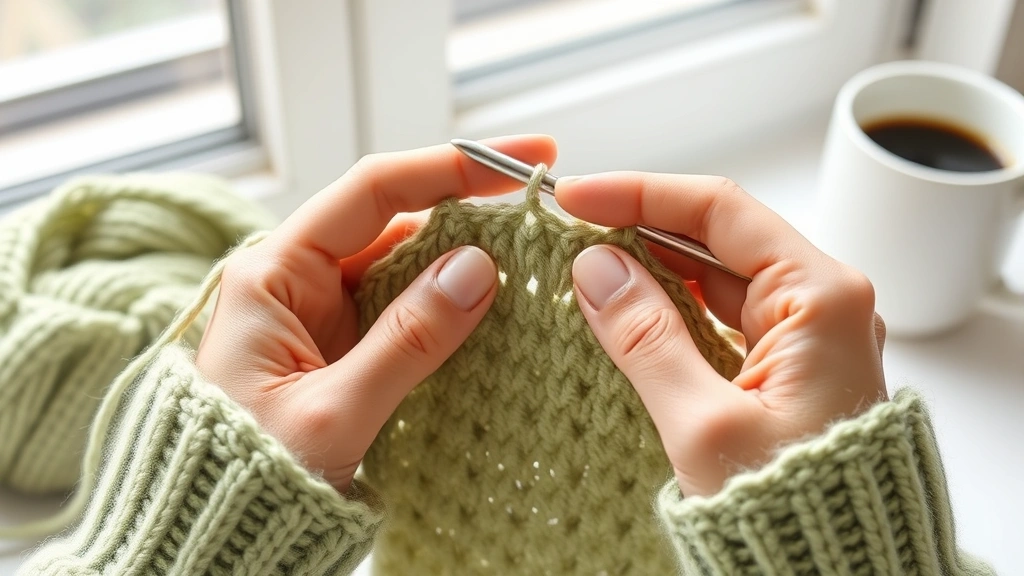
Let me break down the mechanics of each stitch because understanding the “why” behind the movements makes everything click into place. When you’re working single crochet stitches, you’re essentially creating the shortest possible stitch in crochet. You insert your hook, yarn over, pull through (two loops on hook), yarn over again, and pull through both loops. That’s it – one motion, one stitch height.
Double crochet is where things get interesting. You start with a yarn over before inserting your hook, which immediately adds height. Then you insert, yarn over, pull through (three loops on hook now), yarn over, pull through two loops (two loops remain), yarn over again, and pull through the final two loops. Those extra yarn overs create the additional height that gives double crochet its characteristic look.
The height difference is dramatic. A single crochet stitch measures roughly the same height as its width – if you’re using worsted weight yarn with a size H hook, that’s about 3/8 inch tall. Double crochet with the same materials will be about 3/4 inch tall, literally double the height. This isn’t just trivia – it affects everything from your gauge to your yarn consumption.
Fabric Weight and Texture Comparison
The fabric these stitches create couldn’t be more different, and this is where your project choice really matters. Single crochet creates what I call “bulletproof” fabric – it’s dense, structured, and holds its shape beautifully. When I make market bags or dishcloths, I always reach for single crochet because that tight weave won’t stretch out or lose its form over time.
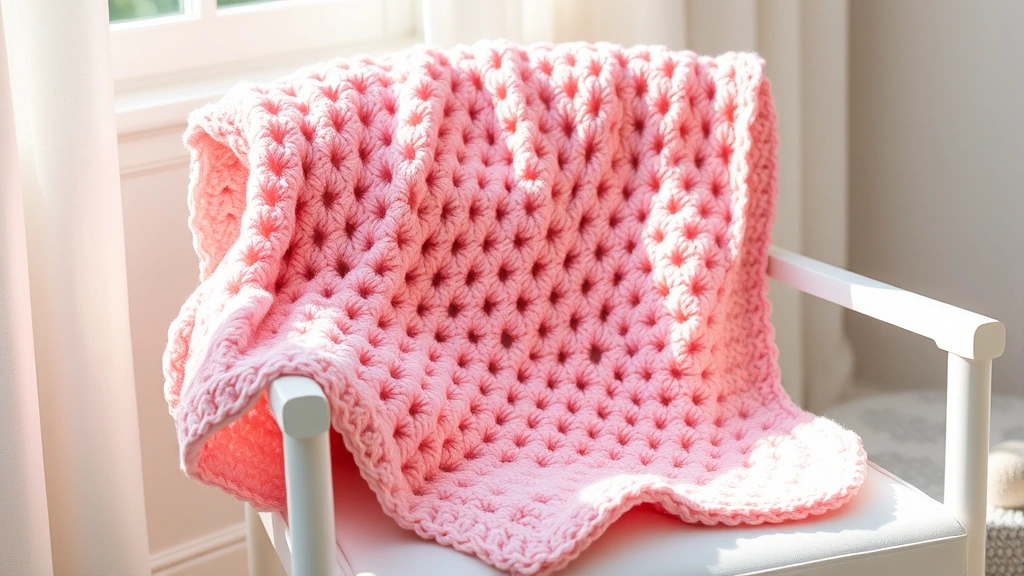
Double crochet, on the other hand, creates fabric with more drape and flow. It’s lighter weight, more flexible, and has natural stretch. This makes it perfect for garments where you want movement, or blankets where you want that cozy, drapey feel. The spaces between double crochet stitches also create better insulation – air gets trapped in those little pockets, making double crochet blankets surprisingly warm despite using less yarn.
| Characteristic | Single Crochet | Double Crochet |
|---|---|---|
| Fabric Density | Very dense, tight weave | Open, airy texture |
| Drape | Structured, holds shape | Flows naturally, flexible |
| Stretch | Minimal stretch | Natural stretch and give |
| Warmth | Dense warmth, windproof | Insulating air pockets |
| Durability | Extremely durable | Good durability, more delicate |
I learned this lesson the hard way when I made a scarf entirely in single crochet. It was gorgeous, but it hung like a board around my neck. No drape, no flow – just a stiff rectangle. Now I know that scarves need that double crochet flexibility to look and feel natural.
Best Projects for Each Stitch
Choosing the right stitch for your project isn’t just about personal preference – it’s about understanding what each stitch does best. Single crochet excels in projects where you need structure and durability. I use it for pot holders (that density provides heat protection), amigurumi projects (tight stitches prevent stuffing from showing), and any bag or basket where I want the item to hold its shape.
For dishcloths, single crochet is my go-to because it creates that perfect scrubby texture without being too harsh. The tight weave also means the cloth won’t stretch out and become misshapen after repeated washing. When I’m making coasters, single crochet provides the stability needed to actually protect furniture instead of just looking pretty.
Double crochet shines in projects where you want coverage without weight. Baby blankets are perfect for double crochet – they work up quickly, use less yarn (important when you’re on a budget), and create that soft, cuddly texture babies love. Adult blankets benefit from double crochet’s natural drape and the way it falls gracefully over furniture.
Single Crochet Project Ideas
- Dishcloths and washcloths
- Market bags and shopping totes
- Amigurumi and stuffed animals
- Pot holders and trivets
- Baskets and storage containers
- Phone cases and small accessories
Double Crochet Project Ideas
- Baby blankets and throws
- Scarves and shawls
- Lightweight sweaters
- Curtains and home décor
- Beach cover-ups
- Quick gift projects
Remember, these are guidelines, not rules. I’ve seen beautiful single crochet blankets and stunning double crochet bags. The key is understanding what trade-offs you’re making with each choice.
Yarn Usage and Speed Differences
Here’s where the math gets interesting, and your wallet will thank you for paying attention. Double crochet uses significantly less yarn than single crochet for the same coverage area. In my testing with Red Heart Super Saver worsted weight yarn, a 6-inch square in single crochet used about 45 yards of yarn, while the same size square in double crochet used only about 30 yards.
That might not sound like much, but it adds up fast. For a typical throw blanket (50 x 60 inches), you’re looking at roughly 1,200-1,400 yards for double crochet versus 1,800-2,000 yards for single crochet. That’s often the difference between buying 3 skeins versus 5 skeins of yarn.
The speed difference is even more dramatic. I can work about 15-20 single crochet stitches per minute at a comfortable pace, but I can easily manage 25-30 double crochet stitches in the same time. Plus, since each double crochet stitch covers more vertical space, you’re literally making more progress with each stitch.
But here’s the thing about speed – don’t let it be your only consideration. I’ve seen too many crocheters choose double crochet for everything just because it’s faster, then end up disappointed when their dishcloths fall apart or their bags stretch out of shape. Sometimes that extra time investment in single crochet foundation work is exactly what your project needs.
Common Problems and Solutions
Let me share the most common issues I see with each stitch, because knowing what can go wrong helps you avoid those pitfalls. With single crochet, the biggest problem is creating fabric that’s too tight. New crocheters often work single crochet so tightly that their projects curl, pucker, or become impossible to work into on subsequent rows.
The solution isn’t to crochet looser – it’s to use a larger hook. If your pattern calls for a size G hook but your single crochet fabric feels stiff as cardboard, try a size H or even I hook. Your gauge might be slightly different, but your fabric will have the right drape and workability.
Double crochet’s main issue is inconsistent height. Because there are more steps in each stitch, there are more opportunities for tension variations. I see this most often when crocheters rush through the yarn overs or don’t maintain consistent tension on the working yarn. The result is fabric that looks wavy or uneven.
Single Crochet Troubleshooting
- Curling edges: Your tension is too tight, go up a hook size
- Can’t find stitches: You might be working in the back loop only
- Rows getting shorter: You’re probably missing the turning chain
- Fabric feels stiff: Try a larger hook or softer yarn
Double Crochet Troubleshooting
- Uneven height: Focus on consistent yarn over tension
- Holes too big: Your hook might be too large for the yarn
- Stitches leaning: Check your turning chain count (should be 3)
- Loose edges: Make sure you’re working into the top of the turning chain
One issue that affects both stitches is gauge problems. Your gauge swatch might look perfect, but after 20 rows, your tension has relaxed and your fabric is growing. This is normal! Most crocheters work slightly looser as they get into a rhythm. Plan for this by checking your gauge periodically throughout longer projects.
Combining Stitches Effectively
Once you’re comfortable with both stitches individually, combining them opens up incredible design possibilities. The height difference between single and double crochet creates natural texture variations that can make simple projects look sophisticated. I love using single crochet for borders on double crochet blankets – it creates a firm, stable edge that won’t stretch out over time.
One of my favorite techniques is alternating rows of single and double crochet to create a subtle striped texture. The single crochet rows create dense horizontal lines, while the double crochet rows add height and airiness. This works beautifully with variegated yarns because the different stitch heights show off color changes differently.
For more advanced texture work, try clustering stitches. Work 3 double crochet stitches in one space, then single crochet in the next few stitches. This creates a shell-like effect that’s perfect for baby blankets or decorative borders. The key is understanding how the different stitch heights will interact.
Pro technique: Use single crochet for structural elements (like the body of a bag) and double crochet for decorative elements (like ruffles or edging). This gives you the best of both worlds – durability where you need it, and visual interest where you want it.
How to Choose the Right Stitch
When I’m starting a new project, I ask myself three key questions that almost always point me toward the right stitch choice. First: Does this project need structure or drape? If I’m making something that needs to hold its shape – like a basket, bag, or coaster – single crochet is usually the answer. If I want flow and movement, double crochet wins.
Second: How much time do I have? Be honest about this one. If you’re making a last-minute baby shower gift, double crochet will get you there faster. If you’re making something you want to last for years and you have the time to invest, single crochet’s durability might be worth the extra hours.
Third: What’s my yarn budget? This is practical but important. Double crochet stretches your yarn further, which matters when you’re working with expensive fibers or need to match dye lots. Single crochet uses more yarn but creates a denser, more substantial finished product.
| Consider Single Crochet If: | Consider Double Crochet If: |
|---|---|
| Project needs structure | You want drape and flow |
| Durability is priority | Speed is important |
| Working with slippery yarn | Yarn budget is limited |
| Making functional items | Creating decorative pieces |
| Want maximum warmth | Prefer lighter weight fabric |
Sometimes the choice isn’t obvious, and that’s okay. I’ve learned that when I’m truly torn between the two, making a small swatch of each usually reveals the answer. Spend 15 minutes making a 4-inch square in each stitch with your project yarn. Touch them, stretch them, see how they drape. Your hands will tell you what your brain might be overthinking.
Common Questions
Which stitch is easier for beginners to learn?
Single crochet is definitely easier for beginners. With fewer steps per stitch, there are fewer places to make mistakes, and the shorter height makes it easier to see what you’re doing. Most crochet teachers, including myself, start students with single crochet because it builds confidence quickly. Once you’re comfortable with the basic motions, double crochet becomes much easier to tackle.
How much more yarn does single crochet use compared to double crochet?
Single crochet typically uses 30-40% more yarn than double crochet for the same coverage area. For a standard throw blanket, this translates to about 2-3 extra skeins of worsted weight yarn. The exact difference depends on your tension, hook size, and yarn type, but this range holds true for most projects.
Can I substitute double crochet for single crochet in a pattern?
You can, but you’ll need to make significant adjustments. Double crochet works up faster and taller, so you’ll need fewer rows but the same number of stitches across. Your finished project will also have a completely different texture and drape. I’d recommend making a gauge swatch first and calculating the differences before committing to a full project substitution.
Why do my single crochet projects always curl at the edges?
Curling edges in single crochet usually indicate that your tension is too tight. Try going up one or two hook sizes while keeping the same yarn. Also, make sure you’re working into both loops of each stitch and not accidentally working into the back loop only, which can cause curling. If the problem persists, add a border of loose single crochet or half double crochet around the edges.
Which stitch is better for baby items?
It depends on the specific item. For baby blankets, I prefer double crochet because it creates a softer, more flexible fabric that’s easier to wash and dry, plus it works up faster when you’re sleep-deprived. For baby toys or items that need structure, single crochet is better because it creates tighter fabric that won’t allow small parts to poke through. Baby-safe yarn choice matters more than stitch type in most cases.
How do I keep consistent tension in double crochet?
Consistent tension in double crochet comes from controlling your yarn overs. Make sure each yarn over wraps around your hook the same way and with the same amount of yarn. Practice the motion slowly at first, focusing on making each yarn over identical. Also, try to maintain the same grip on your working yarn throughout the stitch – don’t let it slip or tighten as you work through the loops.
Which stitch is more durable for everyday use items?
Single crochet is significantly more durable for items that will see heavy use. The tight weave and dense fabric structure hold up better to washing, stretching, and general wear and tear. For items like dishcloths, pot holders, bags, and children’s toys, single crochet will last much longer than double crochet. However, double crochet isn’t fragile – it’s just not quite as bulletproof as single crochet.
Can I mix both stitches in the same project?
Absolutely! Mixing stitches creates beautiful texture and can solve practical problems too. Use single crochet for areas that need structure (like bag bottoms or blanket borders) and double crochet for areas where you want drape or decorative effect. Just remember that the different heights will affect your overall project dimensions, so plan accordingly or make test swatches first.
Understanding the real differences between single crochet and double crochet has probably saved me hundreds of hours and countless frustrations over the years. It’s not just about knowing how to make the stitches – it’s about understanding what each stitch brings to your project and choosing accordingly.
The next time you’re starting a project, take a moment to really think about what you want that finished piece to do. Do you need it to be sturdy and structured? Single crochet is your friend. Want something that flows and drapes beautifully? Double crochet will get you there. Sometimes the choice is obvious, sometimes it’s not, but now you have the knowledge to make that decision confidently.
Remember, there’s no “wrong” choice here – only different approaches that create different results. Both stitches have their place in every crocheter’s toolkit, and mastering when to use each one is what separates good crocheters from great ones. Happy stitching!