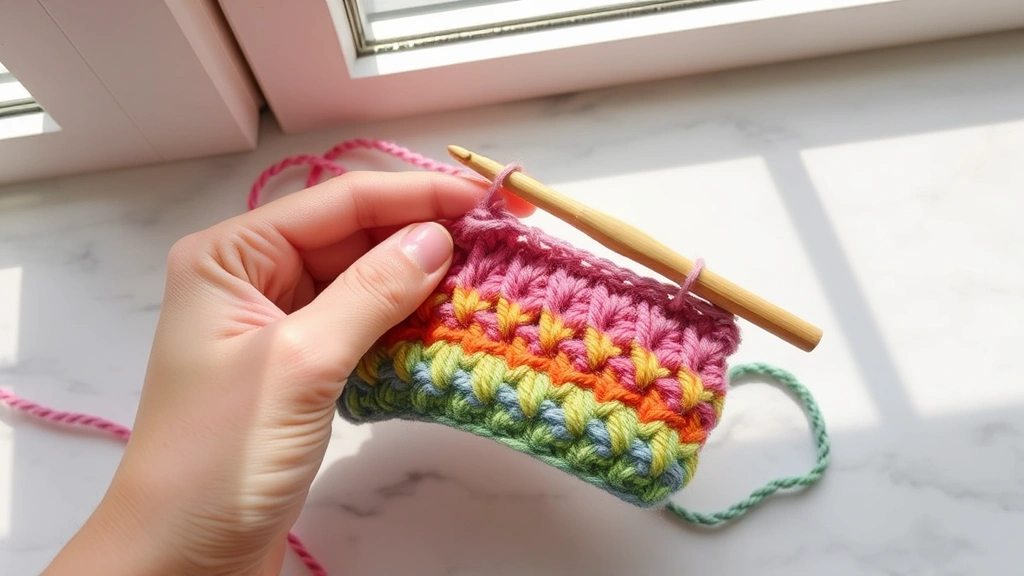
I’ll never forget the first time I tried to crochet a blanket with a variegated yarn. I was so excited about this gorgeous rainbow skein I’d found on sale, thinking it would make the most beautiful granny square afghan. Three hours and several frogged attempts later, I was staring at what looked like a muddy mess of colors that completely obscured my carefully crafted stitches. That’s when I learned the hard way that not all yarns are created equal when it comes to showing off your crochet work.
Variegated yarns can be absolutely stunning when used correctly, but they can also be your worst enemy if you don’t understand how they interact with different stitch patterns. The key is knowing which techniques will let those beautiful color changes shine and which ones will turn your masterpiece into an unrecognizable blob. After years of trial and error (and way too many frogged projects), I’ve figured out the secret to making variegated yarns work for you instead of against you.
Whether you’re drawn to subtle tonal variations or bold rainbow stripes, understanding how to work with these color-changing yarns will open up a whole new world of crochet possibilities. Let me save you from the frustration I went through and share what actually works.
Quick Answer
Variegated yarns work best with simple stitches like single crochet, half double crochet, and basic shells that don’t compete with the color changes. Avoid complex stitch patterns, cables, or intricate colorwork that will get lost in the variation.
Understanding Variegated Yarn Types
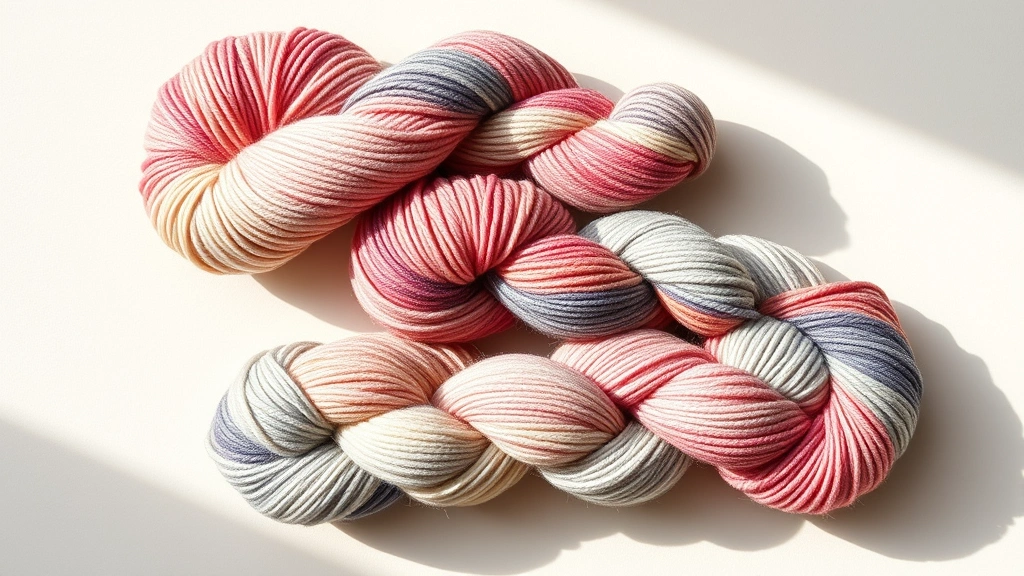
Not all variegated yarns are the same, and understanding the differences will help you choose the right one for your project. Short-repeat variegated yarns change colors every few inches, creating a more blended, speckled effect in your finished work. These are fantastic for baby blankets where you want subtle color interest without overwhelming patterns.
Long-repeat variegated yarns maintain each color for several yards before transitioning, which can create distinct stripes or blocks of color in your work. I love using these for scarves where the long color sections create beautiful gradients. The Craft Yarn Council doesn’t specifically categorize variegated yarns, but understanding repeat length is crucial for predicting how they’ll work up.
Self-striping yarns are technically a type of variegated yarn designed to create even stripes when worked in the round. These work beautifully for hats, socks, and circular shawls. The color changes are calculated based on specific stitch counts, so they work best when you follow the intended gauge.
Ombre or gradient yarns transition gradually from one color to another, creating a smooth fade effect. These are perfect for projects where you want a subtle color transition, like shawls that fade from light to dark.
Pro tip: Always buy an extra skein of variegated yarn if possible. Dye lots can vary significantly, and matching the color sequence later is nearly impossible.
Best Crochet Stitches for Variegated Yarn
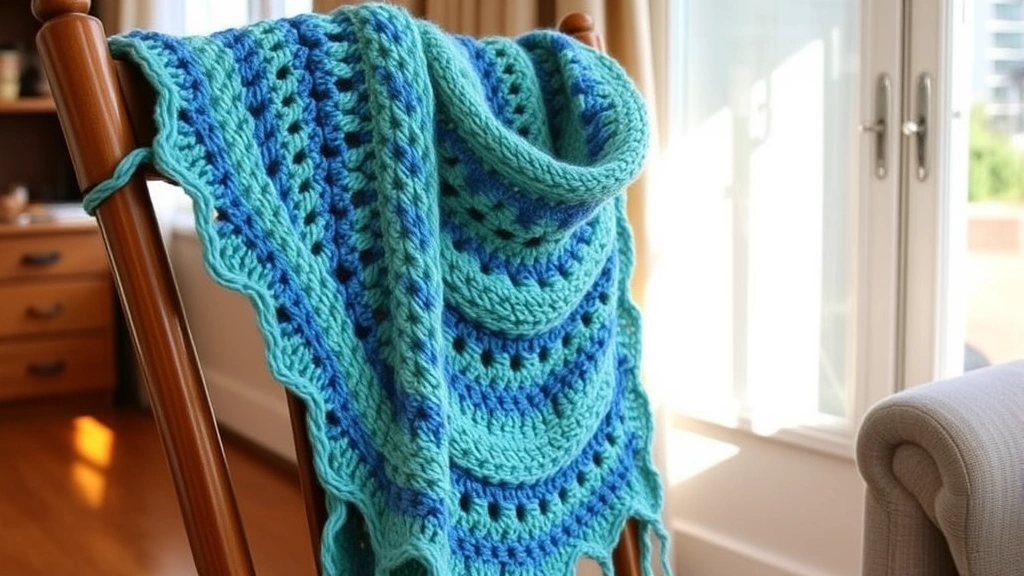
Single crochet is hands down the best stitch for showing off variegated yarn. The tight, even texture doesn’t compete with the color changes, and you get a lovely fabric that lets every color shine. I use this stitch for most of my variegated yarn projects, especially when working with shorter color repeats.
Half double crochet creates a slightly more open fabric while still maintaining good stitch definition. It works up faster than single crochet and is perfect for blankets where you want some drape. The height is just right for most variegated yarns – not so tall that colors get lost, but not so short that progress feels slow.
Simple shell stitches can work beautifully with variegated yarn, especially the classic 5-dc shell separated by single crochets. The shells create gentle texture without overwhelming the color changes. I particularly love this combination for afghan patterns where you want both visual interest and cozy texture.
Moss stitch (alternating single crochet and chain-1 spaces) creates a lovely, subtle texture that complements variegated yarn perfectly. The small spaces add visual interest without competing with the color changes, and it works up relatively quickly.
Avoid these stitches with variegated yarn: Complex cables, popcorn stitches, intricate lace patterns, or any stitch that creates strong vertical or horizontal lines that will compete with the color changes.
| Stitch Type | Works Well? | Best For |
|---|---|---|
| Single Crochet | Excellent | All projects, especially detailed work |
| Half Double Crochet | Excellent | Blankets, scarves, quick projects |
| Double Crochet | Good | Open, drapey projects |
| Shell Stitches | Good | Blankets, wraps |
| Complex Cables | Poor | Use solid colors instead |
| Intricate Lace | Poor | Colors obscure pattern |
Perfect Projects for Color-Changing Yarn
Scarves and cowls are absolutely perfect for variegated yarn. The long, narrow shape shows off color changes beautifully, and simple stitches like half double crochet or corner-to-corner create stunning results. I recommend using worsted weight yarn with a 5.5mm hook for most scarf projects.
Baby blankets look gorgeous in soft variegated yarns, especially those with shorter color repeats. The gentle color changes create visual interest without being overwhelming for little ones. Stick to simple stitches and avoid anything too open or lacy for safety reasons.
Market bags and totes are fantastic for showing off bold, colorful variegated yarns. The structure of the bag helps define the color changes, and you don’t need to worry about the colors being too busy since it’s a functional item. Cotton variegated yarns work especially well for these projects.
Dishcloths and washcloths are perfect beginner projects for experimenting with variegated yarn. You can try different stitches and see how they interact with the color changes without committing to a large project. Plus, the cotton yarns typically used for these projects often come in beautiful variegated colorways.
Simple cardigans and pullovers can look stunning in variegated yarn, but choose your pattern carefully. Avoid anything with complex shaping, cables, or colorwork. Basic rectangular construction with minimal shaping works best. Cardigan patterns with simple single crochet or half double crochet construction are ideal.
I’ve found that variegated yarn works best in projects where the color change is the star of the show, not competing with complex construction or stitch patterns.
Common Mistakes to Avoid
The biggest mistake I see crocheters make is trying to use variegated yarn for projects with intricate stitch patterns. I learned this lesson the hard way when I attempted a beautiful Celtic cable pattern with a gorgeous blue and green variegated yarn. The cables completely disappeared into the color changes, and all my hard work was invisible in the finished piece.
Don’t use variegated yarn for colorwork patterns. If your pattern calls for multiple colors or has specific color placement (like stripes or motifs), stick to solid colors. The variegated yarn will fight with your intended color design and create visual chaos.
Avoid mixing variegated with solid colors unless you really know what you’re doing. The variegated yarn will almost always overpower the solid, creating an unbalanced look. If you want to add solid colors, use them as borders or trim, not as equal partners in the main fabric.
Don’t ignore gauge with variegated yarn. The color changes can make it harder to see your stitches clearly, which often leads to tension inconsistencies. Take extra time to check your gauge and adjust your hook size if needed. I typically go up one hook size when working with busy variegated yarns to ensure my stitches don’t get too tight.
Resist the urge to frog constantly. Variegated yarn can look messy while you’re working on it, especially in the first few rows. Trust the process and work at least 4-6 inches before deciding if you like how the colors are working up. Many times what looks chaotic on the hook creates a beautiful, balanced fabric.
Pro tip: If you’re unsure about a variegated yarn, make a large swatch (at least 6×6 inches) in your planned stitch pattern before starting your project. This will give you a much better idea of how the finished piece will look.
How to Choose the Right Pattern
When browsing patterns for variegated yarn, look for designs that specifically mention working well with self-striping or variegated yarns. These patterns are designed with color-changing yarns in mind and will give you the best results. Ravelry is an excellent resource for finding patterns that other crocheters have successfully made with variegated yarns.
Simple construction is key. Look for patterns with minimal shaping, basic rectangles, or simple geometric shapes. The more complex the construction, the more likely the variegated colors will compete with the design elements. Granny square patterns can work, but choose carefully – solid granny squares work better than complex motifs.
Check the stitch count and row height. Patterns with very few stitches per row might not show off longer color repeats well, while patterns with many stitches might chop up shorter repeats awkwardly. Consider how your yarn’s color repeat length will interact with the pattern’s structure.
Read the yarn requirements carefully. If a pattern calls for 1200 yards of yarn, but your variegated skein only has 400 yards, you’ll need three skeins. Make sure you can get matching dye lots, or consider if the color differences between skeins will work with your design.
For sweater patterns, stick to very simple designs with minimal shaping. Raglan construction often works better than set-in sleeves because the color changes flow more naturally across the seamless construction.
Managing Color Pooling Effects
Color pooling happens when the same colors consistently line up in your work, creating unintentional patterns or blotches. Sometimes this creates beautiful effects, but other times it can ruin your project. Understanding how to control or embrace pooling is crucial when working with variegated yarn.
Planned pooling is a technique where you intentionally manipulate your stitch count to create specific color patterns. This works best with yarns that have very consistent color sequences. You’ll need to swatch extensively and count stitches carefully, but the results can be stunning geometric patterns.
To minimize unwanted pooling, try changing your hook size slightly or adjusting your tension. Sometimes going up or down just half a hook size is enough to shift the color placement and break up pooling patterns. You can also try starting your second skein at a different point in the color sequence.
Embrace random pooling by choosing stitches and patterns that work with irregular color placement. Textured stitches like the moss stitch or simple shells can help break up color pooling naturally. The slight height variations in these stitches shift the color placement just enough to prevent stark pooling lines.
Don’t stress too much about perfect color distribution. Most people won’t notice minor pooling issues, and the overall effect of variegated yarn is usually beautiful regardless of small imperfections.
Selecting the Right Variegated Yarn
Not all variegated yarns are created equal, and choosing the right one for your project makes all the difference. Fiber content matters – cotton variegated yarns tend to have more distinct color separations, while wool blends often have softer color transitions that work better for garments.
Consider the color intensity. High-contrast variegated yarns (like bright rainbow colors) work best for simple projects like dishcloths or market bags where the bold colors are the main feature. Subtle tonal variations work better for garments where you want color interest without overwhelming the wearer.
Match the yarn weight to your project. Chunky variegated yarns work up quickly but can create very bold color blocks. DK weight yarns offer a nice balance of color definition and workability, while fingering weight variegated yarns create subtle, sophisticated color changes perfect for shawls.
Quality matters more with variegated yarn. Cheap variegated yarns often have uneven color distribution or harsh color transitions. Invest in better quality yarn from reputable manufacturers like Lion Brand or Yarnspirations for more consistent results.
Test the yarn’s color sequence by pulling out several yards and laying it flat. Look for harsh transitions, uneven color distribution, or colors that don’t play well together. A good variegated yarn should have smooth transitions and a pleasing color palette even when viewed as a long strand.
Shopping tip: Buy variegated yarn in person when possible. Colors can look very different online, and you’ll want to see the actual color sequence and transitions before committing to a project.
Common Questions
How much variegated yarn do I need for a blanket?
For a throw-sized blanket (approximately 50×60 inches), you’ll need about 1800-2200 yards of worsted weight variegated yarn. Always buy an extra skein since matching dye lots later is nearly impossible. Baby blankets typically need 1200-1500 yards, while larger afghans might require 2500-3000 yards.
Can I use variegated yarn for amigurumi?
Generally, no. Amigurumi patterns rely on stitch definition and shape recognition, which variegated yarn obscures. The color changes make it difficult to see your stitches clearly and can hide construction details. Stick to solid colors for amigurumi projects.
Why does my variegated yarn project look muddy?
This usually happens when the color changes are too frequent for your stitch pattern, or when you’re using a complex stitch that competes with the color changes. Try switching to a simpler stitch like single crochet or half double crochet, or choose a yarn with longer color repeats.
Should I use different hook sizes with variegated yarn?
You might need to go up one hook size when working with variegated yarn. The busy colors can make it harder to see your stitches, leading to tighter tension. Start with your pattern’s recommended size, but don’t hesitate to adjust if your fabric feels too stiff or your stitches are hard to work into.
Can I mix different variegated yarns in one project?
This is very tricky and rarely works well. Different variegated yarns will have different color sequences and intensities that usually clash rather than complement each other. If you want to use multiple yarns, consider using one variegated yarn with coordinating solids instead.
How do I join new skeins of variegated yarn?
Try to join at a similar point in the color sequence to maintain the flow of colors. If possible, overlap the color transitions so the change isn’t abrupt. Sometimes you might need to skip ahead in the new skein to find a matching color point, but this helps create a more seamless appearance.
What’s the best way to store variegated yarn?
Keep variegated yarns in their original labels and store them away from direct sunlight, which can fade the colors unevenly. If you need to wind a ball, do it gently to avoid stretching the yarn, which can affect how the colors work up in your project.
Can I use variegated yarn for lace patterns?
It’s not recommended. Lace patterns depend on the visibility of the stitch structure and open spaces, which variegated colors tend to obscure. The color changes compete with the delicate lace design, making both elements less effective. Save variegated yarn for simpler, more solid stitch patterns.
Working with variegated yarn doesn’t have to be intimidating once you understand how to let those beautiful colors shine. The key is keeping your stitch patterns simple and choosing projects that complement rather than compete with the color changes. Remember, the yarn is doing most of the visual work for you – your job is just to provide a clean, consistent structure that shows it off beautifully.
Start with a simple project like a scarf or dishcloth to get comfortable with how your chosen variegated yarn behaves, then gradually work up to larger projects as you gain confidence. Every variegated yarn is different, so don’t be discouraged if your first attempt doesn’t turn out exactly as expected. With practice, you’ll develop an eye for which yarns work best with which patterns, and you’ll be creating stunning variegated masterpieces in no time. Happy crocheting!