You know that feeling when you’re scrolling through Pinterest at 2 AM and stumble across the most gorgeous crochet blanket pattern? Your heart skips a beat, you bookmark it immediately, and then reality hits – the pattern calls for a stitch you’ve never heard of before. I’ve been there more times than I care to admit, staring at abbreviations that might as well be hieroglyphics.
Here’s the thing about crochet stitches: they’re like building blocks. Once you understand how they work and where to use them, your whole crocheting world opens up. I remember when I first learned the single crochet stitch – it felt like I’d unlocked a secret door. Suddenly, patterns that seemed impossible became totally doable.
Whether you’re a complete beginner holding a hook for the first time or someone who’s been crocheting for years but wants to expand your stitch vocabulary, understanding different crochet stitches is what separates casual crafters from confident creators. Each stitch has its own personality, its own best uses, and honestly, its own little quirks that can drive you crazy until you figure them out.
I’ve spent years collecting stitches like some people collect vintage teacups. Some are workhorses that I use constantly, others are fancy show-offs that make projects look way more complicated than they actually are. The secret is knowing which stitch to use when, and more importantly, how to execute them properly so your finished projects look polished instead of, well, homemade in the not-so-good way.
Quick Answer
Crochet stitches range from basic single and double crochet to advanced techniques like cables and colorwork. Master the fundamental stitches first (chain, single, half double, double, treble), then progress to textured stitches, decreases/increases, and specialty techniques. Each stitch creates different fabric properties and visual effects.
Foundation Stitches Every Crocheter Needs
Let’s start with the absolute essentials – the stitches you’ll use in probably 80% of your projects. Think of these as your crochet alphabet. You wouldn’t try to write a novel without knowing your ABCs, right?
The chain stitch (ch) is literally where everything begins. It’s your foundation, your starting point, and honestly, the stitch that can make or break a project before you even get started. I can’t tell you how many times I’ve had to rip out rows because my foundation chain was too tight. Here’s a pro tip: use a hook one size larger for your foundation chain, then switch back to your pattern size. Your future self will thank you when you’re not wrestling with tight chain loops.
Next up is the slip stitch (sl st), which is basically the utility player of crochet. It doesn’t add height, but it’s perfect for joining rounds, moving your yarn to a new position, or creating a smooth edge. When you’re working on granny square patterns, you’ll use slip stitches constantly to join new rounds.
The single crochet (sc) is your workhorse stitch. It’s short, sturdy, and creates a dense fabric that’s perfect for items that need structure – like baskets, bags, or the body of amigurumi figures. Single crochet works up slowly compared to taller stitches, but it’s incredibly versatile. I use it for everything from dishcloth patterns to the borders of blankets.
Getting Your Tension Right
Here’s something nobody talks about enough: your tension with basic stitches sets the foundation for everything else. Too tight, and your fabric becomes stiff and hard to work with. Too loose, and your stitches look sloppy and uneven. Practice these foundation stitches until they feel automatic – your muscle memory needs to kick in so you can focus on more complex techniques later.
Understanding Stitch Heights and When to Use Them
Once you’ve mastered the basics, it’s time to talk about stitch height. This is where crochet gets really interesting because different heights create completely different fabric characteristics.
Half double crochet (hdc) is like the middle child of crochet stitches – not quite as dense as single crochet, not as tall as double crochet. It’s perfect for projects where you want some drape but still need structure. I love using half double crochet for baby blankets because it works up faster than single crochet but doesn’t have the holes that double crochet can create.
Double crochet (dc) is probably the most popular stitch after single crochet, and for good reason. It’s tall enough to work up quickly but not so tall that it creates huge gaps. Most afghan patterns use double crochet as their foundation because it creates beautiful drape while still being beginner-friendly.
When you get into treble crochet (tr) and beyond, you’re entering territory where stitch height really matters for the overall look of your project. These tall stitches are fantastic for creating airy, flowing fabrics, but they can also look messy if your tension isn’t consistent.
| Stitch Type | Height | Best For | Fabric Density |
|---|---|---|---|
| Single Crochet | Short | Amigurumi, baskets, structured items | Very dense |
| Half Double | Medium-short | Baby blankets, hats, sweater bodies | Medium-dense |
| Double Crochet | Medium | Blankets, scarves, shawls | Medium |
| Treble Crochet | Tall | Lacy shawls, summer tops | Open/airy |
Mixing Stitch Heights for Effect
One of my favorite techniques is combining different stitch heights within the same row or round. This creates natural curves and interesting textures without needing complicated stitch patterns. For example, working single crochet, half double, double, half double, single crochet across a row creates a gentle dome shape that’s perfect for the crown of hats.
Textured Stitches That Add Visual Interest
Now we’re getting to the fun stuff – stitches that make people ask “How did you do that?” The beauty of textured stitches is that they often look way more complicated than they actually are.
Front post and back post stitches are game-changers. Instead of working into the top of the stitch like usual, you work around the post (the vertical part) of the stitch from the previous row. Front post stitches push forward, back post stitches recede, and together they create ribbing, cables, and all sorts of dimensional effects. When I’m working on sweater patterns, I almost always use ribbing at the cuffs and hem – it looks professional and helps the garment fit better.
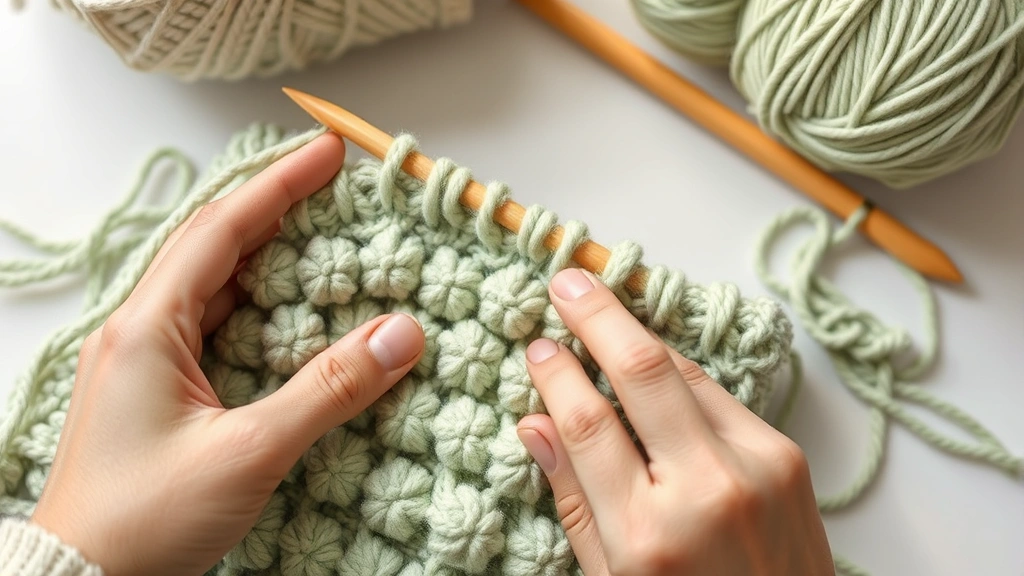
Bobble stitches are another crowd-pleaser. You work multiple incomplete double crochets into the same stitch, then pull them all together at the top. The result is a little raised bump that adds incredible texture. I love using bobbles for baby blankets because they’re fun to touch and visually interesting without being too busy.
The shell stitch is technically a stitch combination, but it’s so common it deserves its own mention. Usually, it’s 5 double crochets worked into the same stitch, creating a fan-like shape. Shells are perfect for creating feminine, flowing fabrics and they work up relatively quickly.
Texture Tip: When working textured stitches, use a solid or semi-solid colored yarn. Busy variegated yarns can hide all your beautiful texture work. Save the rainbow yarns for simple stitch patterns where the color is the star.
Building Texture Gradually
Don’t try to tackle the most complex textured stitch right away. Start with simple front and back post stitches to get comfortable with working around posts instead of into the tops of stitches. Once that feels natural, move on to bobbles, then more complex combinations. Your hands need time to learn these new movements.
Increases, Decreases, and Shaping Techniques
Here’s where crochet gets really practical. Shaping techniques are what turn flat pieces of fabric into three-dimensional objects that actually fit and function properly.
Increases are usually straightforward – you work multiple stitches into the same stitch from the previous row. The most common increase is working 2 single crochets into 1 stitch (written as 2 sc in next st). For amigurumi patterns, you’ll use increases constantly to shape heads, bodies, and limbs.
Decreases are where things get trickier. The invisible decrease (for single crochet) involves inserting your hook into the front loop only of the next two stitches, then completing them as one stitch. It creates a much neater result than the standard decrease, especially for amigurumi where you want smooth, professional-looking curves.
For taller stitches, decreases work differently. A double crochet decrease typically involves working two incomplete double crochets, then pulling through all the loops at once. It sounds complicated, but once you get the rhythm, it becomes second nature.
Strategic Shaping
The key to good shaping is understanding where to place your increases and decreases. For circular projects like hats, increases are usually evenly spaced around the circle. For garments, increases and decreases often happen at seam lines or specific shaping points. Always read through the entire pattern before starting – understanding the overall construction helps you catch mistakes early.
Colorwork and Pattern Stitches
Colorwork is where crochet really shows off. Unlike knitting, where you’re limited to specific colorwork techniques, crochet gives you incredible flexibility in how you incorporate multiple colors.
Tapestry crochet involves carrying multiple colors and switching between them to create geometric patterns. The unused color gets crocheted over, so it’s hidden inside the fabric. This technique is perfect for creating bags, baskets, or wall hangings with bold graphic designs.
Intarsia crochet works more like a paint-by-number approach. You use separate balls of yarn for each color section and don’t carry colors across the back. This is ideal for large blocks of color or pictorial designs. When working on baby blanket patterns with character motifs, intarsia is often the best approach.
Stripes are the easiest way to add color to any project. You can create thin stripes by changing colors every row, or thick stripes by working several rows in each color. The key to neat stripes is how you handle color changes – always change colors on the last yarn over of the final stitch in the row.
Planning Your Color Changes
Before starting any colorwork project, make a color chart or at least sketch out your design. It’s much easier to fix color placement issues on paper than it is to rip out rows of completed work. For complex patterns, I sometimes use colored pencils to mark each row on the written pattern.
Advanced Stitches for Experienced Crocheters
Once you’re comfortable with the basics, these advanced techniques will really set your work apart. Fair warning: these require patience and practice, but the results are absolutely worth it.
Cable stitches in crochet work differently than knitted cables, but they’re just as impressive. Most crochet cables use front post and back post stitches combined with crossing techniques. You might work a front post treble that leans left, then cross it over a back post double crochet. The Craft Yarn Council has excellent resources for understanding cable symbols in crochet charts.
Tunisian crochet is almost like a hybrid between crochet and knitting. You use a long hook to pick up loops across an entire row, then work them off in a return pass. It creates a unique fabric that’s denser than regular crochet but has beautiful stitch definition. Tunisian simple stitch looks remarkably like knit stockinette, while Tunisian knit stitch creates a texture that’s purely its own.
Broomstick lace uses a large knitting needle or actual broomstick handle along with your crochet hook to create dramatic, lacy loops. It’s perfect for shawls and summer tops where you want maximum visual impact with relatively simple techniques.
Advanced Stitch Combinations
The most impressive advanced techniques often combine multiple basic elements. A complex-looking stitch might use front post doubles, chain spaces, and bobbles all in the same pattern repeat. Don’t let the complexity intimidate you – break it down into its component parts and master each element separately.
How to Choose the Right Stitch for Your Project
This is where experience really pays off, but I can share some guidelines that’ll help you make better stitch choices from the start.
Consider the yarn weight and fiber content. Bulky yarns show off simple stitches beautifully – all that texture and loft doesn’t need complicated stitch patterns to look impressive. Fine yarns, on the other hand, can handle intricate lace patterns that would get lost in thicker yarn. Cotton yarn holds stitch definition well, making it perfect for textured patterns, while slippery yarns like bamboo or silk work better with simpler stitches.
Think about the project’s function. A dishcloth needs to be sturdy and absorbent, so single crochet in cotton is perfect. A summer cardigan should be lightweight and drapey, so you might choose a lacy stitch pattern in a lighter-weight yarn. When I’m planning hat patterns, I consider whether the hat needs to be warm and dense or light and breathable.
Match the stitch to your skill level and available time. There’s no shame in choosing a simpler stitch if it means you’ll actually finish the project. A double crochet blanket that gets completed is infinitely better than a complex heirloom pattern that sits unfinished in your craft room for years.
| Project Type | Recommended Stitches | Yarn Weight | Key Considerations |
|---|---|---|---|
| Baby Blankets | Half double, simple shells | DK or Worsted | Soft, washable, not too open |
| Dishcloths | Single crochet, waffle stitch | Worsted cotton | Dense, absorbent, durable |
| Summer Tops | Lace patterns, mesh | DK or Sport | Breathable, drapey, flattering |
| Winter Scarves | Textured stitches, cables | Worsted or Aran | Warm, interesting texture |
Testing Your Stitch Choice
Always make a swatch before committing to a full project, especially if you’re trying a new stitch or yarn combination. A 4-inch square will tell you everything you need to know about how the stitch looks, feels, and behaves. Plus, you can use swatches to practice new techniques without the pressure of working on an actual project.
Common Questions About Crochet Stitches
How many basic crochet stitches do I need to know before starting projects?
You can start making simple projects with just four stitches: chain, slip stitch, single crochet, and double crochet. These four stitches will let you make dishcloths, simple scarves, basic blankets, and even some beginner amigurumi. I always tell new crocheters to master these completely before moving on – you’ll use them in probably 90% of all patterns.
Why do my stitches look uneven even when I follow the pattern exactly?
Uneven stitches usually come down to tension control. When you’re learning a new stitch, your tension naturally varies as you figure out the movements. Practice the same stitch for at least 30 minutes at a time – your hands need repetition to develop consistent muscle memory. Also, make sure you’re completing each stitch fully before moving to the next one.
What’s the difference between US and UK crochet terminology?
The stitch names are completely different between US and UK patterns. What Americans call a “single crochet,” the UK calls a “double crochet.” US “double crochet” is UK “treble crochet.” Always check which terminology a pattern uses before starting. Most modern patterns specify, but vintage patterns might not. When in doubt, look for a stitch height chart in the pattern.
How do I know which hook size to use for different stitches?
The hook size depends more on your yarn weight and desired fabric than on the specific stitch type. However, some stitches work better with slight hook size adjustments. For textured stitches like bobbles or popcorns, you might want to go down a hook size to keep them tight and defined. For lacy patterns, going up a size can help open up the pattern. Always check your gauge, regardless of the stitch.
Can I substitute one stitch for another in a pattern?
Sometimes, but it’s tricky. Stitches of the same height (like single crochet and Tunisian simple stitch) might work as substitutes, but they’ll create different fabric characteristics. Substituting a taller stitch for a shorter one will completely change your project dimensions. If you want to modify a pattern, make a swatch first to see how the substitution affects the overall look and measurements.
What’s the best way to learn advanced stitches like cables or Tunisian crochet?
Start with video tutorials for the basic mechanics, then practice on swatches before attempting a full project. Ravelry has excellent photo tutorials and forums where you can ask specific questions. For Tunisian crochet, invest in a proper Tunisian hook – trying to use a regular hook will only frustrate you. Take your time and don’t expect perfection on your first attempt.
How much yarn do different stitches use?
Taller stitches generally use more yarn than shorter ones, but the difference isn’t as dramatic as you might think. Single crochet uses the least yarn, while treble crochet and decorative stitches like bobbles use the most. Lacy patterns with lots of chain spaces actually use less yarn than dense patterns. If you’re substituting stitches, buy an extra skein to be safe – running out of yarn mid-project is heartbreaking.
Why do some stitches look different when I work them compared to the pattern photos?
This usually comes down to yarn choice and tension. The pattern might have been worked in a smooth cotton yarn while you’re using a fuzzy acrylic – the stitch definition will look completely different. Yarn weight also matters enormously. A delicate lace pattern worked in bulky yarn will look clunky, while a bold textured pattern in fingering weight might disappear entirely. When possible, use similar yarn to what the pattern suggests.
Mastering Your Crochet Stitch Journey
Learning crochet stitches is honestly a lifelong journey, and that’s part of what makes this craft so rewarding. Every new stitch you master opens up dozens of new pattern possibilities. I still get excited when I encounter a stitch I’ve never tried before – it’s like finding a new tool for my creative toolbox.
The most important thing to remember is that every expert crocheter started exactly where you are now. We all made wonky stitches, dropped loops, and had to rip out work that just didn’t look right. That’s not failure – that’s learning. Each mistake teaches you something about tension, yarn behavior, or technique that you couldn’t learn any other way.
Start with the basics and build your skills gradually. Master single crochet until it feels automatic, then move to double crochet. Add textured stitches when you’re ready for more visual interest. Try colorwork when you want a new challenge. There’s no timeline you need to follow – crochet should be enjoyable, not stressful.
Keep a stitch journal if you’re so inclined. I wish I’d started one years ago. Note which stitches you love, which ones give you trouble, and what yarn combinations work best for different techniques. Future you will appreciate having that reference when you’re planning new projects.
Most importantly, don’t let perfect be the enemy of good. Your first attempt at a new stitch won’t be perfect, and that’s completely fine. Even my cables looked wonky when I first started, and now they’re some of my favorite techniques to work. Give yourself permission to learn, make mistakes, and improve at your own pace.