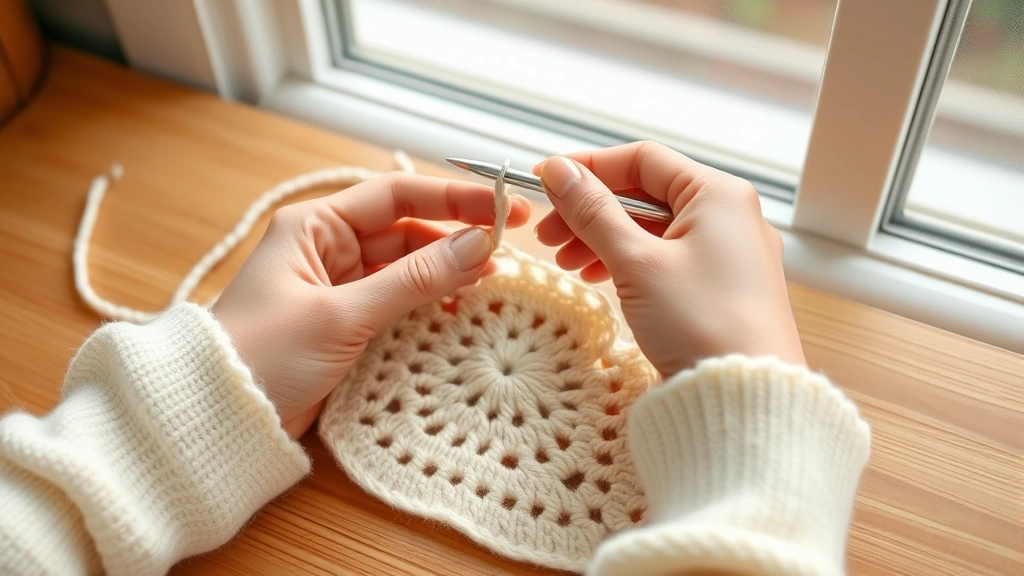
Last week, I was scrolling through Instagram when I came across the most gorgeous crochet blanket – soft, drapey, with this beautiful texture that just screamed “snuggle me.” The comments were full of people asking what yarn the maker used, and her answer? “Cotton blend.” Simple as that, but it got me thinking about how much the right yarn can make or break a project.
Here’s the thing about cotton blend yarns: they’re kind of like the Swiss Army knife of the crochet world. You get the breathability and structure of cotton, plus the added benefits of whatever fiber it’s blended with. But with so many options out there, figuring out which blend works best for your project can feel overwhelming.
I’ve been crocheting for over fifteen years, and I’ve learned that understanding cotton blends isn’t just about reading labels – it’s about knowing how different combinations behave in your hands and how they’ll hold up over time. Some blends are perfect for baby items, others shine in home décor projects, and a few work beautifully for garments that need both structure and drape.
Whether you’re new to cotton blends or you’ve had mixed results in the past, I’m going to walk you through everything you need to know. We’ll cover the most common blend types, what makes each one special, and how to choose the right one for your specific project. By the end of this guide, you’ll feel confident picking up that skein of cotton blend yarn and knowing exactly what to expect.
Quick Answer
Cotton blend yarns combine cotton with synthetic or natural fibers to improve drape, softness, durability, or stretch. The most versatile blends are cotton-acrylic (easy care, affordable) and cotton-bamboo (silky, breathable) for most projects.
What Are Cotton Blend Yarns?
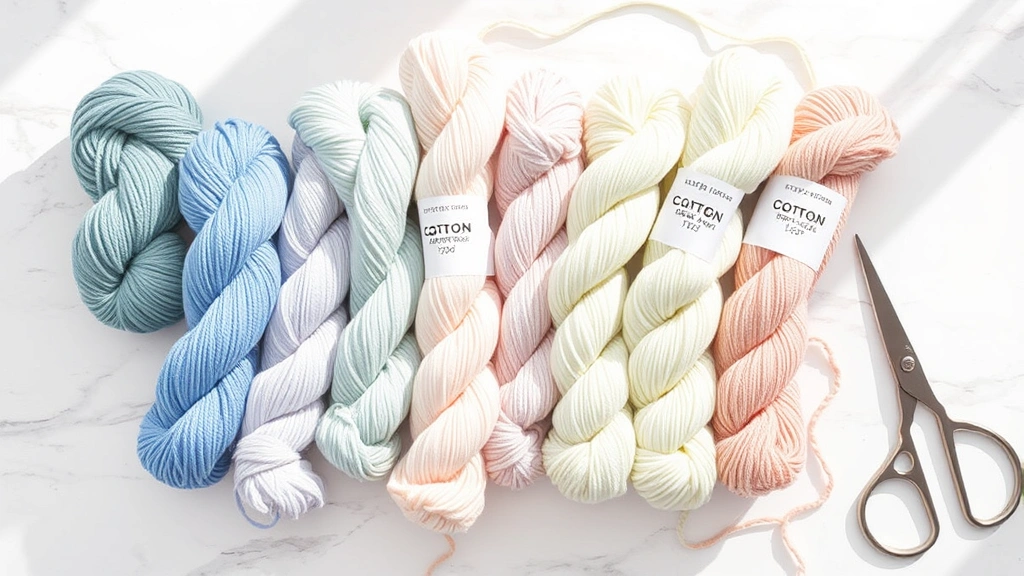
Cotton blend yarns are exactly what they sound like – cotton fiber mixed with one or more other fibers to create a yarn with improved characteristics. Pure cotton, while wonderful for many projects, has some limitations. It can be stiff when new, lacks elasticity, and sometimes doesn’t have the drape that certain projects need.
When manufacturers blend cotton with other fibers, they’re trying to keep cotton’s best qualities (breathability, durability, natural feel) while addressing its weaknesses. The result is a yarn that’s often more versatile than either fiber would be on its own.
The blend ratio matters a lot. A yarn that’s 80% cotton and 20% acrylic will behave very differently from one that’s 50/50. Generally, the fiber listed first makes up the largest percentage, so a “cotton-acrylic blend” usually means more cotton than acrylic.
Why Blend Cotton at All?
Pure cotton yarn has some quirks that can be challenging. It has zero stretch, which means your crochet gauge needs to be spot-on from the start. It can also be quite heavy when worked up, making large projects like blankets surprisingly weighty.
Cotton also tends to grow with washing and wear. That fitted sweater you made might become a tunic after a few washes. Blending helps stabilize the fabric and can add the stretch that makes garments more comfortable and longer-lasting.
Pro Tip: Always check the yarn label for the exact fiber content percentages. A 95% cotton, 5% elastane blend will behave very differently from a 60% cotton, 40% acrylic blend, even though both are technically “cotton blends.”
Most Popular Cotton Blend Combinations
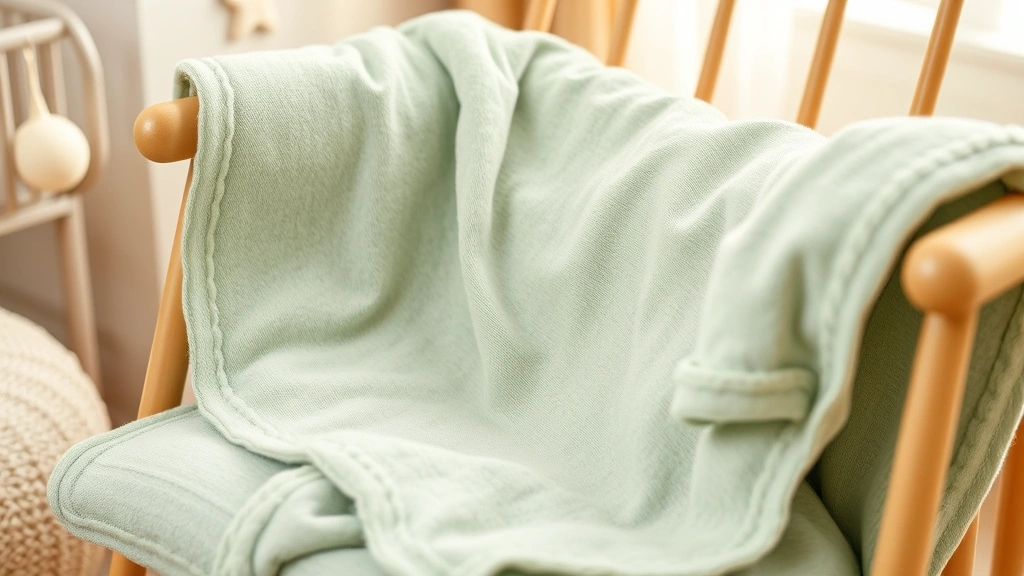
Over the years, I’ve worked with dozens of different cotton blend combinations. Here are the ones I reach for most often, and why each one has earned a permanent spot in my yarn stash.
Cotton-Acrylic Blends
This is probably the most common cotton blend you’ll find, and for good reason. The acrylic adds softness, makes the yarn machine washable, and often brings the price down significantly. Lion Brand and Red Heart both make excellent cotton-acrylic blends.
I love cotton-acrylic blends for baby projects because they’re soft enough for sensitive skin but tough enough to handle frequent washing. The acrylic also prevents the harsh hand that pure cotton can sometimes have when new.
Typical ratios range from 60% cotton/40% acrylic to 80% cotton/20% acrylic. The higher the acrylic content, the softer and more drapey the yarn becomes, but you’ll lose some of cotton’s natural breathability.
Cotton-Bamboo Blends
These blends are absolutely gorgeous to work with. Bamboo adds an almost silky feel and incredible drape, plus it enhances cotton’s natural antibacterial properties. The combination is perfect for summer tops and lightweight wraps.
Cotton-bamboo yarns often have a subtle sheen that makes even simple stitches look elegant. They’re also naturally moisture-wicking, which makes them ideal for warm-weather garments. The downside? They can be pricier than other blends, and bamboo can make the yarn a bit slippery to work with at first.
Cotton-Modal Blends
Modal is a type of rayon made from beech trees, and when blended with cotton, it creates an incredibly soft, drapey yarn. These blends often feel almost like a cotton-silk combination but at a more affordable price point.
I particularly love cotton-modal blends for crochet shawls and lightweight cardigans. The modal gives beautiful drape while the cotton provides structure and breathability.
Cotton-Linen Blends
This combination gives you the best of both natural fibers. Cotton provides softness and structure, while linen adds durability and that crisp, fresh feel that’s perfect for summer projects. These yarns often start out a bit stiff but soften beautifully with washing and wear.
Cotton-linen blends are my go-to for dishcloths, market bags, and home décor items. They’re incredibly durable and get softer and more comfortable with each wash.
| Blend Type | Best For | Key Benefits | Price Range |
|---|---|---|---|
| Cotton-Acrylic | Baby items, blankets | Machine washable, soft, affordable | $ |
| Cotton-Bamboo | Summer tops, wraps | Silky feel, moisture-wicking, antibacterial | $$ |
| Cotton-Modal | Garments, shawls | Incredible drape, soft, elegant | $$ |
| Cotton-Linen | Home goods, bags | Durable, crisp feel, improves with age | $$ |
How to Choose the Right Blend for Your Project
Picking the right cotton blend isn’t just about what looks pretty on the shelf – it’s about matching the yarn’s characteristics to what your finished project needs to do. I’ve learned this the hard way after making a few less-than-stellar yarn choices over the years.
Consider the End Use
Think about how your finished project will be used. A baby blanket needs to be soft and machine washable, so a cotton-acrylic blend makes perfect sense. A market bag needs durability and structure, making cotton-linen ideal. A summer cardigan benefits from the drape of cotton-modal or cotton-bamboo.
For amigurumi patterns, I usually stick with cotton-acrylic blends because they hold their shape well and can handle the stuffing without stretching out of shape.
Match the Blend to Your Skill Level
Some cotton blends are more forgiving than others. If you’re still working on consistent tension, cotton-acrylic blends are usually your best bet. They’re forgiving, and small tension variations won’t show as much as they would in a stiffer pure cotton.
Cotton-bamboo and cotton-modal can be a bit slippery for beginners, but they’re wonderful once you get comfortable with them. The key is starting with a simple project to get a feel for how the yarn behaves.
Yarn Shopping Tip: Always feel the yarn through the packaging if possible. Cotton blends can vary significantly in hand feel even within the same brand. Trust your fingers – if it doesn’t feel right for your project, keep looking.
Climate Considerations
Where you live and when you’ll be wearing or using your finished project matters. Cotton blends with bamboo or modal are fantastic for hot, humid climates because they’re breathable and moisture-wicking. In cooler climates, cotton-acrylic blends might be more practical because they provide a bit more warmth.
Tips for Working with Cotton Blends
Cotton blends each have their own personality, and understanding how to work with them will make your projects turn out so much better. Here’s what I’ve learned from years of trial and error.
Gauge and Tension
Cotton blends can be tricky when it comes to crochet gauge. Unlike pure acrylic yarns that are very consistent, blends can behave differently depending on the ratio of fibers. Always, always make a gauge swatch, even for simple projects.
I’ve found that cotton-acrylic blends tend to relax slightly after blocking, while cotton-bamboo blends can grow quite a bit. Factor this into your gauge calculations, especially for fitted garments.
Hook Selection
The blend affects what hook material works best. For slippery cotton-bamboo yarns, I prefer aluminum hooks because they provide just enough grip. For cotton-acrylic blends, I can use any hook material comfortably.
Size-wise, cotton blends often work up better with a hook that’s one size larger than what you’d use for pure cotton. This helps prevent the fabric from becoming too dense and stiff.
Stitch Definition
Different blends showcase different crochet stitches better than others. Cotton-acrylic blends are great for textured stitches because they hold their shape well. Cotton-bamboo blends make simple stitches look elegant because of their natural drape and sheen.
“I always keep notes about how different cotton blends work up with various stitch patterns. It saves me so much time when planning new projects because I know exactly what to expect.”
Caring for Cotton Blend Projects
One of the biggest advantages of cotton blends is that most of them are easier to care for than pure cotton. But each blend type has its own care requirements, and following them will keep your projects looking great for years.
Washing Guidelines
Cotton-acrylic blends are usually machine washable in warm water, which makes them perfect for everyday items. I wash these in regular detergent on a normal cycle, though I do use a gentle spin to prevent excessive stretching.
Cotton-bamboo and cotton-modal blends need gentler treatment. I hand wash these or use the delicate cycle with cool water. The bamboo and modal fibers can be damaged by hot water and aggressive agitation.
Drying Methods
Most cotton blends should be laid flat to dry, especially garments. The cotton content can cause shrinkage in the dryer, and the blend fibers might lose their special properties with high heat.
For items like dishcloths made from cotton-linen blends, you can usually tumble dry on low heat. These actually improve with machine washing and drying.
Blocking Tip: Cotton blends respond beautifully to steam blocking. The moisture helps the fibers relax into their final shape, and the results are much more professional-looking than air-dried projects.
Common Problems and Solutions
Even experienced crocheters run into issues with cotton blends sometimes. Here are the problems I see most often and how to fix them.
Yarn Splitting
Some cotton blends, especially those with bamboo or modal, can split easily while you’re working. This usually happens when your hook catches individual fibers instead of the whole strand.
The solution is to adjust your hook insertion angle and make sure you’re not pulling too tightly. Sometimes switching to a hook with a more rounded tip helps too.
Uneven Tension
Cotton blends can show tension variations more than pure synthetic yarns. If you’re struggling with this, try using a slightly larger hook and focus on keeping your yarn hand relaxed.
For projects where even tension is critical, like crochet garments, consider working with a yarn that has a higher percentage of acrylic or other synthetic fibers.
Color Bleeding
Some cotton blends, especially darker colors, can bleed when first washed. Always test a small piece first, especially if you’re making a multicolor project.
If bleeding occurs, wash the item separately in cold water with a color catcher sheet until the water runs clear.
Best Blends for Specific Projects
After years of experimenting, I’ve developed some go-to recommendations for different types of projects. These combinations have never let me down.
Baby Items
For baby blankets, hats, and booties, cotton-acrylic blends are my top choice. They’re soft enough for delicate skin, machine washable (essential for busy parents), and affordable enough that you won’t stress about inevitable stains and wear.
Look for blends that are at least 60% cotton for breathability, with the rest being acrylic for softness and easy care. The Craft Yarn Council recommends checking that any yarn for baby items is labeled as machine washable.
Summer Garments
Cotton-bamboo and cotton-modal blends are perfect for warm-weather clothing. They drape beautifully, feel cool against the skin, and have natural moisture-wicking properties.
For summer tops and lightweight cardigans, I prefer blends with at least 30% bamboo or modal for the best drape. Pure cotton can be too structured for flowing garments.
Home Décor
Cotton-linen blends are ideal for pillows, wall hangings, and other decorative items. They hold their shape well, have a sophisticated look, and improve with age.
For items that need to maintain their structure, like crochet baskets, look for blends with at least 70% cotton for stability.
- Assess Your Project Needs
Consider how the finished item will be used, who will use it, and what care requirements you can realistically manage.
- Research Yarn Options
Read reviews on Ravelry to see how other crocheters have used specific cotton blend yarns in similar projects.
- Make a Gauge Swatch
Always test your chosen blend with your intended stitch pattern and hook size before starting the full project.
- Start Small
If you’re trying a new blend, start with a small project like a dishcloth or hat to get familiar with how it behaves.
Common Questions
What’s the difference between cotton blend and cotton-poly blend?
Cotton-poly (polyester) blends are similar to cotton-acrylic blends but typically more durable and wrinkle-resistant. Polyester doesn’t add as much softness as acrylic but provides excellent shape retention. These blends are great for items that need to maintain their structure over time.
Can I substitute a cotton blend for pure cotton in a pattern?
Usually yes, but your finished project may behave differently. Cotton blends typically have more drape and stretch than pure cotton, so fitted garments might end up looser. Always make a gauge swatch and consider going down a hook size if needed.
Why does my cotton blend yarn feel scratchy?
Some cotton blends, especially budget options, can feel rough when new. This often improves dramatically after washing. Try hand-washing a small sample with fabric softener to see if the texture improves. Higher-quality blends typically feel softer from the start.
How much yarn do I need for a throw blanket in cotton blend?
For a standard throw blanket (approximately 50″ x 60″), you’ll need about 1,200-1,500 yards of worsted weight cotton blend yarn. The exact amount depends on your gauge and stitch pattern. Dense stitches like single crochet use more yarn than open patterns like granny squares.
Do cotton blends shrink when washed?
Cotton blends can shrink, but usually less than pure cotton. The synthetic fibers help stabilize the fabric. Expect about 3-5% shrinkage with the first wash, mainly in length rather than width. Always pre-wash yarn if shrinkage is a concern for your project.
What’s the best cotton blend for dishcloths?
Cotton-linen blends are excellent for dishcloths because they’re naturally antibacterial, dry quickly, and become softer with use. Cotton-acrylic blends work well too and are more budget-friendly, though they may not last quite as long with heavy use.
Can I use cotton blend yarn for amigurumi?
Absolutely! Cotton-acrylic blends work particularly well for amigurumi patterns because they hold their shape, are machine washable, and come in great color selections. Avoid very drapey blends like cotton-modal for stuffed toys as they won’t maintain the firm structure amigurumi needs.
How do I prevent cotton blend yarn from pilling?
Choose higher-quality yarns with longer fiber lengths, as these pill less than cheaper alternatives. When washing, turn items inside out and use a gentle cycle. If pilling does occur, use a fabric shaver or pill comb to remove the pills gently.
Cotton blend yarns really are some of the most versatile options in any crocheter’s stash. Once you understand how different blends behave and what projects they’re best suited for, you’ll find yourself reaching for them again and again. The key is matching the right blend to your specific needs rather than just grabbing whatever’s on sale.
Remember that every yarn is different, even within the same blend category. Don’t be afraid to experiment with small projects to find your favorites. Keep notes about which brands and blend ratios work best for different types of projects – your future self will thank you when you’re standing in the yarn aisle trying to remember which cotton-bamboo blend had that perfect drape for summer tops.
Happy crocheting, and enjoy exploring all the wonderful possibilities that cotton blends have to offer. There’s a perfect blend out there for every project you have in mind.