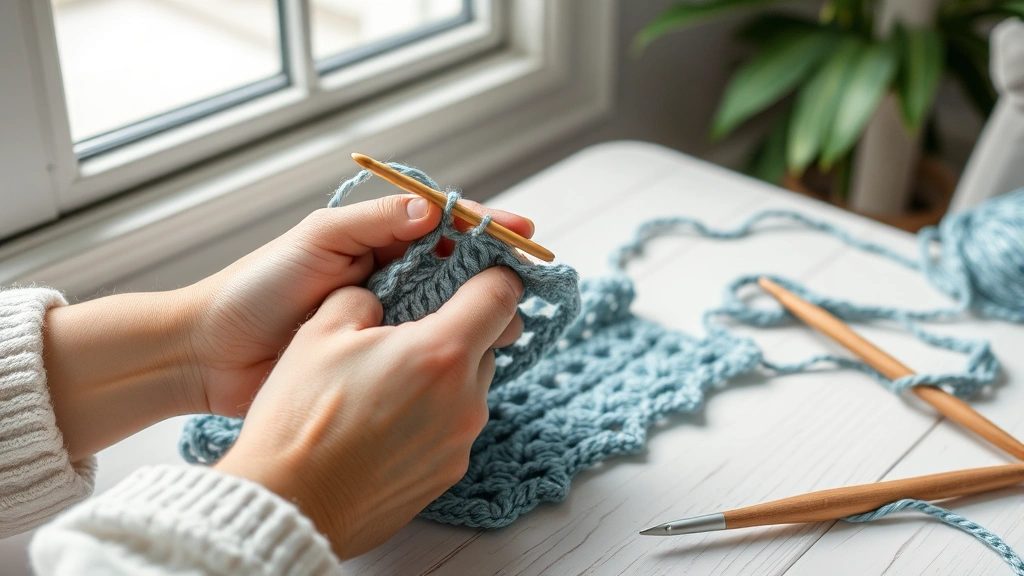
I still remember the first time I tried to crochet a baby blanket with variegated yarn. I thought those beautiful color changes would make my simple granny square pattern look absolutely stunning. What I got instead was a muddy mess where you couldn’t see any of my carefully crafted stitches. The yarn was gorgeous on its own, but it completely swallowed up the texture work I’d spent hours perfecting.
That frustrating experience taught me one of the most important lessons in crochet: yarn and stitch patterns need to work together, not fight each other. Variegated yarn can create breathtaking projects, but only when you understand how to choose patterns that complement those beautiful color changes instead of competing with them.
The good news? Once you know which patterns work best with variegated yarn, you’ll be able to create stunning pieces that showcase both the yarn’s natural beauty and your crochet skills. I’ve spent years experimenting with different combinations, and I’m excited to share what actually works.
Quick Answer
Simple stitch patterns like single crochet, half double crochet, and basic shells work best with variegated yarn because they let the color changes shine without creating visual chaos. Avoid complex lace or textured stitches that compete with the yarn’s natural pattern.
Why Pattern Choice Matters with Variegated Yarn
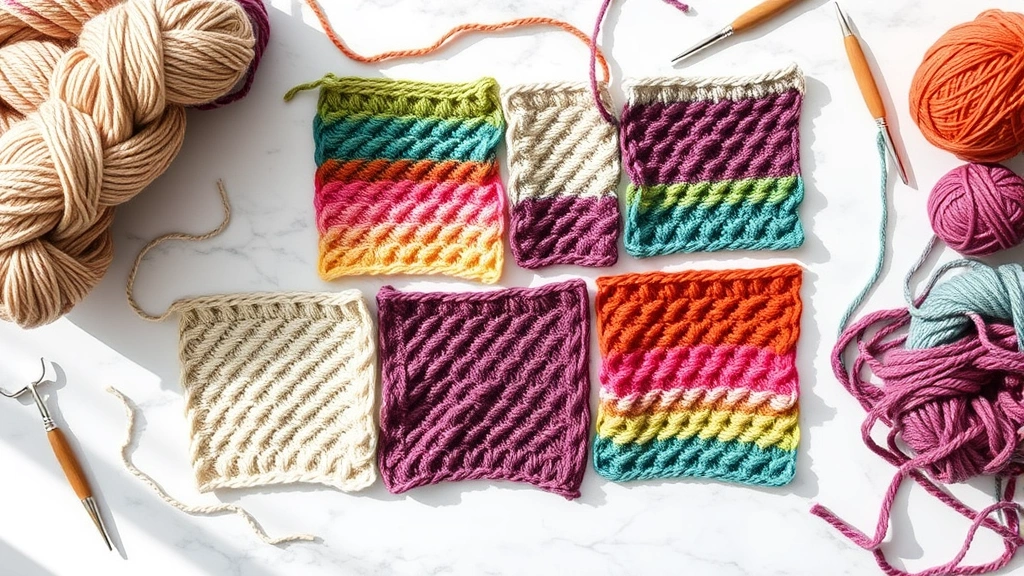
Variegated yarn is essentially doing half the design work for you with its built-in color changes. When you pair it with a complex stitch pattern, you’re asking your eyes to process two different types of visual interest at once. It’s like trying to listen to two conversations simultaneously – neither one comes through clearly.
I learned this the hard way when I attempted a ripple stitch pattern with a bright variegated yarn. The zigzag lines of the ripple fought with the yarn’s color changes, creating a chaotic look that gave me a headache just looking at it. The stitch pattern got lost, and the beautiful color transitions looked choppy and disconnected.
The key is understanding that variegated yarn works best when the stitch pattern acts as a neutral backdrop. Think of it like choosing a frame for a painting – you want something that enhances the artwork, not competes with it. Simple, repetitive stitches create a consistent texture that allows the color changes to flow naturally across your work.
Pro Tip: Hold your variegated yarn up to the light and observe how the colors transition. Short color segments (less than 2 inches) work better with tighter stitches, while longer color segments can handle more open patterns.
Another factor to consider is how different stitches affect the yarn’s drape. Basic crochet stitches like single crochet and half double crochet maintain the yarn’s natural hand, while complex textured stitches can make the fabric stiffer and less fluid. This stiffness can interrupt the organic flow of color changes, making them appear more abrupt.
Best Simple Stitches for Variegated Yarn
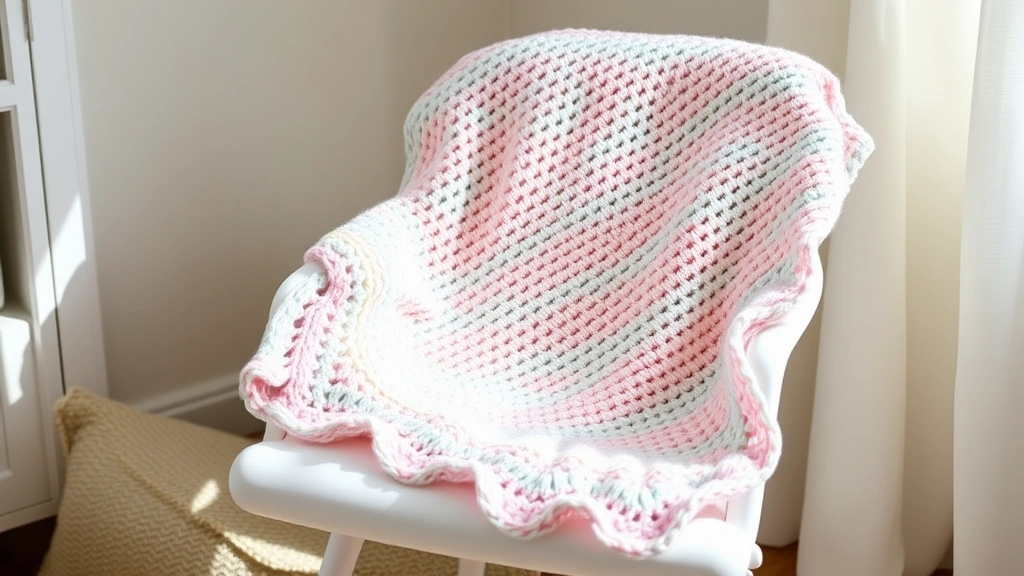
After years of experimenting, I’ve found several stitch patterns that consistently work beautifully with variegated yarn. These patterns provide just enough texture to be interesting while letting the color changes take center stage.
Single Crochet
Single crochet might seem boring, but it’s actually perfect for variegated yarn. The tight, even stitches create a smooth canvas that shows off color transitions beautifully. I love using single crochet for baby blankets with soft variegated yarn – the colors flow like watercolors across the fabric.
For best results with single crochet and variegated yarn, use a hook that’s one size larger than recommended. This creates slightly looser stitches that help the colors blend more naturally. With worsted weight variegated yarn, I typically use a 5.5mm (I) hook instead of the standard 5mm (H).
Half Double Crochet
Half double crochet strikes the perfect balance between speed and color display. The stitches are tall enough to work up quickly but short enough to show clear color definition. This stitch works particularly well with DK weight yarn in variegated colorways.
I often use half double crochet for scarves and cowls with variegated yarn. The slight texture adds visual interest without overwhelming the color changes, and the fabric has a lovely drape that moves beautifully when worn.
Basic Shell Patterns
Simple shell patterns work wonderfully with variegated yarn because they create gentle waves that echo the natural flow of color changes. A basic 5-double-crochet shell separated by single crochets gives you lovely scalloped edges while maintaining simplicity.
Yarn Tip: Shell patterns work best with variegated yarns that have longer color segments (3+ inches). Short color changes can make shell patterns look choppy.
| Stitch Pattern | Best Yarn Weight | Hook Size | Best For |
|---|---|---|---|
| Single Crochet | DK to Worsted | 4.5-5.5mm | Baby blankets, dishcloths |
| Half Double Crochet | Sport to Worsted | 4-5.5mm | Scarves, afghans |
| Basic Shells | Worsted to Chunky | 5-6mm | Shawls, blanket borders |
| Moss Stitch | DK to Worsted | 4.5-5mm | Washcloths, pot holders |
Moss Stitch (Granite Stitch)
The moss stitch alternates single crochet and chain-1 spaces, creating a subtle textured fabric that doesn’t compete with variegated colors. This pattern is forgiving and works well for beginners who want something more interesting than plain single crochet.
I particularly love moss stitch for kitchen items like dishcloths and pot holders using cotton variegated yarn. The texture provides good scrubbing power while the color changes keep these practical items visually appealing.
Stitch Patterns to Avoid
Learning what doesn’t work with variegated yarn is just as important as knowing what does. I’ve made plenty of mistakes over the years, and while some resulted in interesting experiments, others were complete disasters that had to be frogged.
Complex Lace Patterns
Intricate lace patterns with lots of chain spaces and decorative elements get completely lost when worked in variegated yarn. The color changes draw attention away from the delicate openwork, and you end up with neither a clear lace pattern nor clean color transitions.
I once spent an entire weekend working on a pineapple lace pattern in a beautiful blue and green variegated yarn, only to realize that you couldn’t see any of the pineapple motifs. The constantly changing colors made it impossible to distinguish the pattern elements.
Heavy Texture Stitches
Stitches like popcorns, bobbles, and raised post stitches create so much dimensional texture that they fight with the visual texture of color changes. The result is usually overwhelming and chaotic rather than beautiful.
Cable patterns fall into this category too. While cables look stunning in solid colors, variegated yarn makes it nearly impossible to see the cable crossings clearly. Save these impressive techniques for solid or semi-solid yarns where they can truly shine.
Geometric Color-Work Patterns
This might seem obvious, but it’s worth mentioning: don’t try to work geometric patterns like stripes or colorwork motifs with variegated yarn. The yarn is already creating its own color pattern, and adding another layer of intentional color changes results in visual chaos.
Remember: when working with variegated yarn, less is more. Let the yarn be the star of the show.
Perfect Project Ideas for Variegated Yarn
Now that you know which stitches work best, let’s talk about projects that really showcase variegated yarn beautifully. These are tried-and-true patterns that I return to again and again when I find a gorgeous variegated colorway.
Baby Blankets
Baby blankets are perfect for variegated yarn because they’re typically worked in simple stitches over large areas. The color changes create visual interest without requiring complex pattern work. I love using soft cotton blends in gentle variegated colors like pastels or earth tones.
For a standard 30×36 inch baby blanket in worsted weight variegated yarn, you’ll need about 1200-1400 yards. Work in simple single crochet or half double crochet rows, and the colors will create beautiful horizontal stripes that change organically as you work.
Scarves and Cowls
Long, narrow projects like scarves show off variegated yarn particularly well because you can see the full color sequence repeat multiple times. The length allows each color to have its moment while creating a cohesive overall look.
I prefer working scarves in half double crochet or a simple shell pattern. For a standard 6-inch wide by 60-inch long scarf in worsted weight yarn, you’ll need approximately 600-800 yards depending on your stitch choice.
Simple Afghans
Large afghans worked in basic stitches are ideal for showcasing beautiful variegated yarn. The key is choosing a stitch pattern that’s interesting enough to hold your attention during the long working process but simple enough not to compete with the colors.
Planning Tip: For afghans, buy an extra skein of variegated yarn. Color lots can vary significantly, and you want to ensure color consistency across your entire project.
Consider working your afghan in panels rather than one large piece. This approach lets you see how the colors work up in smaller sections and makes the project more portable while you’re working on it.
Yarn Weight and Hook Size Considerations
The weight of your variegated yarn significantly impacts how the colors appear in your finished project. Each yarn weight creates different effects with the same color sequence, so understanding these differences helps you choose the right yarn for your intended project.
Fingering and Sport Weight
Lighter weight yarns create more subtle color changes because each stitch uses less yarn. The colors blend more gradually, creating a watercolor effect that’s particularly beautiful in shawls and lightweight garments. However, you’ll need more stitches to see the full color sequence, so these weights work best for larger projects.
When working with sport weight variegated yarn, I typically use a 4mm (G) hook and work in single crochet or half double crochet. The tighter gauge helps define the color changes without making them too abrupt.
DK and Worsted Weight
These medium weights are the most versatile for variegated colorways. They show clear color definition without being overwhelming, and they work up quickly enough for satisfying progress. Most variegated yarns are available in these weights because they work well for such a wide range of projects.
For worsted weight variegated yarn, I usually start with a 5.5mm (I) hook, which is slightly larger than the standard recommendation. This creates a fabric with good drape that doesn’t fight against the yarn’s natural characteristics.
Chunky and Super Chunky
Heavy yarns create bold, dramatic color changes that work well for statement pieces like oversized scarves or throw pillows. However, the color changes can be quite abrupt, so these weights work best with longer color segments in the variegation.
Chunky weight projects work up quickly, making them perfect for gift projects or when you want fast gratification. Use a 6.5mm (K) or larger hook and stick to very simple stitches like single crochet or half double crochet.
Managing Color Pooling
Color pooling occurs when the same colors stack up in the same positions row after row, creating unintentional stripes or blocks of color. While some crocheters love planned pooling effects, accidental pooling can be frustrating when you’re expecting random color distribution.
Understanding Why Pooling Happens
Pooling occurs when your stitch count per row creates a mathematical relationship with the color sequence length. If your row uses exactly the same amount of yarn as one color repeat, the same colors will appear in the same positions every row.
I’ve found that pooling is most noticeable with DK and worsted weight yarns worked in single crochet or half double crochet. The consistent stitch size creates predictable yarn usage that can align with color changes.
Strategies to Prevent Unwanted Pooling
The easiest way to break up pooling is to vary your stitch count slightly. Add or subtract a few stitches every few rows, or work some rows in single crochet and others in half double crochet. This variation disrupts the mathematical relationship between your stitches and the color sequence.
Quick Fix: If you notice pooling starting, try changing your hook size for a few rows. A larger hook creates longer stitches that use more yarn, shifting where color changes occur.
Another effective technique is working in the round instead of back-and-forth rows. Continuous rounds naturally offset color changes because you’re not turning your work, which helps distribute colors more randomly across the fabric.
Testing Your Pattern Choice
Before committing to a large project with variegated yarn, I always recommend making a test swatch. This small investment of time and yarn can save you from hours of frustration later.
Making Effective Test Swatches
Your test swatch should be large enough to show at least one complete color sequence, preferably two. For most variegated yarns, this means a swatch that’s at least 6 inches square. Work the swatch in your chosen stitch pattern using the hook size you plan for your project.
Pay attention to how the colors flow in your chosen stitch. Do they blend smoothly, or do they create harsh transitions? Can you see the stitch definition, or does the color variation completely overwhelm the texture? These observations will guide your final pattern choice.
- Choose Your Yarn and Hook
Select the variegated yarn and hook size you’re considering for your project. Have backup hook sizes ready in case adjustments are needed.
- Work a 6-Inch Square
Crochet a square swatch in your chosen stitch pattern, making sure to work through at least one complete color sequence.
- Evaluate the Results
Step back and look at your swatch from different distances. How do the colors work together? Is the stitch pattern visible and attractive?
- Try Variations
If the first attempt isn’t perfect, try different hook sizes or stitch patterns with the same yarn. Small changes can make dramatic differences.
What to Look For
A successful combination of variegated yarn and stitch pattern should show clear color transitions that enhance rather than compete with the stitch texture. The colors should flow naturally without creating unwanted pooling or harsh contrasts.
The stitch pattern should remain visible and attractive even with the color changes. If you can’t clearly see your stitches or if the overall effect looks muddy or chaotic, try a simpler pattern or different hook size.
Common Questions
What’s the best stitch for variegated yarn beginners?
Single crochet is the most foolproof choice for beginners working with variegated yarn. It’s simple to execute consistently, shows off color changes beautifully, and works well with any yarn weight. Use a hook one size larger than recommended for the best color display.
How much variegated yarn do I need for a throw blanket?
For a standard 50×60 inch throw blanket in worsted weight yarn, you’ll need approximately 2000-2400 yards depending on your stitch choice. Single crochet uses the most yarn, while half double crochet uses about 15% less. Always buy an extra skein to account for gauge differences and potential dye lot variations.
Can I use variegated yarn for amigurumi?
Variegated yarn generally isn’t ideal for amigurumi projects because the color changes can obscure facial features and details. However, it can work well for simple shapes like balls or abstract creatures where the color variation adds interest rather than confusion.
Why does my variegated yarn project look muddy?
Muddy-looking results usually happen when the stitch pattern is too complex or the colors in the yarn don’t have enough contrast. Try switching to a simpler stitch pattern like single crochet or half double crochet. If the yarn itself has low contrast between colors, consider using it for textured projects where the subtle color changes add depth.
How do I join new skeins of variegated yarn?
When joining new skeins, try to match the color sequence as closely as possible. Cut both yarns at similar points in the color progression and join with a secure knot or weaving method. This helps maintain the natural flow of colors across the join.
Can I stripe variegated yarn with solid colors?
Yes, but use this technique sparingly. Wide stripes of solid color (at least 4-6 rows) can provide visual breaks between sections of variegated yarn. Narrow stripes often compete with the variegation and create visual chaos. Stick to neutral solids that complement the variegated colors.
What’s the difference between variegated and self-striping yarn?
Variegated yarn has random or semi-random color changes of varying lengths, while self-striping yarn has calculated color segments designed to create even stripes when worked at a specific gauge. Self-striping yarn is more predictable, while variegated yarn creates more organic, flowing color changes.
Should I block projects made with variegated yarn?
Yes, blocking is just as important for variegated yarn projects as solid colors. Proper blocking evens out stitch tension and can help blend color transitions more smoothly. Use the same blocking method appropriate for your yarn fiber content, whether that’s wet blocking for natural fibers or steam blocking for acrylics.
Working with variegated yarn doesn’t have to be intimidating once you understand how to choose patterns that complement rather than compete with those beautiful color changes. The key is embracing simplicity and letting the yarn do what it does best – create natural, flowing color transitions that add visual interest without overwhelming your stitches.
Remember that every variegated yarn is different, so don’t be afraid to experiment with swatches until you find the perfect combination. Some of my most beloved projects have come from happy accidents when I tried something unexpected with a gorgeous variegated colorway.
Start with simple stitches and basic projects to build your confidence, then gradually experiment with more complex applications as you develop an eye for what works. Most importantly, have fun with it – variegated yarn is meant to bring joy and color to your crochet journey, not stress and frustration. Happy stitching!