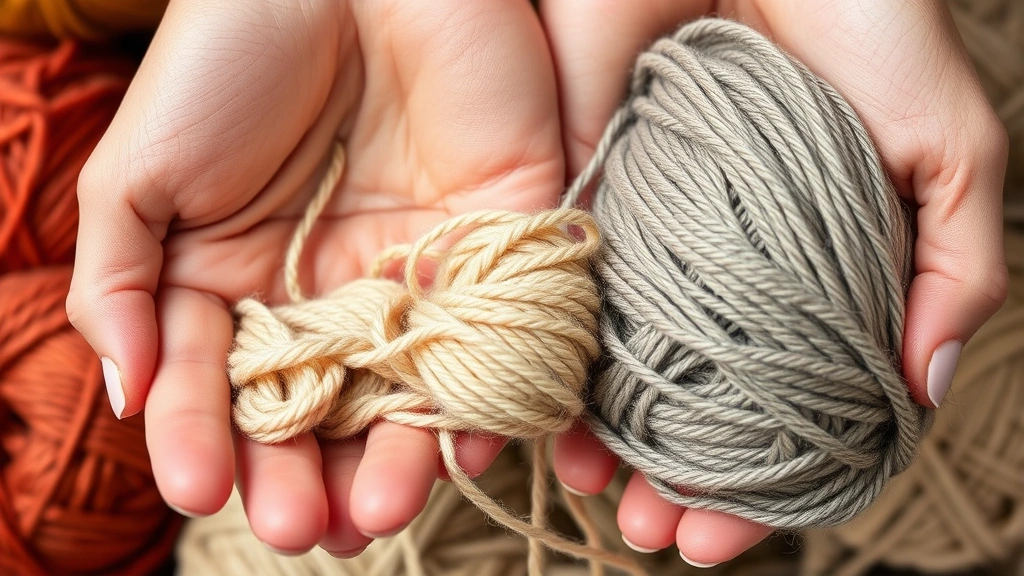
Choosing the Right Yarn for Your Crochet Projects: A Practical Guide
Let’s be honest—walking into a yarn shop or scrolling through endless online options can feel absolutely overwhelming. You’ve got your project idea in mind, you’re excited to start, and then you hit that wall of choices: acrylic or wool? Weight 3 or weight 4? Variegated or solid? It’s enough to make you want to just grab whatever’s on sale and call it a day. But here’s the thing—picking the right yarn genuinely changes everything about how your project turns out, how much you’ll enjoy making it, and whether that finished piece actually gets worn or treasured.
I’ve been there, standing in front of hundreds of yarn options, paralyzed by indecision. Over the years, I’ve learned that choosing yarn isn’t actually complicated once you understand what you’re looking for. It’s less about having perfect taste and more about matching what you need with what’ll actually work. This guide walks you through exactly how to do that, whether you’re making a cozy blanket, a wearable, or something experimental.
Understanding Yarn Weight and Thickness
Yarn weight is probably the most important factor you’ll consider, and it’s genuinely simple once you get it. The weight system goes from 0 (lace, super thin) all the way up to 7 (super bulky, thick), with most everyday projects using weights 2 through 5. Think of it this way: heavier yarn means bigger stitches, faster projects, and thicker finished pieces. Lighter yarn means more detail, longer projects, and delicate drape.
Here’s where people get tripped up: yarn weight isn’t about how heavy the yarn physically is. It’s about the thickness of the individual strands. A ball of fingering weight yarn (weight 1) might actually weigh more than a ball of bulky weight yarn (weight 5) because there’s more yardage packed into that ball. Confusing, right? That’s why checking the yardage on the label matters just as much as the weight number.
When you’re looking at a pattern, the designer will tell you what weight they used, and honestly, that’s your starting point. If a pattern calls for weight 4 (medium weight), you can sometimes substitute a different weight if you adjust your hook size and understand you might need to tweak your project dimensions. But if you’re new to this, just stick with what the pattern asks for. It’s the easiest path to success.
The practical reality: bulky and super bulky yarns (weights 5-7) are fantastic if you want to finish something fast—a blanket in a weekend is totally possible. Fingering and sport weight yarns (weights 1-2) are amazing for detailed work and fitted garments, but they take patience. Most people find their sweet spot around weight 3 or 4, where you get decent speed without sacrificing too much detail.
Fiber Content: What Actually Matters
This is where your yarn choice gets personal and where I see a lot of people stress unnecessarily. There’s no “best” fiber—there’s only what works best for your specific project and your life.
Acrylic yarn gets a bad rap, but honestly? It’s practical, affordable, and perfect for practice projects, blankets that’ll take a beating, and anything you want to throw in the washing machine without anxiety. Modern acrylic is genuinely better than it used to be. If you’re learning to crochet or working on a project for a kid, acrylic makes total sense. The downside is it doesn’t breathe as well as natural fibers, so it’s not ideal for summer clothing or anything you’ll wear close to your skin for hours.
Wool yarn is the classic choice, and there’s a reason crocheters love it. It’s elastic, forgiving (it hides tension inconsistencies beautifully), warm, and has gorgeous drape. Superwash wool is wool that’s been treated so it won’t felt in the washing machine, making it way more practical for everyday items. The challenges: wool can be itchy (though that varies hugely by type), it costs more than acrylic, and some people are allergic. If you’re making something for someone with sensitive skin, test a swatch first.
Cotton yarn is your friend for summer items, dishcloths, amigurumi, and anything that needs structure. It doesn’t stretch as much as wool, so your stitches stay crisp and defined. Cotton is also machine-washable and durable. The trade-off is it’s heavier than wool of the same yardage, so projects take longer, and it can be hard on your hands during long crochet sessions because it doesn’t have that elasticity.
Blends are where things get interesting. A wool-acrylic blend gives you the forgiving nature of wool with the durability and affordability of acrylic. A cotton-acrylic blend offers structure with a bit more softness. These middle-ground options are honestly where I spend a lot of my yarn budget because they’re practical without feeling like compromises.
Specialty fibers like bamboo, alpaca, silk, and linen each bring something unique. Bamboo has gorgeous drape and sheen. Alpaca is ridiculously soft and warm. Silk adds luxury and shine. Linen is crisp and summery. These typically cost more, so I reserve them for projects where those qualities actually matter—a special sweater, a gift, something I know I’ll treasure.
Here’s my honest take: start by understanding what your finished project needs to do. Will it get washed frequently? Does it need to be soft against skin? Does it need to last years? Does budget matter? Answer those questions, and you’re already 80% of the way to choosing the right fiber.
Yardage and How Much You Really Need
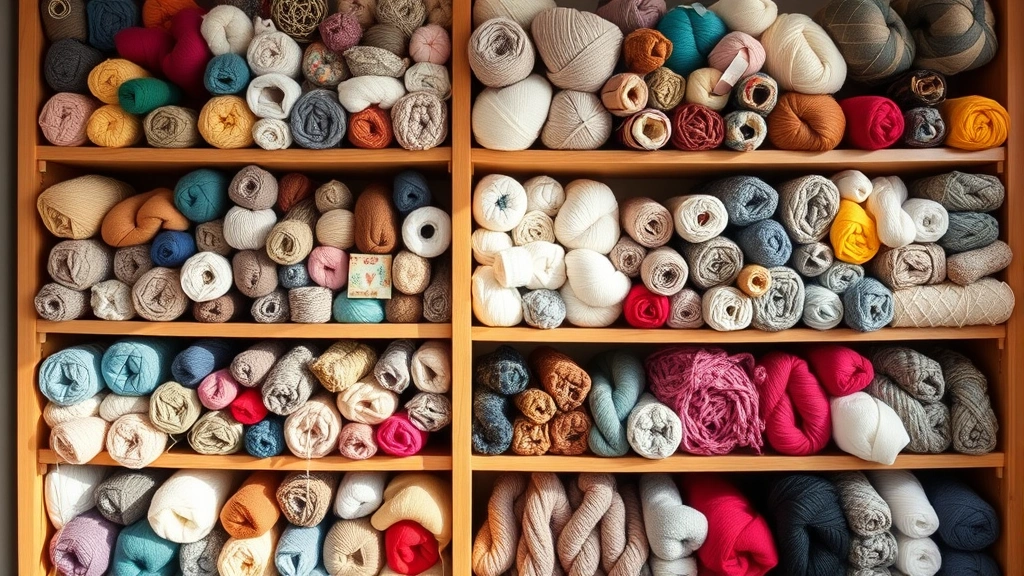
This is where people accidentally buy too much yarn or, worse, not enough. The yardage label tells you how many yards (or meters) are in that ball or skein. Your pattern will tell you exactly how much yardage you need—not how many balls, but actual yardage. This matters because two different yarns labeled “weight 4” might have completely different yardage in the same-sized ball.
Let’s say you’re making an afghan with medium weight yarn that requires 2,000 yards total. You find a yarn with 220 yards per ball. That means you need roughly nine balls (2,000 divided by 220). But if you find another yarn with 190 yards per ball, you’d need closer to 11 balls. Same weight, different yardage, different number of balls needed. Always do the math.
Here’s my practical tip: buy a little extra. I usually grab one extra ball beyond what the math says I need. Yarn dyes vary slightly between dye lots, and having that backup ball means you can match your dye lot perfectly if you run short. Plus, if you make a mistake and have to rip back, you’ve got cushion. Nothing’s worse than running out of yarn two rounds from the end of a project.
Keep the yarn labels. Seriously. You’ll want to know the exact yardage, fiber content, and care instructions later when you’re finishing or washing your project. I tape mine into a notebook or photograph them.
Color and Visual Impact on Your Design
Color choice is where crochet becomes really personal and fun. A simple stitch pattern in a beautiful solid color can look completely different than the same pattern in a variegated or speckled yarn.
Solid colors let your stitch definition shine. If you’re doing something with texture—cables, bobbles, popcorn stitches—solid yarn shows off all that detail. They’re also easier to work with because you don’t have to think about how colors interact with your pattern.
Variegated and multi-colored yarns are visually interesting, but here’s what I’ve learned: they can actually hide stitch definition. A beautiful variegated yarn might make a simple stitch pattern look busy or muddy. They work better with simpler stitches where the color does the visual work instead of the stitch structure. That said, variegated yarn in the right project is magical. I made a blanket with a gradient variegated yarn and a simple stitch pattern, and it looked like I’d spent way more effort than I actually did.
Speckled and heathered yarns are my personal sweet spot. They add visual interest without overwhelming your stitch pattern, and they hide color inconsistencies and minor tension variations beautifully.
Here’s something that trips people up: a yarn that looks one color in the skein might look completely different when crocheted up. The stitching can lighten or darken the appearance, and the way light hits the finished fabric changes everything. If you can, buy one ball and crochet up a small swatch before committing to a whole project. It’s not wasted yarn—you’re learning about how that specific yarn works.
Durability and Care Considerations
Think about what your finished project needs to withstand. A baby blanket that’ll be washed constantly needs different yarn than a decorative wall hanging that rarely gets touched.
Cotton and wool are both durable, but in different ways. Wool bounces back from wear, which is why wool sweaters can last decades. Cotton gets softer with washing but can pill or develop weak spots over time if it’s low-quality. Acrylic is incredibly durable—it won’t felt, won’t develop weak spots—but it can pill more easily and doesn’t age as gracefully.
Check the care label on your yarn. Some yarns are machine-washable, others need hand-washing, some need blocking and special treatment. If you’re making something for someone who won’t hand-wash it (let’s be real, most people won’t), choose a yarn that can handle a washing machine. Superwash wool and acrylic are your friends here. Make sure you understand the care requirements before you commit to a project, and honestly, consider whether the person receiving it will actually care for it properly. There’s no point making a beautiful delicate thing if it’s going to end up neglected.
Budget Reality and Cost per Project
Let’s talk money, because yarn budgets are real and they matter. High-end specialty yarns can cost $15-$30 per ball, while basic acrylic might be $2-$4. That’s a huge difference when you’re looking at a project that needs 10 balls.
I think about yarn cost in terms of cost-per-yard, not cost-per-ball. A $10 ball with 400 yards is actually cheaper per yard than a $6 ball with 150 yards. Once you start thinking that way, you can make smarter choices about where to splurge and where to economize.
Here’s my honest approach: I buy nice yarn for projects I’m excited about and know I’ll wear or use constantly. I buy budget-friendly yarn for practice projects, gifts for people with unpredictable taste, and anything that might be subjected to rough treatment. There’s absolutely nothing wrong with that strategy. You don’t need expensive yarn to make beautiful things.
If budget is tight, look for yarn sales, check out Ravelry’s stash-busting patterns that use specific yardages, or join a yarn swap group. There are communities of crocheters literally trading yarn they’re not using. You might find exactly what you need for cheap or free.
Matching Yarn to Specific Patterns
Once you understand yarn weight, fiber content, and yardage, matching yarn to patterns becomes straightforward. Here’s the practical process:
- Read the pattern requirements completely. The pattern designer tells you what weight they used, often the specific yarn they tested with, and the yardage needed. They’ve done the hard work for you.
- Find a yarn in the same weight. Start there. Yes, you can substitute, but if you’re not experienced with substitutions, stick with the weight the pattern calls for.
- Check the yardage math. If your substitute yarn has different yardage than the original, do the math to figure out how many balls you need.
- Consider the fiber. If the pattern calls for wool and you want acrylic instead, that’s fine—just understand that the drape and feel will be different. Some projects are more forgiving of fiber substitution than others. A blanket doesn’t care much. A fitted sweater cares a lot.
- Think about color. If the pattern shows a specific color, you don’t have to match it exactly, but think about whether your color choice will work with the stitch pattern. Solid? Variegated? Speckled?
- Trust your gut. If you love the yarn and it meets the technical requirements, it’s probably the right choice. Crochet is supposed to be enjoyable, and part of that enjoyment is loving the yarn you’re working with.
One thing I wish someone had told me earlier: it’s totally okay to buy yarn without a pattern in mind. Sometimes you find a yarn that speaks to you, and then you figure out what to make with it. Some of my favorite projects started that way—I fell in love with yarn first and found a pattern second.
FAQ
Can I substitute one yarn for another in a pattern?
Yes, but with caveats. If you’re substituting a different weight, you’ll likely need to adjust your hook size and your project dimensions. If you’re changing fiber content, understand that the finished feel and drape will change. For beginners, I recommend sticking with the pattern’s specified yarn weight at minimum. Once you’ve got experience, substitution becomes easier because you can predict how changes will affect the outcome.
What’s the difference between “yarn weight” and “yarn thickness”?
They’re related but not identical. Yarn weight refers to the standardized numbering system (0-7). Yarn thickness is the actual physical diameter of the strand. The confusing part is that weight is determined by yardage-per-weight, not just how thick the strand looks. A thick but loosely spun yarn might have less yardage per ounce than a thin but densely spun yarn.
How do I know if a yarn will be itchy?
The best way is to touch it in person or get a yarn sample before buying a whole project’s worth. Some wool is naturally itchy; some is buttery soft. Superwash wool is generally softer than regular wool. If you’re sensitive to itchiness, look for acrylic blends, cotton, or high-quality merino wool. Once you find a yarn you love, remember the brand and type—you’ve found your thing.
Should I always buy yarn for the exact project I want to make?
Nope. Lots of people build a yarn stash and then browse pattern marketplaces looking for projects that match their stash. There’s absolutely nothing wrong with that approach, especially if you’re budget-conscious. Some crocheters enjoy the stash-busting challenge.
What’s a dye lot and why does it matter?
A dye lot is a batch of yarn dyed at the same time. Different dye lots of the same yarn color can vary slightly in shade. If you’re buying yarn for a large project, try to get all your yarn from the same dye lot. If you can’t, buy extra so you can blend yarn from different dye lots as you work, which makes variations less noticeable.
Is expensive yarn always better?
Not necessarily. Expensive yarn is sometimes better because of the fiber quality, the yardage, or the brand’s reputation. But sometimes you’re paying for the brand name or specialty fibers you don’t actually need. A $3 acrylic ball and a $20 luxury yarn ball can both produce beautiful projects—it just depends on what you’re making and what matters to you.
How do I choose yarn if I’m not sure what I want to make yet?
Pick a weight you like working with (most people find weight 3 or 4 most satisfying), choose a color that makes you happy, and buy enough yardage to have options. A good baseline is 800-1,200 yards, which gives you enough for a small blanket, a scarf, or a lightweight sweater. Then browse Ravelry or Yarnspirations for patterns that match your yardage and weight.