Choosing the Right Yarn for Your Crochet Projects: A Complete Guide
Let’s be real—walking into a yarn shop or scrolling through an online catalog can feel absolutely overwhelming. There are so many colors, weights, fiber types, and price points that it’s easy to feel paralyzed before you even pick up a hook. I’ve been there, standing in front of a wall of yarn thinking, “But which one will actually make me happy?” The truth is, choosing the right yarn isn’t just about grabbing whatever’s on sale or what Instagram tells you to buy. It’s about understanding what you’re making, what you actually enjoy working with, and what’ll feel good in your hands for hours at a time.
The exciting part? Once you know what to look for, picking yarn becomes way less stressful and way more fun. You’ll start noticing the subtle differences between a soft merino and a crispy cotton, and you’ll actually understand why some projects call for specific yarns. This guide walks you through everything you need to know to make choices that’ll have you excited to start every single project.
Understanding Yarn Weight and Thickness
Yarn weight is probably the most important thing you’ll learn about when choosing yarn. It’s not actually about how heavy the yarn is (confusing, I know), but rather how thick it is. The standard yarn weight system uses numbers and names, ranging from 0 (lace) all the way up to 7 (jumbo). Most everyday projects fall somewhere in the middle—think worsted weight (4) or bulky (5).
Here’s why this matters so much: if your pattern calls for a worsted weight yarn and you grab a super bulky instead, your finished project won’t just look different—it’ll be completely different in size. A sweater could end up looking like a tent, or a baby blanket might be way too stiff. The pattern designer tested their design with specific yarn weights in mind, and changing that dramatically changes the whole outcome.
Let me break down the most common weights you’ll encounter:
- Lace (0) and Fingering (1): Ultra-thin, delicate, perfect for intricate shawls and lacy garments. These require patience and smaller hooks, but the results are absolutely stunning.
- Sport (2) and DK (3): Light and airy, great for garments that need drape and breathability. Think summer tops and delicate baby items.
- Worsted (4): The Goldilocks of yarn weights. Medium thickness, versatile, works up at a decent pace, and it’s the most commonly available weight in shops.
- Bulky (5) and Super Bulky (6): Thick and chunky, these create projects fast. Perfect for cozy blankets, scarves, and quick gifts. They’re also forgiving if you’re still building your tension control.
- Jumbo (7): The speediest option. Projects finish in hours instead of weeks, but the stitch definition can get lost.
When you’re matching yarn to your pattern, always check the yarn weight recommendation first. It’s the non-negotiable starting point. If you absolutely love a yarn that’s a different weight than what’s called for, you can substitute it, but you’ll need to do the math on yardage and possibly adjust your pattern size.
Exploring Different Fiber Types
Once you’ve got the weight sorted, it’s time to think about what your yarn is actually made from. This is where things get personal because what feels amazing to one person might drive another person absolutely nuts. And that’s totally okay—fiber choice is genuinely subjective.
Acrylic yarns are the workhorses of the crochet world. They’re affordable, come in every color imaginable, wash easily, and they don’t require any special care. Brands like Red Heart and Lion Brand have been staples forever for a reason. Acrylic’s perfect when you’re experimenting with a new stitch, making gifts for kids who’ll destroy anything delicate, or creating projects on a tight budget. The downside? Some people find it plasticky or scratchy, and it doesn’t have the same drape as natural fibers.
Wool is the classic choice, and honestly, there’s something magical about working with it. It’s warm, it has great elasticity (meaning your stitches stay put), and it feels luxurious. Merino wool is buttery soft, while regular wool can be scratchier but is often cheaper. The catch is that wool needs gentle washing and can felt if you’re not careful. It’s also not ideal for people with sensitivities. Wool shines in blankets, sweaters, and anything where you want that cozy factor.
Cotton is breathable and perfect for summer items, dishcloths, and anything that’ll get wet regularly. It’s crisp and structured, which some people love and others find a bit stiff. Cotton doesn’t have much give, so your tension needs to be consistent, but once you get used to it, it’s really satisfying to work with. It’s also typically affordable and easy to care for.
Blends are where things get interesting. A wool-acrylic blend gives you the softness of wool with easier care and lower price. Cotton-acrylic blends offer breathability with affordability. There’s honestly no “best” blend—it depends entirely on what you’re making and what matters to you.
Specialty fibers like alpaca, bamboo, silk, and linen each bring their own magic. Alpaca is insanely soft but can be expensive. Bamboo has a gorgeous drape and shine. Linen gets softer with washing. These are fun to splurge on for special projects, and exploring them is half the joy of this hobby.
Calculating Yardage and Project Needs
This is where a lot of people get confused, and I totally get it. Yardage (or meterage if you’re working in metric) is how much yarn you actually have. A ball of yarn might weigh 3.5 ounces but have 220 yards. Another ball might weigh the same but only have 180 yards because it’s thicker. This is why weight alone doesn’t tell you everything—you need both the weight and the yardage.
When you’re looking at a crochet pattern, it’ll tell you exactly how much yardage you need. This is crucial because running out of yarn mid-project is genuinely heartbreaking. Here’s the practical breakdown:
- Find your pattern’s total yardage requirement (it should be clearly stated)
- Check the yarn weight recommended
- Look at how much yardage comes in each ball of yarn you’re considering
- Divide the pattern’s total yardage by the yardage per ball to see how many balls you need
- Always buy one extra ball—seriously, always
Let’s use a real example. Say you’re making a blanket that needs 2,000 yards in worsted weight. You find a yarn you love that has 220 yards per ball. That’s 2,000 ÷ 220 = 9.09 balls. You’d buy 11 balls to be safe. Yes, you might have leftover yarn, but that’s so much better than being one ball short.
Here’s a pro tip: if you’re substituting a different yarn than what the pattern calls for, you might need to adjust yardage. If you’re switching from a yarn with 220 yards per ball to one with 180 yards per ball, you’ll need more balls. Keep a project tracker like Ravelry handy—it’s free and it’ll help you keep track of yardage, weights, and what you’ve used.
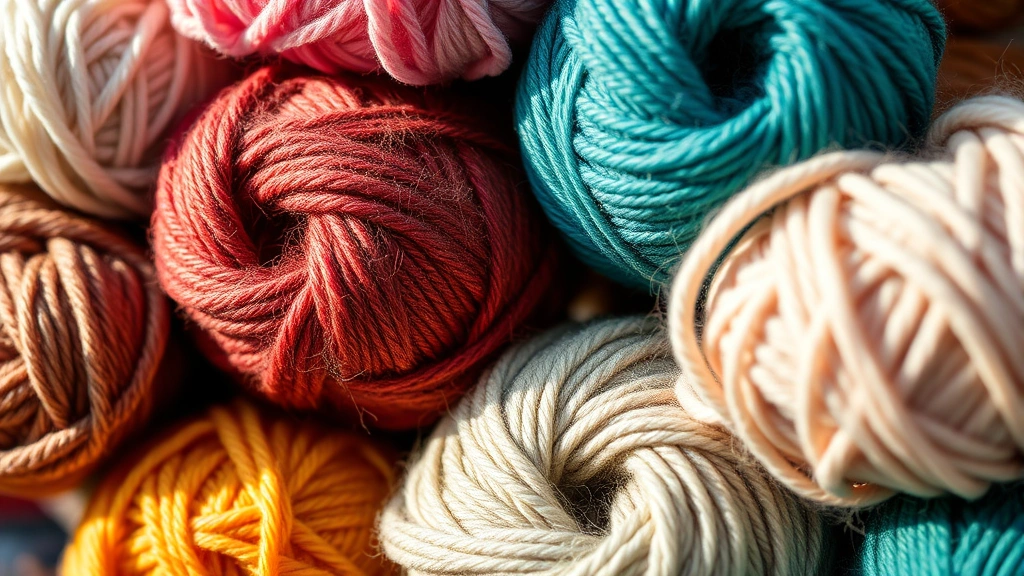
” alt=”Close-up of colorful yarn balls stacked together, showing various textures and fiber types in natural lighting”/>
Budget-Friendly Yarn Shopping Strategies
Let’s talk money because yarn costs add up. A gorgeous indie-dyed merino might cost $15 a skein, while a basic acrylic might be $2. Both can make beautiful projects, but the budget difference is real.
Here’s how to get the most out of your yarn budget without sacrificing quality or joy:
Buy in bulk when you find something you love. Yarn goes out of stock, colors get discontinued, and prices fluctuate. When you find a yarn you genuinely adore at a good price, grab a few extra balls for future projects.
Explore different price tiers strategically. You don’t need expensive yarn for every project. Save the pricey stuff for pieces you’ll wear constantly or gifts for people you really love. Use budget-friendly acrylic for practice projects, amigurumi, or items that’ll get heavy use.
Join yarn communities and swap. Crochet groups on social media, local guilds, and even Ravelry forums often have yarn swaps where people trade stash. You might find exactly what you need from someone who just wants something different.
Check clearance sections and sales religiously. Yarn shops often discount seasonal items or colors that didn’t sell. Summer yarn goes on sale in fall, winter yarn in spring. If you’re flexible with color, you can save serious money.
Consider yarn weight for budget impact. Thicker yarns create projects faster, which means less total yarn needed. A jumbo-weight blanket might use 1,000 yards while a worsted-weight blanket uses 3,000 yards. Speed can actually save you money.
Matching Yarn to Your Pattern
This is where everything comes together. You’ve got a pattern you’re excited about, and now you need to pick yarn that’ll make it sing.
First, read what the pattern recommends. The designer tested this specific yarn (or yarn weight and type) and knows how it’ll behave. If the pattern says “worsted weight wool,” there’s a reason. Wool has elasticity that acrylic doesn’t, so a pattern designed for wool might look saggy in acrylic.
That said, substitutions absolutely happen, and sometimes they work beautifully. Here’s how to do it responsibly:
Match the weight first. This is non-negotiable. Yarn weight changes how your project looks and fits, so don’t compromise here.
Match the fiber type when possible. If the pattern calls for cotton and you use wool, the drape and feel will be different. That might be fine—sometimes it’s actually better. But go in knowing the difference.
Check yardage carefully. If you’re switching yarns, make sure you have enough yardage for the pattern. Don’t just count balls—count actual yardage.
Check the gauge. This is a little swatch that tells you how many stitches and rows fit in a specific measurement with a specific yarn and hook. If the pattern says “16 stitches = 4 inches” and your swatch doesn’t match, your finished project will be the wrong size. It’s worth taking 15 minutes to check this.
Pro tip: when you’re substituting yarn, test it in the actual stitch pattern if possible. A yarn might feel great in stockinette but look weird in a textured pattern. Crochet a small swatch and see how you feel about it before committing to the whole project.
Understanding Care and Durability
Here’s something that doesn’t always get talked about enough: how you’ll care for your finished project matters when you’re choosing yarn. A gorgeous wool sweater means nothing if you accidentally felt it in the wash.
Acrylic is basically indestructible. Throw it in the washing machine, tumble dry it, and it’ll be fine. This is huge if you’re making things for kids or pets.
Wool needs gentle care. Hand wash in cool water with wool-specific soap, lay flat to dry. Some people are fine with this routine; others find it annoying. If you’re making something you’ll wear constantly, that care routine matters.
Cotton is machine washable and actually gets softer with washing. Perfect for dishcloths and kitchen items.
Blends vary depending on the ratio. A 50/50 wool-acrylic blend might be machine washable on delicate; a 90/10 blend probably needs hand washing. Always check the yarn label.
When you’re choosing yarn for a specific project, think about how it’ll actually be used. A baby blanket that needs frequent washing? Go with acrylic or cotton. A special sweater for yourself that you’ll hand wash carefully? Splurge on that merino. A stuffed animal for a toddler who’ll drag it everywhere? Definitely acrylic.
Also, think about pilling. Some yarns pill more than others (little fuzzballs that form on the surface with wear). Wool tends to pill less than acrylic. If pilling bothers you, keep that in mind.
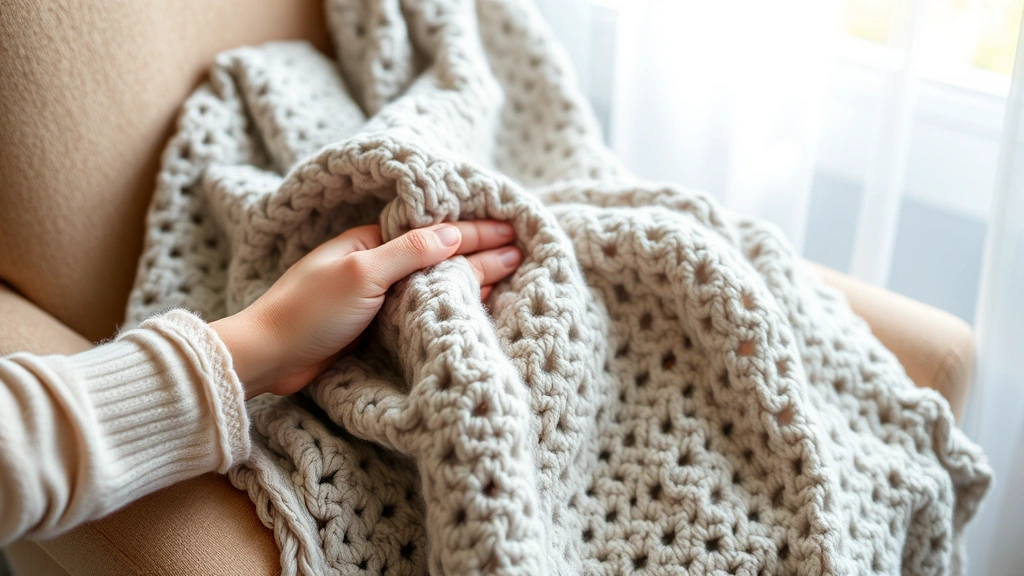
” alt=”Hands holding soft, freshly crocheted blanket draped over a cozy chair with natural window light”/>
FAQ
Can I use a different yarn weight than what the pattern calls for?
Technically yes, but understand that your finished project will be different in size and possibly appearance. Yarn weight dramatically affects how a project turns out. If you want to substitute, you’ll need to do math on yardage and possibly adjust the pattern itself. For beginners, it’s better to stick with what’s recommended.
What’s the difference between yarn weight and yarn thickness?
They’re basically the same thing in practical terms. Yarn weight refers to the thickness category (worsted, bulky, etc.). The actual weight in ounces is different from the thickness because a thick yarn with air in it might weigh less than a thin, dense yarn.
Is expensive yarn always better?
Not necessarily. A $2 acrylic can make a beautiful project. Expensive yarn often offers things like better feel, unique colors, or special fibers, but it’s not always “better.” It depends on what matters to you and what you’re making.
How do I know if a yarn will felt?
Animal fibers like wool felt when exposed to heat, moisture, and agitation. If you’re using wool, hand wash in cool water and lay flat to dry. Acrylic and cotton don’t felt. If you’re unsure, the yarn label usually mentions if special care is needed.
What if I run out of yarn mid-project?
This is frustrating but fixable. You can try to find more of the same dye lot (the batch number on the label), or you can switch to a different yarn for the remaining rows. Some people do this intentionally for a color-blocked look. You can also unravel what you’ve done and start over with a different pattern that uses less yardage.
Should I wash yarn before using it?
Most commercially produced yarn doesn’t need pre-washing. However, some people pre-wash wool to prevent later shrinkage. If you’re unsure, check the yarn label or ask at your local yarn shop.
How do I choose between similar-looking yarns?
Handle them if possible. How do they feel in your hands? Some people prefer crispy, others prefer soft. Crochet a small swatch of each with the same hook and compare how they look and feel worked up. Your personal preference matters way more than what anyone else thinks.