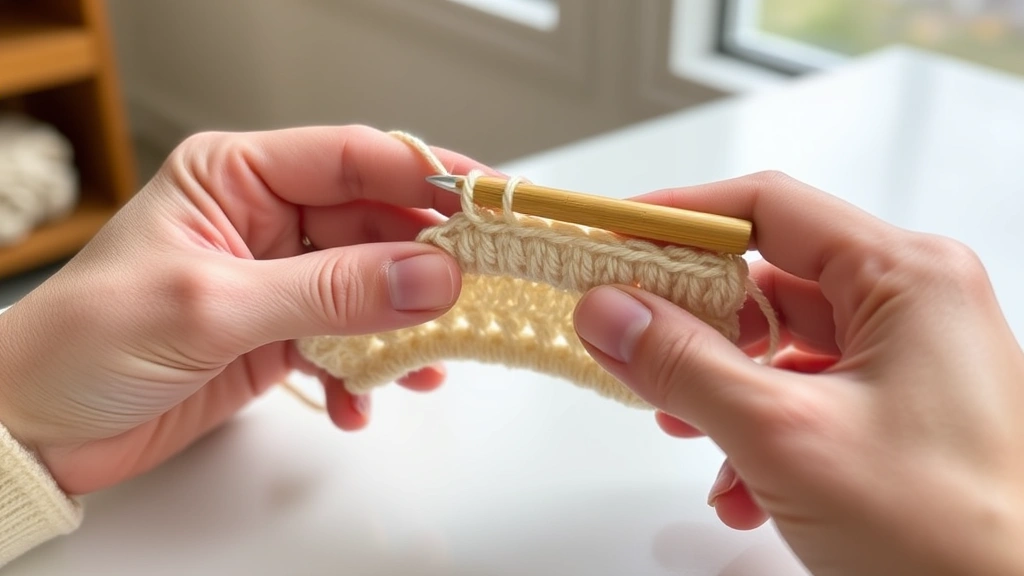
Last week, I was teaching my neighbor how to crochet, and she kept asking about the difference between single crochet and half double crochet. “They look so similar,” she said, squinting at her practice square. “Why do I need both?” It’s a question I hear constantly from new crocheters, and honestly, I get it. When you’re just starting out, these stitches can feel almost identical.
But here’s the thing – understanding the difference between these two fundamental stitches will completely change your crochet game. Single crochet creates that tight, sturdy fabric perfect for dishcloths and structured projects. Half double crochet gives you more height and drape, making it ideal for scarves and blankets where you want some flow.
I’ve been crocheting for over fifteen years, and I still remember the “aha” moment when I finally understood how these stitches work differently. The height difference isn’t just about looks – it affects everything from your yarn consumption to how your finished project feels and hangs. Getting comfortable with both stitches opens up a whole world of pattern possibilities.
Quick Answer
Single crochet (sc) is shorter and tighter with one yarn over, while half double crochet (hdc) is taller and more flexible with two yarn overs. Single crochet creates dense, structured fabric, while half double crochet produces a softer, more drapeable texture.
Basic Differences Between SC and HDC
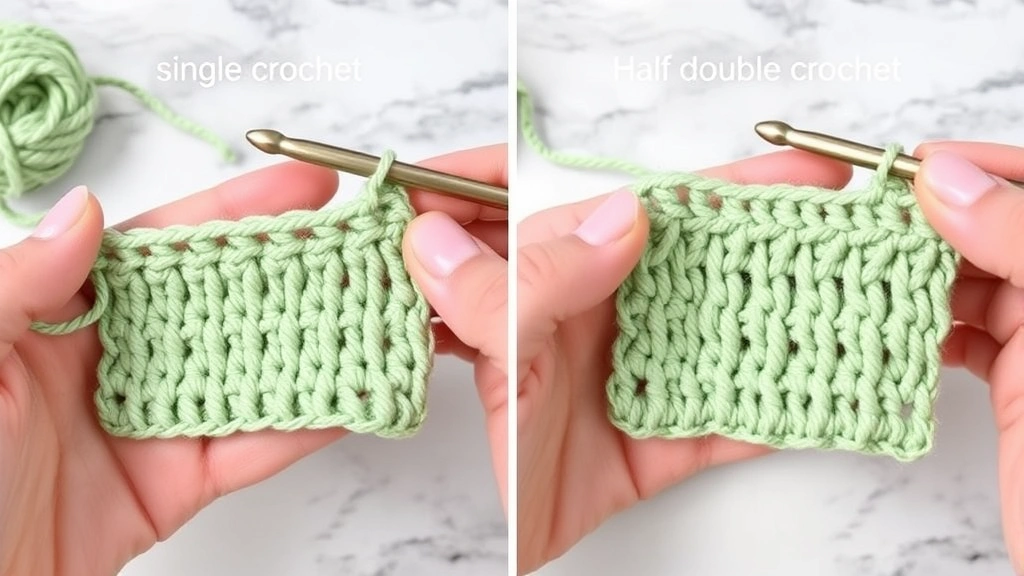
The most obvious difference is height. Single crochet stitches are about half the height of half double crochet stitches. When I’m working with worsted weight yarn and a size H (5mm) hook, my single crochet rows measure roughly 0.25 inches tall, while half double crochet rows come in around 0.4 inches.
But the real difference lies in the construction. Single crochet uses one yarn over before inserting your hook, while half double crochet starts with a yarn over. This extra yarn over creates the additional height and changes how the stitch behaves in your fabric.
Yarn Over Differences
Here’s where it gets interesting. In single crochet, you insert your hook, yarn over, pull through (two loops on hook), yarn over, pull through both loops. That’s it – clean and simple.
Half double crochet adds that initial yarn over: yarn over, insert hook, yarn over, pull through (three loops on hook), yarn over, pull through all three loops at once. That extra step creates a stitch that’s naturally taller and has more stretch.
| Aspect | Single Crochet | Half Double Crochet |
|---|---|---|
| Height | ~0.25 inches (worsted) | ~0.4 inches (worsted) |
| Yarn overs | 1 total | 2 total |
| Loops pulled through | 2, then 2 | 3 all at once |
| Fabric density | Dense and structured | More open and flexible |
The key to mastering both stitches is understanding that the yarn over isn’t just about height – it’s about creating different fabric behaviors.
Single Crochet Technique
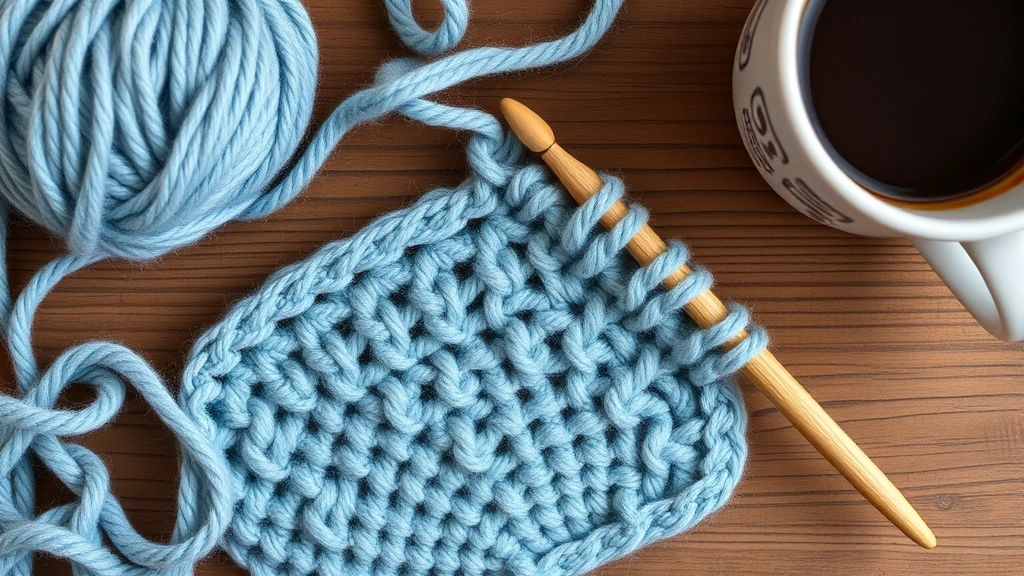
Single crochet is usually the first stitch most people learn, and for good reason. It’s straightforward, forgiving, and creates a solid, dependable fabric. When I teach beginners, I always start here because once you’ve got single crochet down, other stitches feel like natural progressions.
Step-by-Step Single Crochet
- Insert your hook
Push your hook through both loops of the stitch below (or into your foundation chain). Keep your hook angled slightly toward you – this makes the next step easier.
- Yarn over and pull through
Wrap the yarn over your hook from back to front, then pull that loop through the stitch. You should have two loops on your hook now.
- Yarn over again
Wrap the yarn over your hook once more, from back to front. This is your working loop.
- Pull through both loops
Draw the working loop through both loops on your hook in one smooth motion. You’ve completed one single crochet stitch.
The rhythm becomes second nature pretty quickly. Insert, yarn over, pull through, yarn over, pull through both. I like to think of it as a two-part process – grab the stitch, then close it up.
Troubleshooting Single Crochet
The most common issue I see with single crochet is tension problems. Too tight, and your stitches become impossible to work into on the next row. Too loose, and your fabric gets floppy and uneven. When working with beginner-friendly yarns like Red Heart Super Saver or Lion Brand Vanna’s Choice, aim for stitches that have a little give but don’t distort when you gently stretch the row.
Half Double Crochet Technique
Half double crochet feels awkward at first if you’re coming from single crochet. That initial yarn over throws off your rhythm, and pulling through three loops at once can feel clunky. But stick with it – once it clicks, half double crochet becomes incredibly satisfying to work.
Step-by-Step Half Double Crochet
- Start with a yarn over
Before you do anything else, wrap the yarn over your hook from back to front. This is what gives half double crochet its extra height.
- Insert your hook
Push your hook through both loops of the stitch below, keeping that yarn over in place. You should have the yarn over plus the two loops of the stitch on your hook.
- Yarn over and pull through
Wrap the yarn over your hook again and pull it through the stitch only. Now you have three loops on your hook – the original yarn over, plus the two loops you just created.
- Yarn over and pull through all three
One more yarn over, then pull that working loop through all three loops on your hook in one motion. This is the part that feels weird at first, but it’s what creates the stitch’s distinctive look.
The rhythm is different from single crochet: yarn over, insert, yarn over, pull through one, yarn over, pull through three. It sounds complicated written out, but your hands will find the flow pretty quickly.
Getting the Tension Right
Half double crochet is more forgiving than single crochet when it comes to tension, but you still want consistency. The three loops on your hook can make it tempting to pull too tight on that final yarn over. Instead, keep your grip relaxed and let the stitch form naturally.
When I’m working baby blankets in half double crochet, I use a hook that’s one size larger than the yarn label suggests. This creates a softer, more drapeable fabric that’s perfect for snuggling.
How Each Stitch Affects Your Fabric
This is where the magic happens. The stitch you choose doesn’t just affect how your project looks – it completely changes how it behaves. I learned this the hard way when I made a scarf in single crochet that turned out stiff as cardboard. Live and learn, right?
Single Crochet Fabric
Single crochet creates what I call “workhorse fabric.” It’s dense, stable, and holds its shape beautifully. The tight stitch structure means less yarn shows through, making it perfect for projects where you want opacity and structure.
Yarn consumption is higher with single crochet because of the density. When I made matching tote bags in both stitches, the single crochet version used about 30% more yarn than the half double crochet version. But it also held its shape better and showed less wear after months of use.
The stitch definition in single crochet is crisp and clean. Each stitch stands out distinctly, which makes it fantastic for colorwork and texture patterns. Ravelry has thousands of single crochet patterns that showcase this beautiful stitch definition.
Half Double Crochet Fabric
Half double crochet gives you what I think of as “sweater fabric.” It has drape, stretch, and movement. The taller stitches create natural spaces that make the fabric more breathable and flexible.
Because half double crochet works up faster than single crochet, it’s my go-to for larger projects. A throw blanket in half double crochet takes me about 40% less time than the same blanket in single crochet. The trade-off is that you get a slightly more open fabric that might not be as warm or wind-resistant.
The stitch has a lovely lean to it that creates subtle texture even in solid colors. When you’re working with variegated yarns, half double crochet lets the color changes flow more naturally than the choppy effect you sometimes get with single crochet.
| Characteristic | Single Crochet | Half Double Crochet |
|---|---|---|
| Drape | Minimal | Good |
| Warmth | Excellent | Good |
| Speed | Slower | Faster |
| Yarn usage | Higher | Lower |
| Durability | Excellent | Good |
When to Use Each Stitch
Choosing between single crochet and half double crochet isn’t just about personal preference – certain projects genuinely work better with one stitch over the other. I’ve learned this through plenty of trial and error, including that cardboard scarf I mentioned earlier.
Best Projects for Single Crochet
Single crochet shines in projects where you need structure and durability. I use it for anything that needs to hold its shape or withstand regular use. Kitchen items like dishcloths and pot holders are perfect – the dense fabric scrubs well and doesn’t stretch out of shape in the wash.
For amigurumi projects, single crochet is almost always the right choice. The tight stitch structure prevents stuffing from showing through, and the fabric holds three-dimensional shapes beautifully. I’ve never seen a successful amigurumi project made entirely in half double crochet – it just doesn’t have the structural integrity.
Bags and baskets are another natural fit. The dense fabric provides support for weight, and the minimal stretch means your bag won’t gradually grow larger with use. When I make market bags, I always use single crochet for the body and handles.
Best Projects for Half Double Crochet
Half double crochet is my go-to for anything that needs to drape or flow. Scarves, shawls, and blankets all benefit from the natural movement this stitch provides. The extra height also means these projects work up faster – always a bonus when you’re making a queen-size afghan.
Garments are where half double crochet really shines. The fabric has enough stretch to be comfortable but isn’t so stretchy that it loses its shape. I’ve made several cardigans using half double crochet as the main stitch, and they wear beautifully without getting baggy or distorted.
For baby items, half double crochet creates that perfect soft, cuddly texture parents love. The fabric breathes better than single crochet, which is important for little ones who can overheat easily.
Common Mistakes and Solutions
I’ve made every mistake possible with these stitches, and I’ve helped countless students work through the same issues. The good news is that most problems have simple solutions once you know what to look for.
Single Crochet Mistakes
The biggest issue I see with single crochet is accidentally working into the wrong part of the stitch. New crocheters often work under just one loop instead of both, creating a ridge effect that’s not usually what you want. Unless your pattern specifically calls for front post or back post techniques, always go through both loops at the top of the stitch.
Another common problem is the dreaded “leaning tower” effect where your work starts curving to one side. This usually happens when you’re not maintaining consistent tension or when you’re accidentally adding or dropping stitches. Count your stitches at the end of each row – it sounds tedious, but it’ll save you from having to rip out rows later.
Half Double Crochet Troubles
The most frequent half double crochet mistake is forgetting that initial yarn over. You’ll be cruising along, get distracted, and suddenly you’re making single crochet stitches without realizing it. Your row will start looking shorter, and the fabric will feel different. When this happens, just carefully unwork the incorrect stitches and start again.
Another tricky spot is pulling through all three loops at once. If you’re having trouble getting your hook through, your tension might be too tight, or you might be twisting the loops. Keep your yarn relaxed and make sure the loops are sitting flat on your hook before attempting the final pull-through.
Some crocheters struggle with the height difference when transitioning from single crochet to half double crochet in the same project. Remember that half double crochet typically requires a chain 2 at the beginning of each row (compared to chain 1 for single crochet), and this turning chain counts as a stitch in most patterns.
The key to avoiding mistakes is developing a consistent rhythm. Once your hands know the motion, your brain can relax and you’ll make fewer errors.
Reading Patterns with Both Stitches
Pattern abbreviations can be confusing when you’re starting out, especially since different designers sometimes use slightly different conventions. In most patterns, you’ll see “sc” for single crochet and “hdc” for half double crochet, but I’ve encountered patterns that use “sc” and “hdc” interchangeably with “single” and “half double.”
Understanding Stitch Counts
When a pattern combines both stitches, pay close attention to the stitch counts. Because half double crochet stitches are taller, you might see instructions like “sc in next 5 sts, hdc in next 10 sts, sc in next 5 sts” to create intentional shaping or texture changes.
The turning chain requirements are different too. Most patterns will specify, but as a general rule, single crochet uses chain 1 to turn (which usually doesn’t count as a stitch), while half double crochet uses chain 2 to turn (which may or may not count as a stitch, depending on the pattern).
Gauge Considerations
If you’re substituting one stitch for another in a pattern, you’ll need to adjust your gauge accordingly. A pattern written for single crochet will be much shorter if you work it in half double crochet, and vice versa. Always make a gauge swatch when switching stitches, even if you’re using the recommended yarn and hook size.
When working with chunky weight yarns, the height difference between these stitches becomes even more pronounced. A single crochet row might be 0.5 inches tall, while a half double crochet row could be 0.75 inches or more.
Common Questions
Which stitch is better for beginners?
Single crochet is typically easier for beginners because it has fewer steps and creates more predictable results. The two-step process (pull through one, then pull through two) is easier to master than the three-loop pull-through of half double crochet. Once you’re comfortable with single crochet, half double crochet becomes much easier to learn.
How much more yarn does single crochet use compared to half double crochet?
Single crochet typically uses 20-30% more yarn than half double crochet for the same size project. This is because single crochet creates a denser fabric with more stitches per square inch. For a worsted weight baby blanket, you might need 1200 yards in single crochet versus 900 yards in half double crochet.
Can I substitute half double crochet for single crochet in any pattern?
Not without making significant adjustments. Half double crochet creates a taller, more flexible fabric, so your finished project will be larger and have different drape characteristics. If you want to make this substitution, you’ll need to recalculate stitch counts and possibly adjust the pattern structure. It’s better to find a pattern specifically designed for your preferred stitch.
Why do my half double crochet stitches look uneven?
Uneven half double crochet stitches usually result from inconsistent tension when pulling through the three loops. Try to maintain the same gentle pressure for each stitch, and make sure you’re not twisting the loops before the final pull-through. Using a hook that’s slightly larger than recommended can also help create more even stitches.
Should the turning chain count as a stitch?
This depends on your pattern, but generally, the chain 1 turning chain for single crochet doesn’t count as a stitch, while the chain 2 turning chain for half double crochet may or may not count. Always check your pattern’s specific instructions. When the turning chain counts as a stitch, you’ll skip the first actual stitch of the row and work into the turning chain at the end of the next row.
How do I fix a row where I accidentally mixed stitches?
If you notice you’ve mixed single crochet and half double crochet in the same row, you have two options. For just a few incorrect stitches, you can carefully unwork them and redo them correctly. If the entire row is mixed up, it’s usually faster to unravel the whole row and start over. This is frustrating but will give you better results than trying to fix individual stitches.
Which stitch works better for colorwork patterns?
Single crochet generally works better for detailed colorwork because the shorter, denser stitches create cleaner color definition. The tight fabric prevents colors from bleeding into each other visually. Half double crochet can work for colorwork, but it’s better suited to larger color blocks or gradual color transitions rather than intricate patterns.
How long does it take to learn each stitch?
Most people can learn basic single crochet in one practice session of 2-3 hours. Half double crochet usually takes another 1-2 practice sessions to feel comfortable, mainly because of the three-loop pull-through technique. However, achieving consistent tension and rhythm with both stitches can take several weeks of regular practice. Don’t rush it – muscle memory takes time to develop.
Understanding the difference between single crochet and half double crochet opens up so many possibilities in your crochet journey. These two fundamental stitches form the backbone of countless patterns, and knowing when to use each one will make you a more confident and capable crocheter.
The beauty of crochet is that there’s always something new to learn, but mastering these basics gives you a solid foundation for everything else. Whether you’re making a sturdy single crochet dishcloth or a flowing half double crochet shawl, you’ll know you’re choosing the right stitch for the job. Keep practicing, be patient with yourself, and remember that every expert crocheter started exactly where you are now.