Choosing the Right Yarn for Your Crochet Projects
Let’s be real—walking into a yarn shop or scrolling through online yarn options can feel absolutely overwhelming. There are so many weights, fibers, colors, and price points that it’s easy to feel paralyzed before you even cast on your first loop. But here’s the thing: choosing yarn doesn’t have to be this stressful puzzle. It’s actually one of the most enjoyable parts of the whole crochet journey, once you know what you’re actually looking for.
I’ve spent years helping people navigate yarn choices, and I can tell you that most of the overwhelm comes from not understanding what yarn characteristics actually matter for your specific project. You don’t need to know everything about every yarn. You just need to understand a few key factors, and suddenly the whole process becomes way more intuitive and honestly, pretty fun.
Understanding Yarn Weight and Thickness
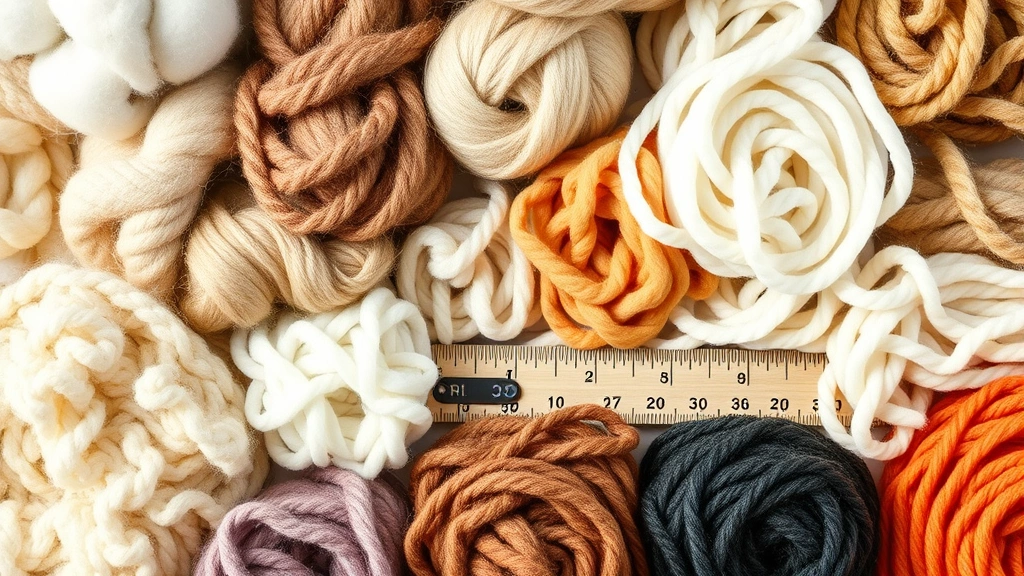
Yarn weight is literally the thickness of the yarn strand, and it’s probably the most important thing to understand when you’re picking yarn for a project. The Craft Yarn Council has standardized yarn weights into categories from 0 (lace) all the way up to 7 (jumbo), but most crocheters work with weights 2 through 5.
Here’s where this gets practical: if your pattern calls for worsted weight yarn (that’s a weight 4), and you grab a super bulky yarn instead, your finished project is going to be wildly different from what the designer intended. Your tension might look weird, the drape will be off, and you might end up with something that doesn’t fit or look right.
Let me break down the most common weights you’ll encounter:
- DK weight (3): This is a light, versatile yarn that works beautifully for garments, amigurumi, and delicate projects. It’s thinner than worsted, so projects take a bit longer, but the finished fabric has lovely drape.
- Worsted weight (4): This is your workhorse yarn. It’s what most patterns call for, it’s widely available in every color imaginable, and it works fast. Perfect for blankets, scarves, and beginner projects.
- Bulky weight (5): These yarns work up super quickly—like, you can finish a scarf in a weekend. Great for chunky blankets and cozy projects, but they show stitches and tension issues more obviously.
- Super bulky (6): These are the Instagram-famous “chunky blanket” yarns. They’re fast and satisfying, but they can feel stiff depending on the fiber content.
The thing about yarn weight is that it actually affects how your project will function in real life. A lightweight yarn drapes beautifully and feels elegant, while a bulky yarn creates a dense, sturdy fabric. Neither is “better”—they’re just different, and the best choice depends entirely on what you’re making. If you’re crocheting a summer tank top, you want something breathable and flowy. If you’re making a winter blanket to pile on your couch, you probably want something with more body to it.
Fiber Content and What It Actually Means
This is where yarn gets personal, because fiber content affects how your finished project will feel, how it’ll wear, and honestly, how much you’ll enjoy using it. Let’s talk about the main players:
Acrylic yarn is the budget-friendly option, and there’s absolutely nothing wrong with that. It’s durable, washable, comes in basically every color, and it’s perfect for learning or for projects where durability matters more than luxury. Modern acrylic has come a long way—it doesn’t always feel plasticky anymore. Brands like Yarnspirations and Red Heart make solid acrylic options at accessible prices.
Cotton yarn is your friend for summer projects, amigurumi, and anything you want to be breathable. It has virtually no stretch, so your tension needs to be consistent, and it doesn’t have the warmth of wool. But the finished fabric has amazing drape and gets softer with washing. It’s heavier than acrylic of the same weight, so keep that in mind.
Wool yarn is the classic choice for a reason. It’s warm, elastic (forgiving on tension), and feels amazing to work with. The downside? It can be pricey, and it requires careful washing. If you’re making something for a baby or someone with sensitive skin, you might want to avoid it unless you’re using merino or other soft varieties.
Blends are honestly the sweet spot for a lot of people. A wool-acrylic blend gives you the warmth and elasticity of wool with the durability and washability of acrylic. A cotton-acrylic blend is more affordable than pure cotton while keeping some of that breathable quality. Blends are worth exploring—they often give you the best of both worlds at a reasonable price point.
Here’s the honest truth: fiber content affects your entire experience. If you hate the way a yarn feels in your hands, you won’t want to work with it, and crocheting should be something you actually enjoy. I’ve seen people abandon beautiful projects because they were using yarn that felt scratchy or slippery. Don’t be that person. If you can, touch the yarn before you buy it. If you’re ordering online, read the reviews—other crocheters will tell you real stuff about how a yarn actually feels to work with.
Calculating Yardage and Project Requirements
This is where a lot of people get tripped up. You see a pattern that calls for “500 yards” and you grab a ball of yarn that says “200 yards” and figure you’ll just buy three balls, right? But here’s the thing—yardage requirements are specific to the yarn weight and sometimes even the specific yarn the designer used.
Let me give you a concrete example. Say you want to make a worsted weight blanket pattern that calls for 1200 yards. That’s a pretty standard medium-sized throw blanket. If you decide to use a super bulky yarn instead (which works up way faster), you might only need 800 yards because the stitches are bigger. Conversely, if you use a lighter DK weight yarn, you might need 1600 yards to get the same finished dimensions.
The pattern label will tell you exactly what yarn weight it’s designed for. That’s your anchor point. If you want to use a different weight, you need to do some math or use a yarn calculator. Here’s the basic approach:
- Find a pattern you love and note the yardage and yarn weight it calls for
- Decide what yarn weight you actually want to use
- Use an online yarn calculator (Ravelry has great ones) to figure out approximate yardage needed
- Always add 10-15% extra because tension varies and you might need to frog and restart a section
- Check the pattern notes—some designers include yardage for different yarn weights
Here’s a practical tip: keep a little spreadsheet or note on your phone of projects you’re considering. Include the pattern name, yardage required, yarn weight, and any special notes. When you’re at the yarn shop or browsing online, you can quickly reference what you need instead of relying on memory. I promise this one little habit will save you from buying the wrong amount of yarn multiple times.
Budget Considerations and Cost Per Yard
Let’s talk money, because yarn budgets are real and they matter. A single skein of luxury yarn can cost $20-30, while the same yardage in acrylic might be $3-5. If you’re making a blanket that needs 2000 yards, that’s a massive difference in your total project cost.
This is where calculating cost per yard becomes genuinely useful. Divide the price by the yardage, and suddenly you can compare yarn options on a level playing field. That $12 ball of 200-yard yarn is actually 6 cents per yard, while the $4 ball of 220-yard acrylic is 1.8 cents per yard. Both numbers are completely valid—it just depends on your budget and what matters to you for that specific project.
Here’s my honest take: you don’t need to always buy the cheapest yarn, and you don’t need to always splurge on the fancy stuff. Sometimes a mid-range yarn from a brand like Craft Yarn Brands gives you excellent quality at a reasonable price. Sometimes splurging on beautiful merino for a special project is absolutely worth it. And sometimes a solid acrylic is the perfect choice because it’s durable, easy to care for, and you can actually afford to make the project without stress.
Set a realistic budget for your project before you start shopping. If you know you can spend $50 on yarn, work backwards from that number. If you need 1500 yards and you have a $50 budget, you’re looking at roughly 3 cents per yard, which means workhorse acrylic or budget-friendly blends. That’s not a limitation—that’s just the reality of your project, and there are gorgeous options in every price range.
One more thing: watch for sales and stock up on colors you love when they’re discounted. Having a yarn stash means you can start projects whenever inspiration hits, and you’ve already made peace with the cost.
Testing Your Yarn with Swatches
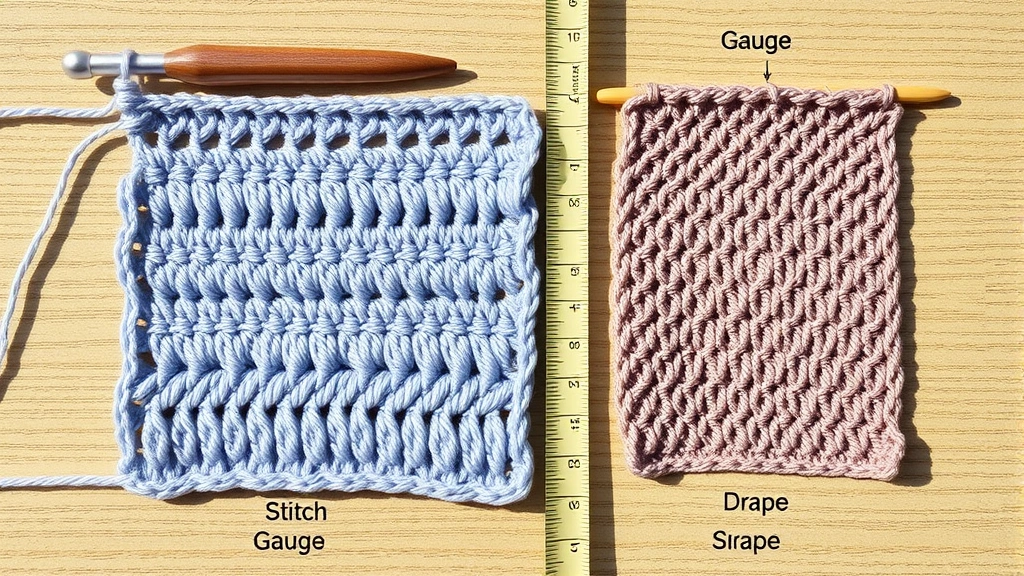
I know swatching feels like a boring extra step, but it’s genuinely one of the most valuable things you can do when learning to choose yarn. A swatch is just a small test piece—maybe 20 stitches by 20 rows—that tells you exactly how your yarn will behave.
Here’s what a swatch tells you:
- Gauge: How many stitches and rows you get per inch with your tension and hook size. This directly affects finished dimensions.
- Drape: How the fabric hangs and moves. Some yarns are stiff, others are flowy.
- Texture: How the stitch pattern looks in that specific yarn. Some yarns show stitches beautifully, others blur them.
- Feel: How it actually feels to work with and wear. No description can replace this.
- Washability: How it behaves after washing, which is crucial information.
Make a swatch in the stitch pattern your project uses. Don’t just do single crochet if your pattern is double crochet—the gauge and feel will be different. Take a photo of it next to a ruler, wash it (if you plan to wash the finished project), let it dry completely, and measure again. Yarn can shrink, stretch, or change texture after washing, and you want to know that before you’re 20 hours into a project.
I keep a little binder of yarn swatches with labels that include yarn name, brand, weight, hook size, stitch pattern, and how it behaved. It’s become an invaluable reference when I’m planning new projects or trying to remember why I loved (or didn’t love) a particular yarn.
Common Yarn Selection Mistakes (And How to Avoid Them)
After years of teaching crochet, I’ve noticed a few patterns in how people choose yarn. Let me share the most common mistakes so you don’t have to make them yourself:
Mistake #1: Buying yarn before you have a pattern. I get it—you see beautiful yarn and you want to make something with it. But without knowing what you’re making, you might end up with yarn that’s completely wrong for your vision. Instead, find a pattern first, then choose yarn that works for that specific project. If you do fall in love with yarn before having a pattern, at least buy yardage amounts that match common project sizes (blankets typically need 1200-2000 yards, scarves need 400-600 yards, etc.).
Mistake #2: Ignoring fiber content because you like the color. That gorgeous neon acrylic yarn might look perfect in the shop, but if you’re planning to make a delicate shawl and you need something with drape, it’s going to disappoint you. Color is important, but so is fiber content. Sometimes you need to compromise or wait for the right yarn in the right color.
Mistake #3: Not checking yardage requirements carefully. This is the mistake that leads to buying 4 balls of yarn when you only need 3, or worse, running out 20 rows before finishing. Always read the pattern requirements twice and add a buffer.
Mistake #4: Choosing yarn based purely on price. Look, I love a deal, but the absolute cheapest yarn isn’t always the best value. If it feels terrible to work with or falls apart after a few washes, you’ve wasted money and time. Mid-range options often give you better overall value.
Mistake #5: Not considering the finished project’s purpose. A yarn that’s perfect for a decorative blanket might be terrible for a baby blanket (too difficult to wash, potential allergens). A yarn that’s gorgeous for a statement piece might be uncomfortable for everyday wear. Think about how the finished project will actually be used.
The good news? Every mistake is just information for next time. I’ve made all of these mistakes, and each one taught me something valuable about choosing yarn. You’re going to be fine.
FAQ
What’s the difference between yarn weight and thread weight?
Yarn weight refers to the thickness of yarn strands (from lace to jumbo), while thread weight is a different system used for sewing and embroidery threads. When crochet patterns mention weight, they’re always referring to yarn weight. The Craft Yarn Council has standardized yarn weight categories that most patterns follow.
Can I substitute yarn in a pattern?
You can, but you need to be intentional about it. If you’re substituting a different yarn weight, you’ll need to recalculate yardage and potentially adjust hook size and dimensions. Same fiber content isn’t necessary, but similar characteristics are helpful. Always swatch first when substituting yarn.
How do I know if a yarn is good quality?
Quality depends on your needs, but generally look for: consistent thickness throughout, minimal pilling after washing, good color saturation, and positive reviews from other crocheters. Read reviews on Ravelry, where actual users share detailed feedback about how yarns perform.
Should I always buy the exact yarn a pattern calls for?
Not necessarily, but it’s the safest choice when you’re learning. Once you understand yarn characteristics, you can confidently substitute. The pattern designer tested their design with specific yarn, so using that exact yarn guarantees the best results. But if it’s not available or affordable, you can find alternatives with similar weight, fiber content, and characteristics.
What’s the best yarn for beginners?
Worsted weight acrylic or acrylic blends are ideal for beginners. They’re affordable, forgiving, come in tons of colors, and you can easily see your stitches. Once you’re comfortable with basic stitches, you can experiment with different fibers and weights. Red Heart and Lion Brand make excellent beginner-friendly yarns.
How do I store yarn to keep it in good condition?
Store yarn in a cool, dry place away from direct sunlight (which can fade colors) and pests. Keep it loosely wound or in its original ball—tight wrapping can cause kinks. Cedar blocks or lavender sachets can help deter moths naturally. A clear storage bin lets you see your stash without exposing it to dust.
Is expensive yarn always better?
Not necessarily. Expensive yarn is often higher quality in terms of fiber, dye, and manufacturing, but whether it’s “better” depends on your project and preferences. A luxury merino is objectively nicer to work with than budget acrylic, but budget acrylic might be the perfect choice for a durable, easy-care project. Don’t feel pressured to always buy expensive yarn.